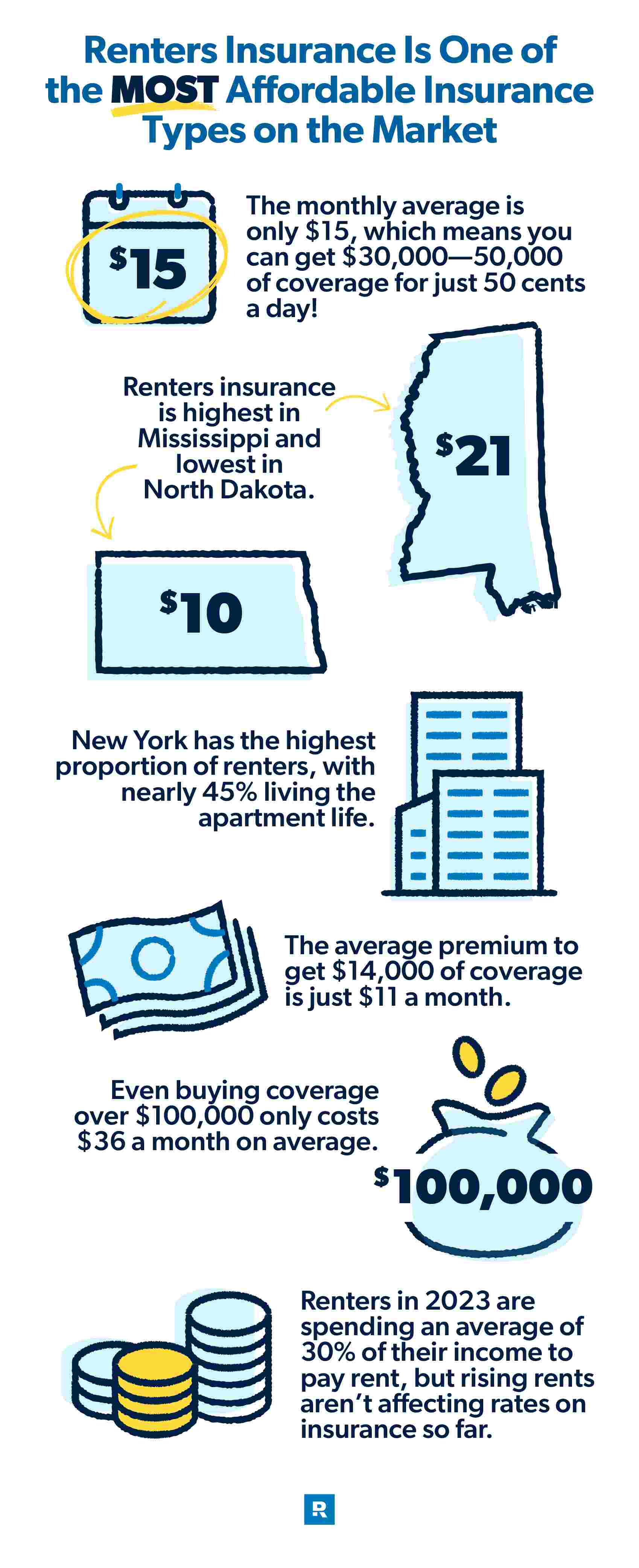
In 2026, the average cost of AAA renters insurance typically ranges between $12 and $25 per month, or approximately $144 to $300 annually, for a standard policy with $20,000 in personal property coverage and $100,000 in liability protection. These rates are heavily influenced by your regional AAA club, your chosen deductible, and any applicable multi-policy discounts.
Renters insurance is often cited as one of the most affordable financial safeguards available to consumers. For those who already maintain a AAA membership for roadside assistance, adding a renters policy can be a seamless and cost-effective way to protect personal assets. However, because AAA is a federation of independent regional motor clubs rather than a single national entity, the "cost breakdown" involves several layers of membership fees, base premiums, and regional adjustments.
Understanding the Total Cost of AAA Renters Insurance
To accurately calculate the cost of a AAA renters policy, one must view it as a two-part financial commitment: the insurance premium itself and the mandatory AAA membership fee. Unlike most traditional insurers like State Farm or Geico, AAA requires policyholders to be members of the motor club to access their insurance products.
The Membership Prerequisite
Before you can pay your first insurance premium, you must factor in the annual cost of a AAA membership. In 2026, membership tiers generally fall into three categories:
- Basic/Classic: Typically $55 to $80 per year.
- Plus: Typically $90 to $130 per year.
- Premier: Typically $130 to $170 per year.
While the insurance premium is separate, the membership fee is a fixed cost that must be maintained. Many policyholders find that the "multi-policy discount" applied to their AAA auto insurance after adding renters insurance often offsets the cost of the renters policy entirely, essentially making the coverage "free" or very low-cost in the context of their total insurance spend.
Regional Variations and Club Structure
AAA operates through regional clubs such as CSAA Insurance Group (serving Northern California and other regions), Auto Club Group (ACG) (serving the Midwest and Southeast), and Auto Club of Southern California. Each club sets its own rates based on local risk assessments, state regulations, and historical claims data. A renter in a high-crime urban area in 2026 will naturally see higher premiums than a renter in a rural suburb, even if they have identical coverage limits.
Breakdown of Coverage Components and Their Price Impact
A standard AAA renters insurance policy is composed of four primary coverage areas. Adjusting the limits on these areas is the primary way to influence your monthly cost.
1. Personal Property Coverage
This protects your belongings—furniture, electronics, clothing, and appliances—against perils like fire, theft, and certain types of water damage.
- Cost Impact: Increasing coverage from $20,000 to $50,000 might only add $3 to $5 to your monthly premium.
- Replacement Cost vs. Actual Cash Value: AAA typically offers "Replacement Cost" coverage as an option. While it costs roughly 10% to 15% more than "Actual Cash Value" (ACV) coverage, it is highly recommended. ACV only pays what your items are worth today (depreciated), whereas Replacement Cost pays to buy them new at 2026 retail prices.
2. Liability Protection
Personal liability coverage protects you if someone is injured in your home or if you accidentally cause damage to someone else's property.
- Cost Impact: Most policies start at $100,000 in liability. Jumping to $300,000 is remarkably inexpensive, often costing less than $20 extra per year. Given the rising costs of legal fees and medical care in 2026, this is a high-value upgrade.
3. Loss of Use (Additional Living Expenses)
If your rental becomes uninhabitable due to a covered claim (like a fire), Loss of Use pays for hotel stays, restaurant meals, and other temporary living expenses.
- Cost Impact: This is usually calculated as a percentage of your personal property limit (often 20% to 40%). Increasing this limit is rarely a major driver of premium costs but provides a vital safety net.
4. Medical Payments to Others
This covers small medical bills if a guest is injured on your premises, regardless of who is at fault.
- Cost Impact: Usually capped at $1,000 to $5,000, this has a negligible impact on the overall premium.
Estimated AAA Renters Insurance Cost Table (2026 Projections)
The following table illustrates how different coverage levels affect the estimated monthly and annual premiums for a typical AAA member.
| Coverage Tier | Personal Property Limit | Liability Limit | Deductible | Est. Monthly Cost | Est. Annual Premium |
|---|---|---|---|---|---|
| Economy | $15,000 | $100,000 | $1,000 | $10 - $13 | $120 - $156 |
| Standard | $30,000 | $100,000 | $500 | $16 - $20 | $192 - $240 |
| Enhanced | $50,000 | $300,000 | $500 | $22 - $28 | $264 - $336 |
| Premium Plus | $100,000 | $500,000 | $250 | $35 - $45 | $420 - $540 |
Note: These estimates do not include the mandatory AAA annual membership fee. Rates are based on 2026 market averages and may vary by state.
Factors That Influence Your Specific Premium
Beyond the coverage limits, several external and personal factors will determine your final quote from AAA.
The Deductible Choice
The deductible is the amount you pay out of pocket before the insurance kicks in. In 2026, AAA typically offers deductibles ranging from $250 to $2,500.
- The Math: Choosing a $1,000 deductible instead of a $250 deductible can reduce your premium by as much as 25%. However, you must ensure you have that $1,000 readily available in an emergency fund.
Geographic Location and ZIP Code
Insurance companies use granular data to assess risk. Your cost may be higher if your apartment is located in:
- An area with a high frequency of lightning strikes or wildfires.
- A neighborhood with high property crime or burglary rates.
- A region prone to severe windstorms or hail.
- Buildings located far from a fire station or fire hydrant.
Credit-Based Insurance Scores
In most states (excluding those where the practice is banned, like California, Maryland, and Massachusetts), AAA uses a credit-based insurance score to help determine premiums. Statistics used by the National Association of Insurance Commissioners (NAIC) show a correlation between credit history and the likelihood of filing a claim. Renters with "Excellent" credit often pay 15% to 20% less than those with "Poor" credit.
Building Features and Security
Modern safety features can earn you "Safety Discounts." In 2026, AAA looks for:
- Monitored smoke and burglar alarms.
- Internal fire sprinkler systems.
- Smart home water-leak sensors (a growing trend in 2026 premium reductions).
- Impact-resistant windows in coastal regions.
Maximizing Savings: AAA Discounts and Bundles
The primary reason many consumers choose AAA for renters insurance is the integration with other services. By leveraging specific discounts, you can significantly lower the effective cost of your policy.
The Multi-Policy (Bundling) Discount
This is the single most effective way to save. If you have AAA auto insurance, adding a renters policy usually triggers a discount on the auto portion of your bill. In many cases, the $50 or $100 saved on the auto premium is more than the total cost of the renters insurance, resulting in a "net-zero" cost for the new coverage.
Loyalty and Longevity Discounts
AAA rewards long-term members. If you have been a motor club member for 5, 10, or 20 years, you may be eligible for a "tenure discount" on your insurance products.
Professional and Educational Discounts
Some regional AAA clubs offer lower rates for specific professions—such as educators, scientists, or medical professionals—or for alumni of certain universities. It is worth asking your agent to scan for "Affinity Group" discounts during the quoting process.
Specialized Endorsements and Their Costs
Standard renters insurance has "sub-limits" for specific high-value items. For example, a policy might cover $30,000 in total property but limit jewelry theft to only $1,500. If you have an engagement ring or high-end camera equipment, you may need "Scheduled Personal Property" endorsements.
- Jewelry: Typically costs $1 to $2 per $100 of value annually.
- Electronics/Computers: Many AAA clubs offer a "Data Recovery" or "Enhanced Electronics" rider for a flat $15 to $30 per year.
- Identity Theft Protection: While some AAA membership tiers include basic monitoring, an insurance endorsement for identity recovery services usually costs about $25 to $40 per year.
Comparing AAA to the Competition in 2026
When evaluating the AAA renters insurance cost breakdown, it is helpful to see how it stacks up against other major players in the 2026 market.
- State Farm: Often has the lowest base premiums for renters but lacks the roadside assistance integration.
- Lemonade: Appeals to younger renters with a digital-first interface and low entry-level prices, but may have more stringent underwriting for older buildings.
- Geico/Progressive: These companies often act as agencies for third-party renters insurers. Their bundling discounts are strong, but the claims experience may be handled by a different company.
- AAA Advantage: The primary "edge" for AAA is the localized agent network. Unlike digital-only insurers, AAA members can often walk into a physical branch to discuss their policy, which provides significant value for those who prefer personal service.
FAQs About AAA Renters Insurance Costs
Does AAA renters insurance cover roommates?
In 2026, most AAA policies are designed for a single individual or a family (related by blood, marriage, or adoption). Roommates generally need to purchase their own separate policies to ensure their individual belongings are protected and to avoid complications during a liability claim. Sharing a policy is occasionally possible but often leads to inadequate coverage limits for two people.
Is the AAA membership fee tax-deductible?
For most individual renters, the AAA membership fee and the renters insurance premium are considered personal expenses and are not tax-deductible. However, if you are self-employed and work from a home office, you may be able to deduct a portion of your renters insurance premium as a business expense. Consult a tax professional for 2026 tax code specifics.
How does a claim affect my future AAA premium?
Filing a claim—especially a liability claim or multiple theft claims within a short period—can lead to a premium increase upon renewal. In 2026, AAA uses "claim-free discounts" to reward those who don't file minor losses. If you have a loss that is only slightly higher than your deductible (e.g., a $600 loss with a $500 deductible), it is often financially wiser to pay out of pocket to preserve your claim-free status.
Does AAA offer a discount for paying in full?
Yes, most AAA regional clubs offer a "Paid-in-Full" discount, typically ranging from 5% to 10%. If you pay the entire annual premium upfront rather than in monthly installments, you also avoid the "installment fees" or "convenience fees" that are often $1 to $5 per month.
What is "Inflation Guard" and does it cost extra?
By 2026, many AAA policies include an "Inflation Guard" feature automatically. This gradually increases your personal property limits each year to keep pace with the rising costs of goods. While this might slightly increase your premium over time, it ensures you aren't underinsured as the cost of living fluctuates.
Final Recommendation
When analyzing the AAA renters insurance cost breakdown, the most important takeaway is that the base premium is only one part of the story. To get the best value in 2026, you should:
- Calculate the Net Cost: Subtract the "Multi-Policy Discount" you receive on your auto insurance from the cost of the renters policy.
- Verify Membership Benefits: Ensure you are utilizing the other perks of your AAA membership (discounts on travel, hotels, and retail) to justify the annual membership fee.
- Opt for Replacement Cost: Never settle for Actual Cash Value (ACV) just to save $2 a month; the difference in a total loss scenario is tens of thousands of dollars.
- Request a Comprehensive Quote: Contact your local AAA club specifically, as online "national" estimators often miss regional-specific discounts or requirements.
For most renters, the peace of mind provided by $100,000+ in liability protection and full property replacement is well worth the $15 to $20 monthly investment.