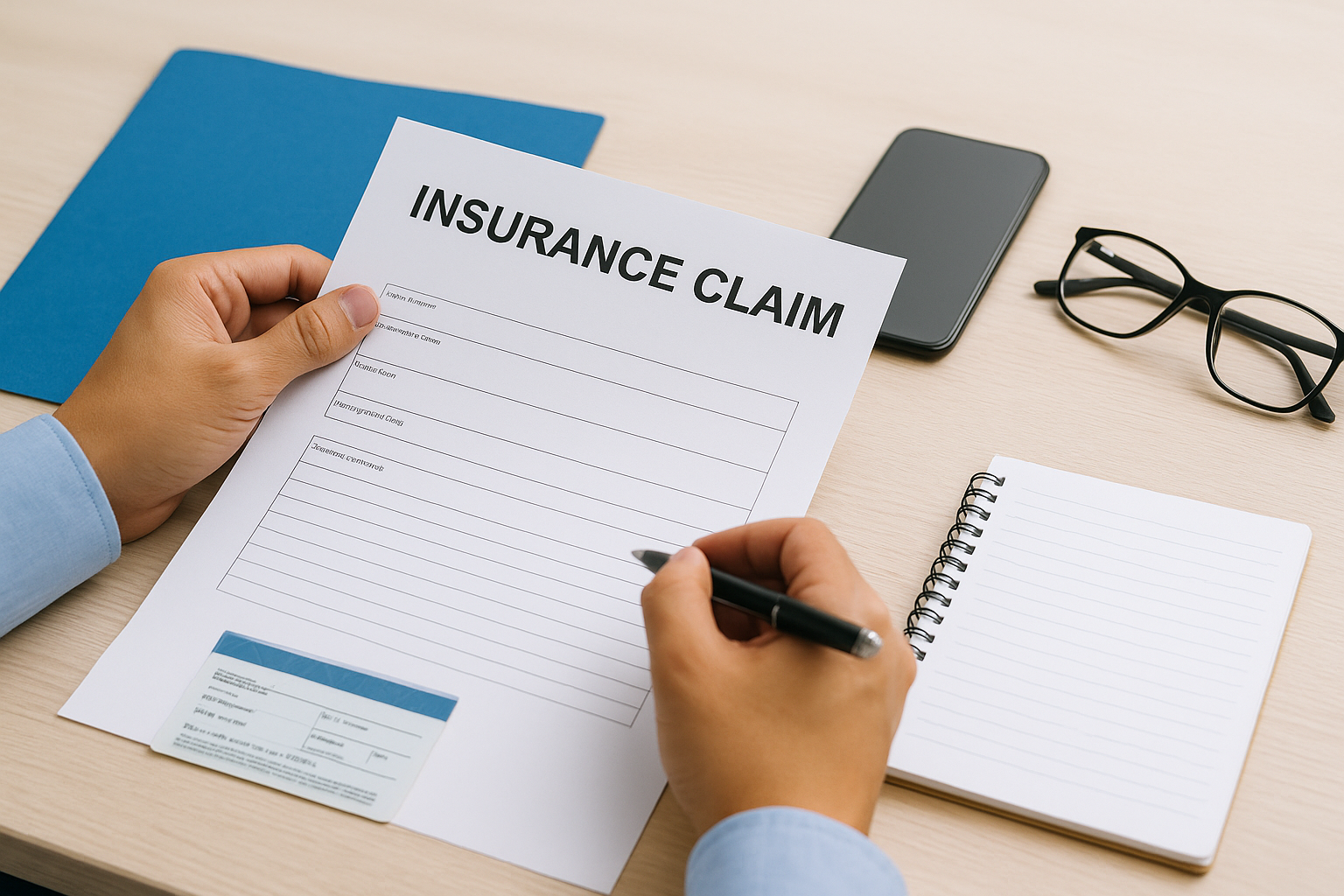
Filing an auto insurance claim with the AAA (American Automobile Association) insurance claims department requires a systematic approach, starting with immediate incident documentation and followed by an official report to your specific regional AAA insurance carrier. Because AAA is a federation of independent clubs, claimants must utilize the digital portal, mobile application, or dedicated toll-free number associated with their specific regional policy issuer to initiate the adjustment process effectively.
Understanding the AAA Structure and Claims Jurisdiction
The American Automobile Association is not a single, monolithic insurance company. It is a federation of regional clubs, each with its own board of directors and, in many cases, its own insurance underwriting entity. This structural reality is the most critical factor when navigating the claims process.
When you purchase an auto insurance policy through your local AAA club, your policy is underwritten by a specific carrier, such as the Auto Club Insurance Association, the CSAA Insurance Group, or another regional affiliate. Because of this, there is no single "AAA Claims Department" phone number or website that serves every member in the United States. To successfully file a claim, you must identify the insurer listed on your insurance declaration page. This document confirms exactly which entity is responsible for your coverage, and consequently, which specific claims department you must contact.
Immediate Steps Following an Auto Incident
Before reaching out to the claims department, your primary focus must be on safety and compliance. These initial actions influence the evidence available to the insurance adjuster later in the process.
- Ensure Safety: Move vehicles to a safe location if possible, turn on hazard lights, and assess the well-being of all passengers.
- Contact Authorities: If the accident involves injuries, significant property damage, or a hit-and-run, call 911 immediately. Obtain a copy of the police report or the event number, as adjusters prioritize these official accounts.
- Document the Scene: Capture high-resolution photographs or video of the vehicle positions, damage to all involved vehicles, road conditions, and any relevant traffic signs or signals.
- Exchange Information: Secure the full name, contact information, insurance provider, and policy number of the other driver(s) involved. Do not admit fault or discuss the incident in detail with other parties; leave the determination of liability to the claims adjusters based on the gathered evidence.
Initiating Your AAA Auto Insurance Claim
Once you are in a safe environment, you should initiate the claim as soon as possible. Delaying the report can make it difficult to locate witnesses or obtain traffic camera footage.
Digital Reporting
Most regional AAA insurance carriers now provide a 24/7 online claims portal. This is generally the most efficient method because it allows you to upload photos of the damage and the police report directly to your claim file, creating an immediate digital paper trail. You will typically need your policy number, the date and time of the incident, and the details of the other parties involved.
Telephone Reporting
If you prefer to speak with a representative, look for the "Claims" phone number on your insurance identification card. When you call, a representative will take your statement and assign a specific claim number. Record this number immediately, as it is required for all future communication regarding your case. You will also be assigned an adjuster who will oversee the investigation and settlement.
Mobile Application
Many AAA clubs offer an integrated mobile app. These apps often feature a "Report an Accident" button that uses GPS to pin your location and guides you through the process of capturing necessary photos and contact information for the other driver.
The Role of the Insurance Adjuster
After you submit your claim, the insurance adjuster becomes your primary point of contact. An adjuster’s role is to investigate the facts of the incident to determine the extent of the insurance company’s liability under the terms of your policy.
The adjuster will typically:
- Review your statement and the statements of any other drivers or witnesses.
- Analyze the police report for a neutral assessment of the scene.
- Inspect your vehicle to estimate repair costs or determine if the vehicle is a total loss.
- Communicate with the other party’s insurance company if a subrogation process is necessary (this occurs when AAA pays for your repairs and subsequently seeks reimbursement from the at-fault driver’s insurance).
Be prepared for the adjuster to request additional documentation, such as repair estimates from a preferred body shop or medical records if injuries were sustained. Maintaining clear communication with your adjuster is essential for avoiding unnecessary delays in the claims settlement process.
Common Terms and Procedures
| Term | Definition |
|---|---|
| Deductible | The portion of the loss you are responsible for paying before your insurance coverage applies. |
| Subrogation | The process where your insurer seeks reimbursement from the at-fault party's insurer. |
| Total Loss | A scenario where repair costs exceed a specific percentage of the vehicle's actual cash value. |
| Premium Surcharge | A potential increase in insurance rates following a claim, depending on fault and state laws. |
| Actual Cash Value (ACV) | The market value of your car at the time of the loss, accounting for depreciation. |
Troubleshooting Common Claim Delays
Even with an efficient system, claims can occasionally stall. If your claim seems to be progressing slowly, ensure you have completed the following:
- Verified Contact Information: Ensure the insurance company has your current phone number and email address, as adjusters often send requests for information via electronic portals.
- Prompt Documentation Submission: Many delays are caused by missing police reports or incomplete estimate forms. If the adjuster asks for a document, provide it as soon as possible to keep the file moving.
- Checking Portal Status: Use your claim number to log into the online portal. Often, you can see if there is an outstanding action item from your side.
- Requesting a Supervisor: If you have been unable to reach your assigned adjuster for an extended period, or if you feel the process has stalled without explanation, you have the right to request a conversation with a claims supervisor to discuss the status of your case.
Frequently Asked Questions
What happens if I file a claim and it turns out I was at fault?
If you are found at fault, your insurance will generally cover the damages to the other party up to your liability limits, minus your deductible for your own vehicle repairs (if you carry collision coverage). Your premium may be subject to adjustment at the next renewal period based on your policy's terms and state regulations.
Can I choose my own repair shop?
In many jurisdictions, you have the right to choose the repair facility. However, AAA often provides a list of "preferred" or "network" repair shops. These shops have pre-negotiated rates and guarantee their work, which can often expedite the repair and payment process. Using an out-of-network shop may require more administrative work between the shop and your adjuster.
Does filing a claim automatically raise my rates?
Not necessarily. Premium increases depend on your state’s insurance laws, your specific policy terms, and whether you were determined to be at fault. Some policies include "accident forgiveness" features that may prevent a rate hike after your first at-fault claim.
What should I do if the other party is uninsured?
If you have Uninsured Motorist (UM) or Underinsured Motorist (UIM) coverage on your policy, the claims process remains largely the same. You will report the incident to your AAA insurance carrier, and they will investigate the claim according to your coverage limits.
How long does the claims process usually take?
The timeline varies significantly based on the complexity of the accident. Simple claims with clear liability and minor damage can be resolved in a few days to a week. Complex claims involving multiple vehicles, injuries, or disputes over fault can take several weeks or longer to reach a resolution.
What if I disagree with the settlement offer?
You have the right to challenge the settlement offer. If you disagree with the valuation of your vehicle or the cost of repairs, provide the adjuster with independent estimates or comparable vehicle data to support your position. If an impasse remains, consult your policy for the "appraisal clause" or dispute resolution process provided by the insurer.
Next Actions and Expert Recommendations
To ensure the smoothest possible experience with the AAA auto insurance claims department, organize all your documentation in a dedicated digital or physical folder immediately. Keep your policy number, claim number, and the direct phone number of your adjuster in a location that is easily accessible.
If you are currently in the midst of an active claim, log into your regional AAA portal today to confirm that your contact information is up to date and to check if there are any pending requests for information. Maintaining an organized, proactive stance is the most effective way to ensure your claim is processed with minimal disruption to your daily life.