Securing appropriate car insurance in Melbourne—whether referring to Melbourne, Florida, or Melbourne, Victoria—involves evaluating local driving laws, regional risk factors, and policy structures from major providers like the American Automobile Association (AAA) or local Australian insurers. Understanding these variables ensures drivers choose adequate liability limits, collision protection, and optional roadside assistance tailored to their specific geographical and regulatory environment.
Understanding Auto Insurance Options in Melbourne
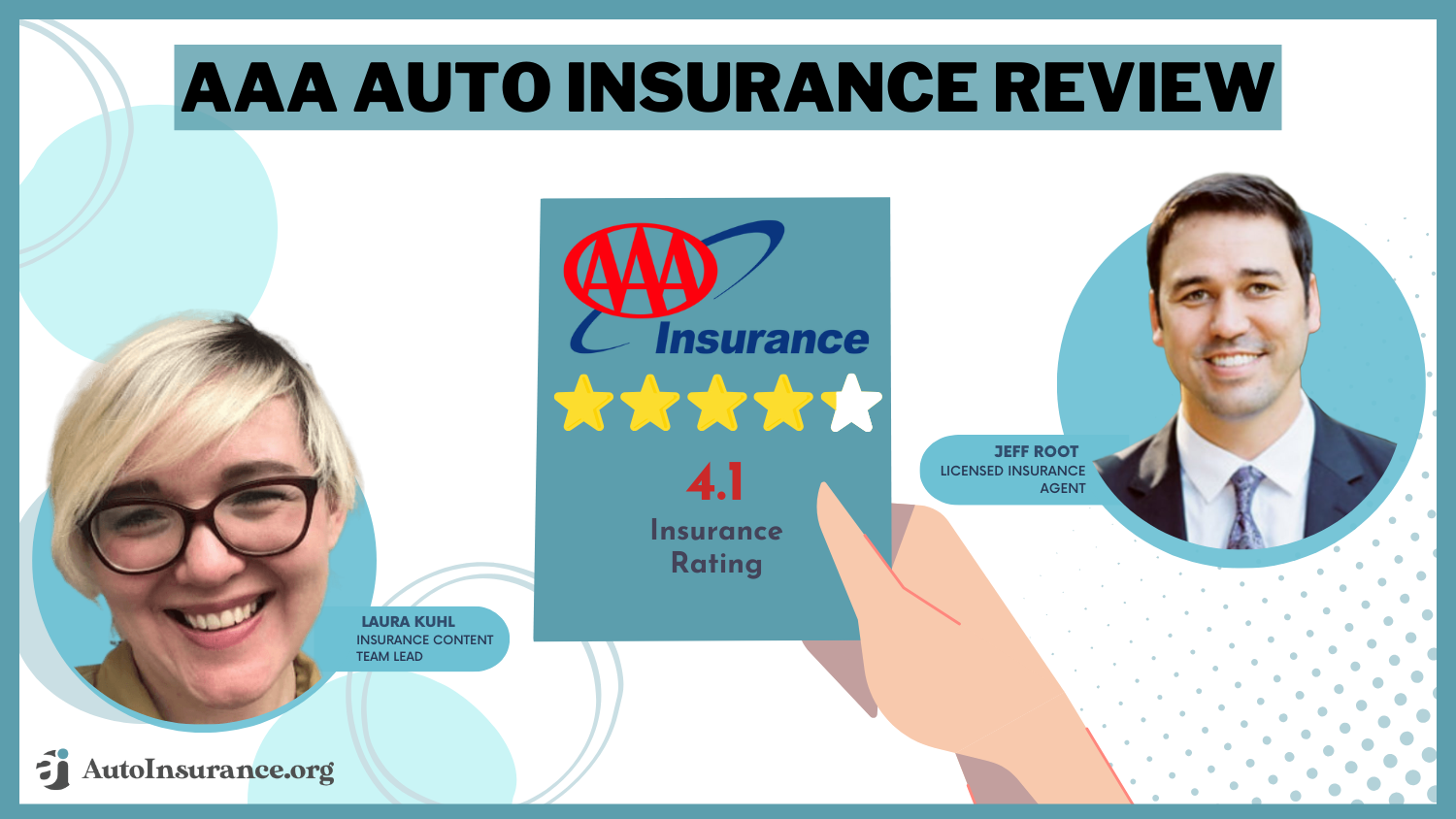
When motorists search for auto insurance options associated with "AA auto insurance Melbourne," their needs typically diverge depending on the geographic context. In the United States, AAA (American Automobile Association) auto clubs operate through various regional motor clubs that provide insurance underwriting and agency services. For instance, drivers in Melbourne, Florida, are served by AAA Auto Club South or its affiliates, offering bundled policies that pair roadside assistance with comprehensive vehicle coverage.
Conversely, drivers searching for "AA" insurance in Melbourne, Victoria (Australia), are often looking for roadside assistance-backed coverage or exploring how motoring clubs like the Australian Automobile Association's state-level affiliates (such as the RACV in Victoria) interact with comprehensive car insurance frameworks. Because insurance regulations, legal liabilities, and policy terminology differ significantly between jurisdictions, clarifying the exact regional framework is the essential first step for any policyholder.
Evaluating these offerings requires looking past brand recognition to examine policy mechanics. Auto insurance is designed to mitigate financial risk stemming from vehicular accidents, vehicle theft, property damage, and personal injuries. Whether dealing with a regional AAA affiliate in Florida or a motoring club partner in Australia, understanding the distinction between third-party property damage, collision, and comprehensive coverage prevents costly gaps in protection.
Regional Regulatory Frameworks and Mandatory Coverage
Insurance requirements are strictly dictated by local legislative bodies. Drivers must align their coverage limits with state or national statutory minimums to legally operate a motor vehicle.
Melbourne, Florida (United States) Requirements
In Florida, drivers operate under a no-fault insurance system governed by the Florida Motor Vehicle No-Fault Law. Consequently, insurance policies must include specific minimum coverages:
- Personal Injury Protection (PIP): A minimum of $10,000 is required to cover medical expenses regardless of fault.
- Property Damage Liability (PDL): A minimum of $10,000 is required to cover damage caused to another person’s property by the insured vehicle.
- Note on AAA Auto Insurance: Regional AAA entities operating in Florida provide these statutory minimums while strongly recommending higher liability limits (such as 100/300/100 structures) to protect personal assets from catastrophic lawsuits.
Melbourne, Victoria (Australia) Requirements
In Victoria, the regulatory landscape is structured differently, separating compulsory injury insurance from property protection:
- TAC Charge (Transport Accident Commission): Compulsory Third Party (CTP) insurance is bundled into the vehicle registration fee paid to VicRoads. This covers personal injury or death caused by the use of a motor vehicle.
- Comprehensive or Third Party Property Insurance: Unlike CTP, property damage insurance is optional but critical. Drivers choose between Third Party Property Damage (which covers damage done to other people's cars or property) and Comprehensive car insurance (which covers damage to both third-party property and the insured's own vehicle).
Key Policy Types and Coverage Structures
Selecting the correct tier of protection involves balancing monthly premium costs against out-of-pocket financial exposure in the event of a collision or incident.
| Coverage Type | Primary Purpose | Typical Inclusion Details |
|---|---|---|
| Liability (Third-Party Property) | Covers damage to others' cars/property | Mandated legally in most jurisdictions; protects personal assets from lawsuits. |
| Personal Injury Protection (PIP) / Compulsory Third Party (CTP) | Covers medical bills and lost wages for bodily injuries | Varies by region; covers driver and passengers regardless of fault (PIP) or via registration (CTP). |
| Collision Coverage | Repairs damage to your own car from accidents | Applies when colliding with another vehicle or stationary object (e.g., a fence or tree). |
| Comprehensive Coverage | Protects against non-collision incidents | Covers theft, fire, vandalism, weather events, and animal strikes. |
Add-Ons and Motoring Club Benefits
A primary advantage of securing coverage through organizations historically tied to automobile associations is the seamless integration of membership benefits. Policyholders frequently bundle roadside assistance, mechanical breakdown insurance, rental car reimbursement, and trip interruption protection directly into their master policy. These additions reduce the administrative friction of coordinating towing services after an accident or mechanical failure.
Factors Influencing Insurance Premiums in Melbourne
Insurance underwriters calculate premiums using complex actuarial algorithms that assess risk exposure. Whether insuring a vehicle in Melbourne, Florida, or Melbourne, Victoria, several core variables dictate the final cost of a policy:
- Driving History and Record: Clean driving records with zero at-fault accidents or traffic violations yield lower rates. Conversely, speeding tickets, driving under the influence (DUI) citations, and recent claims history increase perceived risk, driving premiums upward.
- Vehicle Make, Model, and Year: Luxury vehicles, sports cars, and models with expensive electronic componentry or high theft rates cost more to insure. Safety ratings and the availability of replacement parts also influence calculations.
- Garaging Location and ZIP/Postal Code: Local crime rates, traffic congestion, and regional weather hazards (such as hurricanes and flood-prone zones in Florida, or bushfire risks in regional Victoria) directly impact comprehensive pricing.
- Deductible Selections: Choosing a higher deductible—the amount paid out-of-pocket before insurance coverage kicks in—lowers the recurring monthly premium, but increases immediate financial liability during a claim.
- Credit History (Where Applicable): In jurisdictions where permitted by law, insurers review credit-based insurance scores to predict the likelihood of policyholders filing claims.
Step-by-Step Guide to Securing and Managing a Policy
Establishing or updating an auto insurance policy requires methodical preparation to secure optimal pricing and appropriate coverage levels.
- Audit Current Coverage Needs: Review existing policy declarations pages. Identify current liability limits, deductibles, and gaps where optional coverage (such as uninsured motorist protection or roadside assistance) might be needed.
- Gather Necessary Documentation: Compile vehicle identification numbers (VIN), driver’s license details for all household operators, current odometer readings, and historical claims records.
- Request Quotes from Providers: Contact regional AAA insurance agencies or compare independent broker quotes to evaluate pricing structures. Ensure that quoting parameters (deductibles, mileage estimates, and coverage limits) remain identical across comparisons.
- Verify Membership Discounts: If utilizing an auto club, confirm whether active club membership unlocks multi-policy discounts (such as bundling auto and homeowners insurance) or safe-driver incentive programs.
- Finalize Policy and Secure Proof of Insurance: Complete underwriting verification, submit initial payment, and secure digital or physical insurance cards required by local transport authorities.
Common Mistakes to Avoid When Buying Auto Insurance
Navigating insurance contracts can be complex, and policyholders frequently commit errors that compromise their financial protection:
- Opting Exclusively for Statutory Minimums: While choosing the lowest legal limit reduces monthly expenses, it leaves drivers severely exposed if they cause an accident resulting in major property damage or bodily injury exceeding those limits.
- Failing to Update Driver Information: Omitting newly licensed household drivers or failing to report a change in primary garaging address can result in claim denials or policy cancellations.
- Ignoring Deductible Affordability: Setting an uncomfortably high deductible to save on monthly premiums can create financial hardship if an accident occurs and the cash outlay cannot be readily met.
- Overlooking Fine Print on Roadside Assistance: Assuming all towing distances and mechanical labor types are fully covered without checking mileage caps or service frequency limits.
Frequently Asked Questions
Does AAA auto insurance cover rental cars?
Yes, optional rental car reimbursement coverage can be added to standard policies. This endorsement typically covers the daily cost of a rental vehicle while your primary car is undergoing authorized repairs resulting from a covered claim.
How does weather in Melbourne affect auto insurance rates?
Regional climate risks directly impact comprehensive coverage pricing. Areas prone to severe storms, hurricanes, or localized flooding experience higher claims frequencies, which underwriters factor into baseline risk assessments for regional policyholders.
Can I bundle my home and auto insurance with AAA?
Most regional motor club insurance agencies offer multi-policy discounts. Bundling homeowners, renters, or life insurance policies with auto coverage frequently reduces the total premium cost across all accounts.
What is the difference between comprehensive and collision coverage?
Collision coverage pays for damage to your vehicle when it hits another car or object. Comprehensive coverage protects against non-collision events, including theft, vandalism, fire, weather damage, and collisions with animals.
How can I lower my auto insurance premium?
Premiums can be reduced by maintaining a clean driving record, increasing deductibles, completing defensive driving courses, bundling multiple insurance policies, and driving vehicles equipped with advanced safety features and anti-theft systems.
Next Actions for Policyholders
Review your current insurance declarations page today to verify that your liability limits, deductibles, and optional endorsements align with your current financial situation and risk tolerance. If you are exploring regional options through a motor club like AAA, contact a licensed local agent to run a comprehensive policy review, ensuring you capture all eligible membership discounts without sacrificing essential protection.