For residents in the 98660 zip code of Vancouver, Washington, pay-per-mile auto insurance provides a flexible way to reduce premiums by paying a fixed monthly base rate plus a small fee for every mile driven. This model is ideal for urban drivers who travel fewer than 8,000 miles annually, potentially saving them 30% to 50% compared to traditional policies.
As we navigate 2026, the landscape of personal transportation in Southwest Washington has shifted significantly. With the continued prevalence of hybrid work models and the expansion of the C-TRAN "Vine" Bus Rapid Transit system through downtown Vancouver, many residents in the 98660 area find their vehicles sitting idle more often than not. If your car spends more time parked near Esther Short Park or in a driveway in the Hough neighborhood than it does on the I-5, pay-per-mile insurance is likely your most cost-effective coverage option.
Understanding the Pay-Per-Mile Model in 98660
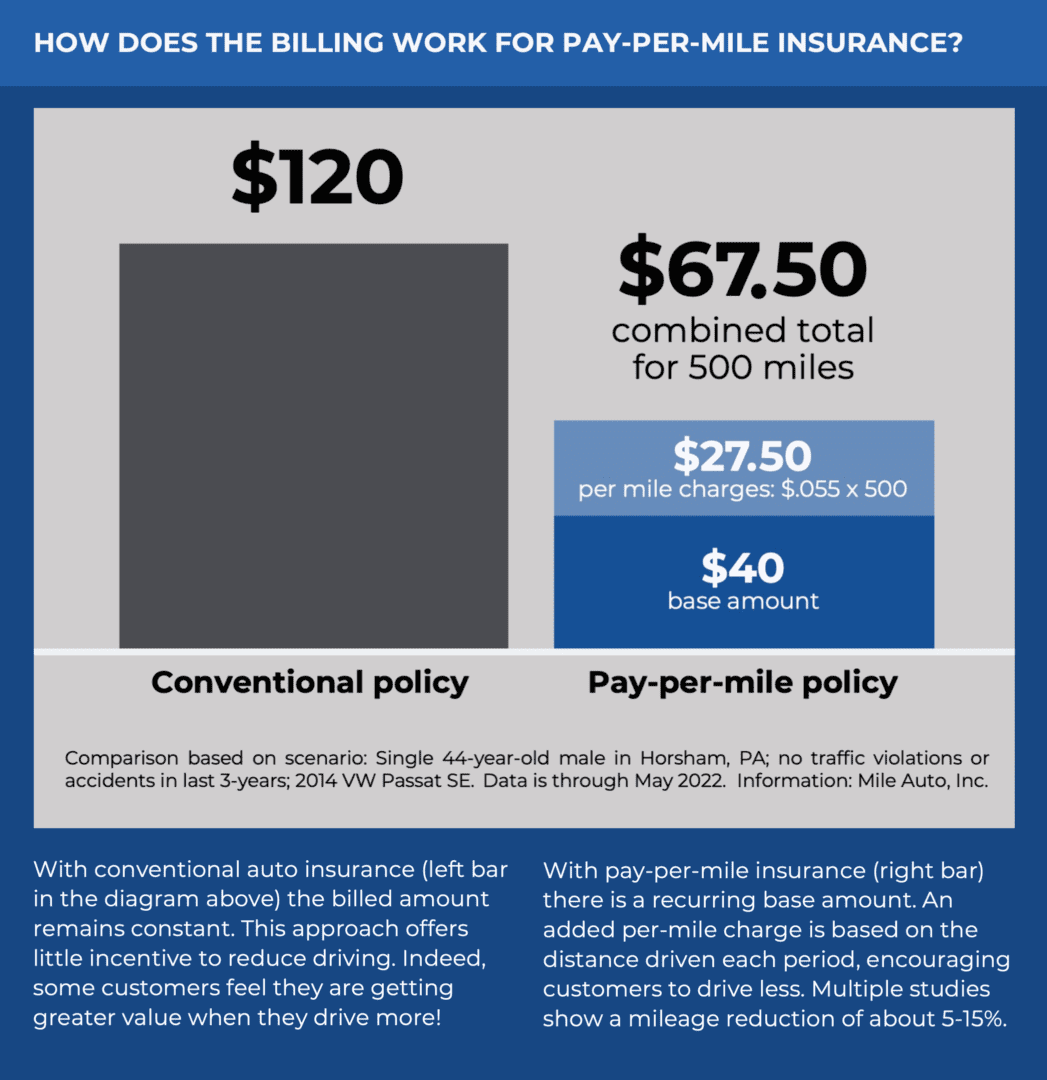
Pay-per-mile insurance, often categorized under the broader umbrella of usage-based insurance (UBI), operates on a simple mathematical formula: Monthly Base Rate + (Number of Miles Driven × Per-Mile Rate) = Total Premium.
The Base Rate
The base rate is a fixed monthly fee that covers the "static" risks associated with your vehicle. Even when your car is parked in a garage in 98660, it is still susceptible to risks such as theft, vandalism, fire, or damage from falling tree limbs—common occurrences during the stormy Pacific Northwest winters. This rate is determined by traditional actuarial factors, including your driving record, the make and model of your vehicle, your age, and the specific risk profile of the 98660 zip code.
The Per-Mile Rate
The per-mile rate is the variable component. In 2026, typical rates for a driver with a clean record in Vancouver range from $0.05 to $0.10 per mile. This means if you only drive to the local Chuck's Produce or take a short trip to the waterfront, you are only paying for that specific exposure to road risk. If you don't drive at all on a particular day, your variable cost for that day is zero.
Tracking Technology
To implement this model, insurers require a way to verify mileage. In 2026, this is primarily achieved through two methods:
- OBD-II Devices: A small device plugged into your car's diagnostic port (standard on all cars built after 1996). It transmits mileage data directly to the insurer.
- Mobile Apps: Using the GPS and accelerometer sensors in your smartphone to track trips.
- Connected Car Integration: Many newer vehicles (2022 and later) can transmit mileage directly from the car's internal computer to the insurance company via an API, eliminating the need for extra hardware.
Why the 98660 Zip Code is Ideal for Mileage-Based Coverage
The 98660 zip code covers the heart of Vancouver, Washington, including Downtown, Arnada, Hough, and Shumway. This geographic area has several characteristics that make pay-per-mile insurance particularly attractive.
Urban Density and Walkability
98660 is arguably the most walkable zip code in Clark County. Residents living near Main Street or the waterfront have immediate access to groceries, dining, and professional services. When your daily needs are met within a 15-minute walk, your vehicle mileage drops precipitously. Traditional insurance companies charge you based on an "average" driver who might commute 30 miles a day; pay-per-mile allows 98660 residents to "opt-out" of subsidizing those higher-risk drivers.
Proximity to Portland and Transit Options
Many residents of 98660 work across the river in Portland, Oregon. However, in 2026, the I-5 bridge remains a significant bottleneck. This has led to a surge in use of the C-TRAN express buses and the regional light rail connections. If you commute via public transit and only use your car for weekend errands or trips to the Gifford Pinchot National Forest, your mileage is likely low enough to justify a pay-per-mile policy.
The "Bridge Factor"
Driving across the Columbia River into Portland often involves long periods of idling in traffic. Interestingly, most pay-per-mile providers in Washington only charge for distance, not for time spent in traffic. While a traditional insurer might see a commute into Portland as a high-risk activity, a pay-per-mile insurer only sees the 7 or 8 miles traveled, regardless of whether it took 15 minutes or 50 minutes.
Top Providers for Pay-Per-Mile Insurance in Vancouver (2026)
Several major carriers and niche insurtech companies offer mileage-based plans in Washington State. Each has slightly different features and pricing structures.
| Provider | Best For | Tracking Method | Daily Mileage Cap |
|---|---|---|---|
| Metromile (by Lemonade) | Pure low-mileage drivers | Pulse OBD-II Device | 250 miles |
| Allstate Milewise | Existing Allstate customers | OBD-II or Mobile App | 250 miles |
| Nationwide SmartMiles | Safety-conscious drivers | OBD-II Device | 250 miles |
| State Farm (Personal Price) | Brand reliability | Mobile App/Odometer | Varies |
| Mile Auto | Privacy-focused users | Odometer Photos | No tracking device |
Metromile (by Lemonade)
As a pioneer in the space, Metromile remains a dominant force in 2026. Their "Pulse" device not only tracks miles but also offers "street sweeping alerts" (though less relevant in Vancouver than in Seattle) and vehicle health diagnostics. Their daily cap is a major benefit; if you take a road trip from Vancouver to the Washington coast, you only pay for the first 250 miles driven in a single day.
Allstate Milewise
Allstate’s Milewise program is highly integrated with their standard mobile app. It is often preferred by 98660 residents who want the backing of a traditional "Big Three" insurer. They offer a seamless transition for those who want to move from a standard policy to a mileage-based one without changing agents.
Nationwide SmartMiles
Nationwide’s offering is unique because it often includes a "roadside assistance" component specifically tailored for low-usage vehicles, such as battery jump-starts for cars that have been sitting in a Vancouver garage for several weeks. They also offer a discount for safe driving behaviors in addition to the mileage savings.
Calculating Your Potential Savings
To determine if pay-per-mile is right for your lifestyle in Vancouver, you must compare your current flat premium against the projected cost of a mileage-based plan.
Scenario: The "Downtown Professional" in 98660
- Current Traditional Premium: $120/month
- Projected Pay-Per-Mile Base Rate: $45/month
- Per-Mile Rate: $0.06
- Average Monthly Mileage: 400 miles (mostly local errands and one trip to Portland per week)
The Calculation: $45 (Base) + (400 miles × $0.06) = $69 per month.
In this scenario, the driver saves $51 per month, or $612 per year. This represents a 42.5% reduction in insurance costs. Generally, the "break-even point" for pay-per-mile in Washington is approximately 8,000 to 10,000 miles per year. If you drive less than that, the pay-per-mile model almost always wins.
Privacy and Data Security Considerations
One of the primary hurdles for residents in 98660 considering this insurance is the concern over data privacy. Tracking devices and apps collect location data, which some drivers find intrusive.
Washington State Regulations
In 2026, Washington remains a state with robust consumer protections regarding insurance data. Under the Washington Office of the Insurance Commissioner (OIC), insurers must clearly disclose what data is being collected and how it is used. They are generally prohibited from using GPS location data to increase your rates based on where you drive (e.g., if you drive through a higher-crime neighborhood); they can only use the distance and, in some cases, the time of day or driving behavior (like hard braking).
Privacy-Focused Alternatives
If you are uncomfortable with a "black box" in your car, Mile Auto is a significant player in 2026. They do not use tracking devices. Instead, you simply take a photo of your odometer once a month and upload it via a secure link. This provides the savings of pay-per-mile without the real-time location tracking.
Common Mistakes to Avoid
When switching to a pay-per-mile policy in 98660, avoid these common pitfalls:
- Underestimating Future Mileage: If you plan to start a new job in Camas or Ridgefield that requires a daily commute via I-5 or SR-500, your mileage will spike. Calculate your "new" commute distance before switching.
- Ignoring the "Daily Cap": Not all companies have a daily cap. If you frequently drive to Seattle or Spokane, ensure your provider won't charge you for every single mile on those long-haul days.
- Forgetting to Plug in the Device: If you use an OBD-II device and it becomes unplugged, the insurer will often reach out with a warning. Frequent "connectivity lapses" can lead to the cancellation of your policy or a transition back to a higher flat rate.
- Neglecting Discounts: Even with pay-per-mile, you can still stack discounts. Residents of 98660 should ask about discounts for multi-car households, anti-theft devices (crucial for urban parking), and bundling with renters or homeowners insurance.
Is It Right for You? A Checklist
Before making the switch, ask yourself the following questions:
- Do I drive fewer than 25 miles on an average day?
- Do I frequently use the C-TRAN system or walk to local destinations?
- Is my car parked in a secure location (garage or off-street) in 98660?
- Am I comfortable with an app or device monitoring my vehicle's mileage?
- Do I have a "road trip" car and a "city" car? (Pay-per-mile is perfect for the city car).
Practical Next Steps for 98660 Residents
If you’ve decided to explore pay-per-mile, the first step is to gather your current policy’s "Declarations Page." This lists your current coverages (Liability, Collision, Comprehensive, PIP). You want to ensure that when you quote a pay-per-mile plan, you are comparing "apples to apples" regarding coverage limits.
Next, use an online aggregator or visit individual carrier sites like Metromile or Allstate to get a specific quote for the 98660 zip code. Because insurance rates are highly localized, a quote for Vancouver will differ slightly from a quote for Portland or Seattle.
Finally, once you sign up, your new insurer will send you the tracking device or a link to activate the app. Do not cancel your old policy until you have the new coverage officially in place and the tracking mechanism is active.
Frequently Asked Questions
Does pay-per-mile insurance cover me if I drive into Oregon? Yes. Your coverage is valid across state lines. The insurance policy covers you anywhere in the United States and Canada. The "pay-per-mile" aspect only refers to how the premium is calculated, not where the vehicle is protected.
What if I live in 98660 but my car is registered elsewhere? Insurance is typically tied to the "garaging address"—where the car is parked most of the night. If you live in 98660, your car should be insured there. Misrepresenting your address (insurance padding) can lead to denied claims.
Are there extra fees for the tracking device? In 2026, almost all major providers include the OBD-II device or the mobile app access for free. They view the data as a fair trade for the hardware cost, as it helps them price risk more accurately.
Does the per-mile rate change every month? No. Your base rate and your per-mile rate are typically locked in for a six-month or one-year policy term. The only thing that changes month-to-month is the number of miles you drive.
Is 98660 considered a "high-risk" area for pay-per-mile? Urban zip codes like 98660 generally have slightly higher base rates than rural areas like Yacolt due to a higher frequency of non-driving claims (theft/vandalism). However, the savings on the mileage side usually far outweigh this higher base rate for city dwellers.
Final Recommendation
If you live in the downtown Vancouver area (98660) and find yourself putting less than 700 miles a month on your odometer, you are overpaying for traditional insurance. Transitioning to a pay-per-mile model is a practical, tech-forward way to align your expenses with your actual vehicle usage in 2026.