The rumors suggesting a $799 starting price for the base iPhone 16 proved accurate upon its release. Apple maintained this critical entry-level flagship price despite significant upward pressure from rising component costs, specifically the transition to the A18 chipset and the mandatory increase to 8GB of RAM required to support Apple Intelligence features across the entire lineup.
The Evolution of the $799 Price Point
For several years leading up to the 2024 launch of the iPhone 16, the $799 price point served as a psychological and financial anchor for Apple’s smartphone strategy. Since the introduction of the iPhone 12, the standard "base" model (excluding the defunct Mini and the budget-oriented SE) has occupied this space. By the time rumors began circulating about the iPhone 16 in early 2024, analysts were divided on whether Apple could sustain this price.
The primary tension in the rumors stemmed from the "Apple Intelligence" initiative. Unlike previous years where the base model could survive on older silicon and less memory, the generative AI era demanded a baseline of hardware performance that was previously reserved for "Pro" models. The rumors of a $799 iPhone 16 were significant because they suggested Apple was willing to prioritize market share and AI ecosystem adoption over immediate per-unit profit margins.
In the context of 2026, looking back at that decision, the $799 price point is now viewed as the catalyst that prevented the "Standard" iPhone from becoming a second-class citizen. It allowed the mainstream consumer to access the same foundational AI capabilities as Pro users, a move that solidified Apple’s lead in the consumer AI space.
Rumors vs. Reality: Component Costs and Technical Hurdles
Leading up to the September 2024 announcement, supply chain reports indicated that the Bill of Materials (BoM) for the iPhone 16 was significantly higher than that of the iPhone 15. Several factors contributed to the skepticism that Apple could keep the price at $799.
The A18 Chip and 3nm Process
Rumors correctly predicted that Apple would skip the "recycled" chip strategy. In previous years, the base iPhone used the previous year’s Pro chip. However, for the iPhone 16, Apple introduced the A18 chip across the board. This chip was built on TSMC’s second-generation 3nm process (N3E). The N3E process was more cost-effective than the initial N3B process used in the iPhone 15 Pro, but it still represented a premium over the 4nm or 5nm chips used in older base models. The rumor that Apple would consolidate the chip architecture helped explain how they managed to keep the $799 price: by achieving massive economies of scale with a single unified chip family.
RAM Requirements for Apple Intelligence
Perhaps the most persistent rumor regarding the $799 price point was the memory upgrade. To run Large Language Models (LLMs) on-device, 6GB of RAM was no longer sufficient. Rumors suggested the iPhone 16 would jump to 8GB of RAM. Given that RAM prices were fluctuating due to high demand for AI servers, many predicted a $50 price hike. When Apple successfully launched the device at $799 with 8GB of RAM, it was a clear signal that the company viewed AI as a mandatory service rather than an optional luxury.
Key Features Defined by the $799 Value Proposition
The iPhone 16 rumors weren't just about the price; they were about what that price bought the user. For $799, the iPhone 16 introduced hardware changes that narrowed the gap between the standard and Pro tiers more than any generation since the iPhone 11.
- The Action Button: Originally a "Pro" exclusive on the iPhone 15 Pro, rumors early in 2024 suggested it would migrate to the base $799 model. This was confirmed, replacing the traditional mute switch and providing users with a customizable hardware interface.
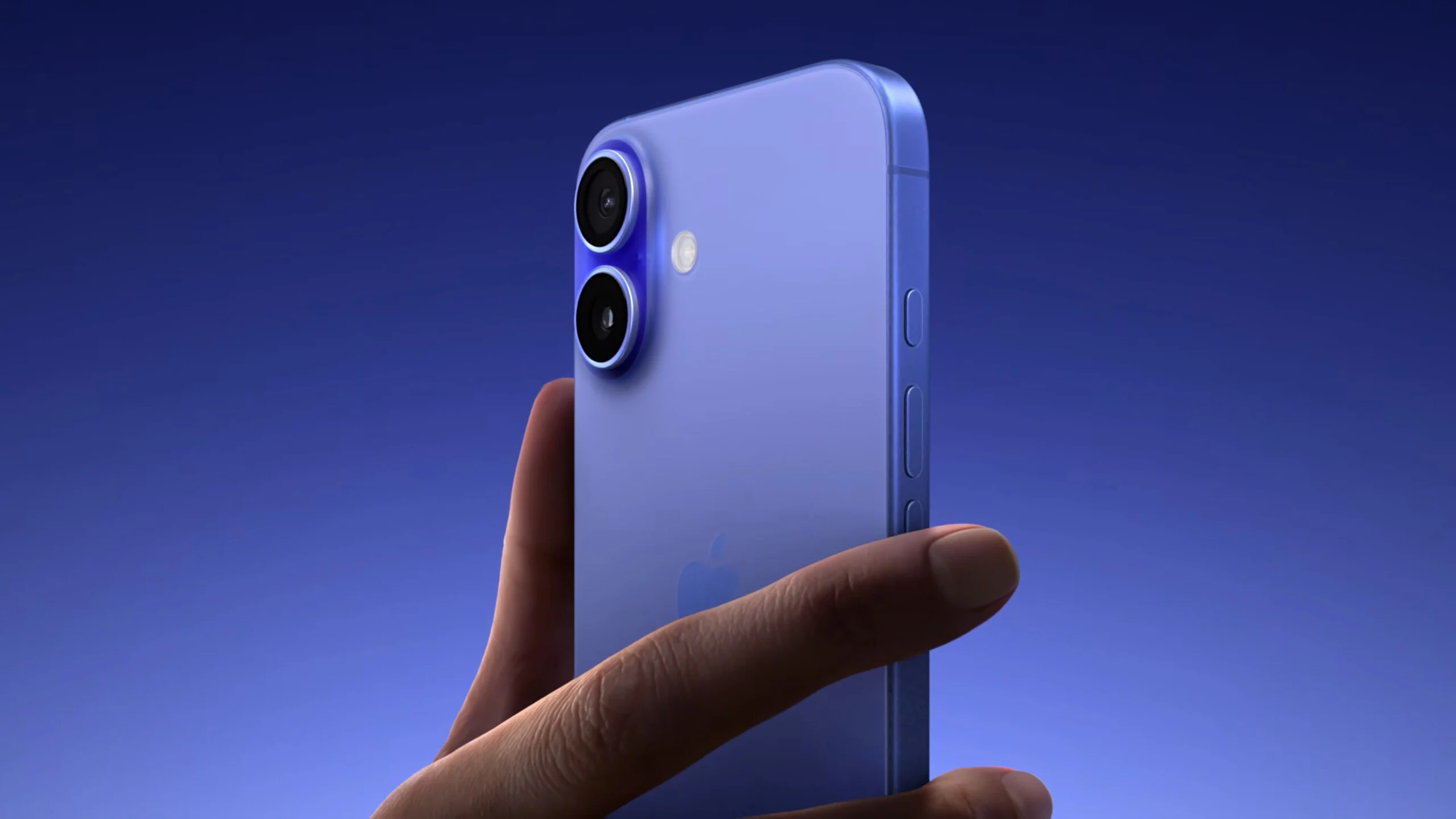
- Camera Control: One of the more surprising rumors was the addition of a dedicated "Capture" or "Camera Control" button. Critics argued that adding another physical button would increase manufacturing costs, making the $799 price point harder to hit. Apple managed to include this capacitive, sapphire-covered button, which revolutionized how users interacted with the camera system.
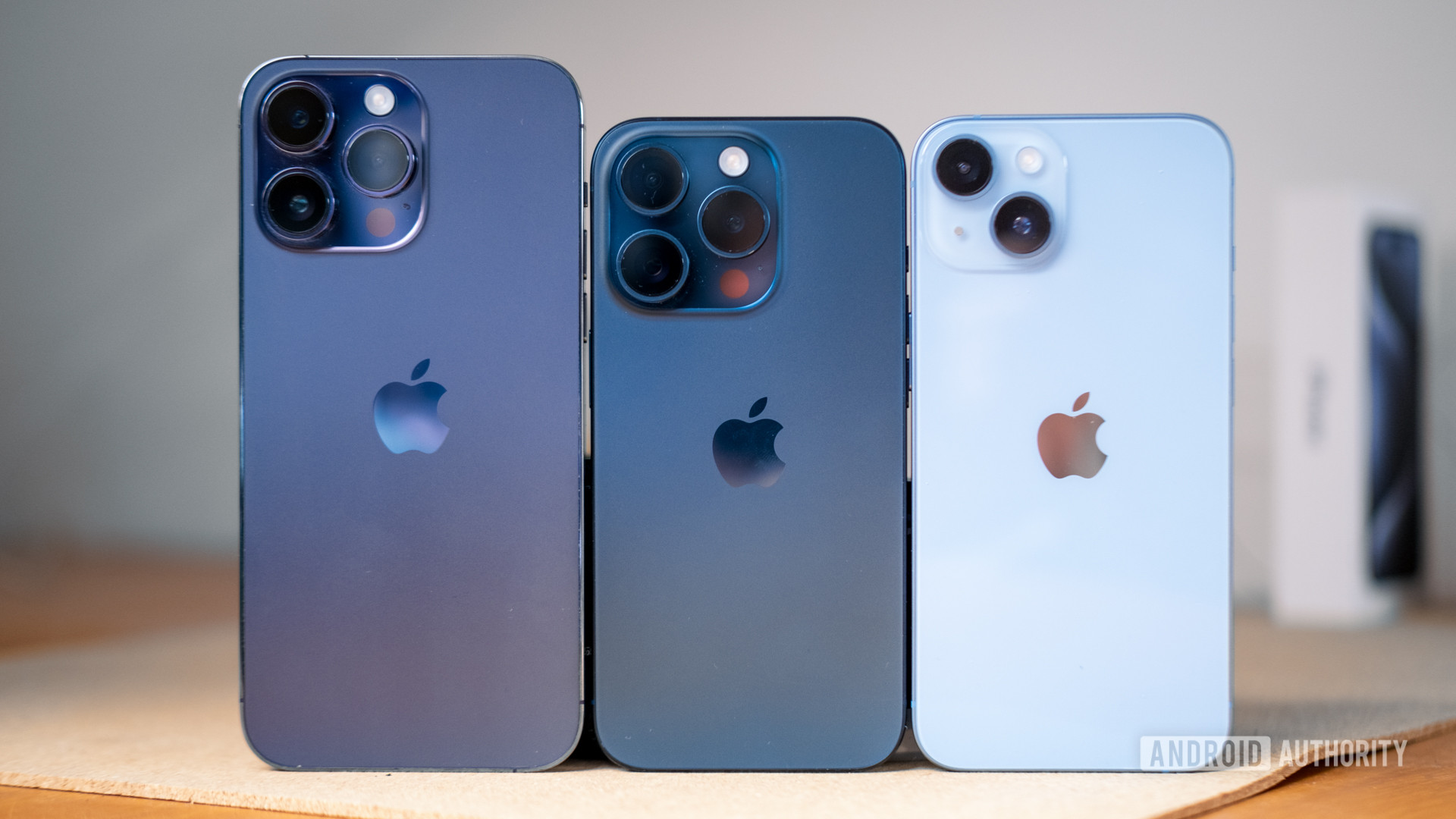
- Vertical Camera Layout: The rumors of a shift back to a vertical camera arrangement (reminiscent of the iPhone 12) were driven by a functional need: Spatial Video. For the $799 iPhone 16 to support the Apple Vision Pro ecosystem, the cameras needed to be aligned to record 3D video. This design change was a strategic move to ensure even the most affordable flagship could contribute to the Vision Pro's content library.
Comparison of Launch Specifications: Base Models
To understand why the $799 rumors were so heavily debated, it is helpful to look at how the iPhone 16 compared to its predecessor and the subsequent iPhone 17 (viewed from our 2026 perspective).
| Feature | iPhone 15 (2023) | iPhone 16 (2024) | iPhone 17 (2025) |
|---|---|---|---|
| Launch Price | $799 | $799 | $799 |
| Processor | A16 Bionic (4nm) | A18 (3nm) | A19 (3nm/2nm) |
| RAM | 6GB | 8GB | 12GB |
| Display | 60Hz Super Retina XDR | 60Hz Super Retina XDR | 120Hz ProMotion |
| New Hardware | USB-C | Action Button, Camera Control | Slim Design, Under-display FaceID |
| AI Support | Limited / None | Full Apple Intelligence | Enhanced On-device LLMs |
| Camera Layout | Diagonal | Vertical (Spatial Video) | Vertical / Integrated |
Why the $799 Rumors Were Met with Skepticism
Industry analysts like Ming-Chi Kuo and firms like TrendForce often pointed to the narrowing margins Apple faced. In 2024, the global economy was still dealing with the tail-end of inflationary pressures on raw materials. There were three main reasons why a price hike to $849 or $899 was widely expected:
1. Thermal Management Upgrades
Rumors indicated that the iPhone 16 would feature a new thermal design, including a larger graphite sheet and potentially a metal battery casing to combat the heat generated by intensive AI processing. These specialized materials are more expensive to source and assemble than the traditional cooling solutions found in the iPhone 15.
2. Display Substrate Improvements
There were rumors that Apple would use more efficient OLED materials (M14 from Samsung) to improve brightness and longevity. While this improved the user experience, it added to the bill of materials. Skeptics wondered if Apple would pass this cost to the consumer. Ultimately, Apple reserved the M14 substrate for the Pro models, allowing the base iPhone 16 to remain at $799 using a slightly older but still high-quality OLED tech.
3. Market Differentiation
Usually, Apple maintains a $200-$300 gap between the base and Pro models. With the iPhone 16 getting the A18 chip, the Action Button, and Camera Control, some argued the "Standard" model was getting too close to the Pro. Raising the price to $849 would have been an easy way to push more customers toward the $999 Pro model. By staying at $799, Apple prioritized the "on-ramp" to their services and AI ecosystem over pure hardware upselling.
The 2026 Perspective: Was the $799 iPhone 16 a Good Value?
Looking back from 2026, the $799 iPhone 16 is remembered as one of the most stable "long-term" investments in the iPhone's history. Because it was the first base model to feature 8GB of RAM, it has remained compatible with modern iOS features much longer than the iPhone 15, which was orphaned by the Apple Intelligence rollout.
In the current secondary market of 2026, a refurbished iPhone 16 holds its value remarkably well. It represents the "floor" for a functional, AI-capable modern smartphone. Users who bought into the $799 rumors in 2024 and purchased the device on launch day have enjoyed a device that feels surprisingly modern even two years later, thanks largely to the A18 chip's efficiency.
Troubleshooting and Common Pre-Purchase Questions
When the $799 rumors were circulating, potential buyers had several concerns regarding what they might be "losing" by not seeing a price increase.
Does the $799 price mean a smaller battery?
No. Rumors and subsequent teardowns confirmed that Apple actually increased battery capacity slightly in the iPhone 16 compared to the 15. The $799 price was maintained through manufacturing efficiencies and a shared component architecture with the Pro models, not by cutting battery size.
Is the 128GB base storage sufficient at this price?
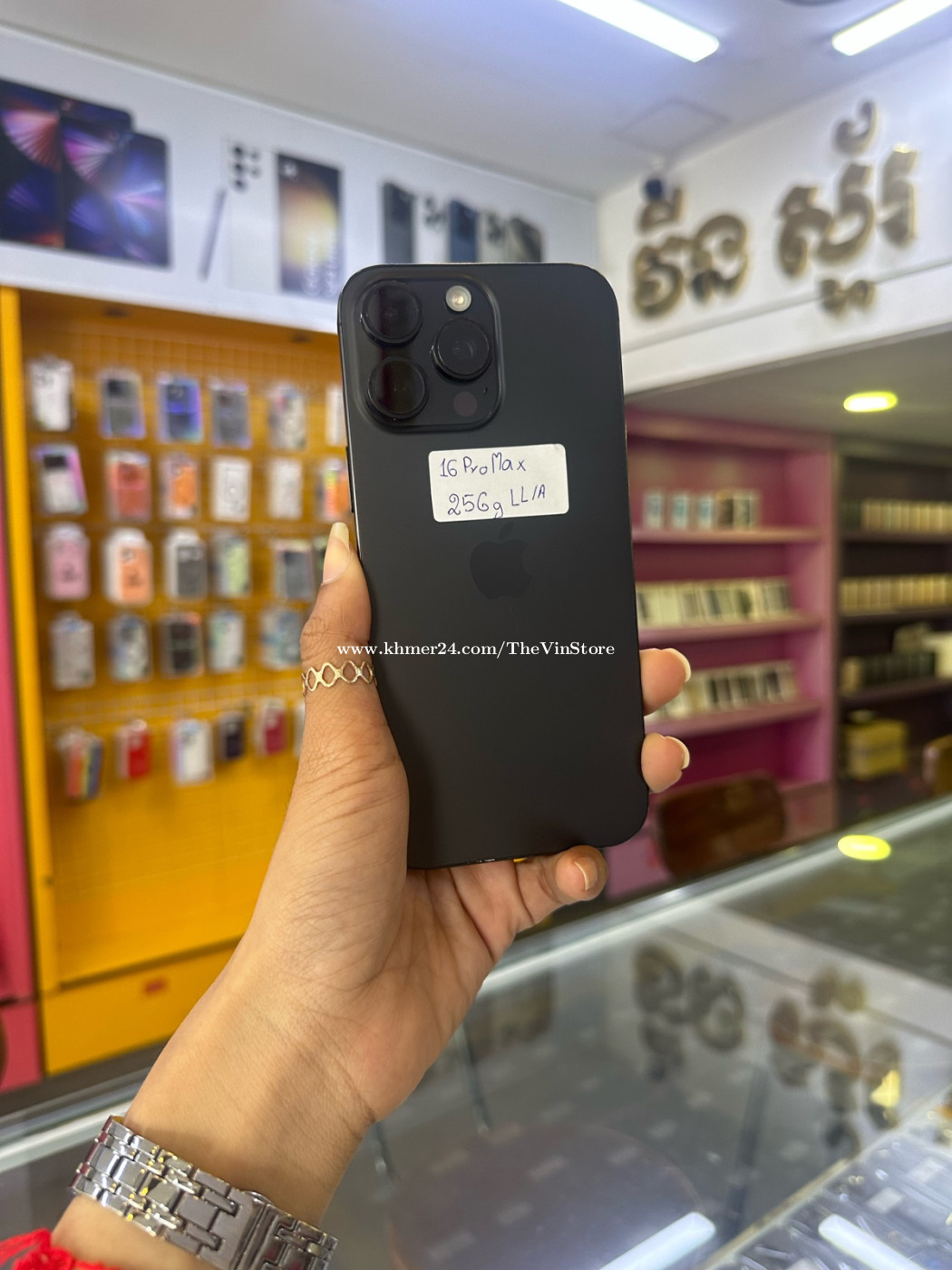
This was a major point of contention. While the price stayed at $799, the storage also stayed at 128GB. In 2024, many felt this was a hidden cost, as AI models and Spatial Video files quickly consume space. By 2026, 128GB is considered the absolute bare minimum, and most experts recommend that those buying used or refurbished iPhone 16 models look for the 256GB variant.
How does the $799 model handle heat compared to the Pro?
While the rumors of improved thermals were true, the base iPhone 16 lacks the advanced titanium-aluminum hybrid frame found in the Pro models. Under heavy AI workloads or high-end gaming, the $799 model may throttle performance slightly earlier than the Pro, though it remains significantly cooler than the iPhone 15.
Frequently Asked Questions
Was the $799 iPhone 16 rumor true?
Yes. Despite widespread speculation that Apple would raise the price due to the costs of the A18 chip and 8GB of RAM, the iPhone 16 launched at $799. This continued Apple's multi-year trend of holding the base flagship price steady in the United States.
Why did people think the iPhone 16 would cost more than $799?
The primary reasons were the increased cost of 3nm silicon and the necessity of 8GB of RAM for Apple Intelligence. Additionally, the inclusion of the Action Button and the new Camera Control button added hardware complexity that usually results in a higher retail price.
What were the biggest hardware upgrades in the $799 model?
The most significant upgrades included the A18 chip, a jump from 6GB to 8GB of RAM, the addition of the Action Button and Camera Control button, and a vertical camera arrangement that enables Spatial Video recording for the Apple Vision Pro.
Is the iPhone 16 still worth buying in 2026?
Yes, the iPhone 16 remains a highly capable device in 2026. Because it was the first base model built for Apple Intelligence, it supports almost all current iOS AI features. Its 8GB of RAM and A18 chip provide enough headroom for modern applications, making it a better value than older Pro models that lack AI support.
How did the $799 price affect the iPhone 16 Plus and Pro models?
By keeping the base model at $799, Apple was able to maintain the rest of the ladder: the iPhone 16 Plus at $899, the iPhone 16 Pro at $999, and the Pro Max at $1,199. This pricing structure has remained remarkably consistent, providing a predictable "good, better, best" choice for consumers.
Final Recommendation for 2026 Consumers
If you are looking at the iPhone 16 in 2026, whether as a new "budget" flagship or on the used market, the $799 launch price remains the benchmark for its value. It is the earliest model in the lineup that we recommend for full compatibility with the modern Apple ecosystem.
For those choosing between a used iPhone 15 Pro and a used iPhone 16 (both of which may hover around similar price points in 2026), prioritize the iPhone 16. While the 15 Pro has a 120Hz screen, the iPhone 16's A18 chip and native AI integration make it a more future-proof choice for the software landscape of 2026 and beyond. If you find a 256GB model at a price close to the original $799 launch MSRP of the 128GB version, it is considered an excellent deal in the current market.