Statins are widely prescribed medications used to lower low-density lipoprotein (LDL) cholesterol and reduce the risk of cardiovascular events such as heart attacks and strokes. While millions of patients take them safely and effectively, these drugs are not without side effects. Beyond the well-known muscle aches and liver enzyme elevations, several lesser-known, surprising adverse effects can impact a patient's quality of life and metabolic health, ranging from subtle cognitive changes to tendon complications and blood sugar fluctuations.
Introduction to Statin Therapy and Tolerability
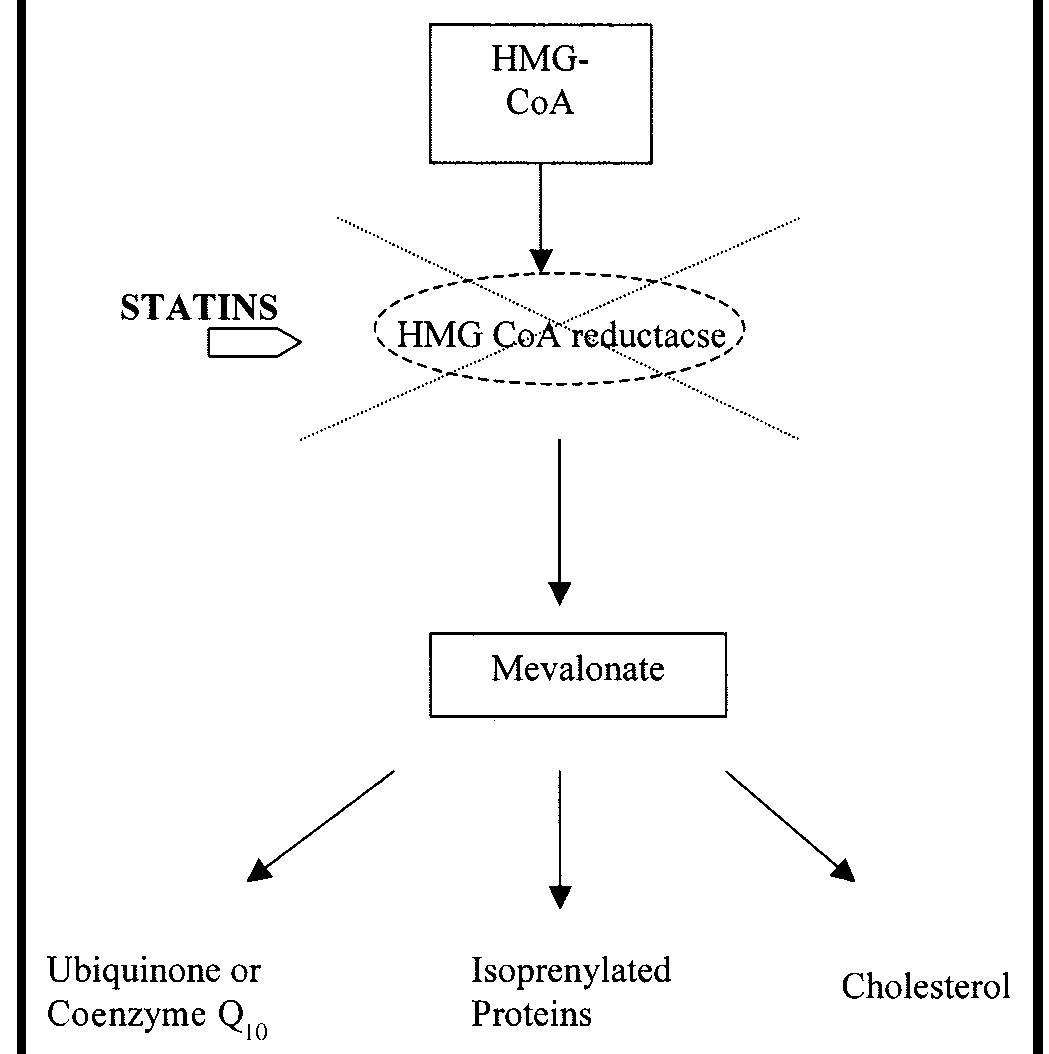
Statins—including atorvastatin, rosuvastatin, simvastatin, and pravastatin—function by inhibiting the HMG-CoA reductase enzyme, a critical step in the liver's production of cholesterol. By reducing hepatic cholesterol synthesis, the liver clears more LDL cholesterol from the bloodstream. For individuals with established cardiovascular disease, diabetes, or high lifetime cardiovascular risk, the benefits of statin therapy typically outweigh the risks.
However, medication adherence remains a significant clinical challenge. Up to 10% to 20% of patients report side effects that lead them to discontinue or reduce their dosage, often without consulting their prescribing physician. While classic symptoms like myalgia (muscle pain) receive considerable attention, healthcare providers and patients are increasingly recognizing a broader spectrum of adverse events. Understanding these surprising side effects helps patients differentiate between benign symptoms and significant physiological changes, fostering better communication with medical professionals.
(Note: The following information is for educational purposes. Any changes to prescription medication regimens should be discussed with a qualified healthcare provider.)
1. Subtle Cognitive Impairment and Memory Concerns
One of the most debated and surprising side effects reported by statin users involves cognitive function. Patients occasionally report symptoms such as memory loss, forgetfulness, confusion, or "brain fog" shortly after initiating treatment or increasing their dosage.
The Clinical Context and Regulatory Stance
The U.S. Food and Drug Administration (FDA) has noted reports of cognitive side effects associated with statins. These reports are typically rare, non-serious, and reversible upon discontinuation of the medication. The exact biological mechanism remains unclear, but researchers theorize that because cholesterol plays a vital structural role in the brain—forming cell membranes, supporting synapses, and facilitating neurotransmitter function—lowering systemic cholesterol or altering lipid pathways within the central nervous system may influence neural signaling in sensitive individuals.
Distinguishing Clinical Realities
It is important to separate subjective cognitive complaints from permanent neurological damage. Large-scale randomized controlled trials and observational studies have generally found no consistent evidence that statins cause long-term cognitive decline or dementia; in fact, some studies suggest potential protective benefits against vascular dementia due to improved cerebral blood flow. Nevertheless, if a patient experiences sudden, unexplained memory lapses or confusion while on a statin, a thorough clinical evaluation is necessary to rule out other medical causes, drug interactions, or alternative neurological conditions.
2. New-Onset Type 2 Diabetes and Glycemic Shifts
While statins are primarily prescribed to protect the cardiovascular system, clinical trials have revealed a modest increase in the risk of developing type 2 diabetes, particularly in patients who already possess baseline risk factors for metabolic syndrome.
Understanding the Metabolic Link
The elevation in blood glucose levels is generally small, translating to minor increases in hemoglobin A1c values over time. The mechanism behind this phenomenon is complex. Statin therapy can subtly decrease insulin sensitivity in peripheral tissues and impair insulin secretion by pancreatic beta cells to a minor degree. Furthermore, intracellular cholesterol depletion can alter glucose transporter protein translocation.
Risk-Benefit Stratification
Despite the slight increase in glycemic risk, cardiovascular risk reduction calculators consistently show that the absolute benefit of preventing a major cardiovascular event (such as a fatal heart attack) far outweighs the risk of developing type 2 diabetes for high-risk patients. For individuals with prediabetes, managing lifestyle factors—such as maintaining a balanced diet, engaging in regular physical activity, and monitoring blood glucose levels—allows patients to safely continue their cardioprotective statin regimen while mitigating metabolic risks.
3. Tendon Pain and Tendinopathy Complications
While skeletal muscle myalgia is widely recognized, statins can also target connective tissues, specifically tendons. Patients occasionally present with persistent pain, stiffness, or inflammation in tendons, most notably the Achilles tendon.
Mechanisms Involving Connective Tissue
Tendons are composed primarily of extracellular matrix proteins, including collagen, which rely on a stable cellular environment. Statin-induced mitochondrial dysfunction and oxidative stress within tenocytes (tendon cells) can impair collagen synthesis and structural repair. Consequently, micro-traumas to tendons from daily physical activity may take longer to heal, leading to chronic tendinopathy or, in rare cases, an increased risk of tendon tears.
Differentiating Muscle vs. Tendon Pain
Differentiating between muscular myalgia and tendinopathy is crucial for proper management. Muscle pain typically presents as bilateral aches or weakness in large muscle groups (such as the thighs or calves), whereas tendon pain is localized sharply around joints and insertion points, often worsening with movement or weight-bearing. Physicians may recommend temporary dose adjustments, alternative statins with different lipophilic properties, or physical therapy to manage tendon-related symptoms.
4. Gastrointestinal Disturbances and Microbiome Shifts
Gastrointestinal symptoms are frequently dismissed as minor inconveniences, but statins can trigger a variety of digestive complaints that extend beyond simple upset stomachs.
Common and Uncommon GI Manifestations
Patients commonly report nausea, dyspepsia, abdominal cramps, flatulence, constipation, or diarrhea upon starting statin therapy. While many of these symptoms resolve within the first few weeks as the body adjusts, persistent gastrointestinal distress can severely impact daily life.
Impact on the Gut Microbiome
Emerging research indicates that statins possess antimicrobial properties that can alter the composition of the human gut microbiome. Because the gut microbiota plays a vital role in metabolism, immune function, and systemic inflammation, drug-induced shifts in microbial populations may contribute to both localized digestive symptoms and broader metabolic changes. Probiotic integration, dietary modifications, or switching between hydrophilic (water-soluble) and lipophilic (fat-soluble) statins can often alleviate these gastrointestinal side effects.
5. Immune-Mediated Necrotizing Myopathy (IMNM)
Although extremely rare, immune-mediated necrotizing myopathy represents one of the most severe and surprising adverse effects associated with statin use. Unlike common myalgia, which resolves after stopping the medication, IMNM is an autoimmune condition where the body's immune system continues to attack muscle tissue even after the drug is discontinued.
Pathology and Clinical Presentation
In IMNM, exposure to statins triggers the production of antibodies against 3-hydroxy-3-methylglutaryl-coenzyme A reductase (anti-HMGCR antibodies). This results in profound muscle weakness, particularly in the proximal muscles (hips and shoulders), accompanied by markedly elevated creatine kinase (CK) blood levels.
Diagnosis and Treatment
Because simple discontinuation does not halt the progression of IMNM, accurate diagnosis through blood antibody testing and muscle biopsies is essential. Treatment requires aggressive immunosuppressive therapy, such as corticosteroids and other immunomodulating agents, under the care of a rheumatologist or neurologist. Recognizing this rare condition early prevents long-term disability and ensures appropriate specialized medical intervention.
| Adverse Effect | Common Presentation | Typical Onset | Reversibility / Management |
|---|---|---|---|
| Cognitive Impairment | Forgetfulness, brain fog, mild confusion | Weeks to months after initiation | Generally reversible upon stopping or switching statins |
| Glycemic Shifts | Minor increases in blood glucose or HbA1c | Months to years of continuous therapy | Managed via lifestyle modifications and blood sugar monitoring |
| Tendinopathy | Localized joint/tendon pain (e.g., Achilles) | Variable; often associated with physical activity | Addressed via dose reduction, physical therapy, or alternative agents |
| GI Disturbances | Nausea, bloating, altered bowel habits | Days to weeks after starting medication | Often resolves spontaneously; managed with dietary changes |
| IMNM | Severe proximal muscle weakness, very high CK | Rare; can appear after prolonged use | Requires specialized immunosuppressive therapy and medical supervision |
Frequently Asked Questions
Are all statins equally likely to cause these adverse effects?
No. Statins vary in their chemical properties, specifically their lipophilicity (fat-solubility) and how they are metabolized by liver enzymes (such as the CYP450 system). Lipophilic statins, like atorvastatin and simvastatin, cross cell membranes more easily and are sometimes associated with a higher incidence of muscle and cognitive complaints compared to hydrophilic statins, like pravastatin and rosuvastatin. A physician can select an alternative molecule if a patient experiences side effects.
What should I do if I experience muscle pain while taking a statin?
You should contact your prescribing healthcare provider immediately. Do not abruptly stop taking your medication without medical guidance, as doing so can rapidly increase your cardiovascular risk. Your doctor may order blood tests to check your creatine kinase levels, recommend a temporary pause in therapy, reduce your dosage, or switch you to a different statin or non-statin lipid-lowering medication.
Can supplements like CoQ10 prevent statin-related muscle side effects?
Coenzyme Q10 (CoQ10) is an antioxidant involved in cellular energy production that shares a metabolic pathway with cholesterol. Statins can lower blood levels of CoQ10, leading to the hypothesis that supplementation might prevent muscle aches. While some patients report relief, clinical trial results regarding the universal effectiveness of CoQ10 for statin myalgia remain mixed. Always consult your doctor before adding supplements to ensure they do not interact with other medications.
Do statin side effects disappear immediately after stopping the drug?
For most common side effects—such as mild muscle aches, gastrointestinal upset, or cognitive fogginess—symptoms typically subside within days to a few weeks after discontinuing the medication. However, in rare conditions like immune-mediated necrotizing myopathy (IMNM), symptoms persist and require active medical treatment and immunosuppressive therapy because the immune response continues independently of the drug's presence.
Can lifestyle changes replace statin therapy entirely?
For primary prevention in low-to-moderate risk individuals, lifestyle modifications—including a heart-healthy diet, regular aerobic and resistance exercise, smoking cessation, and weight management—can significantly improve lipid profiles. However, for individuals with established cardiovascular disease, genetic conditions like familial hypercholesterolemia, or very high 10-year cardiovascular risk scores, lifestyle interventions alone are often insufficient to achieve target LDL levels, making statin therapy a vital component of long-term survival.
Conclusion and Next Actions
Navigating statin therapy requires a balanced understanding of both their proven cardiovascular benefits and their potential adverse effects. While muscle soreness is the most widely discussed complaint, being aware of less common issues such as tendinopathy, subtle cognitive shifts, glycemic changes, and rare autoimmune reactions empowers patients to monitor their health proactively. If you experience any unusual symptoms while taking a statin, do not hesitate to consult your physician. Through open dialogue, personalized dosage adjustments, or alternative therapeutic approaches, you can maintain optimal cardiovascular health without compromising your overall well-being.