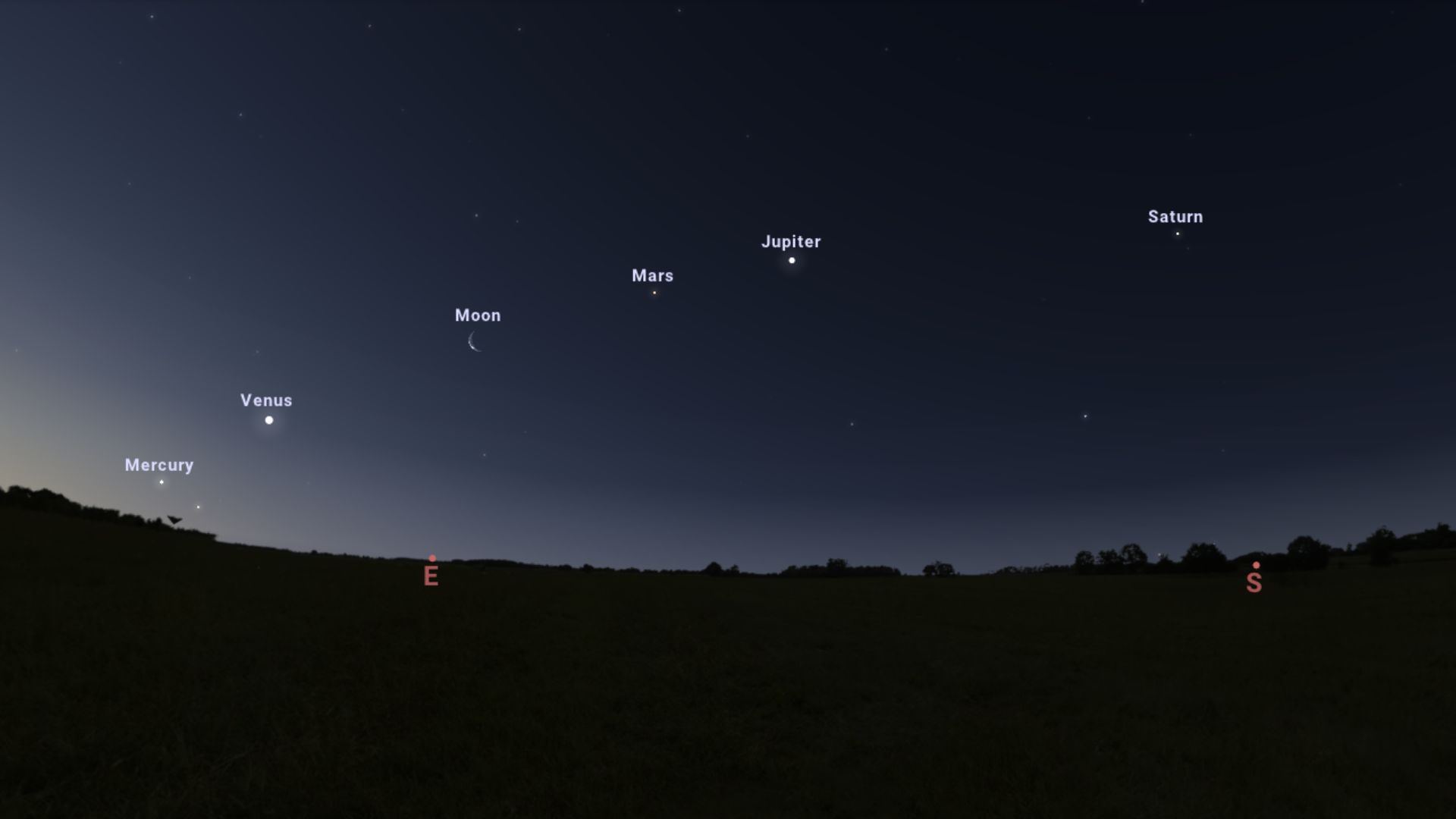
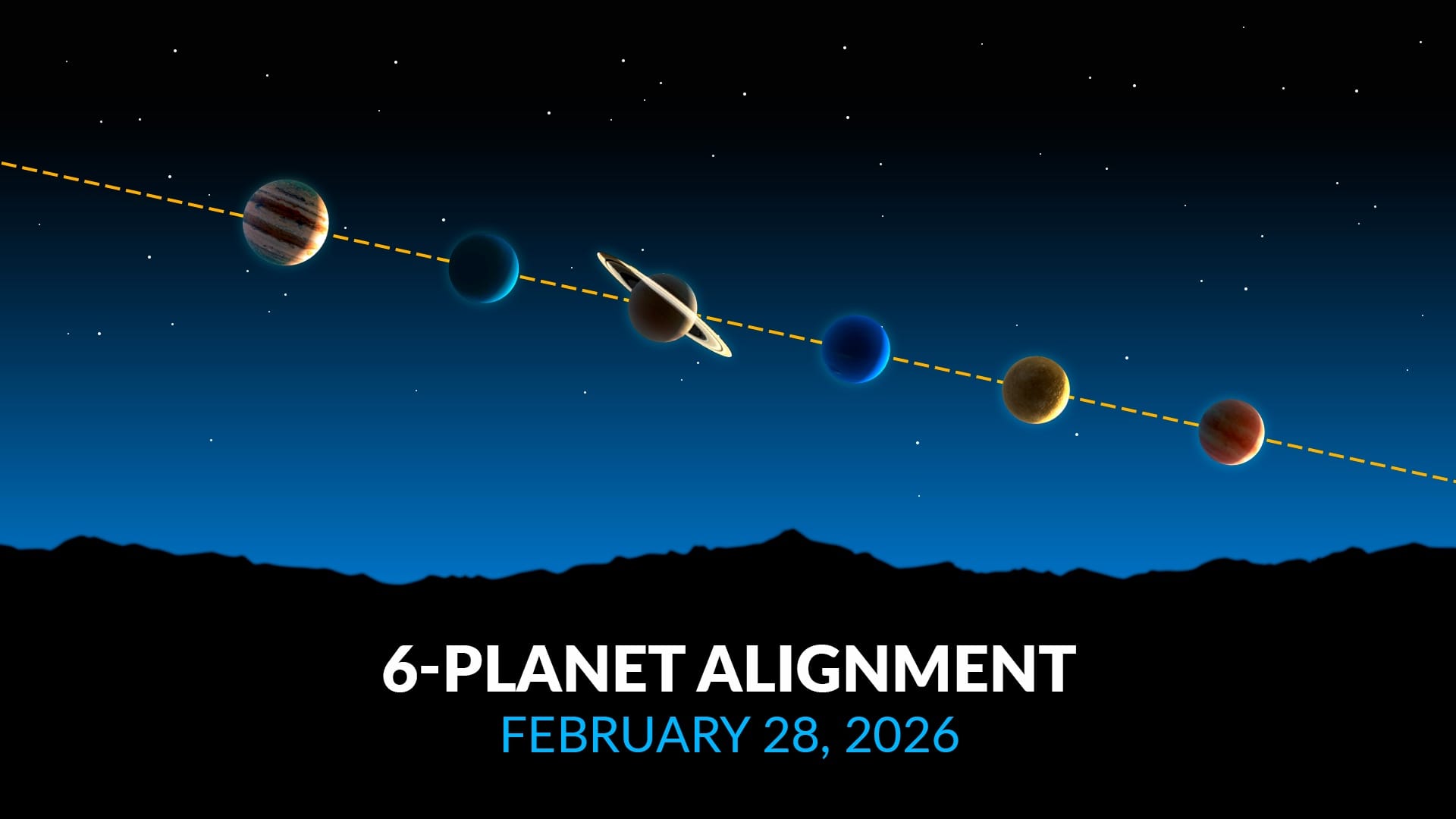
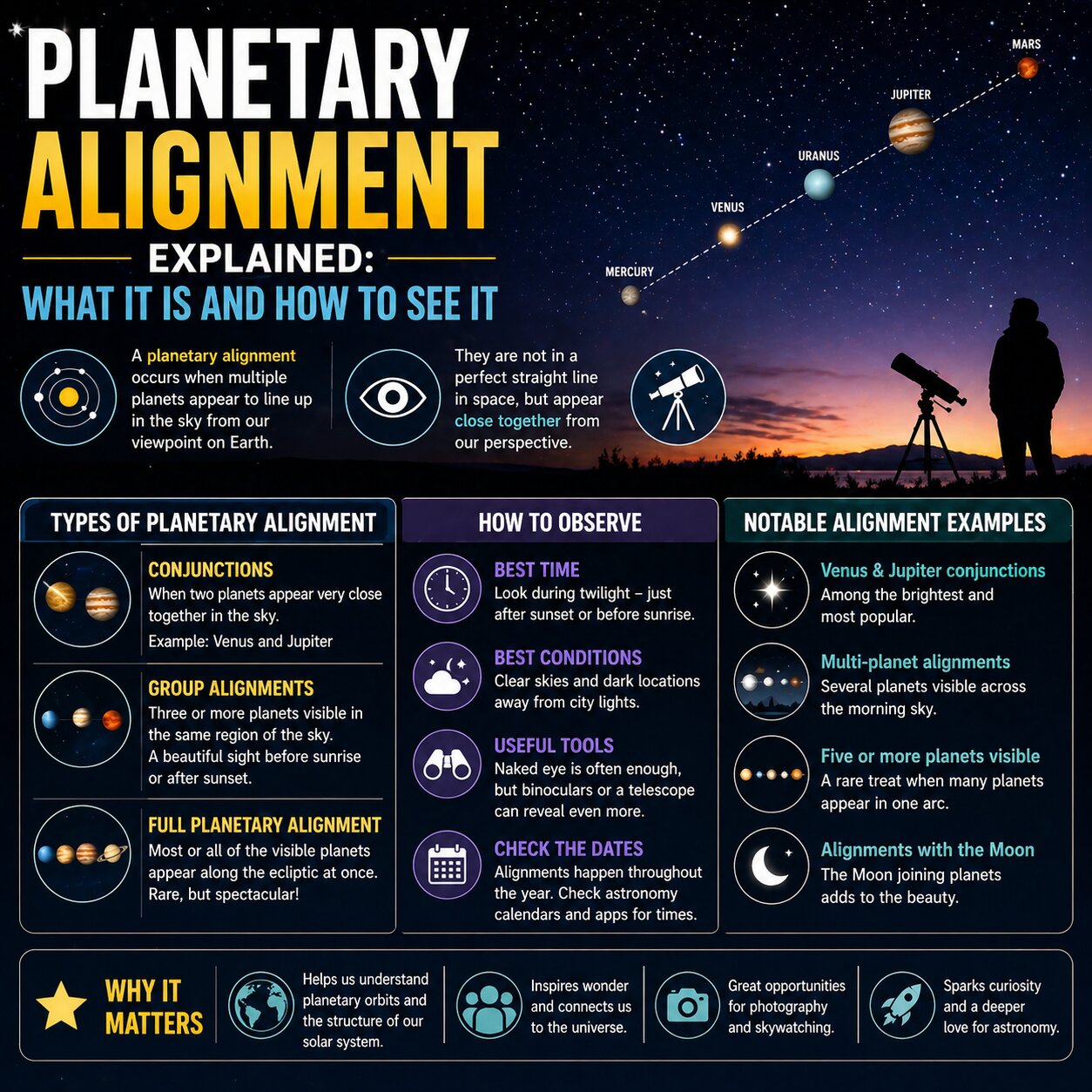
A 5-planetary alignment occurs when five planets—typically Mercury, Venus, Mars, Jupiter, and Saturn—cluster within a small sector of the sky as seen from Earth. This phenomenon, often called a "planetary parade," is a visual perspective effect where the planets' orbits bring them into temporary angular proximity along the ecliptic.
The year 2026 offers several unique opportunities for celestial observation, including significant alignments that capture the imagination of both amateur astronomers and professional researchers. While the term "alignment" suggests a straight line in space, these events are actually an optical illusion created by our vantage point within the solar system. In reality, the planets remain millions of miles apart, spread out across their respective orbital paths.
The Mechanics of a Planetary Alignment
To understand why a 5-planetary alignment is a noteworthy event, one must first understand the geometry of the solar system. All planets in our solar system orbit the Sun in roughly the same flat plane, known as the ecliptic. From our perspective on Earth, the Sun, Moon, and planets all appear to move along this narrow path across the sky.
A "planetary parade" happens when multiple planets reach the same side of the Sun at the same time. Because they are all traveling at different speeds—with Mercury racing around the Sun every 88 days while Saturn takes 29 years—it is statistically rare for five of them to occupy the same small "slice" of the sky simultaneously.
Visual vs. Spatial Alignment
There is a distinct difference between a visual alignment and a spatial one. A spatial alignment, where planets would form a perfectly straight line extending out from the Sun, is virtually impossible due to the slight tilts in planetary orbits. What we observe from Earth is a visual alignment, or a "conjunction" when it involves two objects, and a "planetary parade" when it involves three or more.
The tightness of the alignment is measured in degrees. If five planets are spread across 90 degrees of the sky, it is technically an alignment but less visually striking than when they are compressed within 20 or 30 degrees. The events of 2026 are particularly anticipated because of the brightness and favorable positioning of the inner and outer planets.
Key 2026 Planetary Alignments to Watch
As we move through 2026, several celestial gatherings provide excellent viewing opportunities. The most significant of these occurs in the spring, though smaller groupings happen throughout the year.
The Great Alignment of March 2026
The highlight of the 2026 astronomical calendar occurs in mid-March. During this period, an extraordinary gathering of planets becomes visible. While enthusiasts often focus on the "naked-eye" five (Mercury, Venus, Mars, Jupiter, and Saturn), this specific event actually includes almost all major planets in a wide arc.
For the purpose of a 5-planetary alignment, the week of March 13–20, 2026, is the primary window. During this time, Mercury, Venus, Mars, Jupiter, and Saturn will be positioned in a way that allows observers to trace the line of the ecliptic across the evening sky. Venus and Jupiter will be particularly brilliant, serving as the "anchor points" for the alignment.
Summer Groupings and Conjunctions
Following the major March event, the planets begin to disperse, but secondary alignments occur as the faster-moving inner planets catch up to the slower outer planets. In August 2026, a "mini-parade" involving Mars, Jupiter, and Saturn provides a beautiful morning display for those in the Northern Hemisphere. While not a full 5-planet event, these smaller groupings are often easier to photograph because the planets are closer together in the sky.
How to Observe a 5-Planetary Alignment
Observing a 5-planetary alignment requires more than just looking up; it requires timing, clear horizons, and an understanding of planetary magnitudes. Unlike stars, planets do not twinkle. They shine with a steady, reflected light from the Sun.
Essential Equipment and Conditions
While a 5-planetary alignment is a "naked-eye" event—meaning you do not need a telescope to see it—certain tools can enhance the experience:
- Binoculars: A pair of 10x50 binoculars will help you spot Mercury, which is often lost in the twilight glow, and allow you to see the four Galilean moons of Jupiter.
- Sky Mapping Apps: Tools like Stellarium or SkySafari are vital for identifying which "star" is actually Mars or Saturn.
- Clear Horizon: This is the most critical requirement. Mercury and Venus often sit very low on the horizon. If you have trees or buildings in the way, you may miss the alignment entirely.
- Dark Skies: While the major planets are bright enough to be seen from suburban areas, a dark-sky site will reveal the faint reddish hue of Mars and the golden tint of Saturn more clearly.
Viewing the Planets by Magnitude
The visibility of an alignment depends heavily on the "magnitude" (brightness) of the planets involved. In astronomy, lower numbers represent brighter objects.
| Planet | Typical Magnitude | Color Character | Observation Difficulty |
|---|---|---|---|
| Mercury | -0.1 to +1.5 | Pinkish/Grey | High (Always near Sun) |
| Venus | -3.9 to -4.5 | Brilliant White | Very Low (Brightest) |
| Mars | -2.0 to +1.8 | Reddish/Orange | Moderate (Varies by distance) |
| Jupiter | -2.0 to -2.9 | Creamy Yellow | Very Low (Very Bright) |
| Saturn | +0.0 to +1.0 | Golden/Pale Yellow | Moderate (Consistent) |
The Science of Orbital Resonance and Cycles
The frequency of these alignments is governed by the synodic periods of the planets. A synodic period is the time it takes for a planet to reappear in the same spot in the sky relative to the Sun, as observed from Earth.
For example, Jupiter and Saturn have a "Great Conjunction" roughly every 20 years. For Mercury to join that pair, it happens several times a year. However, for Mars and Venus to also align within that same narrow window, the mathematical probability drops significantly. This is why a 5-planetary alignment is often separated by several years or even decades in its most "compact" forms.
Researchers use these alignments to study the gravitational influences planets have on one another, though these effects are extremely localized. For the general public, the value lies in the rare opportunity to see the clockwork of the solar system laid bare.
Common Misconceptions About Planetary Alignments
When five planets align, it often sparks sensationalist claims or misunderstandings regarding the physical impact on Earth. It is important to separate astronomical facts from myths.
Gravitational Myths
A common myth is that the combined gravitational pull of five planets aligned in a row can cause earthquakes, tidal waves, or shifts in the Earth's axis. This is physically impossible. Even when aligned, the planets are so distant that their total gravitational effect on Earth is negligible. To put it in perspective, the Moon exerts far more gravitational influence on Earth than all the other planets combined, even when they are at their closest approach.
The "Straight Line" Illusion
As mentioned previously, the planets never form a literal straight line in three-dimensional space. If you were to look down on the solar system from above during a 5-planetary alignment, you would see the planets scattered at various points in their orbits. They only appear "aligned" because we are viewing them from a specific point (Earth) along a two-dimensional plane (the ecliptic).
Preparing for the March 2026 Event: Step-by-Step
To make the most of the 2026 5-planetary alignment, follow these preparation steps:
- Identify the Window: Mark March 13–20, 2026, on your calendar. The best time to view is typically 30 to 60 minutes after sunset or before sunrise, depending on the specific geometry of the alignment.
- Find a Vantage Point: Scout a location with an unobstructed view of the eastern and western horizons. A beach, a high ridge, or a large open field is ideal.
- Check the Weather: Use an astronomical weather app (like Clear Outside) to monitor cloud cover. Planetary alignments are fleeting, so one cloudy night can result in missing the peak.
- Chronological Identification: Start by locating the brightest object (usually Venus or Jupiter). Once you have found the brightest "anchors," look along the imaginary line connecting them to find the dimmer planets like Saturn and Mars. Mercury will be the most elusive, appearing as a tiny pinprick of light very close to the horizon.
- Use a Tripod for Photography: If you plan to capture the event, a steady tripod is essential for the long exposures needed to show the dimmer planets alongside the brighter ones.
The Significance of the Ecliptic Path
The 5-planetary alignment serves as a visual map of the ecliptic. When you see five planets stretched across the sky, you are literally looking at the "disk" of our solar system. This visualization helps observers understand the scale and orientation of our neighborhood in space.
During the 2026 events, the Moon will occasionally pass through the alignment. A crescent moon sitting near a 5-planet parade creates one of the most photogenic opportunities in astronomy. This usually happens over a 27-day cycle, so during a month-long alignment, there will be at least one or two nights where the Moon joins the "parade," adding a sixth brilliant object to the line.
Frequently Asked Questions
Is a 5-planetary alignment rare?
While 2 or 3 planets align relatively often, a 5-planetary alignment is considerably rarer, occurring once every few years. The "quality" of the alignment varies based on how close the planets appear to be and how many are visible to the naked eye. The 2026 event is considered high-quality due to the inclusion of the brightest planets in a single viewing window.
Can I see the 5-planetary alignment from any location?
Most major alignments are visible globally, but your latitude affects how high the planets appear in the sky. Some alignments favor the Northern Hemisphere, while others are better seen from the Southern Hemisphere. For the March 2026 event, observers at mid-northern latitudes will have a particularly good view of the primary planets after sunset.
Do I need a telescope to see the 5 planets?
No, a telescope is not required for a 5-planetary alignment. The five planets involved—Mercury, Venus, Mars, Jupiter, and Saturn—have been known since antiquity specifically because they are bright enough to be seen with the naked eye. However, a telescope will allow you to see details like Saturn’s rings or Jupiter’s cloud bands while you are observing the alignment.
What is the difference between a planetary alignment and a parade?
In common usage, these terms are interchangeable. However, "alignment" often implies a more technical astronomical event, whereas "planetary parade" is a more descriptive term used by the media and educators to describe the visual beauty of multiple planets appearing together.
How long does the 5-planetary alignment last?
An alignment is not a single-night event. Because planets move relatively slowly across the sky, a 5-planetary alignment can be visible for several days or even weeks. However, the "peak"—the moment when they are at their closest angular proximity—usually only lasts for a few nights.
Summary of Action for 2026 Observers
To witness the 5-planetary alignment in 2026, focus your efforts on the month of March. Begin observing the evening sky shortly after sunset starting March 10th. Look for the brilliant "star" that is Venus in the west, and use it as your starting point to scan for the other four planets along the ecliptic path. By mid-month, the arrangement will be at its most symmetrical.
For the best experience, move away from city lights and use a stargazing app to confirm your sightings. Whether you are a seasoned astronomer or a casual observer, the 2026 planetary parade offers a profound moment of connection with the larger solar system, reminding us of our place within a complex, moving celestial clock.