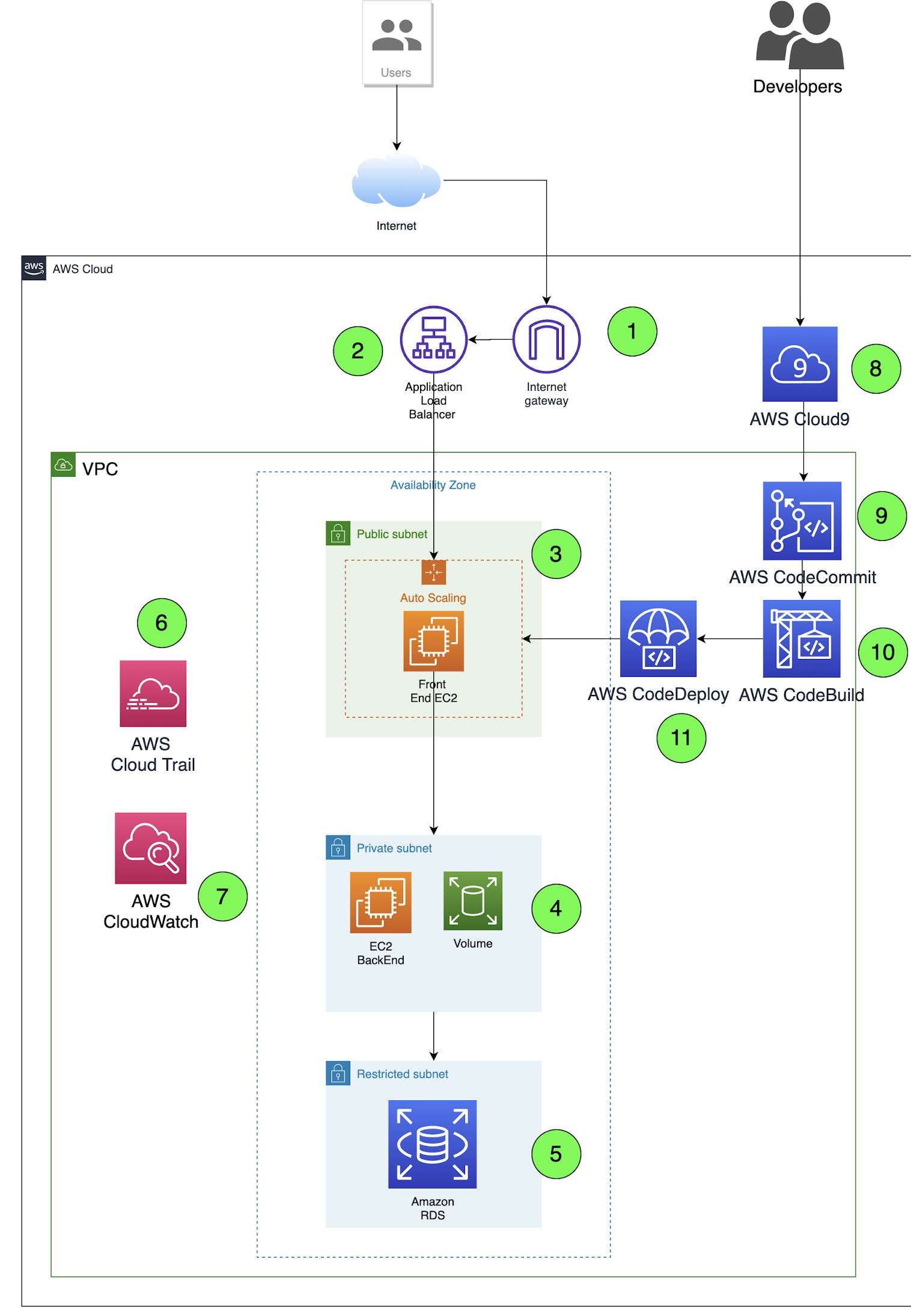
Cloud security performance reviews evaluate how effectively professionals manage, protect, and optimize cloud environments against evolving threats. In 2026, these reviews focus on a combination of technical proficiency in automated security platforms, strategic alignment with Zero Trust principles, and the ability to maintain compliance across multi-cloud architectures.
The transition to decentralized, AI-driven cloud infrastructures has fundamentally changed the criteria for excellence in cybersecurity. Annual performance evaluations for cloud security professionals now require more than just a list of completed tickets; they demand a nuanced look at proactive risk mitigation, the efficiency of security automation, and the integration of security into the DevOps lifecycle (DevSecOps).
Whether you are a manager preparing for a quarterly review or a professional drafting a self-assessment, having concrete examples is essential. These examples help quantify contributions that are often invisible when systems are running smoothly. The following three examples cover the primary roles in a modern cloud security department: the Engineer, the Architect, and the Compliance Analyst.
The Evolving Landscape of Cloud Security Performance in 2026
As of 2026, the baseline for cloud security has shifted. We no longer treat the cloud as a static perimeter to be guarded; instead, it is a dynamic ecosystem of ephemeral resources. Performance reviews must reflect this reality. Evaluators are looking for mastery over Cloud-Native Application Protection Platforms (CNAPP), Identity and Entitlement Management (CIEM), and AI-augmented threat detection.
Security is no longer a "no" department. High performers are those who enable the business to move faster by building "guardrails" rather than "speed bumps." This means a shift from manual configuration to Infrastructure as Code (IaC) security and automated remediation. When reviewing performance, metrics like Mean Time to Remediate (MTTR) and the percentage of automated security interventions have become the gold standards of success.
Example 1: The Cloud Security Engineer (Technical Implementation)
The Cloud Security Engineer is on the front lines. Their performance is judged by their ability to implement security controls, manage tools, and respond to incidents within the cloud environment. In 2026, this role heavily emphasizes automation and the security of the CI/CD pipeline.
Core Performance Metrics
- Automation Coverage: The percentage of cloud security findings that are resolved via automated scripts without manual intervention.
- Pipeline Security: The successful integration of "Shift Left" security tools (like static and dynamic analysis) into development workflows.
- Incident Response Efficacy: Accuracy and speed in triaging alerts generated by AI-driven monitoring systems.
Performance Review Phrasing: Exceeds Expectations
"During this review period, [Name] demonstrated exceptional technical leadership by migrating our legacy manual firewall rules to a fully automated, version-controlled Infrastructure as Code (IaC) model. By developing custom Python scripts and utilizing Terraform, they successfully implemented a self-healing mechanism for our AWS and Azure environments. This resulted in a 40% reduction in Mean Time to Remediate (MTTR) for high-severity misconfigurations. Furthermore, [Name] took the initiative to mentor junior staff on the new Cloud Infrastructure Entitlements Management (CIEM) tool, leading to a significant decrease in over-privileged identities across our production clusters."
Goal Setting for the Next Period
For the upcoming year, the focus for an engineer should be on maturing the AI-driven threat hunting capabilities. A specific goal might be: "Implement an automated threat modeling framework that analyzes 100% of new microservices deployments before they reach the production stage."
Example 2: The Cloud Security Architect (Strategy and Design)
The Cloud Security Architect focuses on the big picture. Their performance review centers on the robustness of the overall security posture, the scalability of the security design, and the alignment of technical architecture with business goals.
Core Performance Metrics
- Architecture Resilience: The absence of architectural single points of failure in the cloud environment.
- Cost Optimization: The ability to secure the cloud environment without bloated spending on redundant or unused security features.
- Zero Trust Maturity: Progress made toward achieving a full Zero Trust architecture, including micro-segmentation and continuous verification.
Performance Review Phrasing: Meets Expectations
"[Name] has been instrumental in the design and rollout of our 2026 Multi-Cloud Security Strategy. They successfully architected a centralized logging and monitoring hub that aggregates telemetry from both our GCP and AWS instances, providing a single pane of glass for the SOC team. Their design for the new Zero Trust Network Access (ZTNA) solution has reduced our reliance on traditional VPNs, improving both our security posture and the remote user experience. While [Name] consistently delivers high-quality designs, there is an opportunity to improve the speed of the architecture review process for new business units to prevent project bottlenecks."
Goal Setting for the Next Period
A strategic goal for an architect often involves cross-departmental collaboration: "Collaborate with the Chief Data Officer to design and implement an automated data classification and protection scheme that covers 100% of sensitive cloud-resident data by Q4."
Example 3: The Cloud Security Compliance and Risk Analyst (Governance)
The Compliance and Risk Analyst ensures that the cloud environment stays within the legal and regulatory "lines." Their performance is measured by audit success, risk assessment accuracy, and the effectiveness of policy enforcement.
Core Performance Metrics
- Audit Readiness: The ability to produce evidence for SOC2, GDPR, or industry-specific audits within 48 hours.
- Policy Violation Frequency: The trend of policy drift and the speed at which unauthorized changes are flagged and corrected.
- Risk Mitigation ROI: The cost-effectiveness of the controls recommended versus the potential impact of the risks identified.
Performance Review Phrasing: Exceeds Expectations
"[Name] has transformed our compliance department from a reactive unit into a proactive powerhouse. This year, they led the implementation of a continuous compliance monitoring tool that tracks our posture against NIST 800-53 standards in real-time. This eliminated the need for 'audit crunch time' and allowed us to pass our annual SOC2 Type II audit with zero findings. [Name] also conducted a comprehensive risk assessment of our third-party SaaS integrations, identifying and remediating three high-risk vulnerabilities that could have led to unauthorized data egress. Their ability to translate complex regulatory requirements into actionable technical requirements for the engineering team is a major asset to the company."
Goal Setting for the Next Period
Focusing on the 2026 regulatory environment, a goal might be: "Develop and implement a Governance, Risk, and Compliance (GRC) automation workflow that integrates directly with our Jira environment to provide developers with real-time feedback on compliance requirements during the sprint planning phase."
Comparative Summary of Cloud Security Roles
The following table compares the key evaluation areas and performance indicators for the three roles discussed above.
| Feature / Metric | Cloud Security Engineer | Cloud Security Architect | Compliance & Risk Analyst |
|---|---|---|---|
| Primary Focus | Technical implementation and automation. | Strategic design and integration. | Governance, risk, and legal adherence. |
| Key Performance Indicator | Mean Time to Remediate (MTTR). | Security Posture Maturity Score. | Audit Success Rate & Policy Drift. |
| Tool Mastery | IaC, CI/CD Security, CNAPP. | ZTNA, Multi-cloud fabrics, CASB. | GRC Tools, CSPM, Data Discovery. |
| Typical 2026 Project | Developing auto-remediation scripts. | Designing Zero Trust frameworks. | Implementing continuous compliance. |
| Business Value | Operational efficiency and uptime. | Long-term risk reduction and agility. | Legal safety and trust. |
Key Metrics (KPIs) for Cloud Security Reviews
To make any performance review effective, it must be grounded in data. In the 2026 cloud landscape, subjective feedback should be supported by the following Key Performance Indicators (KPIs):
- Mean Time to Detect (MTTD): How long does it take for a security event to be identified? A high performer uses AI tools to keep this under minutes.
- Mean Time to Remediate (MTTR): Once a threat is detected, how long does it take to neutralize it? For engineers, this is the definitive metric of technical skill.
- Policy Drift Index: How often do cloud configurations deviate from the established security baseline? Low drift indicates strong governance and architectural oversight.
- Security Debt: The accumulation of known but unpatched vulnerabilities or misconfigurations. Tracking the reduction of security debt is essential for assessing the long-term health of the cloud.
- Cost of Security vs. Value Protected: A more advanced metric used for senior roles to evaluate if the security measures are proportionate to the value of the assets they protect.
Common Mistakes in Evaluating Cloud Security Professionals
Managers often fall into traps when reviewing technical cloud security roles. Avoiding these mistakes ensures a fairer and more productive evaluation process:
- Focusing on "No News is Good News": Just because there hasn't been a major breach doesn't mean the security team is performing well. They could be lucky, or they could be missing silent intrusions. Evaluation should be based on proactive measures, not the absence of a disaster.
- Overemphasizing Certifications: While certifications (like CCSP or CISSP) are valuable, they do not always equate to on-the-job performance in a specific, proprietary cloud stack. Prioritize project outcomes and metric-based successes over a growing list of acronyms.
- Ignoring Soft Skills: In 2026, cloud security is a team sport. An engineer who is a technical genius but cannot communicate the "why" of a security block to the development team creates friction that slows the business down.
- Neglecting the "Blast Radius": Evaluating a professional based on the number of patches applied is less effective than evaluating how they reduced the "blast radius" of a potential compromise through micro-segmentation and identity least-privilege.
Frequently Asked Questions
How do I measure the performance of a cloud security professional if we haven't had any incidents?
Measurement should shift to proactive "readiness" metrics. This includes the frequency and success rate of "Red Team" simulations, the percentage of assets covered by automated scanning, the speed of vulnerability patching, and the accuracy of asset inventories. A high-performing team is one that can prove they are secure, rather than just claiming they haven't been caught yet.
What are the most important certifications to look for in a 2026 cloud security review?
While foundational certifications remain relevant, 2026 reviews prioritize platform-specific advanced certifications (such as AWS Certified Security – Specialty or Microsoft Certified: Cybersecurity Architect Expert) and niche certifications in AI security, DevSecOps automation, and Zero Trust implementation.
How should AI be addressed in a performance review for cloud security?
Performance reviews in 2026 must evaluate how a professional uses AI to enhance their work and how they secure the company’s own AI implementations. Questions should include: Has the individual successfully tuned AI-based anomaly detection to reduce false positives? Have they implemented "Prompt Injection" defenses for internal LLMs? Performance is now tied to "AI fluency."
How do you quantify "soft skills" in a highly technical cloud security role?
Soft skills are quantified through cross-functional feedback and project delivery timelines. For example, if a security architect successfully persuaded the engineering team to adopt a more secure coding practice without delaying the product launch, that is a quantifiable win. Peer reviews from non-security departments are essential here.
What is the role of cost management in a cloud security performance review?
In 2026, cloud security is also about efficiency. A professional who secures the cloud but doubles the cloud bill with inefficient logging or expensive, redundant tools may be viewed as needing improvement. Performance is increasingly tied to "FinSecOps"—the ability to deliver maximum security at an optimal cost.
Practical Recommendations for Next Steps
To implement these performance review examples effectively, organizations should first ensure they have the necessary telemetry to back up the claims.
- Update Job Descriptions: Ensure that current job descriptions reflect the 2026 realities of multi-cloud and AI. If the job description is outdated, the performance review will be too.
- Implement Continuous Feedback: Don't wait for the annual review. Use automated dashboards that track the KPIs mentioned above (MTTR, Drift, etc.) so that professionals can see their performance in real-time.
- Encourage Cross-Training: The best cloud security professionals understand the "other side" of the cloud. Encourage security engineers to take dev courses and vice versa. Use this as a performance metric for professional growth.
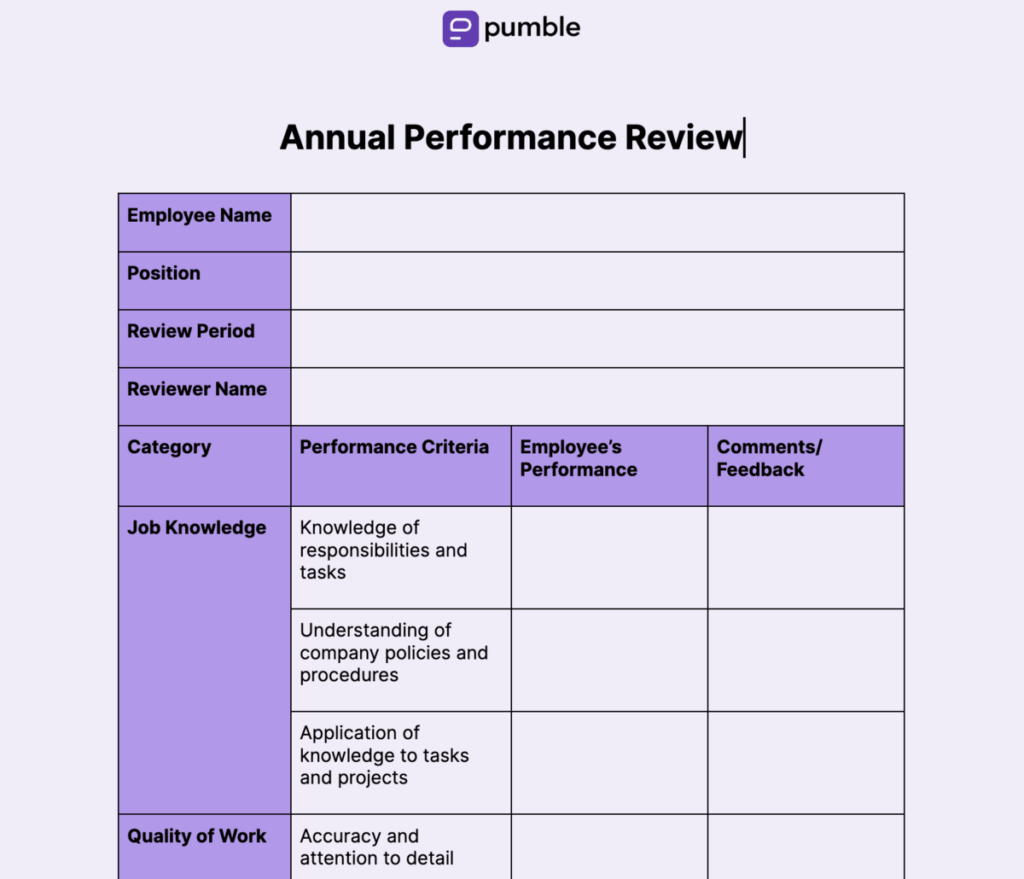
- Standardize the Template: Use a consistent template that balances technical achievements, strategic impact, and cultural contribution. This ensures that every member of the cloud security team, regardless of their specific role, is held to the same high standards of excellence.