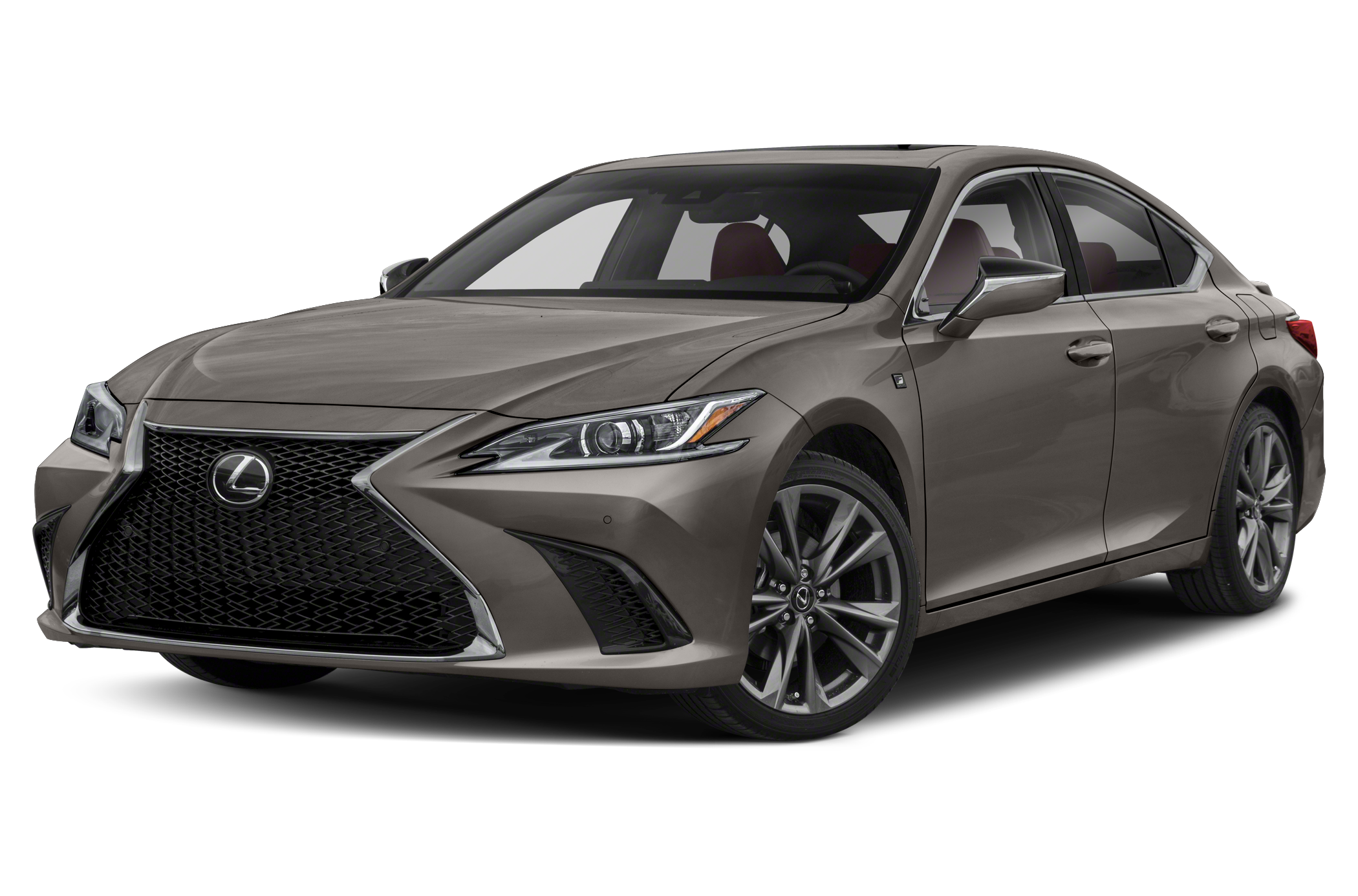
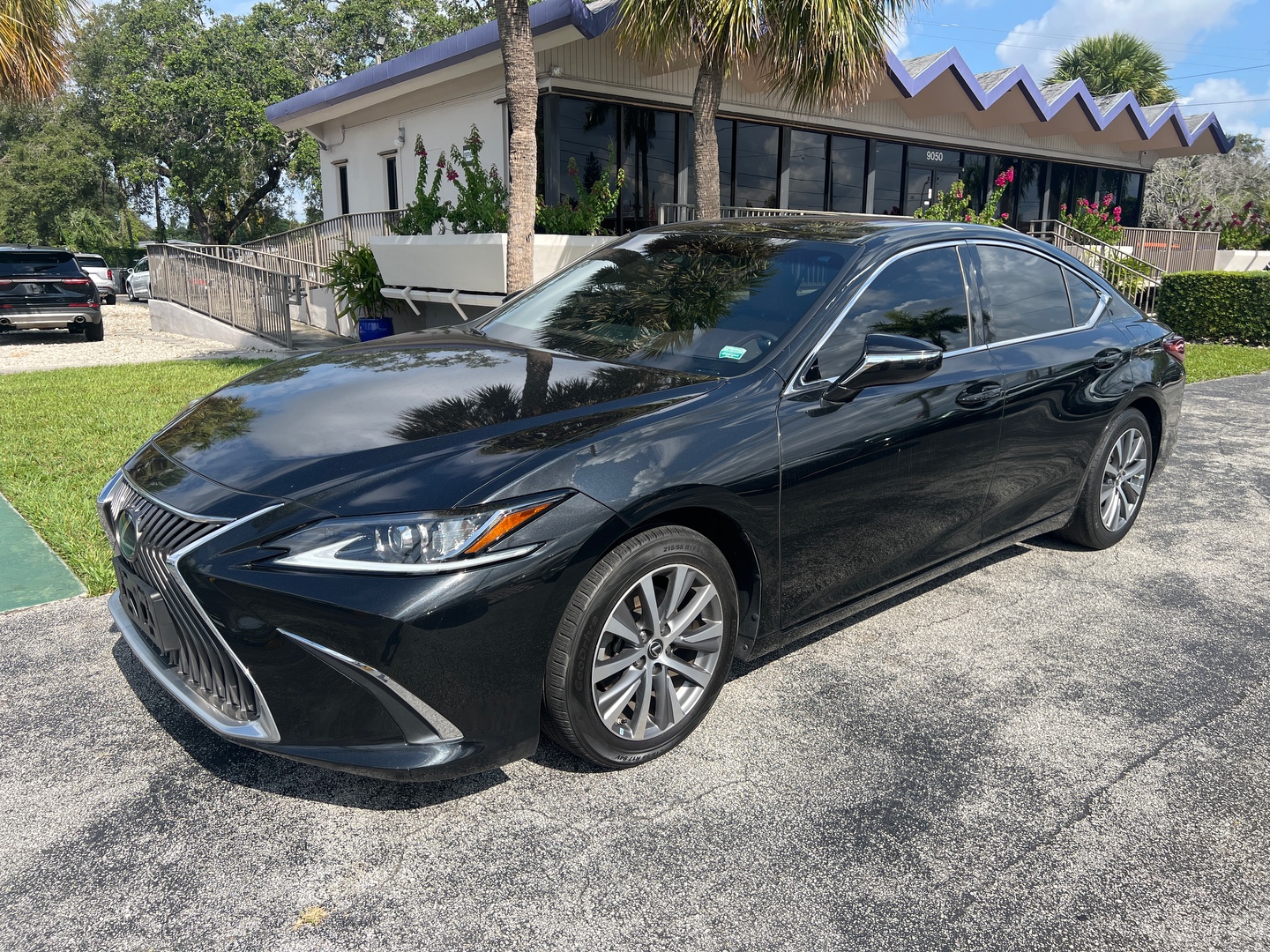
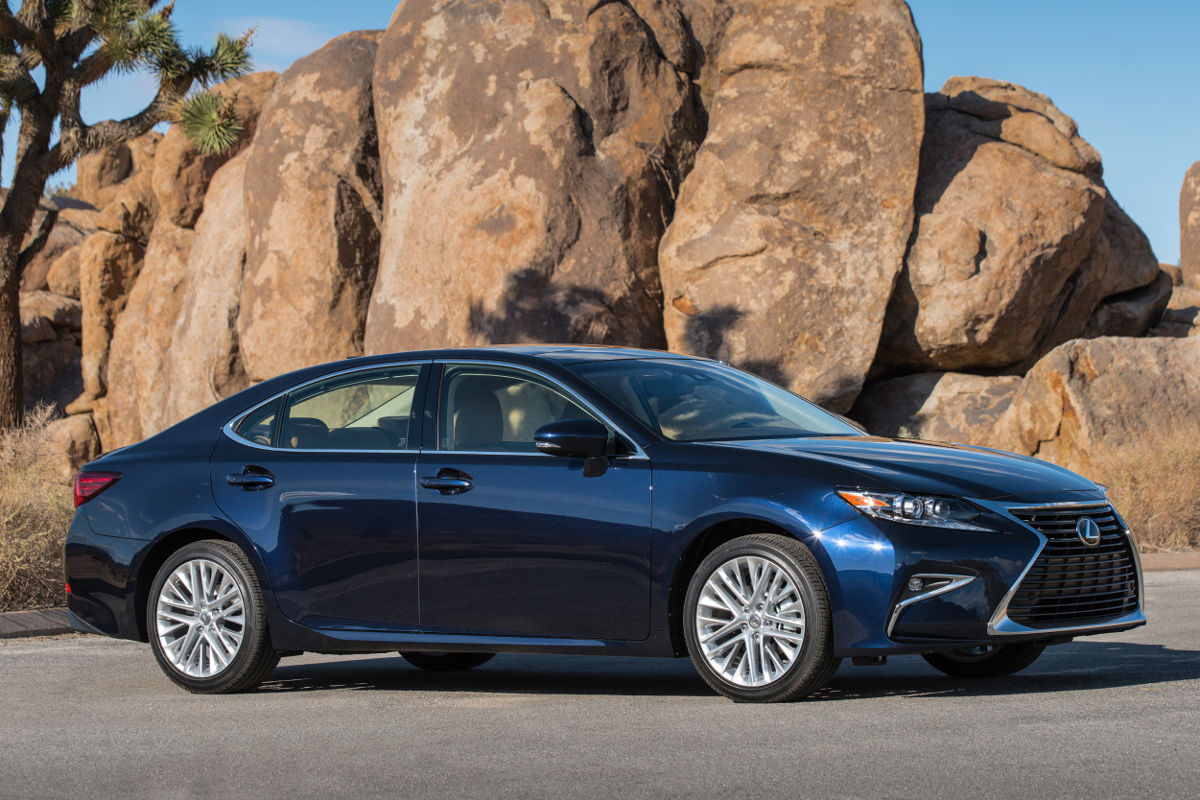
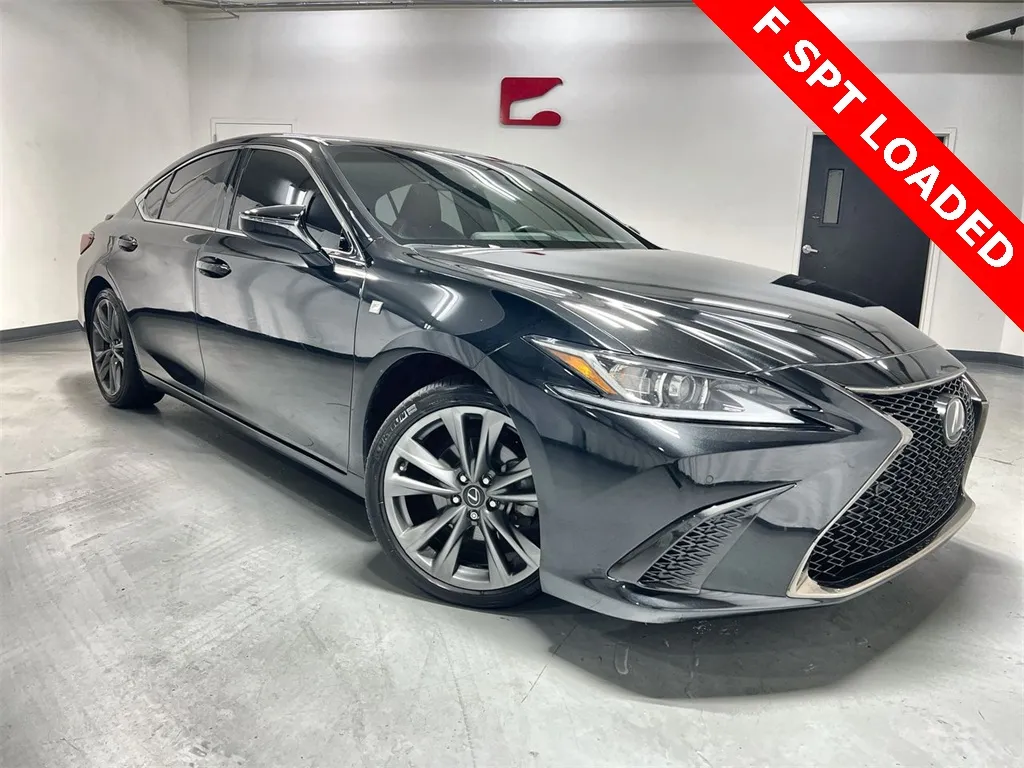
The 2021 Lexus ES 350 reaches 0-60 mph in approximately 6.1 to 6.6 seconds, depending on driving conditions and testing methodology. Interestingly, the F Sport variant does not provide a mechanical performance advantage in terms of straight-line acceleration; it features the same 3.5-liter V6 engine and transmission as the standard ES 350, meaning its 0-60 time remains statistically identical.
Understanding the 2021 Lexus ES 350 Powertrain
To understand why the performance metrics for these two trims align, one must look at the mechanical heart of the vehicle. The 2021 Lexus ES 350 is powered by a 3.5-liter naturally aspirated V6 engine (the 2GR-FKS). This engine produces 302 horsepower and 267 lb-ft of torque. Power is delivered to the front wheels via an 8-speed Direct-Shift automatic transmission.
The architecture remains consistent across all 2021 ES 350 trim levels, including the base, Luxury, Ultra Luxury, and the F Sport. Because the engine output and the gear ratios in the transmission are identical across the entire lineup, the vehicle's ability to launch from a standstill is inherently limited by the same physical constraints. Variations in 0-60 times reported in the media are generally attributed to surface conditions, fuel quality, traction control interventions, and the ambient temperature at the time of testing rather than internal mechanical differences between the trims.
The F Sport Disambiguation: Style vs. Performance
A common misconception among luxury sedan buyers is that the "F Sport" badge denotes a significant increase in engine power or acceleration. In the context of the 2021 Lexus ES 350, the F Sport package is primarily an aesthetic and handling-focused upgrade rather than a powertrain modification.
The F Sport trim adds distinct visual elements, such as a unique mesh grille, a rear spoiler, 19-inch alloy wheels, and specialized bolstered seats. Beneath the surface, the F Sport includes an Adaptive Variable Suspension (AVS). While this system improves the car’s poise in corners and allows the driver to select different damping profiles, it does not alter the torque curve or the acceleration curve of the V6 engine. Buyers interested in the F Sport should view it as a refinement of the vehicle's driving dynamics and road manners rather than a path to faster straight-line speeds.
Performance Benchmarking: Data and Variables
When analyzing 0-60 times, it is essential to distinguish between manufacturer claims and independent testing. Lexus officially estimates the 2021 ES 350 will accomplish the 0-60 sprint in approximately 6.6 seconds. However, automotive publications, utilizing specialized equipment, often record times closer to 6.1 or 6.2 seconds under ideal conditions.
| Trim Level | Engine | Transmission | Est. 0-60 mph |
|---|---|---|---|
| ES 350 Base | 3.5L V6 | 8-Speed Auto | 6.1 – 6.6s |
| ES 350 Luxury | 3.5L V6 | 8-Speed Auto | 6.1 – 6.6s |
| ES 350 F Sport | 3.5L V6 | 8-Speed Auto | 6.1 – 6.6s |
| ES 350 Ultra Luxury | 3.5L V6 | 8-Speed Auto | 6.1 – 6.6s |
The minor variance in these times is typically a result of "real-world" testing. Factors such as the weight of the driver, the amount of fuel in the tank, tire pressure, and tire compound—especially since some trim levels may come with different tire configurations—can cause fluctuations of a few tenths of a second. The F Sport’s 19-inch wheels, while visually striking, add negligible weight compared to the standard 17-inch or 18-inch wheels, which reinforces why the acceleration profile remains unchanged.
The Role of Adaptive Variable Suspension (AVS)
While the AVS does not improve the 0-60 time, it does influence how the driver perceives acceleration. When set to "Sport S+" mode, the suspension firms up to reduce body roll during acceleration. While this provides a more engaging sensory experience, it does not translate to a faster stopwatch reading.
For drivers who frequent winding roads or desire a more connected feel to the pavement, the F Sport’s handling improvements provide value that a base model cannot replicate. The system continuously adjusts damping force based on road conditions and driving inputs, ensuring that power is transferred to the ground efficiently. However, because the front-wheel-drive architecture of the ES 350 can be prone to torque steer under heavy acceleration, the AVS functions more as a stabilizer for chassis movement rather than a tool to improve launch speed.
Practical Considerations for Buyers
If your primary motivation for selecting the F Sport over the base or Luxury trims is to achieve a superior 0-60 time, you may want to reevaluate your priorities. The 2021 Lexus ES 350 is engineered as a grand touring sedan—a vehicle meant for long-distance comfort, sound isolation, and reliability.
If you find that 6.1 seconds is insufficient for your driving preferences, the performance gap between the various 2021 ES 350 trims is non-existent. You would instead need to look toward the Lexus IS or the GS series (if available in your secondary market) or consider the LS models if you require a higher power-to-weight ratio. Conversely, if you prioritize the comfort-oriented features of the Ultra Luxury trim, you will not be sacrificing acceleration performance, as it remains on par with the entire V6 lineup.
Common Myths About Trim-Level Performance
- "The F Sport has a sport-tuned engine." Correction: The engine mapping and internal components are identical to the base model.
- "Larger wheels on the F Sport make the car faster." Correction: In many cases, larger wheels increase unsprung weight, which can theoretically hinder acceleration, though the impact on the ES 350 is minimal.
- "Sport mode changes the engine's horsepower." Correction: Sport mode primarily adjusts transmission shift points, steering weight, and suspension damping; it does not increase the engine's output.
FAQ: Addressing Performance Queries
Does the F Sport trim offer faster transmission shifts? No, the transmission logic is consistent across the 2021 lineup. While Sport mode may hold gears longer to keep the engine in the power band, the physical speed of the shift remains the same as other trims.
Is there a difference in fuel efficiency between the F Sport and standard ES 350? The fuel economy remains effectively the same across all 350 trims, as they share the same powertrain and aerodynamic profile. You should expect an EPA-estimated 22 mpg city and 32 mpg highway regardless of the trim.
Does the F Sport have different brakes? The F Sport uses the same braking hardware as the rest of the ES 350 line. The main differences are purely aesthetic, such as the appearance of the calipers, but the stopping power is uniform across all V6 models.
Why do some reviews show different acceleration times? Variations in 0-60 times are almost always due to testing methodology (e.g., using a 1-foot rollout vs. a dead stop), weather conditions, and tire tread life. It is standard for different professional testers to report different results for the exact same vehicle.
Should I choose the F Sport for performance reasons? You should choose the F Sport if you prefer a sharper steering feel, a firmer ride quality, and more aggressive interior/exterior styling. If your goal is purely straight-line speed, no trim in the 2021 ES 350 lineup provides a performance advantage over the others.
Next Steps for Enthusiasts
If you are currently evaluating a 2021 Lexus ES 350, the best way to verify your own performance preference is a test drive of both the standard and F Sport trims on your local roads. Note the difference in the steering feedback and the ride compliance rather than attempting to gauge acceleration, as the latter will be identical. Ensure the vehicle you select has been maintained according to the Lexus service schedule, as proper engine health—specifically air filter condition and spark plug integrity—will have a more significant impact on your actual 0-60 times than the trim level badge.