Securing a 2018 Havasupai Falls permit required navigating a brand-new online reservation system that permanently replaced the decades-old phone-in booking method, introducing mandatory online accounts, strict transfer rules, and immediate sell-out conditions for visitors seeking access to the remote waterfalls of the Grand Canyon.
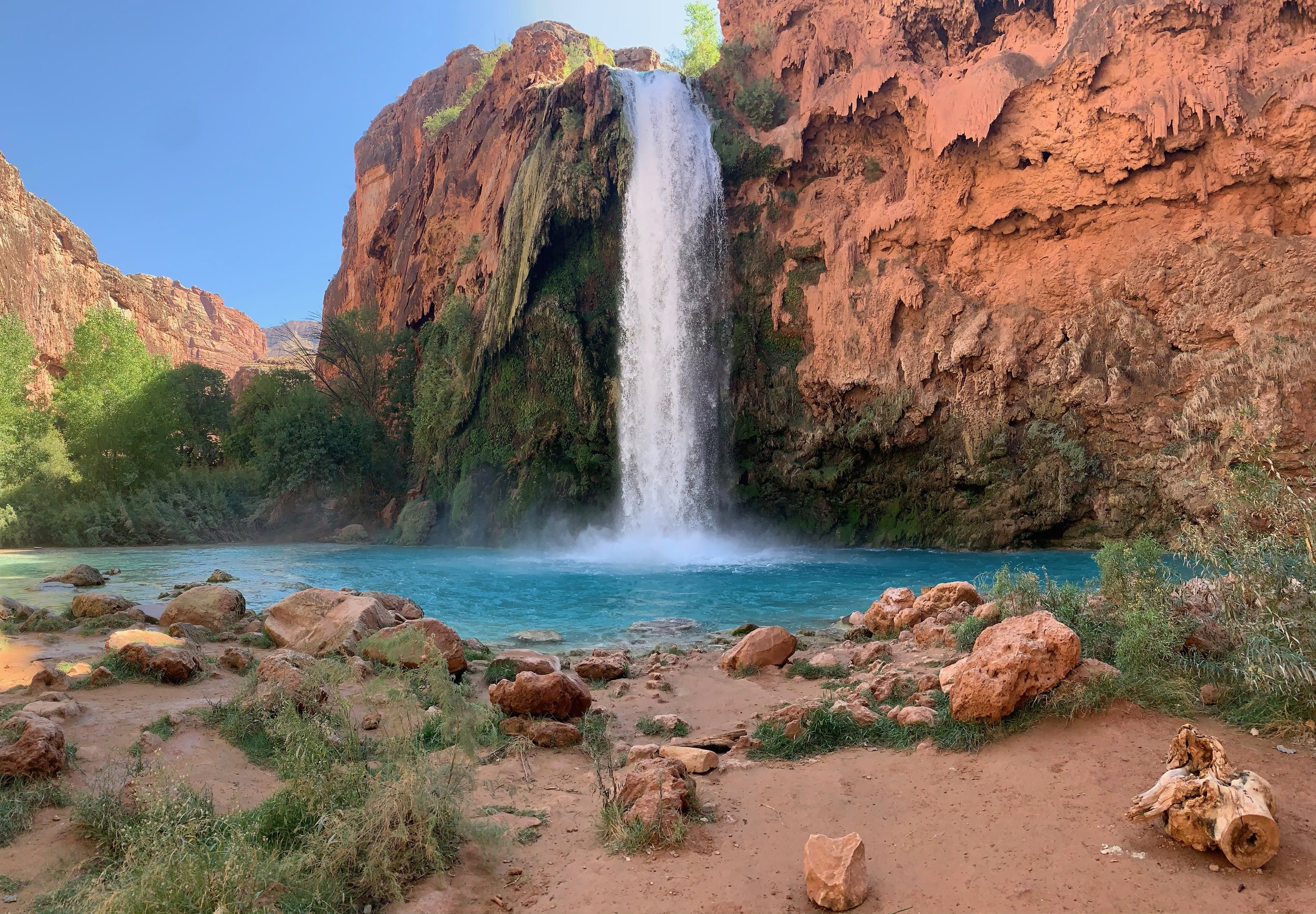
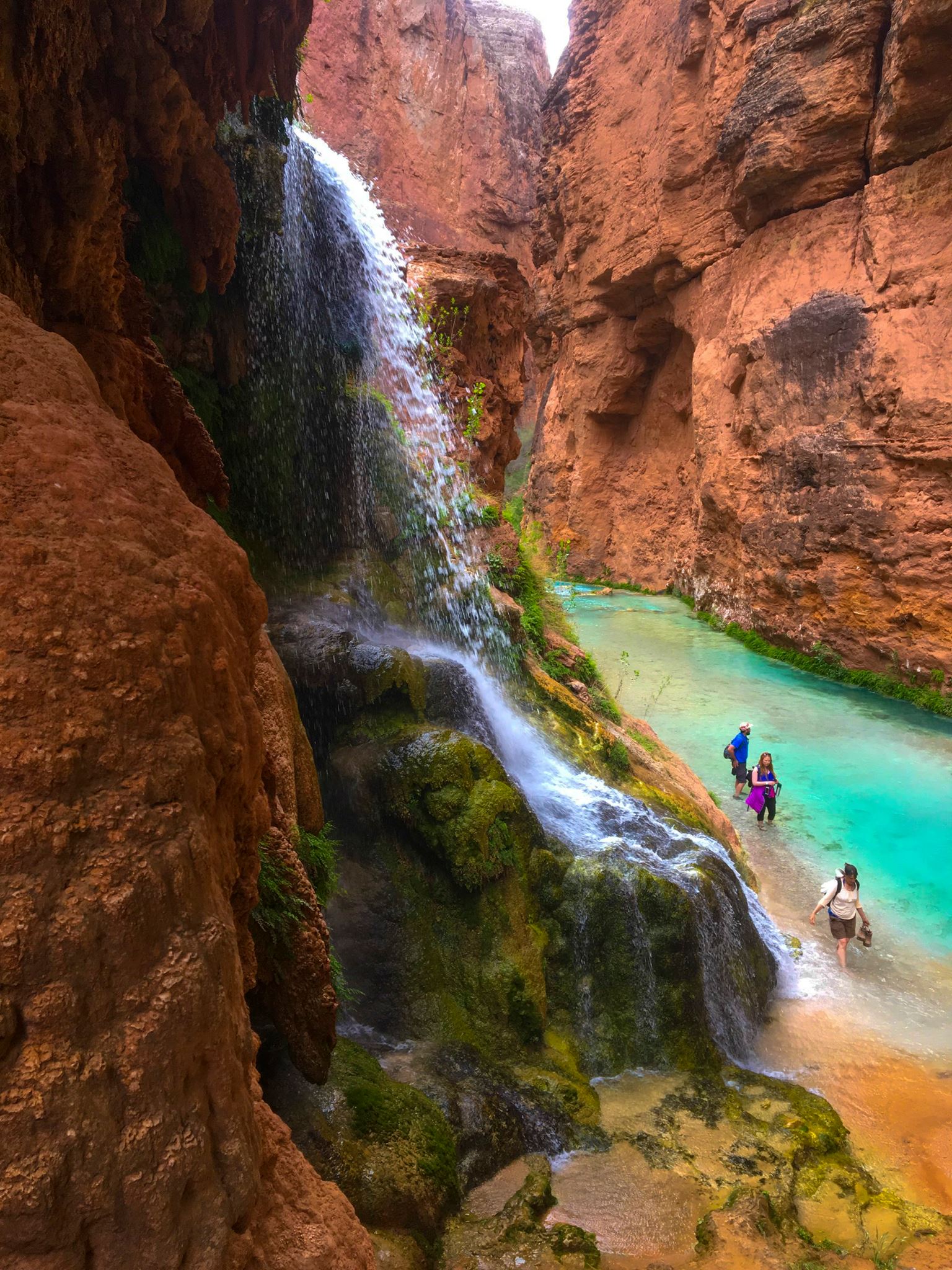
The Havasupai Indian Reservation, nestled deep within a side canyon of the Grand Canyon in Arizona, has long drawn travelers from around the world. Famous for its striking blue-green waters and dramatic travertine waterfalls—including Havasu Falls, Mooney Falls, and Beaver Falls—the area is managed entirely by the Havasupai Tribe. Visiting the falls has never been a casual day trip; it requires careful planning, adherence to tribal regulations, and, above all, securing the proper permits well in advance.
The year 2018 marked a watershed moment in the history of tourism management for the reservation. Before 2018, securing a camping or lodge reservation relied on a traditional, often frustrating telephone booking system that left callers redialing for hours or days. The introduction of the official Havasupai Reservations website fundamentally transformed how permits were distributed, recorded, and verified. Understanding how the 2018 permit system operated provides valuable context for the evolution of modern recreation management in fragile tribal lands and explains the foundational rules that still influence current booking procedures.
The Operational Shift: Moving from Phone Lines to the 2018 Online Portal
For generations, obtaining a permit to visit Supai village and the adjacent campground meant calling a dedicated set of phone numbers managed by the Havasupai Tourist Office. This legacy system struggled intensely under the weight of surging global interest. Lines were perpetually busy, voicemails filled up rapidly, and confirmation of bookings could take weeks or months.
To modernize operations, ensure fairness, and protect the fragile canyon environment from overcrowding, the Havasupai Tribe launched a centralized online reservation portal for the 2018 season. The digital system officially opened on February 1, 2018, at 8:00 AM MST.
This transition to an e-commerce platform meant that every visitor could, in theory, see real-time availability. However, the sheer volume of demand caused the website to experience severe technical strain and intermittent crashes on opening day. Thousands of prospective hikers flooded the servers simultaneously. Within a remarkably short window, permits for the entire 2018 season—which runs annually from February 1 through November 30—were completely exhausted. This set a precedent for future years, where online permits sell out within minutes of release.
Key Rules and Requirements for 2018 Permits
The implementation of the online portal brought strict, enforceable rules designed to eliminate the secondary ticket market, curb unauthorized camping, and protect tribal sovereignty. Anyone holding a 2018 permit had to abide by several non-negotiable parameters:
- Mandatory User Account: To purchase a permit, users had to create an online profile on the official reservation portal, providing verified personal identification details, including full legal names, contact information, and state-issued identification data.
- Non-Transferable Permits: In past years, reservations were occasionally sold or transferred informally if original ticket-holders had to cancel. The 2018 system instituted a strict non-transferability policy. The name on the permit had to match the government-issued photo ID of the lead reservation holder entering the village.
- ID Checks at Hilltop: Park rangers and tribal officials instituted verification checkpoints. Visitors were required to present their permit confirmation and matching photo ID at Hualapai Hilltop (the trailhead parking area) and upon entering Supai village.
- ** Campground-Only Options:** Day-hiking has never been permitted in Havasupai. The 2018 permits were sold exclusively as multi-night campground packages (initially structured as three-night minimum stays) or lodge stays at the Supai Lodge.
Financial Structures and Fee Breakdown in 2018
Visiting Havasupai requires significant financial investment, as tourism is a primary economic driver for the Tribe, while also funding environmental preservation, waste management, and search-and-rescue operations within the isolated canyon.
The 2018 fee structure marked a noticeable increase compared to previous years, reflecting the costs associated with maintaining the new online infrastructure and managing increased visitor impacts.
| Fee Component (2018) | Cost per Person / Permit | Description |
|---|---|---|
| Environment/Entry Fee | Included in base package | Mandatory fee supporting tribal land preservation and infrastructure. |
| Campground Fee | $100 per night | Required for each night spent at the Havasupai Campground (typically sold as 3-night packages totaling $300). |
| Supai Lodge Reservation | Varies (approx. $440+/night) | Alternative lodging option located in the village, sleeping up to 4 people. |
| Pack Mule Reservation | $40 per animal, each way | Optional service to carry gear down the 8-mile trail from Hilltop to the campground. |
Payment methods also shifted significantly in 2018. While visitors previously relied on cashier's checks, money orders, or cash, the online portal required major credit cards at the time of booking. Furthermore, all 2018 campground fees were strictly non-refundable, though the Tribe later introduced an official transfer system or cancellation platform in subsequent years to help mitigate losses for travelers facing emergencies.
Trailhead Logistics, Preparation, and Visitor Responsibilities
Securing a 2018 permit was only the first step; completing the journey demanded rigorous physical preparation and deep respect for Havasupai culture and geography. The trek begins at Hualapai Hilltop, located at the end of Bureau of Indian Affairs Route 18. From the rim, hikers descend via a steep, switchback-heavy trail down the canyon wall before traversing an 8-mile dry wash leading to Supai village.
From the village, the campground sits another two miles downstream, situated along the banks of Havasu Creek between Havasu Falls and Mooney Falls.
Essential Checklist for 2018 Permit Holders
- Printed Permit and ID: Carrying physical copies of the reservation confirmation and a matching government-issued ID was mandatory, as cellular service does not exist inside the canyon.
- Pack-It-In, Pack-It-Out Ethics: Visitors were strictly required to manage their waste responsibly, utilizing animal-proof containers to protect native wildlife from human food.
- Water Purification: While Havasu Spring provides a reliable water source near the campground, treating or filtering all water was strongly advised to prevent illness.
- Cultural Respect: The Havasupai people ("People of the Blue-Green Waters") view the canyon as a sacred living entity. Visitors were reminded that Supai is an active residential community, not a public park, and photography restrictions applied in certain areas to protect residents' privacy.
Frequently Asked Questions
Can I still use a 2018 Havasupai permit today?
No. Permits are strictly date-specific and valid only for the exact calendar year and nights for which they were purchased. Attempting to use an outdated 2018 permit constitutes trespassing on tribal land and will result in fines, confiscation, and permanent bans from future reservation access.
Why did the Havasupai Tribe change to an online permit system in 2018?
The Tribe transitioned online to eliminate fraudulent ticket sales, streamline the booking process, reduce the chaos of jammed phone lines, and establish a secure, transparent database that verifies visitor identities at trailhead checkpoints.
Were refunds available for 2018 permits if plans changed?
Under the initial 2018 policy framework, campground permits were strictly non-refundable. Because demand vastly outstripped supply, the Tribe maintained a strict no-refund stance, though official transfer protocols evolved in later operational cycles.
How did the 2018 reservation system affect the Supai Lodge?
While the online portal primarily revolutionized campground bookings, the Supai Lodge also faced higher visibility and increased demand. However, lodge reservations historically maintained separate booking channels or phone inquiries compared to the automated campground portal.
What happened if someone arrived at Hualapai Hilltop without a valid 2018 permit?
Travelers arriving without a verified reservation and matching photo ID were turned away at the Hualapai Hilltop checkpoint by tribal rangers. No permits were sold at the trailhead, and unauthorized entry into the canyon is strictly prosecuted.
Next Actions and Conclusion
For those researching historical records, policy evolutions, or logistical frameworks of the Havasupai reservation system, the 2018 season serves as the pivotal turning point when traditional tourism gave way to modern digital access management. Travelers planning modern visits should bypass outdated 2018 documentation and consult the official Havasupai Reservations website for current rules, updated pricing structures, and active permit release dates. Always verify your dates, secure required gear, and respect the cultural and environmental sanctity of the canyon.