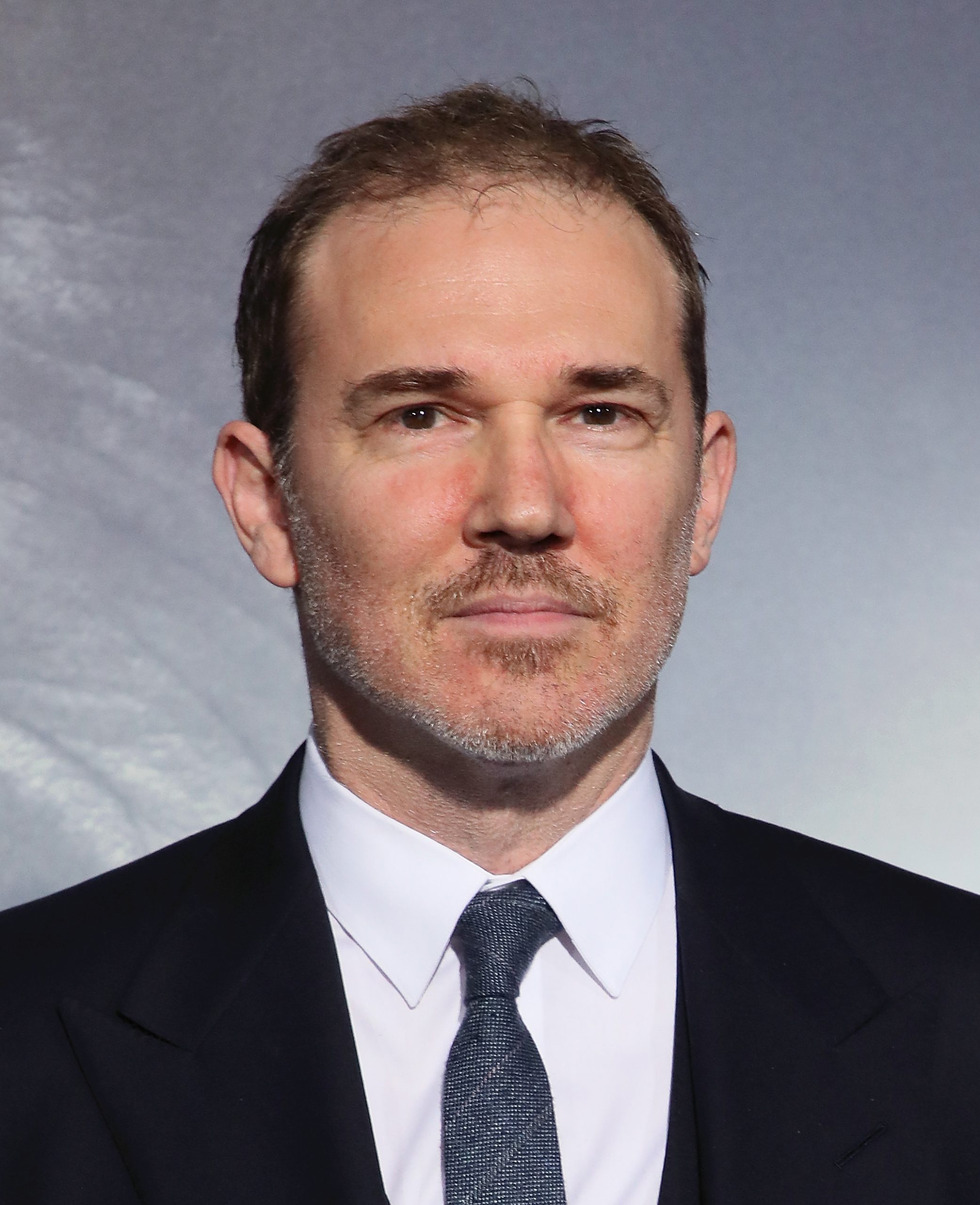
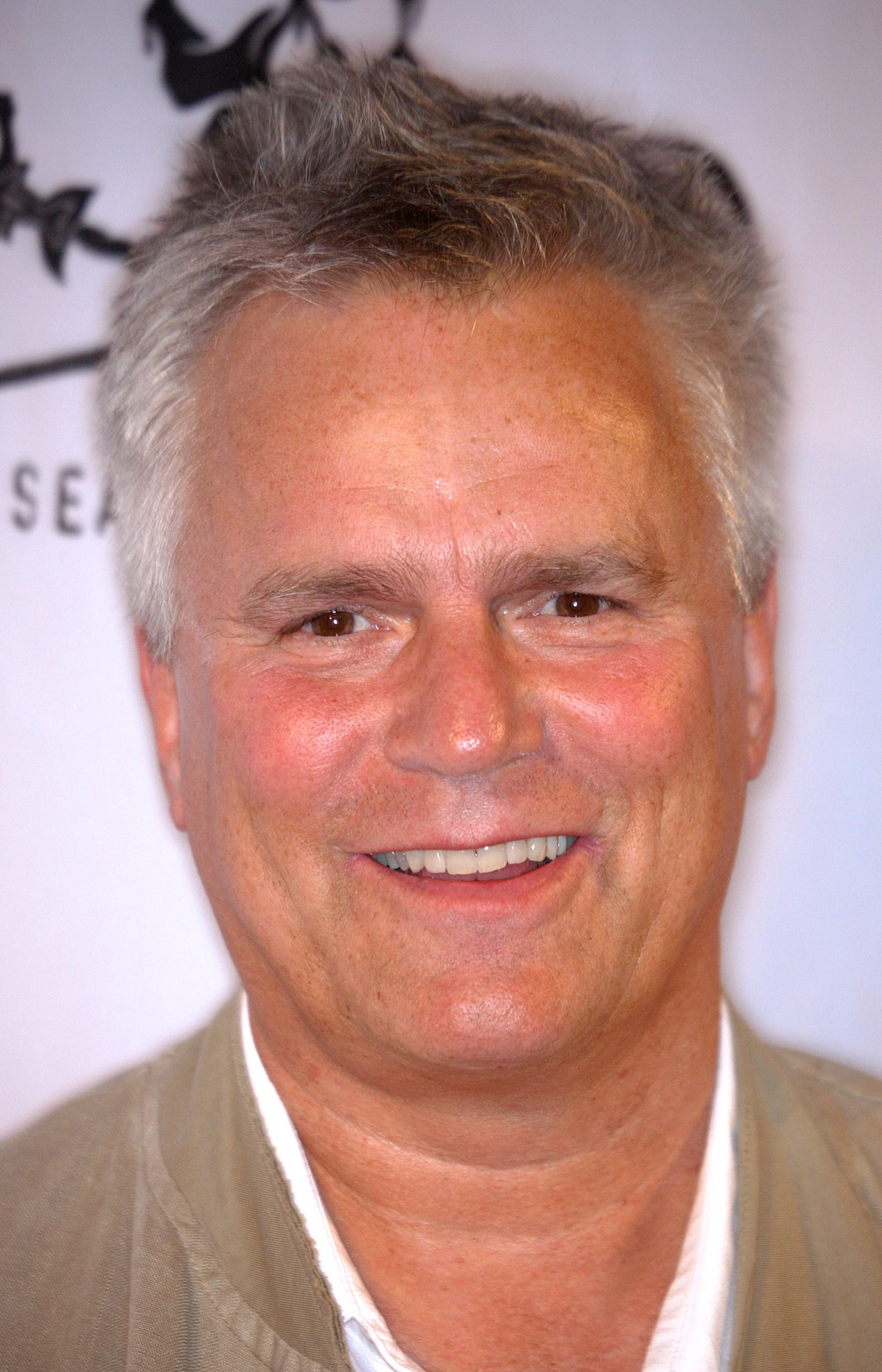
Dean LeBaron is a prominent figure in the investment management industry, widely recognized as the founder of Batterymarch Financial Management and an early pioneer in quantitative, computer-assisted investing. While precise, publicly audited net worth figures for private investors and venture capitalists like LeBaron are rarely disclosed in standard financial publications such as Forbes or Bloomberg, examining his extensive career, institutional leadership, publishing ventures, and philanthropic footprint provides a comprehensive context for understanding his historical wealth and financial standing around 2018.
Introduction to Dean LeBaron and His Investment Legacy
To understand the financial standing of Dean LeBaron around 2018, one must first look at his monumental impact on the financial services sector. Born in the mid-20th century, LeBaron built a reputation as a visionary who challenged traditional, intuition-based Wall Street investing by embracing empirical data, computer modeling, and quantitative analysis long before algorithmic trading became mainstream.
His career path spanned several decades, marked by the creation and eventual sale of Batterymarch Financial Management, a Boston-based investment firm that managed billions of dollars for institutional clients globally. Batterymarch was famous for its early adoption of emerging markets, computer-driven stock selection, and unconventional corporate culture. Beyond Batterymarch, LeBaron has acted as an angel investor, advisor, author, and patron of the arts. Because his wealth is tied to a complex portfolio of private equity, real estate, venture investments, and intellectual property rather than a publicly traded corporate stock with daily market valuations, tracking his net worth requires evaluating the structural components of his professional life and the broader financial environment of the late 2010s.
The Foundation of Wealth: Batterymarch Financial Management
The cornerstone of Dean LeBaron’s financial accumulation was his leadership and ownership stake in Batterymarch Financial Management, which he founded in 1969. Batterymarch represented a radical departure from the Wall Street norm of the era, utilizing mainframe computers and quantitative screens to evaluate securities across global markets.
Pioneering Quantitative Investing
During the 1970s and 1980s, when portfolio management was dominated by fundamental analysts reading balance sheets and meeting with corporate executives, Batterymarch relied on quantitative models. This efficiency allowed the firm to scale rapidly, managing massive institutional funds, pension plans, and endowments.
Scale and Acquisition by Legg Mason
At its peak under LeBaron's leadership, Batterymarch managed billions of dollars in assets under management (AUM). In 1985, Legg Mason acquired a majority interest in Batterymarch, a transaction that provided significant liquidity to LeBaron and his partners while allowing him to continue running the firm. Subsequent structural changes and the full integration into Legg Mason meant that LeBaron's financial rewards came through direct equity value, acquisition payouts, and long-term management fee residuals. By 2018, while LeBaron was no longer managing daily operations at Batterymarch (having stepped down from active executive roles years prior), the legacy of this enterprise remained the primary engine of his personal capital.
Venture Capital, Angel Investing, and Board Memberships
Beyond institutional asset management, LeBaron maintained an active profile as an angel investor and venture capitalist, focusing heavily on technology, financial services innovation, and emerging market enterprises.
Supporting Early-Stage Financial Technologies
Long before "fintech" became a ubiquitous industry buzzword, LeBaron invested in companies attempting to automate financial workflows, data processing, and market research. These early-stage bets varied in success, but his portfolio included notable ventures that achieved liquidity events through acquisitions or initial public offerings.
Board Room Influence and Consulting
LeBaron’s financial standing was further sustained by advisory roles and board memberships across various corporations and non-profit institutions. His expertise in behavioral finance, global markets, and corporate governance made him a sought-after voice on investment committees. While board compensation in the private sector varies, these positions typically provided retainers, stock options, and consulting fees that contributed to a diversified personal balance sheet.
Literary Ventures, Publishing, and Intellectual Property
Dean LeBaron is a prolific writer, editor, and publisher who recognized early on that intellectual capital could be monetized alongside financial capital. His financial standing around 2018 was supported by his contributions to financial literature.
Authored Works and Thought Leadership
LeBaron authored and edited several influential books on investing, portfolio management, and behavioral finance, including works on virtual currency, specialized equity strategies, and the psychology of market participants. Titles associated with his name often targeted institutional investors and advanced practitioners, generating steady royalty streams over the years.
Publishing Initiatives
In addition to his own writing, LeBaron invested in specialized publishing ventures and financial newsletters. By backing independent financial research platforms, he secured revenue streams from subscription models and institutional research distribution, adding a layer of recurring intellectual property income to his wealth portfolio.
Philanthropy, Art Collections, and Non-Profit Endowments
A significant aspect of assessing high-net-worth individuals involves examining their outflows, particularly regarding philanthropy and discretionary asset allocation, such as art collections and educational endowments.
Patronage of the Arts and Education
LeBaron has maintained deep ties with academic institutions and cultural organizations, particularly in the Boston area and Vermont. Philanthropic contributions do not directly increase net worth, but the scale of an individual's giving often serves as an indirect indicator of substantial underlying wealth. Endowments, scholarships, and museum donations supported by LeBaron reflect a mature wealth profile focused on legacy preservation and tax-efficient asset distribution.
Real Estate Holdings
Like many high-net-worth investors of his generation, LeBaron held significant real estate assets, including primary residences, historical properties, and land holdings. Real estate values in regions where he maintained properties experienced steady appreciation leading up to 2018, contributing to the illiquid portion of his net worth calculation.
Factors Influencing Net Worth Estimations Around 2018
Because private wealth calculations involve confidential data, public sources estimating the net worth of individuals like Dean LeBaron around 2018 often rely on broad approximations. Several structural factors dictate why exact figures remain elusive:
| Wealth Component | Nature of Asset | Impact on 2018 Net Worth Evaluation |
|---|---|---|
| Private Equity & Venture Investments | Illiquid, privately held shares | Values fluctuate based on portfolio company exits and valuations, not daily ticker symbols. |
| Institutional Residuals | Legacy payouts from past sales | Long-term deferred compensation or earn-outs from historical firm transactions. |
| Real Estate Portfolios | Physical land and structures | Subject to local market appreciation in prime geographic areas. |
| Intellectual Property | Royalties and publishing equity | Consistent, low-volatility passive income streams from books and research. |
Frequently Asked Questions
What is Dean LeBaron's exact net worth in 2018?
There is no verified, public figure for Dean LeBaron's exact net worth in 2018. Because he operated primarily in private institutional asset management and venture capital rather than running a publicly traded Fortune 500 company, his personal financial statements are private.
How did Dean LeBaron make his money?
LeBaron primarily accumulated his wealth through founding and scaling Batterymarch Financial Management, a pioneering quantitative investment firm. Additional wealth came from subsequent corporate acquisitions, venture capital investments in technology and finance, advisory fees, and royalties from financial publications.
Was Dean LeBaron a billionaire?
Reliable financial publications have never classified Dean LeBaron as a billionaire. While he amassed a substantial multi-million-dollar fortune through successful institutional asset management, his wealth level sits below the threshold typically associated with global billionaire lists.
What was Batterymarch Financial Management's role in his wealth?
Batterymarch was the foundational engine of LeBaron's financial success. As founder and leader, he benefited from management fees generated by billions in institutional assets under management, as well as liquidity generated when Legg Mason acquired a majority stake in the firm.
Is Dean LeBaron still active in finance?
While retired from day-to-day executive management of large institutional firms, LeBaron has remained active as a private investor, author, and thought leader in behavioral finance and emerging market strategies.
Conclusion and Next Actions
Evaluating the financial standing of Dean LeBaron around 2018 reveals a career defined by institutional innovation, quantitative market forecasting, and diversified private holdings. While tabloid-style net worth figures for private investors are frequently speculative or exaggerated, the verifiable scope of his professional achievements—spanning the multi-billion-dollar growth of Batterymarch, extensive venture investments, and thought leadership—places him securely among the influential financial elites of his era. For researchers and finance professionals examining historical market figures, the key takeaway is that sustainable wealth in asset management often stems from scalable intellectual property and equity ownership in structural financial infrastructure rather than celebrity-style public valuations.