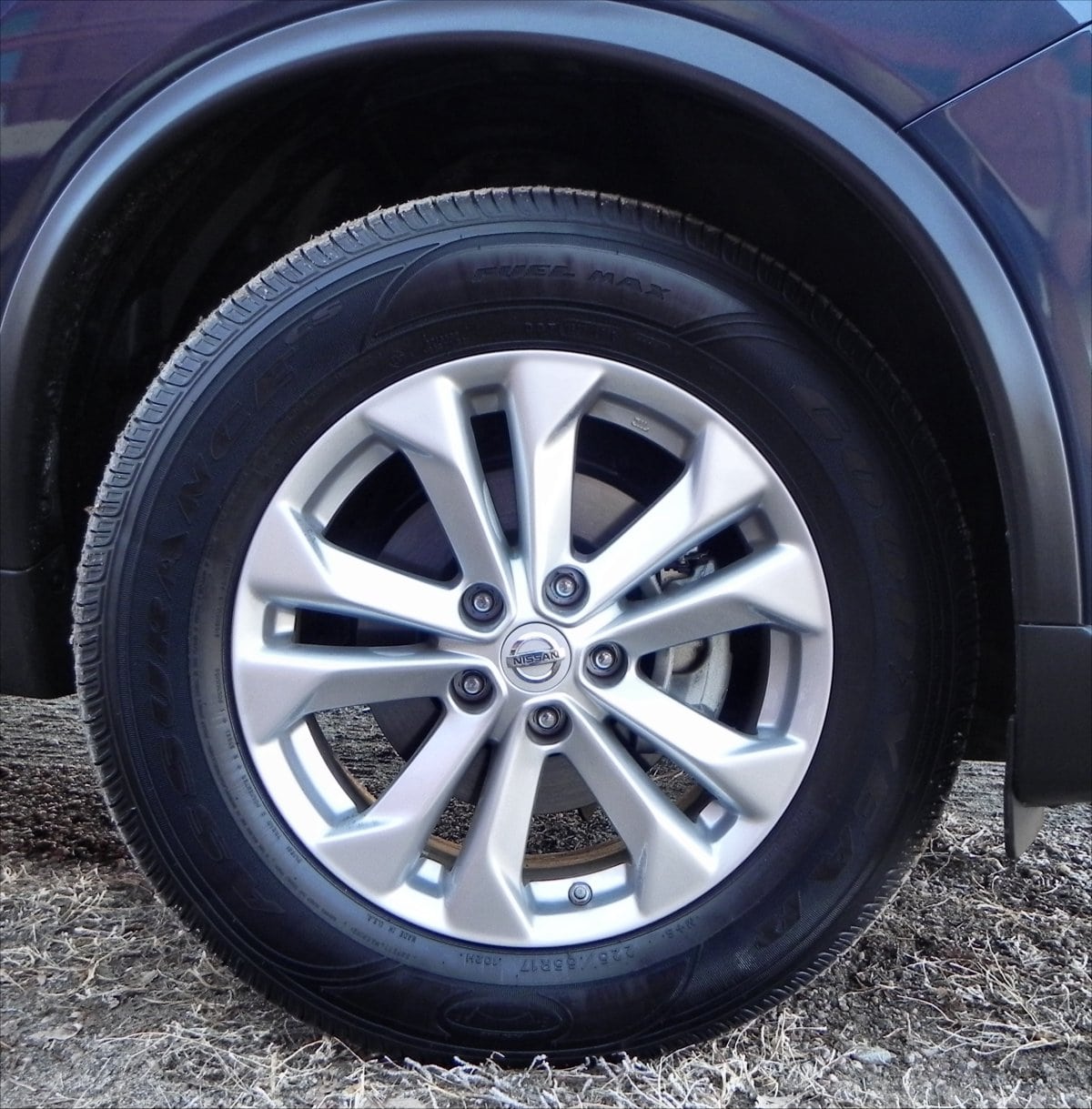
The correct wheel lug nut torque specification for a 2015 Nissan Rogue is 85 foot-pounds (115 Nm). Using a calibrated torque wrench in a star-pattern sequence is essential to ensure even clamping force, prevent warping of the brake rotors, and avoid loose wheels while driving.
Understanding Wheel Torque Specifications on the 2015 Nissan Rogue
Proper wheel installation is one of the most critical aspects of routine automotive maintenance. For owners, technicians, and DIY mechanics working on a 2015 Nissan Rogue, knowing the exact wheel torque specification prevents both catastrophic wheel detachment and costly component damage. When a wheel is installed, the lug nuts act as high-tension fasteners that clamp the wheel assembly securely against the vehicle's hub face. If the torque is too low, the fasteners can vibrate loose under normal driving conditions, leading to severe wheel wobble, stripped studs, or the wheel separating entirely from the axle. Conversely, if the torque is too high, the extreme stress can stretch the wheel studs, warp the brake rotors—causing a shudder or vibration when pressing the brake pedal—or crack the aluminum alloy wheel around the bolt holes.
The factory-specified torque for the 2015 Nissan Rogue is 85 foot-pounds (ft-lbs), which translates to approximately 115 Newton-meters (Nm). This precise value applies to standard factory aluminum and steel wheels mounted using original equipment manufacturer (OEM) or properly matched aftermarket hardware. Adhering strictly to this rating ensures that the clamping load is within the elastic limit of the studs, maintaining structural integrity through thermal expansion cycles, road impacts, and dynamic cornering forces.
Technical Specifications and Fastener Overview
To successfully execute a wheel torque procedure on a 2015 Nissan Rogue, it helps to understand the hardware configuration. The vehicle utilizes a 5-lug pattern, meaning there are five individual studs and corresponding lug nuts per wheel.
Thread Pitch and Fastener Details
- Thread Pitch: M12 x 1.25 (a common metric thread size utilized across many modern Nissan vehicles).
- Lug Nut Seat Type: Nissan factory alloy wheels typically utilize a flat washer or acorn-style seat, whereas steel spare wheels often utilize a standard conical (60-degree taper) seat. It is vital to match the lug nut seat type to the wheel type to prevent improper seating and subsequent torque loss.
- Socket Size: A standard 21mm deep-well socket is required to fit the factory lug nuts on a 2015 Nissan Rogue.
Fastener Hardware Comparison
| Wheel Type | Lug Nut Style | Thread Pitch | Torque Specification | Socket Size |
|---|---|---|---|---|
| Factory Alloy Wheels | Flanged with Washer | M12 x 1.25 | 85 ft-lbs (115 Nm) | 21 mm |
| Steel Spare / Wheels | Conical Taper (60°) | M12 x 1.25 | 85 ft-lbs (115 Nm) | 21 mm |
| Aftermarket Wheels | Varies (Usually Conical) | M12 x 1.25 | 85 ft-lbs (115 Nm) | Varies (Often 19mm/21mm) |
Essential Tools and Equipment Required
Before lifting the 2015 Nissan Rogue or touching any fasteners, gathering the correct tools ensures the job is performed safely and accurately. Improvised tools, such as standard lug wrenches or pneumatic impact guns used without a torque-limiting device, often result in inaccurate clamping loads.
- Calibrated Torque Wrench: A 1/2-inch or 3/8-inch drive click-type torque wrench capable of accurately measuring 85 ft-lbs. Ensure the wrench has been recently calibrated or stored in its relaxed state.
- 21mm Deep Socket: Preferably a thin-walled, impact-rated socket with a protective nylon sleeve to prevent scratching factory alloy wheel finishes.
- Hydraulic Floor Jack and Jack Stands: Never rely solely on a hydraulic jack to support the vehicle while torquing wheels. The vehicle must be safely secured on certified jack stands rated for the weight of a compact SUV.
- Wheel Chocks: Rubber or plastic wedges placed securely against the tires remaining on the ground to prevent rolling.
- Wire Brush and Clean Rag: Used to clean rust, debris, and corrosion off the wheel mounting hub and stud threads.
Step-by-Step Wheel Installation and Torquing Procedure
Achieving the correct torque involves more than simply clicking the wrench. The entire sequence—from lifting the vehicle to the final verification check—must follow strict mechanical protocols to ensure safety.
1. Preparation and Vehicle Stabilization
Park the 2015 Nissan Rogue on a flat, level, hard surface such as concrete. Engage the parking brake firmly. Place wheel chocks securely against the tires that will remain on the ground (for example, if lifting the rear, chock the front tires).
2. Loosening Lug Nuts
Before lifting the vehicle off the ground, use the 21mm socket and breaker bar to loosen each lug nut counterclockwise by about one-half to one full turn. Breaking the torque while the weight of the vehicle is on the tires prevents the wheel from spinning freely in the air. Do not remove the lug nuts completely at this stage.
3. Elevating the Vehicle
Position the hydraulic floor jack under the factory-designated lift points specified in the Nissan Rogue owner's manual. Slowly raise the vehicle until the tire clears the ground by a few inches. Place sturdy jack stands under the vehicle's reinforced frame rails and lower the vehicle gently onto them. Give the vehicle a gentle shake to verify that it rests securely on the stands.
4. Removing the Wheel and Inspecting Components
Remove the loosened lug nuts completely and set them aside in a clean container so they do not collect dirt. Pull the wheel straight off the hub studs. Use a wire brush to clean any rust, scale, or brake dust accumulation from the flat mating surface of the wheel hub and the back of the wheel rim. A clean surface ensures the wheel sits completely flat against the hub, preventing future torque loss and high-speed steering vibrations.
5. Mounting the Wheel and Hand-Tightening
Lift the wheel back onto the hub studs, taking care not to scrape the threads against the wheel bolt holes. Hand-thread each lug nut clockwise onto the studs. Ensure they thread smoothly by hand; if resistance or binding occurs, stop immediately to check for cross-threading. Tighten the lug nuts snugly in a star pattern by hand or with a loose socket extension until the wheel is pulled flush against the hub.
6. Lowering the Vehicle
Raise the vehicle slightly off the jack stands, remove the stands, and slowly lower the 2015 Nissan Rogue until the tires touch the ground with enough weight to prevent the wheel from spinning, but before the full weight of the vehicle rests on the suspension.
7. Applying the Star Pattern Torque Sequence
Using the calibrated torque wrench set to 85 ft-lbs, tighten the lug nuts in a strict star pattern. For a 5-lug wheel, tighten nut one, cross over to nut three, move to nut five, then two, and finish with four (1-3-5-2-4). Continue turning the wrench until you hear and feel a distinct "click." Do not double-click or over-torque the lug nuts, as this stretches the studs past their elastic threshold.
[ 1 ] / \ [ 4 ] [ 5 ] | | [ 2 ]-----[ 3 ] Star Pattern Tightening Sequence
8. Final Ground Check and Retorquing
Lower the vehicle completely, remove the jack and chocks, and perform a final verification click of the torque wrench on all lug nuts in the same star pattern. It is standard industry best practice to drive the vehicle for approximately 50 to 100 miles, then re-check the torque wrench setting to account for any initial thermal settling of the wheel components.
Common Mistakes to Avoid When Torquing Wheels
Even experienced DIYers occasionally make errors that compromise wheel safety. Avoiding these common pitfalls ensures long-term reliability for your 2015 Nissan Rogue.
- Using an Impact Wrench Without Torque Limits: Blasting lug nuts on with a high-powered pneumatic or cordless impact gun without a torque-stick or follow-up torque wrench almost always results in over-torquing. This damages studs and warps brake components.
- Torquing in a Circular Order: Tightening lug nuts in a clockwise circle (1-2-3-4-5) pulls the wheel unevenly against the hub, leading to micro-gaps, warped rotors, and loose fasteners. Always use a star pattern.
- Applying Lubricant to Stud Threads: Unless specifically recommended by a manufacturer, lug nut threads should generally be clean and dry. Applying grease, anti-seize, or oil to the stud threads alters the friction coefficient, causing the wrench to click at 85 ft-lbs while delivering an excessive clamping force that stretches the studs.
- Ignoring Hub Corrosion: Leaving heavy rust on the wheel mounting flange prevents the wheel from sitting flat. Once the vehicle rolls and the rust breaks away, the lug nuts will instantly lose their proper tension.
Frequently Asked Questions
What happens if I torque my 2015 Nissan Rogue wheels too much?
Over-torquing beyond the 85 ft-lbs specification stretches the metal studs beyond their elastic limit, weakening them so they can snap unexpectedly. It also exerts uneven pressure on the brake rotors, causing them to warp, which creates violent steering wheel vibrations when braking.
Can I use anti-seize on the lug nuts of a Nissan Rogue?
Using anti-seize lubricant on wheel studs is strongly discouraged by most automotive engineers. Lubricants reduce thread friction, causing you to accidentally over-tighten the fastener even when your torque wrench clicks at the correct 85 ft-lbs setting.
How soon should I retorque my wheels after a tire rotation?
If you recently removed and reinstalled your wheels during a tire rotation or seasonal swap, you should drive between 50 and 100 miles, then pull over safely and re-verify the 85 ft-lbs torque specification with your wrench.
Is the torque specification different for aftermarket alloy wheels?
Most aftermarket wheels designed for the 2015 Nissan Rogue still utilize the standard 85 ft-lbs specification, provided they use matching hardware. However, you should always consult the specific installation guide provided by the aftermarket wheel manufacturer to confirm their engineering requirements.
Practical Next Actions
If you are preparing to rotate your tires, change a flat, or install new brake pads on your 2015 Nissan Rogue, ensure you have a certified click-type torque wrench on hand before beginning work. Set the tool precisely to 85 ft-lbs, clean all mating surfaces thoroughly, and follow the cross-pattern sequence meticulously. For drivers who prefer professional service, verify that your local tire shop or service technician explicitly uses a torque wrench rather than a high-powered impact gun to finalize your wheel installation.