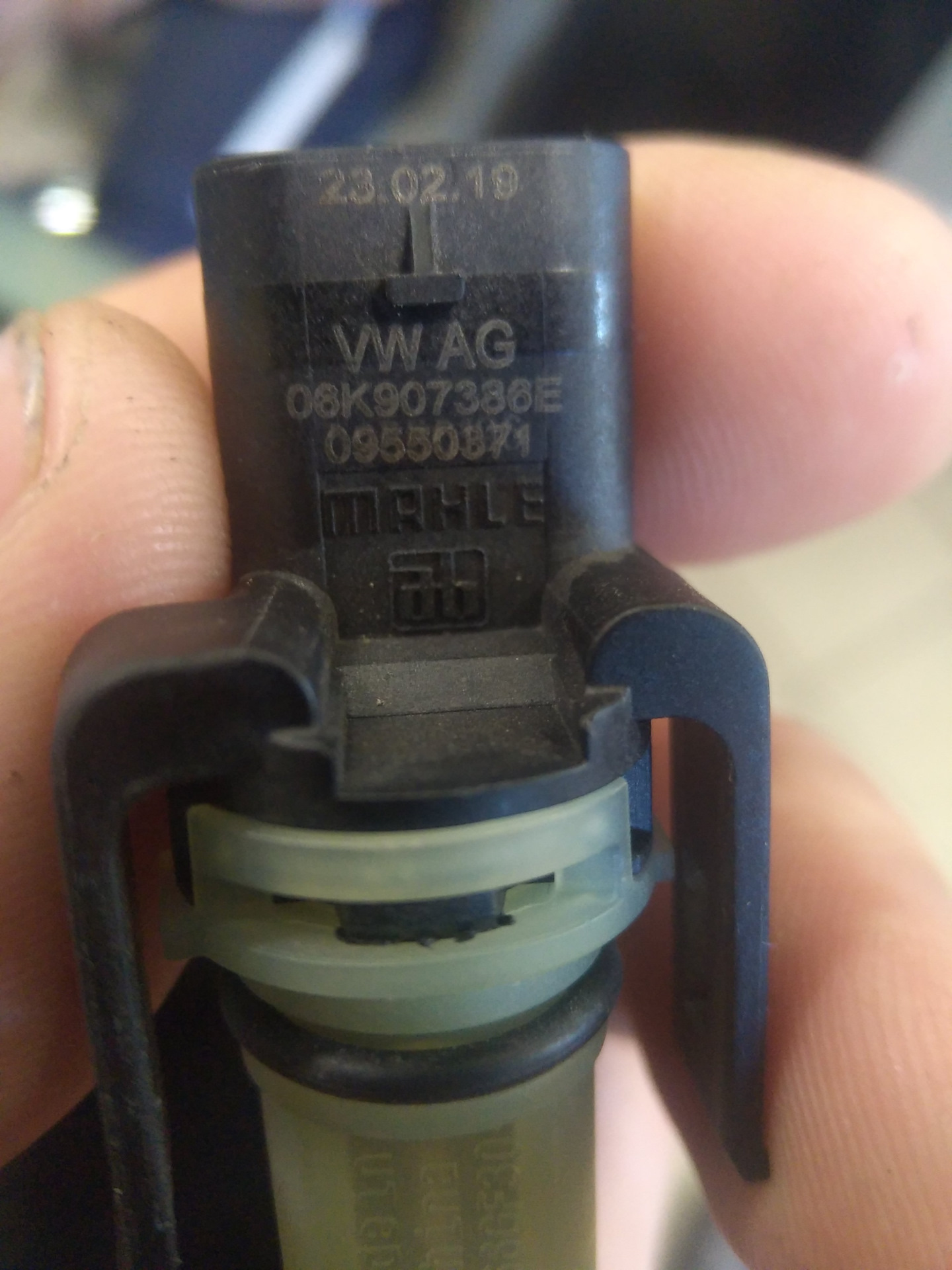
The Diagnostic Trouble Code (DTC) P2014 on a 2014 Volkswagen vehicle points directly to a fault within the Intake Manifold Runner Control (IMRC) position sensor or switch circuit, usually located on Bank 1. When this code registers on an OBD-II scanner, it indicates that the engine control module (ECM) or powertrain control module (PCM) has detected an unexpected voltage signal or an out-of-range position reading from the intake manifold runner control system, signaling potential restrictions in airflow efficiency, reduced fuel economy, and impaired throttle response.
Understanding the 2014 Volkswagen Intake Manifold Runner Control System
Modern internal combustion engines, including the various gasoline and diesel powerplants found in 2014 Volkswagen lineups such as the Jetta, Passat, Golf, and Tiguan, utilize variable intake geometry to optimize performance across different RPM ranges. At lower engine speeds, closing or restricting specific intake runners increases air velocity, which promotes better fuel atomization, improved low-end torque, and cleaner emissions. As the engine revs higher, the intake runners open fully to maximize airflow volume and ensure the engine breathes efficiently under heavy load.
The IMRC system relies on an electromechanical actuator and a physical position sensor (or potentiometer) to report the exact angle or state of the runner flaps back to the ECM. On a 2014 Volkswagen, code P2014 specifically designates an issue with the sensor circuit for Bank 1. This means the computer cannot verify whether the runner flaps are actually responding to commands, or it is receiving voltage signals that fall outside factory calibration limits.
Ignoring this diagnostic trouble code can lead to persistent check engine lights, failed emissions inspections, rough idling, hesitation upon acceleration, and potential carbon buildup within the intake manifold. Understanding the technical architecture of this system is the first step toward performing an accurate, cost-effective diagnosis and repair.
Common Symptoms Associated with Volkswagen DTC P2014
When a 2014 Volkswagen stores a P2014 code, the vehicle typically exhibits several operational symptoms. Because the intake manifold runner control system directly impacts air distribution into the combustion chambers, any malfunction alters the air-fuel mixture and combustion stability.
The most universal symptom is the illumination of the Check Engine Light (CEL) on the instrument cluster. Depending on the severity of the fault, the vehicle may also enter a protective limp mode or reduce engine power to prevent internal damage.
Drivers frequently report the following operational changes when dealing with this fault code:
- Engine Hesitation: A noticeable lag or hesitation when pressing the accelerator pedal, particularly from a dead stop or during low-speed acceleration.
- Rough Idling: Unstable RPMs, vibrations, or shaking while the vehicle is idling at a stoplight or in park.
- Decreased Fuel Economy: A measurable drop in miles per gallon (MPG) as the engine struggles to maintain optimal volumetric efficiency.
- Reduced Power Output: Sluggish acceleration at higher speeds or when climbing steep inclines due to restricted airflow.
- Emissions Test Failure: Automatic failure during state or regional OBD-II emissions readiness testing because the DTC is active and monitors have not completed.
Primary Causes of Code P2014 on 2014 Volkswagen Models
Pinpointing the exact root cause requires systematic troubleshooting, as multiple components share the same electrical and mechanical loop. On 2014 Volkswagen platforms, failures usually stem from specific wear points within the intake manifold assembly or associated wiring harnesses.
1. Carbon Buildup and Mechanical Binding
Particularly prevalent on direct-injection engines (such as Volkswagen's TSI and TDI powerplants), carbon deposits accumulate over time along the intake runner walls and around the flap valves. This soot and carbon buildup can physically jam the flaps, preventing them from moving freely. When the actuator attempts to move the flaps but meets mechanical resistance, the position sensor registers an incorrect angle, triggering the P2014 code.
2. Faulty IMRC Position Sensor or Actuator
The sensor itself, which is often integrated directly into the intake manifold runner control motor assembly, can fail internally due to electrical wear, moisture intrusion, or thermal fatigue. If the potentiometer wears out, it sends erratic or dead voltage signals to the ECM.
3. Wiring Harness and Electrical Connector Issues
Vibration, engine heat cycles, and exposure to oil or coolant leaks can degrade the wiring harness leading to the IMRC sensor. Corroded terminal pins, pinched wires, or loose electrical connectors can interrupt the 5-volt reference signal, ground circuit, or signal return line.
4. Vacuum Leaks or Pneumatic Actuator Failures
Certain Volkswagen configurations utilize vacuum-operated diaphragms rather than electronic step motors to actuate the runner flaps. A torn vacuum line, a failing intake manifold gasket, or a defective vacuum solenoid can cause the flaps to remain static regardless of electronic commands.
Diagnostic Procedures and Required Tools
Diagnosing a 2014 Volkswagen P2014 error code requires a structured approach utilizing specialized automotive diagnostic equipment. Blindly replacing parts without verification often leads to wasted time and money.
| Tool / Equipment | Purpose in Diagnosis |
|---|---|
| OBD-II Scan Tool | Retrieve active and pending trouble codes, freeze-frame data, and clear codes post-repair. |
| Advanced Diagnostic Scanner | View live sensor data, graph IMRC position sensor voltage, and command bi-directional actuator tests. |
| Digital Multimeter (DMM) | Measure circuit continuity, resistance, and voltage drops across the sensor harness. |
| Handheld Vacuum Pump | Test the operation of vacuum-actuated runner systems (if applicable to the specific engine trim). |
| Basic Hand Tools | Socket sets, torx drivers, and trim removal tools to access the intake manifold area safely. |
Step-by-Step Diagnostic Workflow
- Scan and Record: Connect an OBD-II scanner to the data link connector (DLC) beneath the dashboard. Record all active, pending, and historic trouble codes, along with freeze-frame data showing engine RPM, load, and temperature when the code tripped.
- Visual Inspection: Inspect the engine bay around the intake manifold. Look for disconnected electrical connectors, damaged wiring, oil leaks, or detached vacuum lines. Pay close attention to the harness routing near the throttle body and intake runner motor.
- Live Data Monitoring: Using an advanced bi-directional scan tool, monitor the IMRC position sensor parameter. Command the actuator to sweep from open to closed (if supported) and observe whether the sensor voltage changes smoothly and proportionally.
- Circuit Testing: Disconnect the IMRC sensor connector. Use a digital multimeter to verify that the ECM is supplying the correct reference voltage (typically 5 volts) and that the ground circuit exhibits low resistance. Check the signal wire for continuity back to the ECM pinout.
- Mechanical Movement Check: Disconnect the actuator linkage from the intake manifold runner arms. Manually actuate the runner flaps by hand. They should move freely from stop to stop without binding, sticking, or excessive play. If the flaps are bound, carbon cleaning or manifold replacement is necessary.
| Diagnostic Finding | Probable Root Cause | Recommended Corrective Action |
|---|---|---|
| Sensor voltage stays flat during actuation | Failed IMRC sensor or internal motor failure | Replace the IMRC actuator/sensor assembly |
| High resistance or open circuit in harness | Damaged wiring or corroded connector pins | Repair damaged wiring harness or clean/replace connector terminals |
| Flaps physically stuck or hard to move | Severe carbon buildup inside intake manifold | Clean intake runners or replace the intake manifold assembly |
| Low or missing reference voltage | ECM output failure or shorted circuit | Diagnose ECM power supply and wiring continuity |
Repair Options, Solutions, and Cost Considerations
Once the underlying fault is isolated, repair strategies depend entirely on whether the failure is electrical, mechanical, or carbon-related.
Component Replacement
If the electronic actuator or position sensor has failed internally, technicians typically replace the entire IMRC motor assembly. On many Volkswagen engines, the sensor is sold as an integrated unit with the actuator motor. Replacement requires removing surrounding intake components for clearance, unplugging the electrical connector, unbolting the unit, and installing the new part with proper calibration.
Intake Manifold Servicing and Carbon Cleaning
If mechanical binding due to carbon deposits is the root cause, a simple sensor replacement will not resolve the code. The intake manifold must be removed, and the intake ports on the cylinder head must be manually cleaned using walnut shell blasting or specialized chemical solvents and scraping tools. In cases where the internal flap hinges or plastic linkage arms inside the manifold have snapped or worn out, the entire intake manifold assembly must be replaced.
Cost Breakdown
Professional repair costs vary based on labor rates and the specific engine variant (gasoline TSI vs. diesel TDI):
- Sensor/Actuator Replacement: Parts and labor typically range from $250 to $500.
- Carbon Cleaning Service: Professional intake decarbonization ranges from $300 to $700 depending on labor intensity.
- Intake Manifold Assembly Replacement: Complete manifold replacement, including parts and labor, typically ranges from $700 to $1,400.
Frequently Asked Questions
Can I drive my 2014 Volkswagen with code P2014 present?
While the car will typically still drive, it is not recommended to drive long distances with an active P2014 code. Doing so can cause poor fuel economy, engine hesitation, potential catalyst damage due to unburned fuel, and secondary carbon accumulation. If the car enters limp mode, driving should be avoided entirely.
Is P2014 covered under Volkswagen factory warranty?
For a 2014 model year vehicle, standard factory bumper-to-bumper and powertrain warranties have expired unless an aftermarket extended warranty or certified pre-owned (CPO) coverage plan was purchased. In certain regions with strict emissions laws (such as California and states adopting CARB standards), federal emissions warranties may cover specific emissions-control components, though coverage windows typically max out at 8 years or 80,000 miles, which most 2014 vehicles have now exceeded.
What is the difference between P2014 and P2015?
While both codes relate to the Intake Manifold Runner Control system, code P2014 specifically points to a circuit malfunction (electrical, sensor range, or signal fault) on Bank 1. Code P2015 frequently points to intake flap position sensor plausibility issues, often triggered by physical wear on the stop tabs of the intake manifold runner arms.
Do I need to program or adapt a new IMRC actuator after installation?
Yes. When replacing an electronic IMRC actuator or intake manifold assembly on a modern Volkswagen, a diagnostic scan tool capable of basic settings and adaptations must be used to calibrate the new sensor limits with the ECM. Failing to perform this adaptation can result in lingering fault codes even with brand-new hardware.
Conclusion and Recommended Next Actions
Diagnosing and repairing DTC P2014 on a 2014 Volkswagen requires a methodical approach that separates electrical sensor faults from mechanical carbon binding. Begin by connecting an OBD-II scanner and monitoring live data to evaluate sensor voltage changes. Inspect all related wiring harnesses before condemning expensive mechanical parts. If physical binding or heavy carbon accumulation is identified, prioritize a thorough cleaning or manifold replacement to restore optimal engine performance, fuel efficiency, and emissions compliance.