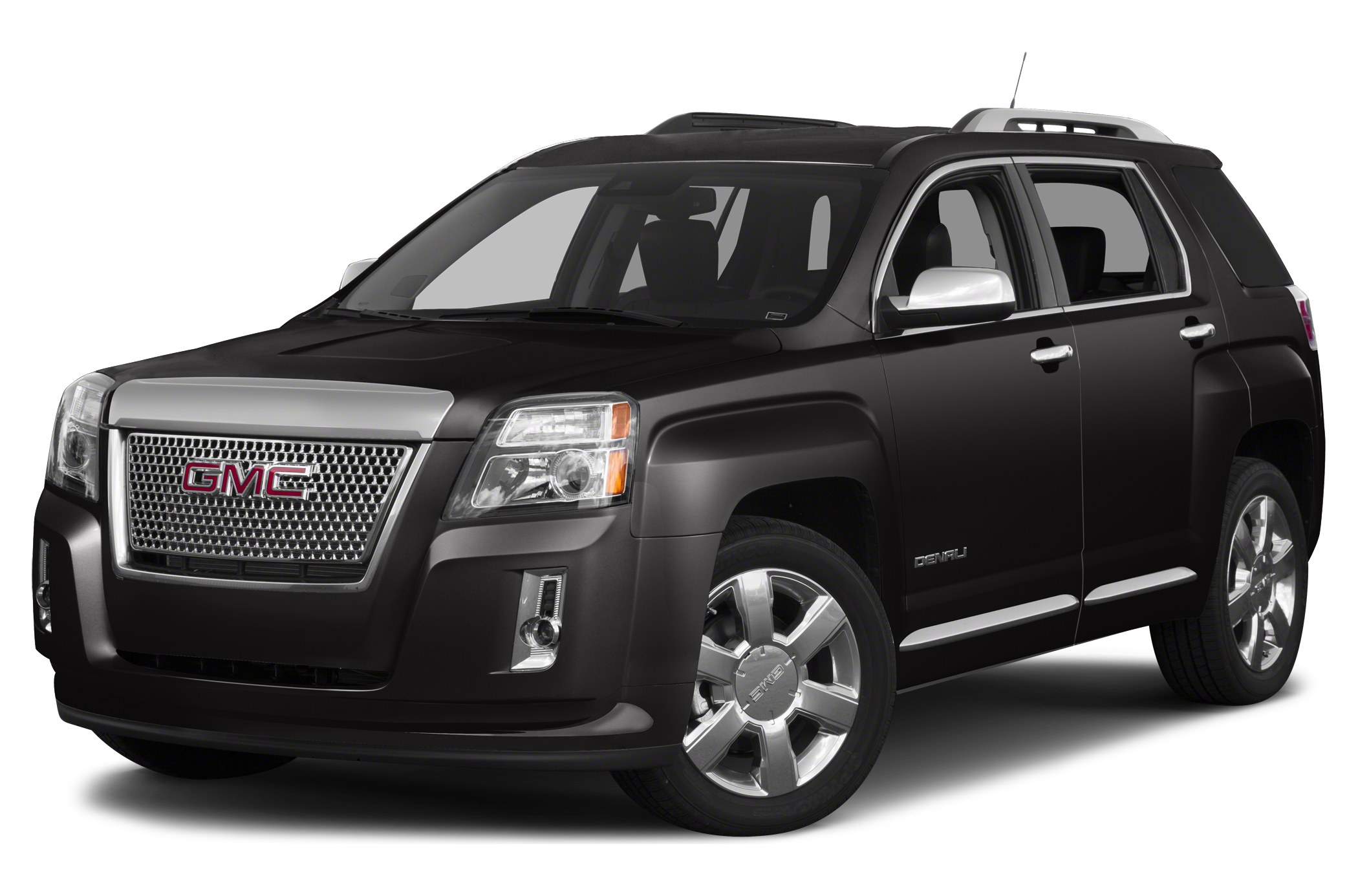
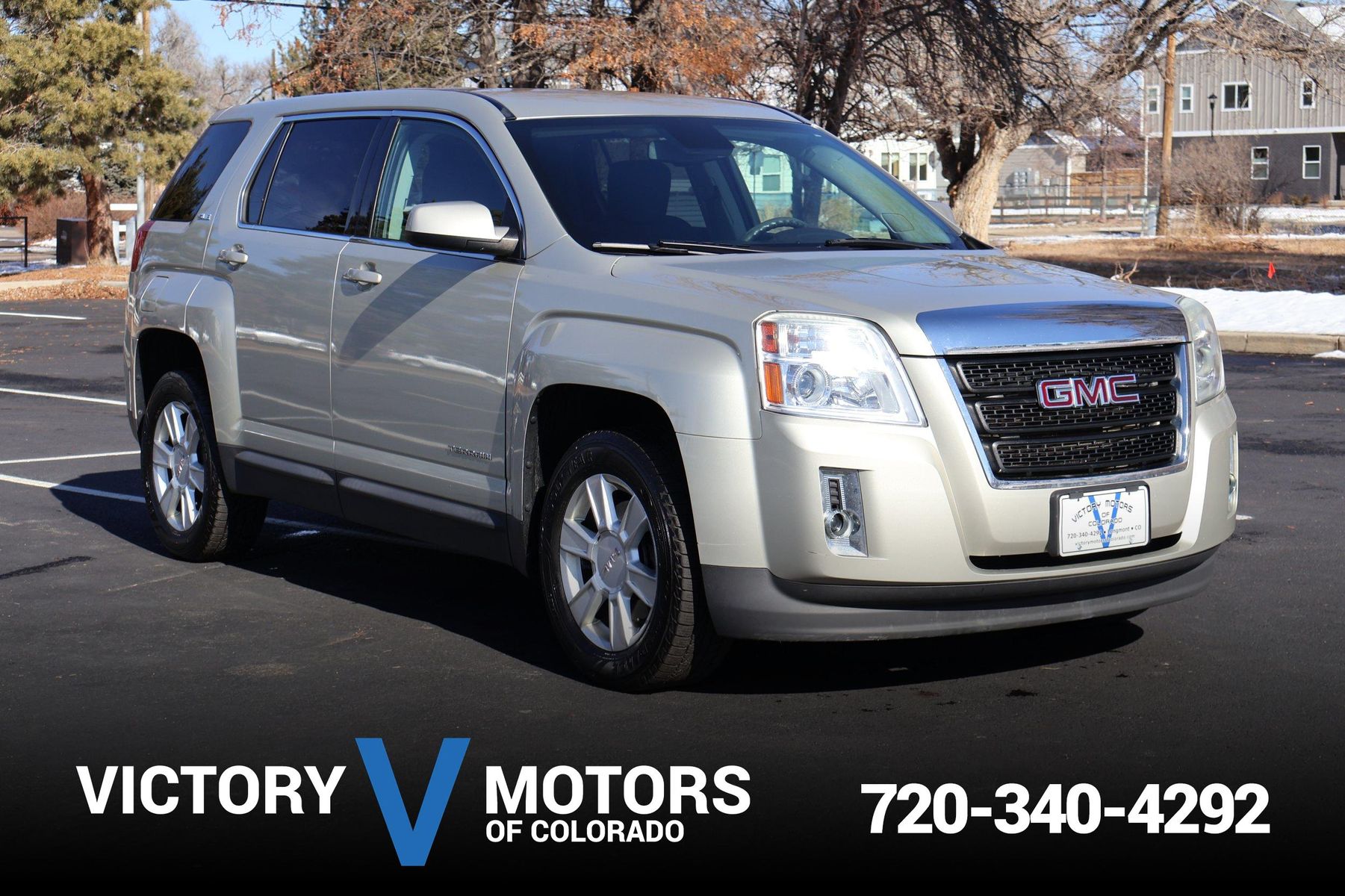
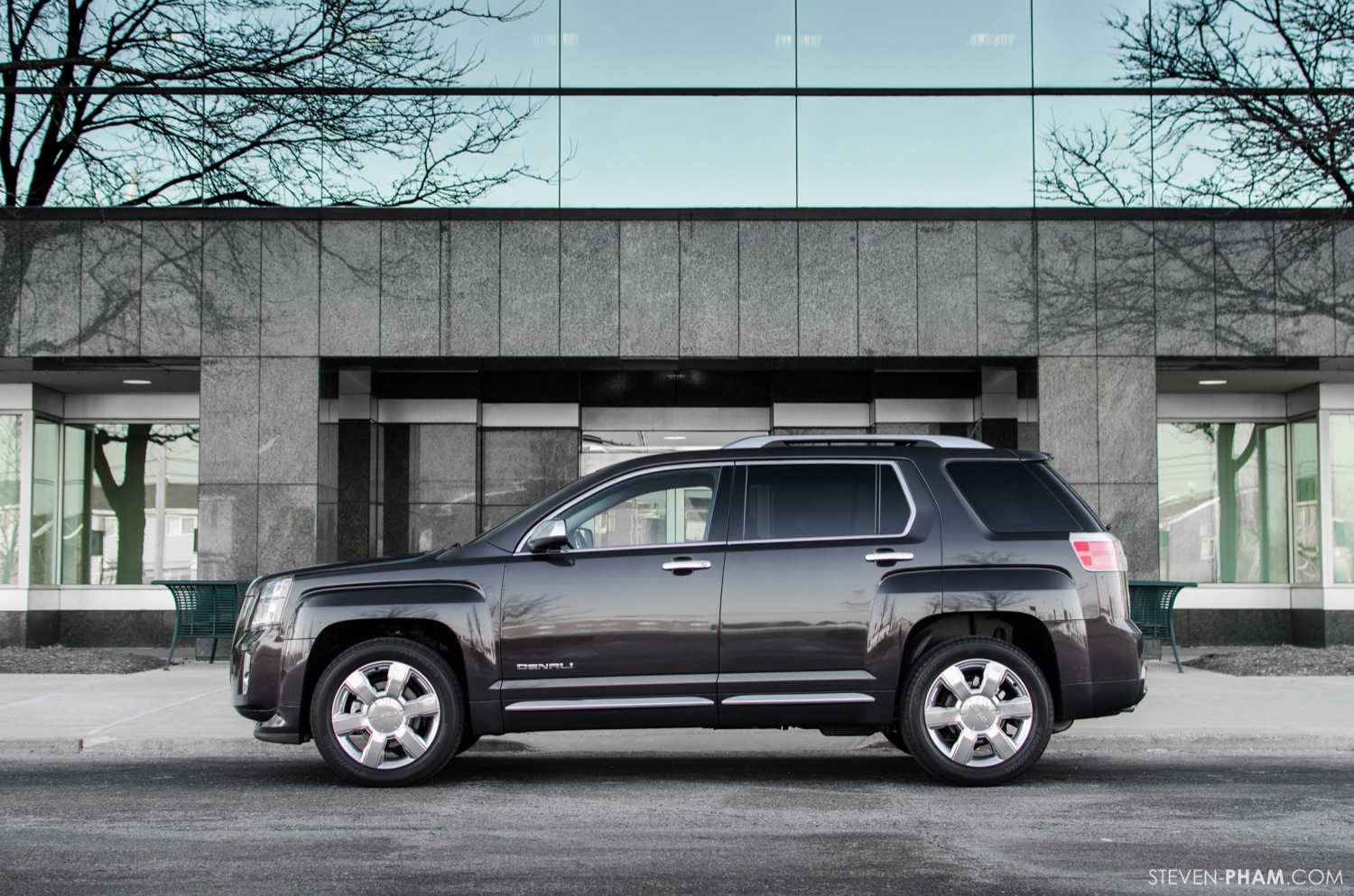
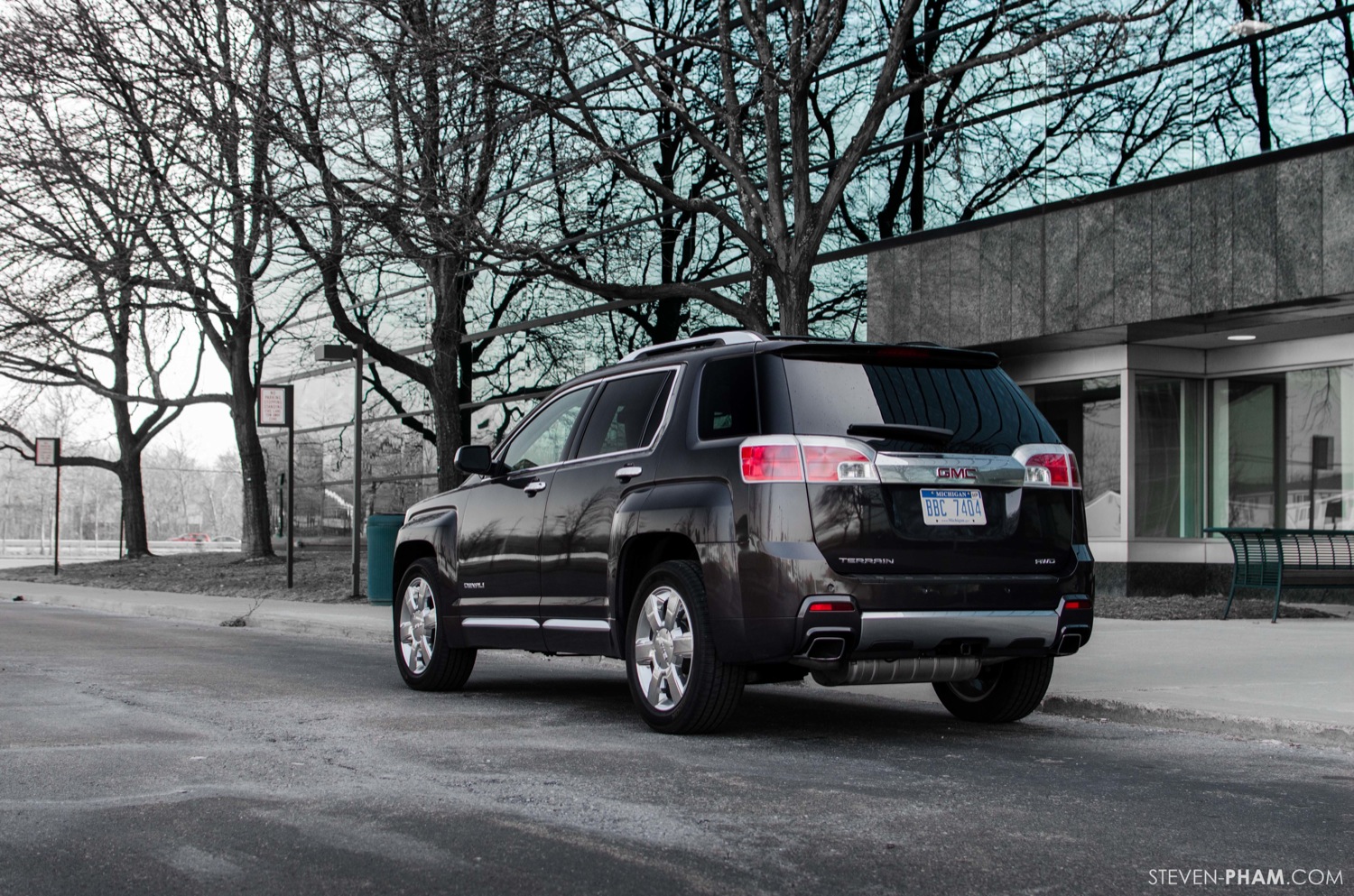
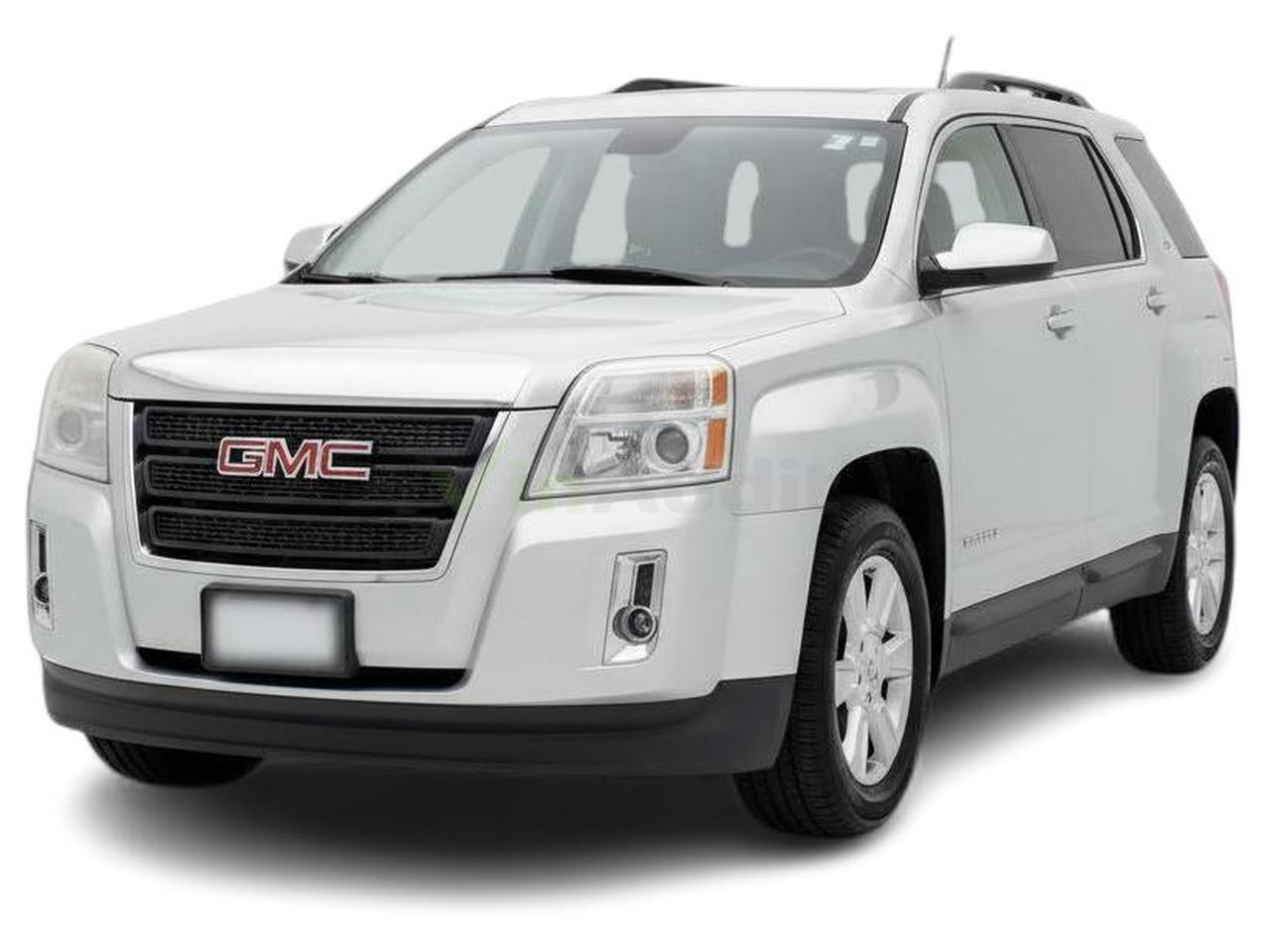
The 2013 GMC Terrain is a compact crossover SUV featuring two primary engine options: a 182-horsepower 2.4L I4 and a 301-horsepower 3.6L V6. It offers a maximum cargo capacity of 63.9 cubic feet, a towing capacity of up to 3,500 pounds with the V6, and was the first model year to introduce the luxury-oriented Denali trim.
Entering the automotive landscape during a pivotal shift toward fuel-efficient yet versatile family vehicles, the 2013 GMC Terrain remains a significant fixture in the used car market of 2026. This model year was particularly notable for introducing a more powerful V6 engine and the high-end Denali trim level, bridging the gap between utilitarian transport and entry-level luxury. Understanding the technical specifications of this vehicle is essential for owners maintaining their units or buyers evaluating a purchase more than a decade after its initial release.
Engine and Powertrain Specifications
The 2013 GMC Terrain provided two distinct powertrain paths, catering to drivers who prioritized fuel economy and those who required robust passing power or towing capabilities.
The 2.4L I4 Ecotec Engine (LEA)
The standard engine for the SLE and SLT trims was the 2.4-liter inline-four Ecotec. This engine utilizes Direct Injection (DI) and Variable Valve Timing (VVT) to optimize the combustion process.
- Horsepower: 182 hp @ 6,700 RPM
- Torque: 172 lb-ft @ 4,900 RPM
- Construction: Aluminum block and cylinder head
- Valvetrain: Dual overhead camshafts (DOHC), four valves per cylinder
In 2026, it is important to note that while this engine was praised for its efficiency—achieving an EPA-estimated 32 MPG on the highway in its Front-Wheel Drive (FWD) configuration—it has historically been associated with higher oil consumption as the mileage exceeds the 100,000-mile mark. Buyers should verify if the piston rings or PCV systems have been serviced on high-mileage units.
The 3.6L V6 Engine (LFX)
The most significant mechanical update for the 2013 model year was the replacement of the aging 3.0L V6 with the 3.6L LFX V6. This engine was a substantial leap forward in performance without a drastic penalty in fuel consumption.
- Horsepower: 301 hp @ 6,500 RPM
- Torque: 272 lb-ft @ 4,800 RPM
- Construction: Aluminum block and head with integrated exhaust manifolds
- Valvetrain: DOHC, VVT, and Direct Injection
The 3.6L V6 transformed the Terrain from a standard commuter into a capable highway cruiser. The 301-horsepower output was among the highest in the compact SUV segment at the time, allowing for a 0–60 mph acceleration time of approximately 6.7 seconds.
Transmission and Drivetrain Systems
All 2013 GMC Terrain models came equipped with a six-speed automatic transmission, though the specific gearbox model varied depending on the engine selection.
Six-Speed Automatic Transmissions
- Hydra-Matic 6T45: Paired with the 2.4L I4. This transmission was designed for lightweight efficiency, utilizing a "clutch-to-clutch" operation that allowed for smoother shifts and reduced mechanical complexity.
- Hydra-Matic 6T70: Paired with the 3.6L V6. This is a heavy-duty version of the six-speed automatic, built to handle the significantly higher torque output of the V6 engine. It features specialized electronics to prevent "hunting" between gears when climbing grades or towing.
All-Wheel Drive (AWD) vs. Front-Wheel Drive (FWD)
Both engine options were available with either FWD or an intelligent AWD system. The AWD system in the 2013 Terrain is a "part-time" system. Under normal driving conditions, the vehicle sends 100% of the torque to the front wheels to maximize fuel economy. When the onboard sensors detect wheel slip, the system can divert power to the rear wheels via a controlled center differential.
Interior Dimensions and Utility
One of the 2013 GMC Terrain's most enduring features is the MultiFlex rear seating system. This technical design choice allowed the rear bench seat to slide forward or backward by nearly 8 inches, giving owners the ability to prioritize either rear legroom or cargo volume.
Exterior Dimensions
- Wheelbase: 112.5 inches
- Overall Length: 185.3 inches
- Width: 72.8 inches
- Height: 66.3 inches (including roof rails)
- Curb Weight: Ranges from 3,853 lbs (FWD I4) to 4,204 lbs (AWD V6)
Interior Capacities
- Seating Capacity: 5 passengers
- Front Legroom: 41.2 inches
- Rear Legroom: 39.9 inches (with seat moved fully rearward)
- Cargo Volume (Behind Rear Seat): 31.6 cubic feet
- Cargo Volume (Rear Seats Folded): 63.9 cubic feet
The interior was also noted for its "QuietTuning" technology, which included triple door seals, acoustic laminated glass, and active noise cancellation (on I4 models) to reduce road and wind noise.
2013 GMC Terrain Technical Specifications Table
| Feature | 2.4L I4 Specifications | 3.6L V6 Specifications |
|---|---|---|
| Engine Type | Inline 4-Cylinder (Ecotec) | 6-Cylinder 60-degree V (LFX) |
| Horsepower | 182 hp @ 6,700 RPM | 301 hp @ 6,500 RPM |
| Torque | 172 lb-ft @ 4,900 RPM | 272 lb-ft @ 4,800 RPM |
| Transmission | 6-Speed Automatic (6T45) | 6-Speed Automatic (6T70) |
| EPA MPG (FWD) | 22 City / 32 Highway | 17 City / 24 Highway |
| EPA MPG (AWD) | 20 City / 29 Highway | 16 City / 23 Highway |
| Towing Capacity | 1,500 lbs | 3,500 lbs |
| Fuel Tank Capacity | 18.8 Gallons | 20.9 Gallons (AWD) / 18.8 (FWD) |
| Braking System | 4-Wheel Disc with ABS | 4-Wheel Disc with ABS |
| Steering | Electric Power Steering | Hydraulic Power Steering |
Chassis, Suspension, and Braking
The 2013 Terrain sits on the GM Theta platform, shared with the Chevrolet Equinox. The chassis was engineered for a "car-like" ride quality rather than off-road ruggedness.
- Front Suspension: Independent, MacPherson strut with a stabilizer bar and hydraulically damped bushings.
- Rear Suspension: Independent multi-link with trailing arms and a stabilizer bar. This setup was refined for the 2013 model year to improve lateral stiffness.
- Brakes: Power-assisted four-wheel disc brakes are standard across all trims. The front rotors are 12.6 inches, while the rear rotors are 11.9 inches. Standard electronic stability control (StabiliTrak) and traction control are integrated into the braking module.
- Steering: Interestingly, the 2.4L models used an electric power steering system to save fuel, whereas the 3.6L V6 models retained a traditional hydraulic power steering system, which many enthusiasts of the era preferred for its more direct road feel.
Safety Ratings and Technology
For its time, the 2013 GMC Terrain was a leader in safety technology. It earned the "Top Safety Pick" designation from the Insurance Institute for Highway Safety (IIHS).
Key Safety Features
- Forward Collision Alert: A camera-based system that warns the driver if they are approaching a vehicle too quickly.
- Lane Departure Warning: Alerts the driver if the vehicle begins to drift out of its lane without a turn signal.
- Rear Park Assist and Camera: A standard rearview camera was included on all models—a feature that was not yet federally mandated in 2013.
- Airbag System: Six standard airbags, including dual-stage frontal airbags, pelvic-thorax side-impact airbags, and head curtain side airbags for both rows.
Infotainment (IntelliLink)
The 2013 model year featured the GMC IntelliLink system. This included a 7-inch high-resolution color touchscreen. While it lacked the modern smartphone integration of 2026 (like wireless Apple CarPlay), it was advanced for its era, offering Bluetooth streaming, Pandora and Stitcher integration via a tethered smartphone, and voice-activated controls.
The Introduction of the Denali Trim
2013 marked the first time GMC applied its prestigious Denali sub-brand to the Terrain. This was not merely an aesthetic package but included mechanical refinements.
- Dual-Flow Dampers: The Denali featured a unique suspension valving system that adjusted to road conditions in real-time, providing a smoother ride on highways while tightening up for better handling in corners.
- Visual Enhancements: The signature Denali honeycomb chrome grille, satin-chrome accents, and specific 18-inch (I4) or 19-inch (V6) wheels.
- Interior Upgrades: Soft-touch leather, mahogany wood trim on the steering wheel, and eight-way power passenger seats.
2026 Perspective: Maintenance and Reliability Considerations
As the 2013 GMC Terrain ages into the mid-2020s, several technical areas require attention for those looking to maintain the vehicle's longevity.
Timing Chain Wear
Both the 2.4L and 3.6L engines utilize timing chains. While intended to last the life of the engine, poor oil maintenance can lead to chain stretch. On the 2.4L engine, this is often preceded by a "rattling" sound upon cold starts. Regular oil changes with high-quality synthetic oil are the best preventative measure.
Oil Consumption
The 2.4L Ecotec engines from this era were subject to technical service bulletins regarding oil consumption. In 2026, many of these vehicles have already had their piston rings replaced under previous warranties, but it remains a critical spec to check. Owners should monitor oil levels every 1,000 miles.
Exhaust Manifold Cracking
In the 2.4L models, the exhaust manifold is prone to hairline cracks due to heat cycles, which can cause a ticking sound and a loss of fuel efficiency. This is a common mechanical failure point that is relatively straightforward to repair.
FAQs
What is the towing capacity of the 2013 GMC Terrain?
The towing capacity depends entirely on the engine. The 2.4L I4 engine is rated for a maximum of 1,500 lbs, which is suitable for a small utility trailer or a pair of jet skis. The 3.6L V6 engine increases that capacity to 3,500 lbs, allowing it to tow small campers or lightweight boats. Always ensure the vehicle is equipped with the factory towing package, which includes an upgraded cooling system.
Does the 2013 GMC Terrain require premium fuel?
No, both the 2.4L and 3.6L engines are designed to run on regular 87-octane unleaded gasoline. Using premium fuel will not provide a significant increase in performance or fuel economy. However, both engines are E85 FlexFuel capable, meaning they can run on a blend of 85% ethanol, though this significantly reduces fuel economy.
How much cargo space does the 2013 GMC Terrain have?
The Terrain offers 31.6 cubic feet of space behind the second row. If you fold the rear seats flat, the capacity expands to 63.9 cubic feet. A unique feature is the front passenger seat, which can also fold flat to accommodate extra-long items like ladders or surfboards.
Is the 2013 GMC Terrain 4WD or AWD?
The 2013 Terrain uses an All-Wheel Drive (AWD) system, not a traditional Four-Wheel Drive (4WD) system. The difference is that AWD is managed automatically by the vehicle's computer without a low-range transfer case or a manual "4-High/4-Low" lever. It is designed for on-road traction in rain or snow rather than heavy off-roading.
What are the most common trim levels for the 2013 model?
The 2013 Terrain was offered in SLE-1, SLE-2, SLT-1, SLT-2, and Denali. The SLE-1 is the base model, while the SLT-2 and Denali were the most popular for buyers seeking luxury features like leather seating, a power liftgate, and upgraded audio systems.
Practical Recommendations for Buyers
If you are evaluating a 2013 GMC Terrain in 2026, prioritize the 3.6L V6 engine models. While the 2.4L I4 offers better fuel economy on paper, the V6 is generally regarded as the more durable powertrain for high-mileage use and provides a significantly better driving experience.
Before purchasing, verify the functionality of the IntelliLink screen, as the digitizers can fail over time. Additionally, inspect the lower door seams for signs of corrosion, which was a common issue in "rust-belt" states for this generation of GM crossovers. With proper maintenance, a well-kept 2013 Terrain remains a viable, comfortable, and safe option for those needing a compact SUV with a premium feel.