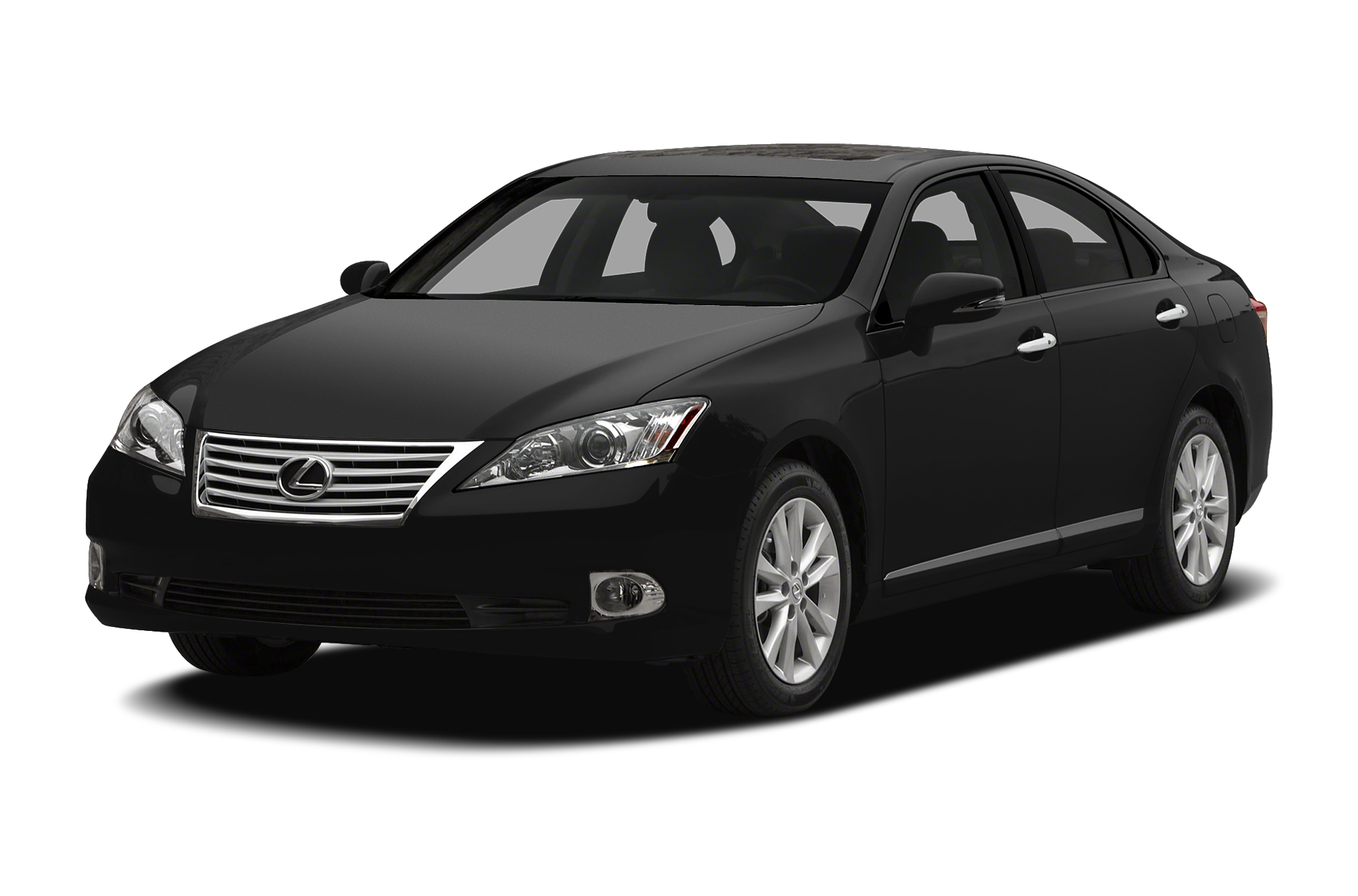
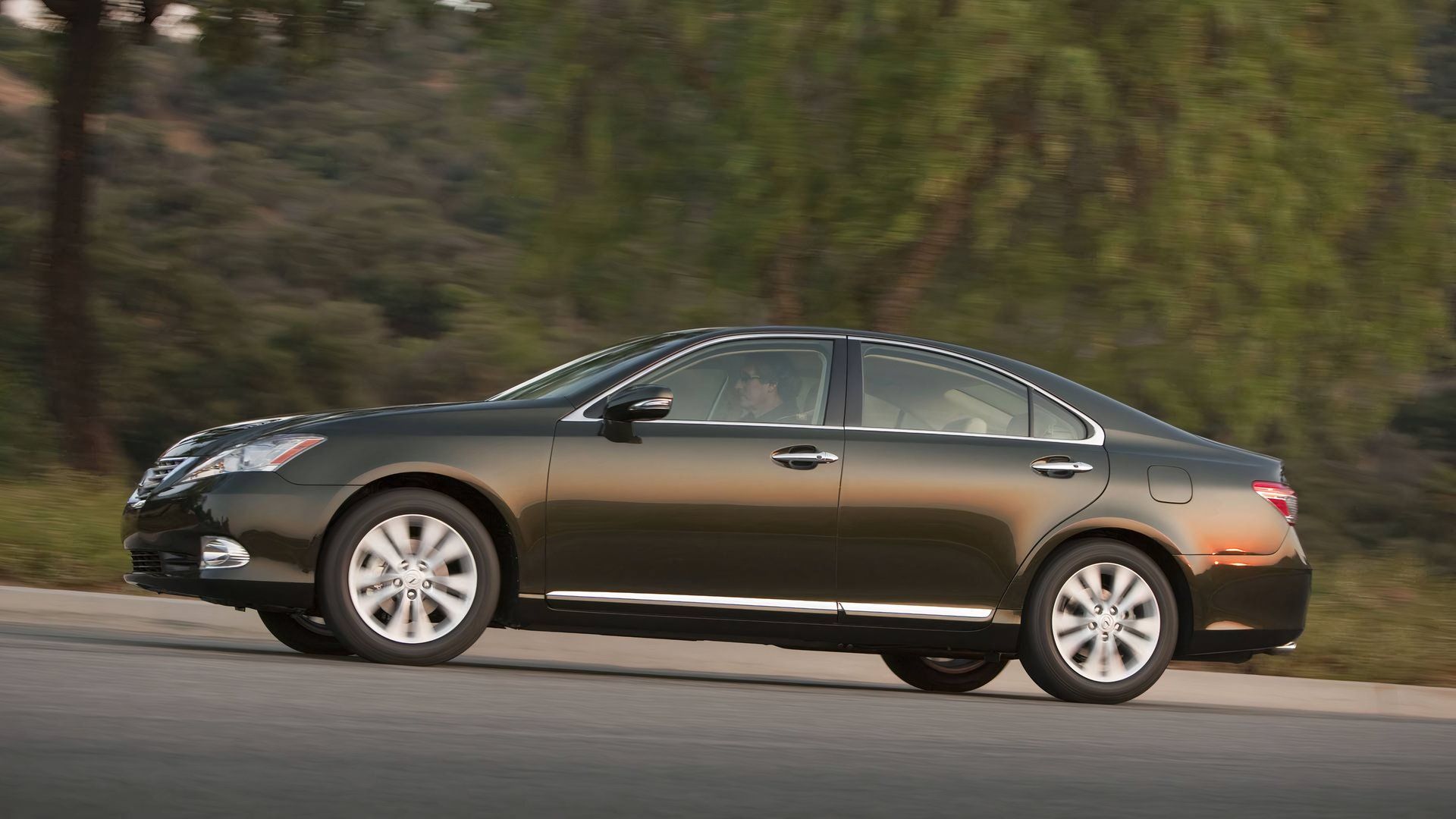
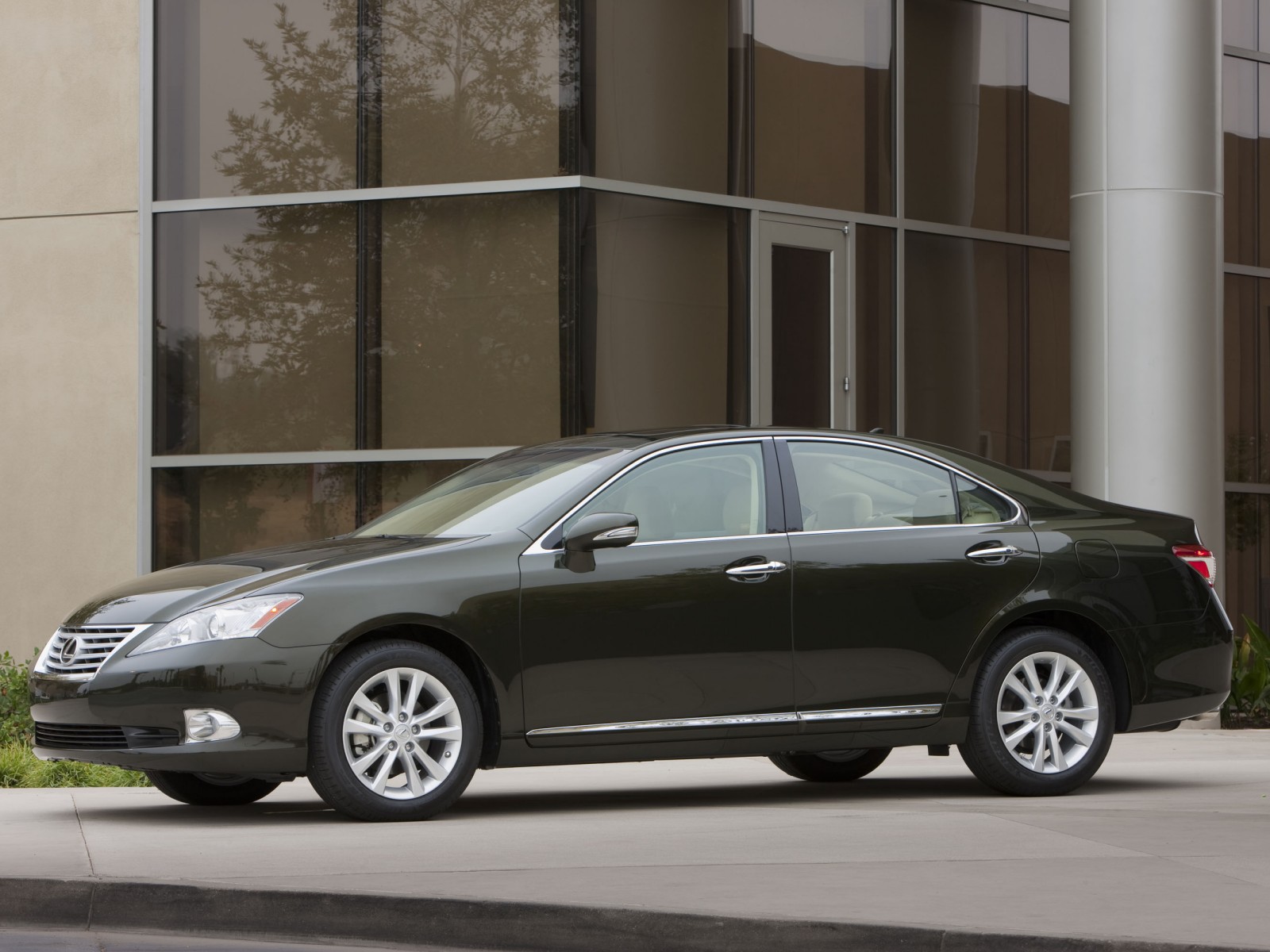
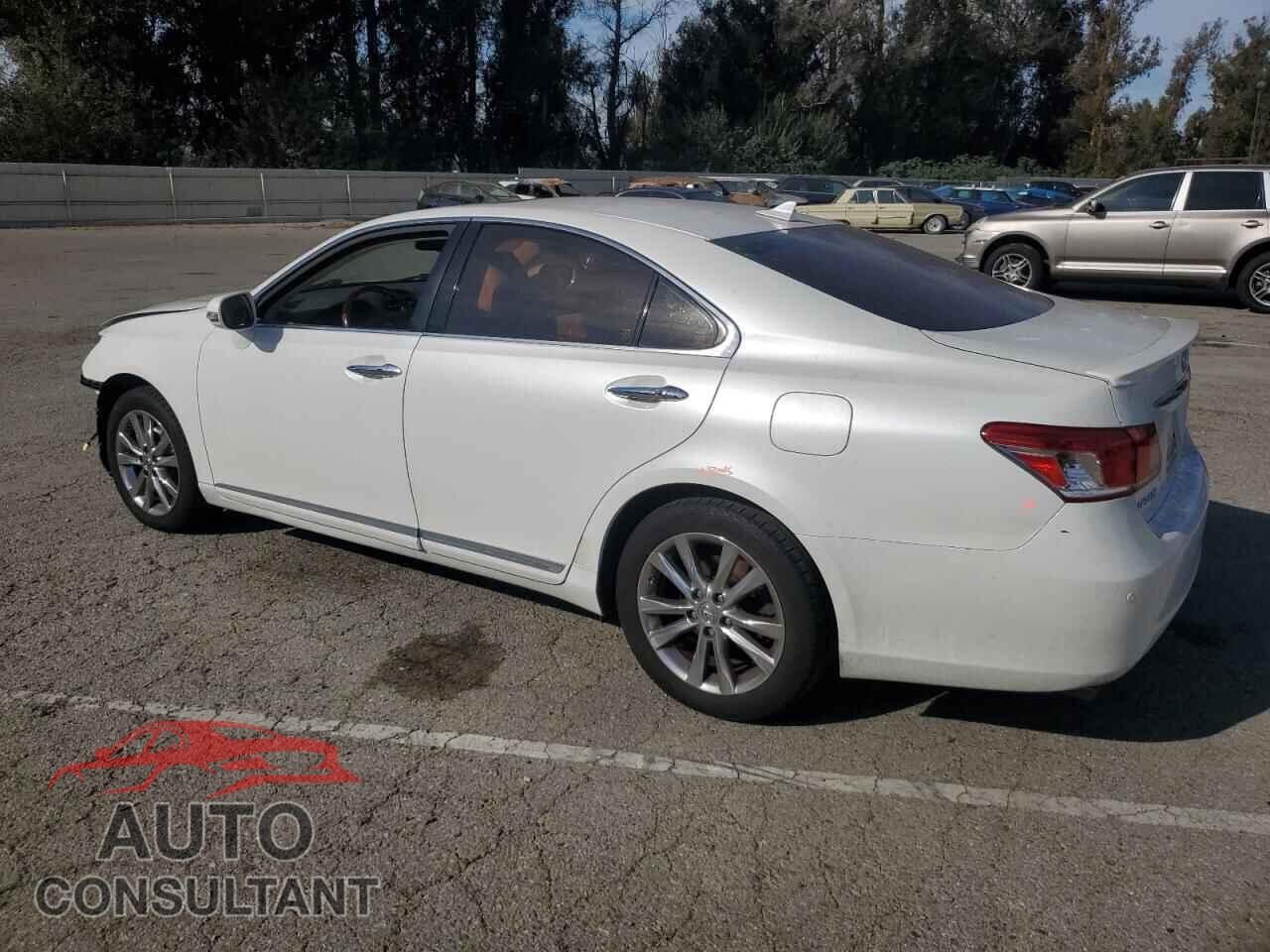
The 2010 Lexus ES350 serves as a hallmark of mid-size luxury, combining a refined 3.5-liter V6 engine with a focus on passenger comfort, reliability, and interior ergonomics. Featuring 272 horsepower and a standard six-speed automatic transmission, this model year received a mid-cycle refresh that updated the front fascia and introduced advanced cabin technology for its era.
Engineering and Powertrain Architecture
The centerpiece of the 2010 Lexus ES350 is the 2GR-FE engine, a 3.5-liter, 24-valve, dual overhead cam (DOHC) V6. This powerplant was engineered to provide a seamless balance between smooth power delivery and fuel efficiency. It features Dual Variable Valve Timing with intelligence (VVT-i), which optimizes valve overlap to maximize torque across the entire RPM range. Producing 272 horsepower at 6,200 RPM and 254 lb-ft of torque at 4,700 RPM, the engine is designed for effortless highway cruising rather than aggressive track performance.
Coupled with the engine is an electronically controlled six-speed automatic transmission (ECT-i) with a sequential shift mode. This gearbox utilizes intelligent shift logic to minimize hunting between gears, prioritizing a quiet, vibration-free experience. The drivetrain is strictly front-wheel drive (FWD), which was a strategic design choice for the ES line, aimed at maximizing interior space and providing predictable handling in various weather conditions.
Chassis, Suspension, and Handling Dynamics
The 2010 ES350 utilizes a sophisticated four-wheel independent suspension system. The front consists of MacPherson struts with coil springs, while the rear features a dual-link MacPherson strut setup. This configuration is tuned specifically for road-noise suppression and impact absorption. Lexus utilized extensive sound-deadening materials, including acoustic glass and strategically placed body sealants, to isolate the cabin from road and wind noise.
The vehicle rides on a 109.3-inch wheelbase, which contributes to its composed stability at highway speeds. The steering system is a rack-and-pinion setup with engine-speed-sensing power assist. While the steering feedback is intentionally light—a design hallmark of the Lexus brand during this period—it remains precise enough for confident maneuvering in urban environments. Braking is handled by four-wheel power-assisted ventilated disc brakes, complemented by an Anti-lock Braking System (ABS), Electronic Brakeforce Distribution (EBD), and Brake Assist.
Interior Features and Ergonomics
The interior of the 2010 ES350 remains a benchmark for the period, prioritizing high-quality materials such as standard leather-trimmed upholstery and available wood trim accents. The cabin was designed with "L-finesse" design language, which emphasized a clean, uncluttered aesthetic.
Key interior features include:
- Dual-Zone Climate Control: Allows the driver and front passenger to set individual temperature preferences.
- Seating Comfort: The standard 10-way power-adjustable front seats include power lumbar support and memory settings for the driver, ensuring consistent ergonomics.
- Connectivity and Audio: The base audio system featured an eight-speaker arrangement with a six-disc CD changer, auxiliary input, and USB/iPod connectivity. Upgraded models were equipped with a Mark Levinson Premium Surround Sound system, which remains highly regarded for its clarity and depth.
- Panoramic Roof: The 2010 model year offered a large glass panoramic roof that extended over the rear seating area, significantly increasing the feeling of openness in the cabin.
Technical Specifications Summary
Understanding the specific dimensions and capacities is essential for maintenance, parking, and long-term ownership planning.
| Specification | Details |
|---|---|
| Engine Type | 3.5L V6 (2GR-FE) |
| Horsepower | 272 hp @ 6,200 RPM |
| Torque | 254 lb-ft @ 4,700 RPM |
| Transmission | 6-Speed Automatic |
| Drivetrain | Front-Wheel Drive |
| Curb Weight | Approx. 3,600 lbs |
| Wheelbase | 109.3 inches |
| Fuel Tank Capacity | 18.5 gallons |
| EPA Fuel Economy (Combined) | 21 MPG |
Safety and Security Systems
Safety was a primary focus for the 2010 Lexus ES350. The vehicle came standard with a suite of eight airbags, including front-seat-mounted side-impact airbags, side-curtain airbags, and a driver’s knee airbag. The Vehicle Stability Control (VSC) system integrates with the Traction Control (TRAC) to monitor wheel slip and adjust engine output or apply individual brakes to maintain the driver's intended path.
The optional Pre-Collision System (PCS) utilized millimeter-wave radar to detect obstacles in front of the vehicle. If the system determined a collision was inevitable, it would automatically tighten the front seatbelts and pre-initialize the Brake Assist to ensure that maximum stopping pressure was applied the moment the driver touched the pedal.
Practical Ownership Considerations
Owning a 2010 Lexus ES350 in 2026 requires attention to specific aging components. While the powertrain is widely noted for its durability—often exceeding 200,000 miles with consistent maintenance—owners should be aware of the following:
- Timing Chain Inspection: Unlike older engines that used belts, the 2GR-FE uses a timing chain. While generally maintenance-free, oil changes are critical. Using the correct viscosity (typically 5W-30 or 0W-20 depending on regional climate and specific service manual updates) is vital to prevent sludge buildup, which can affect the VVT-i solenoids.
- Suspension Bushings: Due to the age of the vehicle, original rubber bushings in the control arms may show signs of dry rot or cracking. Replacing these can restore the "new car" ride quality that is central to the ES experience.
- Electronics and Infotainment: The navigation systems of the 2010 era are dated by modern standards. Many owners choose to utilize Bluetooth streaming adapters or secondary mounts to integrate modern smartphone functionality without modifying the factory dash, which preserves the vehicle's aesthetic.
Frequently Asked Questions
Does the 2010 Lexus ES350 require premium fuel? Lexus recommends premium unleaded gasoline (91 octane or higher) for the 2010 ES350 to achieve the rated performance and efficiency. While the engine management system can adjust timing to handle lower-octane fuel in emergencies, sustained use of lower-grade fuel may lead to a slight reduction in power and decreased fuel economy.
What is the recommended maintenance interval for the transmission fluid? Lexus originally marketed the transmission fluid as "sealed for life." However, automotive specialists strongly recommend a drain-and-fill service every 60,000 to 90,000 miles to ensure the longevity of the planetary gearsets and valve body, especially for vehicles reaching the 150,000-mile mark.
Are there common oil leak points on this engine? Yes, the 2GR-FE engine is known for a potential oil leak from the VVTi oil line (specifically rubber hoses used in early production models). Owners should inspect the area near the firewall on the passenger side of the engine block. If a rubber hose is present, it is recommended to upgrade it to the factory-issued all-metal version.
What is the towing capacity of the 2010 ES350? The 2010 Lexus ES350 is not rated for towing by the manufacturer. Attempting to tow a trailer can place excessive stress on the transmission and the unibody chassis, which is not reinforced for towing loads.
How does the 2010 ES350 compare to the 2010 Toyota Camry? While both vehicles share the same engine platform and some chassis components, the ES350 features higher-grade interior materials, significantly more sound insulation, a more refined suspension tune, and a different exterior body structure. The ES350 provides a quieter and more isolated driving experience compared to the Camry.
Final Recommendation for Owners and Buyers
When evaluating a 2010 Lexus ES350, prioritize vehicles with verified service history, particularly those with documented oil changes. Because the vehicle is now well into its second decade, focus your inspection on the condition of the rubber components, such as coolant hoses, engine mounts, and suspension bushings. If the vehicle has been well-maintained, it continues to offer a superior comfort-to-cost ratio compared to many newer, more complex automobiles. If you are purchasing one today, budget for an immediate fluid refresh—including transmission, brake, and coolant—to establish your own baseline for future maintenance.