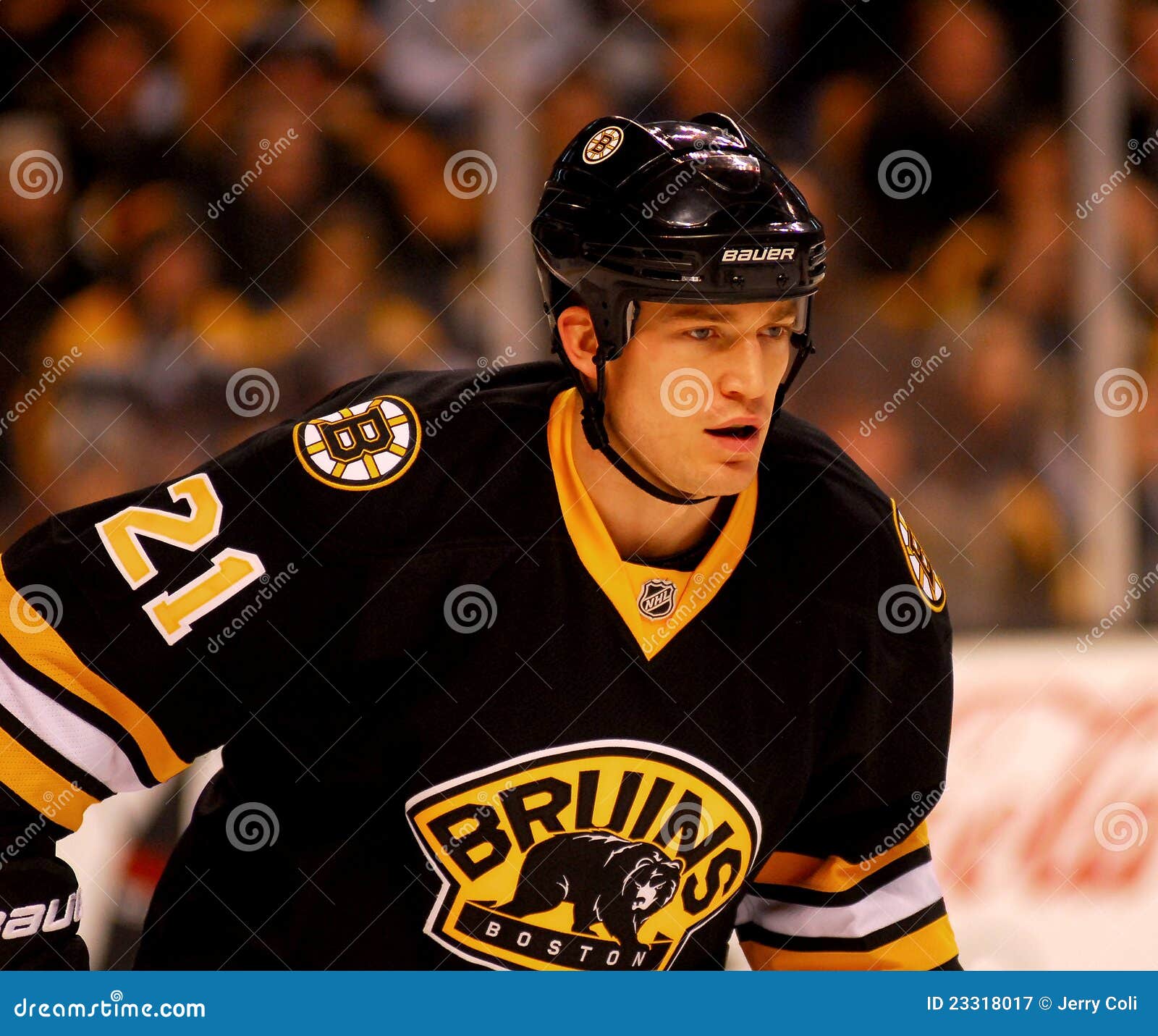
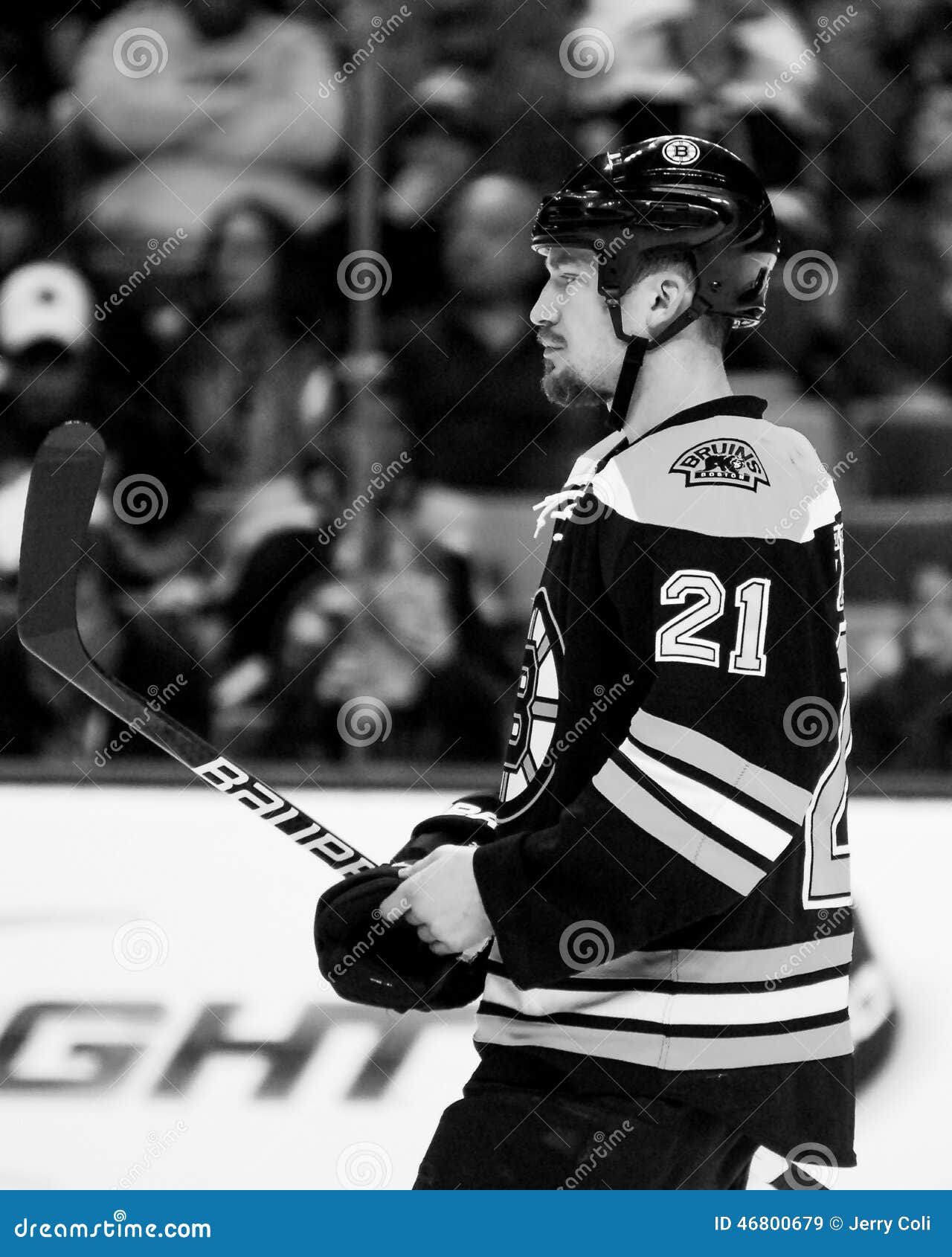
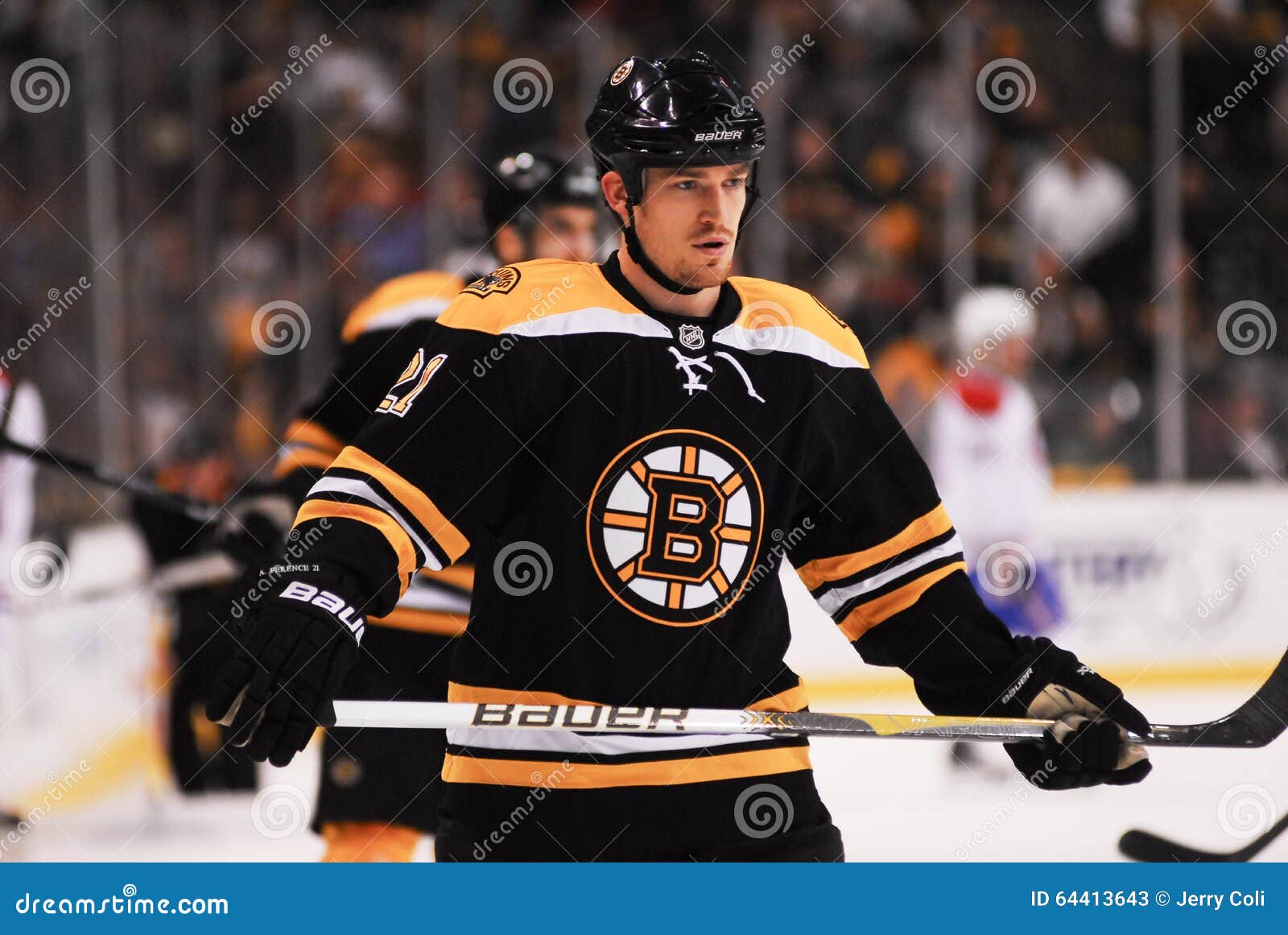
Andrew Ference played for the Boston Bruins from 2007 to 2013, serving as a vital defenseman during the franchise's modern golden era. A key member of the 2011 Stanley Cup championship team, Ference was renowned for his disciplined defensive play, locker room leadership, and commitment to environmental sustainability within the sport.
The Acquisition: Rebuilding the Bruins Identity
To understand Andrew Ference’s impact on the Boston Bruins, one must look back at the state of the franchise in early 2007. The Bruins were a team in transition, seeking to move away from a period of inconsistency and re-establish the "Big Bad Bruins" identity under General Manager Peter Chiarelli. On February 10, 2007, the Bruins made a franchise-altering trade with the Calgary Flames, acquiring Ference and forward Chuck Kobasew in exchange for Brad Stuart and Wayne Primeau.
At the time, Ference was seen as a dependable, mobile defenseman with playoff experience from Calgary’s 2004 run to the Stanley Cup Finals. However, he quickly became much more than a depth chart addition. His arrival coincided with the emergence of Zdeno Chara and Patrice Bergeron as the team’s primary leaders. Ference provided the intermediate leadership bridge—a vocal, gritty presence who understood the tactical requirements of a puck-moving defenseman while embracing the physical toll of the Eastern Conference.
During his initial seasons in Boston, Ference helped stabilize a defensive corps that was often criticized for being too slow. His ability to read the play and exit the zone efficiently became a hallmark of Claude Julien’s "defense-first" system. By the 2008-2009 season, when the Bruins surged to the top of the Eastern Conference, Ference had solidified his role as a top-four defenseman, often paired with more physical partners to balance the ice.
The 2011 Stanley Cup Run: A Career-Defining Performance
The 2010-2011 season remains the pinnacle of Andrew Ference’s tenure with the Bruins. While stars like Tim Thomas and Milan Lucic grabbed the headlines, Ference was the tactical engine of the second defensive pairing. Throughout the 2011 playoffs, Ference’s pairing with Johnny Boychuk became legendary among Bruins fans for its reliability and toughness.
The Montreal Rivalry and the "Glove" Incident
The first round against the Montreal Canadiens was a crucible for the 2011 team. In Game 4, Ference scored a crucial goal to tie the game, but it was his celebration—an inadvertent (or perhaps not) middle finger directed at the Bell Centre crowd—that became a flashpoint. While he was fined by the league and claimed it was a "mechanical failure" of his glove, the incident endeared him to the Boston faithful. It signaled that the Bruins were not going to be intimidated, a mindset that carried them through three Game 7 victories.
Defensive Reliability in the Finals
In the Stanley Cup Finals against the Vancouver Canucks, Ference’s role shifted toward neutralizing high-octane threats like the Sedin twins. His positioning and shot-blocking were essential during the grueling seven-game series. Ference finished the 2011 playoffs with 4 goals and 6 assists for 10 points in 25 games, but his +10 rating told the real story of his defensive efficiency. When the final buzzer sounded in Vancouver, Ference’s veteran presence was credited as a major factor in keeping the locker room composed under the immense pressure of a championship drought dating back to 1972.
Tactical Analysis: The Ference-Boychuk Pairing
One of the most effective defensive tandems in recent Bruins history was the "Ference and Johnny Rocket" duo. This pairing worked because of a perfect synergy of skill sets:
- Puck Retrieval and Transition: Ference was the primary puck-mover. He excelled at the "first pass," finding breaking forwards with precision. This allowed the Bruins to transition from defense to offense without getting trapped in their own zone.
- Physicality and Net-Front Presence: While Ference was not the largest defenseman at 5'11", he played a "heavy" game. He used his low center of gravity to win board battles, while Johnny Boychuk provided the raw clearing power and the devastating "Man-chuk" hits.
- Special Teams Excellence: Ference was a fixture on the penalty kill. His hockey IQ allowed him to anticipate passing lanes, making him one of Claude Julien’s most trusted assets when protecting a lead in the final minutes of a game.
| Season | Games Played | Goals | Assists | Points | +/- | PIM |
|---|---|---|---|---|---|---|
| 2007-08 | 59 | 1 | 14 | 15 | -14 | 50 |
| 2008-09 | 47 | 1 | 15 | 16 | +10 | 40 |
| 2009-10 | 51 | 0 | 8 | 8 | -7 | 16 |
| 2010-11 | 70 | 3 | 12 | 15 | +22 | 60 |
| 2011-12 | 72 | 6 | 18 | 24 | +9 | 46 |
| 2012-13 | 48 | 4 | 9 | 13 | +9 | 35 |
The Cultural Architect: The Bruins "Jacket"
Andrew Ference’s impact on the Bruins extended far beyond the ice. He was a primary architect of the team’s internal culture. Perhaps the most famous example of this was the introduction of the "Bruins Jacket."
Seeking a way to build camaraderie and recognize unsung heroes after a win, Ference sourced an old, beat-up Starter jacket from a thrift store. The jacket was awarded by the previous game's winner to the player who displayed the most "grit" or "hustle" in the current victory. This tradition became a public symbol of the team’s selflessness. It moved the focus away from scoring leaders and toward the "warrior" mentality that Ference himself embodied. As of 2026, many former teammates still cite this period as the most cohesive locker room they ever experienced.
Environmentalism and Social Responsibility
Ference was a unique figure in the NHL during his time in Boston because of his outspoken commitment to environmentalism. At a time when professional sports were just beginning to grapple with their carbon footprint, Ference was leading the charge.
He worked with the David Suzuki Foundation to create the NHL Players' Association Carbon Neutral Challenge, encouraging over 500 NHL players to offset their travel-related carbon emissions. In Boston, he was frequently seen commuting to the TD Garden on his bicycle, even in the depths of a New England winter. This "Green Bruin" persona helped modernize the team's image and showed that a tough, physical hockey player could also be a thoughtful global citizen.
This commitment to social impact paved the way for his post-retirement career. After hanging up his skates in 2017, Ference eventually moved into executive roles, and by 2026, he remains a key figure in the NHL’s Department of Social Impact, Growth, and Fan Development, using the same leadership skills he honed in the Bruins' locker room to grow the game globally.
The Departure: 2013 and the End of an Era
The end of the 2012-2013 season marked the conclusion of Ference's tenure in Boston. The Bruins reached the Stanley Cup Finals again that year, ultimately falling to the Chicago Blackhawks in a heartbreaking six-game series. With the NHL’s salary cap squeezing the roster and a youth movement led by Torey Krug and Dougie Hamilton emerging, the Bruins made the difficult decision not to re-sign the veteran defenseman.
Ference signed with the Edmonton Oilers in the summer of 2013, where he was immediately named captain. While his departure was a business necessity, the void he left in the Boston locker room was palpable. Fans and teammates alike recognized that the "soul" of the 2011 championship core had been altered.
Frequently Asked Questions
Why is Andrew Ference considered a "Bruins Legend" despite not being a Hall of Famer?
Ference’s legendary status in Boston isn't based on elite scoring statistics, but on his role as a "culture setter." He was a critical component of the 2011 Stanley Cup team, providing the toughness and leadership that defined an era of Bruins hockey. His work in the community and his role in establishing team traditions like the post-game jacket have left a permanent mark on the franchise's history.
What happened during the "glove incident" in Montreal?
During the 2011 Eastern Conference Quarterfinals, Ference scored a goal against the Montreal Canadiens and was caught on camera making an obscene gesture toward the fans. He later apologized and claimed it was a spontaneous reaction where his glove got caught, leading to a "mechanical error." While the NHL fined him $2,500, the incident became a piece of Bruins lore, symbolizing the team's defiant attitude against their historic rivals.
How many seasons did Andrew Ference play for the Boston Bruins?
Andrew Ference played 7 seasons for the Boston Bruins, spanning from the 2006-07 trade deadline through the end of the 2012-13 season. During this time, he played 376 regular-season games and 91 playoff games in a Bruins uniform.
What was Andrew Ference's role in the 2011 Stanley Cup Finals?
In the 2011 Finals, Ference served as a top-four defenseman, primarily tasked with shutting down the Vancouver Canucks' top scoring lines. He was a key part of the penalty kill and provided veteran stability during a series that was noted for its high physical intensity and emotional volatility.
What did Andrew Ference do after leaving the Bruins?
After his tenure in Boston, Ference signed with the Edmonton Oilers, where he served as captain for several seasons. He retired from professional hockey in 2017. Following his playing career, he transitioned into a leadership role with the NHL, focusing on social impact, environmental sustainability, and fan development initiatives.
Practical Recommendation for Bruins Fans
If you are a fan looking to relive the impact of Andrew Ference on the Boston Bruins, the best starting point is a deep dive into the 2011 Stanley Cup DVD or documentary features. Pay close attention to the mic’d up segments and locker room footage; you will see Ference as the primary communicator on the bench and the player most often orchestrating the team’s internal celebrations.
Additionally, for those interested in the evolution of NHL leadership, researching the "Bruins Jacket" tradition provides excellent insight into how Ference helped build the team's famous "work-boot" mentality. For modern fans, following Ference’s current work with the NHL’s social impact initiatives provides a great example of how a former "Bruins warrior" is translating his on-ice leadership into positive global change.