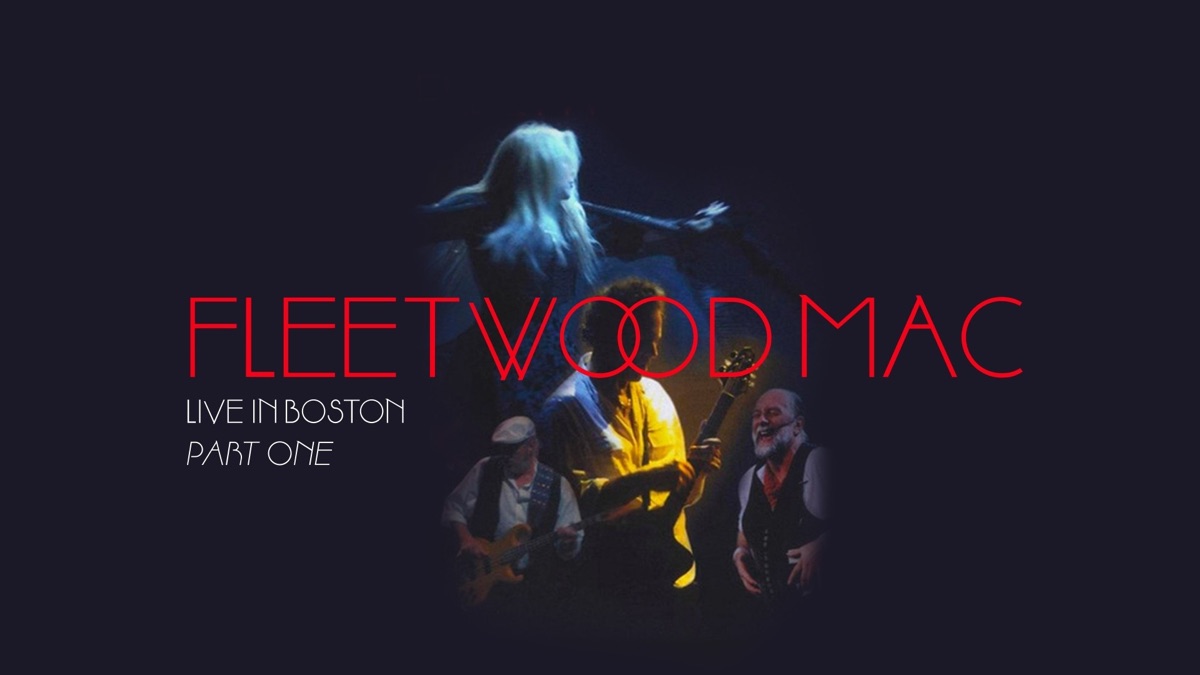
Released in June 2004, Live in Boston captures Fleetwood Mac on their extended "Say You Will" reunion tour, documenting a three-night residency at the FleetCenter in September 2003. This comprehensive release bridges the classic, blues-rooted legacy of the group with their pop-rock mastery, offering a robust showcase of the legendary lineup featuring Mick Fleetwood, John McVie, Lindsey Buckingham, and Stevie Nicks.
Historical Context and Tour Background
Understanding the significance of the 2004 Live in Boston release requires looking back at the trajectory of Fleetwood Mac leading up to the 2003–2004 "Say You Will" world tour. Following the departure of longtime keyboardist and vocalist Christine McVie in 1998, the remaining core quartet—Mick Fleetwood, John McVie, Lindsey Buckingham, and Stevie Nicks—decided to record and tour as a four-piece ensemble for the first time since the early 1970s. The resulting studio album, Say You Will (2003), marked a major return to form, debuting high on the Billboard 200 and setting the stage for an extensive live itinerary.
The band's arrival in Boston during September 2003 presented a crucial juncture for the tour. Having shaken off the initial rust of live performance, the quartet—augmented by a talented backing band featuring touring guitarists, keyboardists, and backing vocalists—hit a definitive stride. Recorded across three consecutive nights at the FleetCenter, the audio and visual production sought to capture not just the hits, but the raw, unscripted chemistry that had sustained the band through decades of interpersonal drama, lineup shifts, and musical evolution.
Rather than relying strictly on nostalgia, the setlists for the Boston shows deliberately intertwined cuts from the new Say You Will album with foundational tracks from the 1975 self-titled breakthrough and 1977's monumental Rumours, alongside deep cuts from the Peter Green blues era and the experimental Tusk period. This multifaceted approach made the subsequent home video and audio releases vital artifacts for both casual fans and dedicated collectors tracing the lineage of one of rock's most enduring institutions.
Configurations, Formats, and Tracklist Structure
The Live in Boston project was issued in multiple formats to cater to both audio enthusiasts and home video consumers, reflecting the multimedia strategy common for major rock releases in the mid-2000s. The primary physical iterations included a standard double-disc compact disc (CD) set and a feature-length DVD, each capturing overlapping yet distinct selections from the multi-night residency.
While the DVD featured a visual document of the performance with immersive surround sound options, the CD release provided a more streamlined, audio-first sequence of the concert experience. Over the years, the project has seen various reissues, including expanded editions and digital streaming availability that consolidated the full breadth of the performances. The structuring of the tracklist is designed to build momentum, moving from acoustic rearrangements to high-octane electric workouts.
Key Content Breakdown Across Formats
| Format | Primary Focus | Notable Features | Audio/Visual Highlights |
|---|---|---|---|
| Double CD Set | Audio-centric compilation | Streamlined track selection across two discs | High-fidelity mixing, energetic live sequencing |
| DVD Release | Complete visual concert film | Bonus backstage footage, interviews | Dolby Digital 5.1 surround sound, multi-camera angles |
| Digital Streaming | Accessibility and expanded reach | Full-length concert availability on major platforms | Remastered dynamic range for digital distribution |
Musical Performance and Arrangement Analysis
A defining characteristic of the 2004 Live in Boston release is the reinvention of classic catalog tracks through Lindsey Buckingham’s intricate acoustic and electric guitar work and the soaring, emotional delivery of Stevie Nicks’ vocal performances. Without Christine McVie’s signature keyboard textures, Buckingham and the supporting instrumentalists adapted key arrangements, often stripping songs down to their bare structural elements before rebuilding them with dynamic intensity.
For example, acoustic renditions of tracks like "Landslide" and "Big Love" highlight Buckingham’s formidable fingerpicking technique, turning stadium-sized anthems into intimate, fragile moments. Conversely, epics like "I'm So Afraid" feature extended guitar solos that showcase Buckingham’s aggressive, blues-rock sensibilities, pushing the performance far beyond the polished studio versions. Meanwhile, rhythm section anchor Mick Fleetwood and bass player John McVie maintain a relentless, organic groove that grounds the more theatrical elements of the stage show.
Vocally, Stevie Nicks brings a weathered, resonant grit to her signature numbers, such as "Gypsy," "Gold Dust Woman," and "Dreams." The interplay between Nicks and Buckingham—whose personal history often mirrored the lyrical tension of their songs—remains a central focal point of the visual presentation. Their shared microphone moments during tracks like "Landslide" and "Silver Springs" carry a tangible weight that validates the documentary value of the release.
Technical Production and Audio-Visual Quality
From a technical standpoint, the production values of Live in Boston set a high benchmark for live rock releases of the era. The audio mixing successfully balances the stadium acoustics of the FleetCenter with the clarity required for home listening environments. Instruments are distinct within the stereo or surround sound field, allowing listeners to isolate Buckingham’s complex guitar layering, McVie’s rolling basslines, and Fleetwood’s dynamic percussion.
The DVD direction avoids the frantic, hyper-edited cutting style that plagued many live music videos of the 2000s, instead favoring measured camera angles that capture the spatial dynamics of the stage. Lighting design reinforces the emotional tone of individual tracks, shifting from the stark, atmospheric spotlighting of acoustic numbers to vibrant, saturated washes of color during up-tempo rock numbers like "Go Your Own Way" and "Second Hand News."
Comprehensive Setlist and Deep Cuts
While the setlist features all the expected chart-toppers, the inclusion of lesser-performed tracks and material from the Peter Green blues era elevates the release above a standard greatest-hits package. The nod to the band's 1960s origins via blues standards serves as a reminder of Mick Fleetwood and John McVie’s foundational roots before the pop-rock transformation of the late 1970s.
Below is an overview of the thematic flow across the primary release iterations:
- Acoustic Openers and Intimate Interludes: Beginning with stripped-down arrangements to showcase vocal and guitar interplay.
- Mid-Era Pop-Rock Core: Delivering stadium staples from Rumours and Tango in the Night with expanded instrumental codas.
- New Era Material: Integrating tracks from Say You Will to prove the four-piece lineup's contemporary creative viability.
- Blues Roots and Extended Encores: Returning to raw, improvisational blues structures and anthemic sing-alongs to close the evening.
Reception, Legacy, and Collector Value
Upon its release in 2004, Live in Boston was met with favorable reviews from music critics and enthusiastic responses from the fan base. Reviewers frequently praised the unvarnished energy of the performances and the impressive stamina of the veteran musicians. For fans who missed the initial legs of the "Say You Will" tour, the release served as an essential documentation of a unique era in the band’s history—one where they successfully navigated the absence of a founding member while honoring their extensive past.
In terms of collector value, physical copies of the original DVD and double-CD releases remain staples for physical media enthusiasts. Because subsequent touring lineups shifted significantly in the years following 2004—most notably with the inclusion of Neil Finn and Mike Campbell in later iterations—Live in Boston holds a specific historical designation as the definitive visual and audio record of the four-piece Buckingham/Nicks/McVie/Fleetwood reunion era.
Frequently Asked Questions
Which specific shows were recorded for Live in Boston?
The release is compiled from performances recorded across a three-night residency at the FleetCenter in Boston, Massachusetts, during September 2003, amidst the band's "Say You Will" tour.
Why is Christine McVie absent from this lineup?
Christine McVie retired from touring and recording with Fleetwood Mac in 1998, leading the remaining four principal members to tour as a quartet for the Say You Will album and subsequent tour until her return in 2014.
What are the primary differences between the CD and DVD versions?
The CD set focuses strictly on the audio experience with an extensive track sequence, while the DVD provides a complete visual concert film along with bonus features such as backstage footage and interviews.
Are there any deep cuts from the Peter Green era included?
Yes, the setlist includes nods to the band's early blues origins, paying tribute to the lineup's foundation before the commercial peak of the late 1970s.
Is Live in Boston available on modern streaming services?
Audio versions of the release are widely available across major digital streaming and download platforms, though physical editions remain sought-after collector items for the complete packaging and DVD film.
Practical Next Actions
For music enthusiasts and collectors looking to explore or expand their library with the Live in Boston release, verifying the specific format requirements is the recommended first step. If seeking the complete visual and immersive experience, source a verified copy of the original DVD release or check authorized digital video storefronts. For dedicated audio collectors, acquiring the physical double-CD set or streaming the high-definition digital audio master ensures access to the full, uncompressed dynamic range of these historic performances.