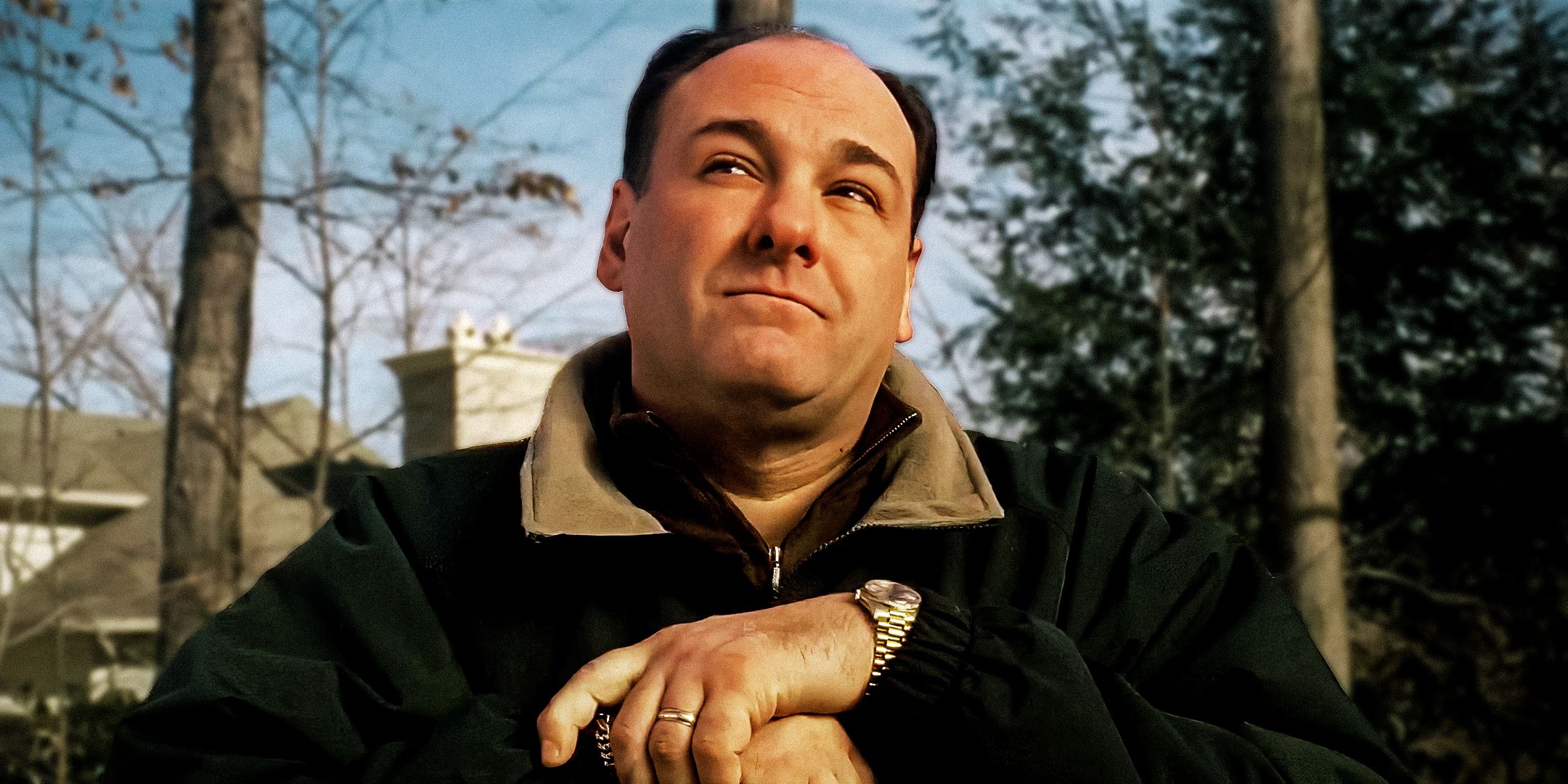
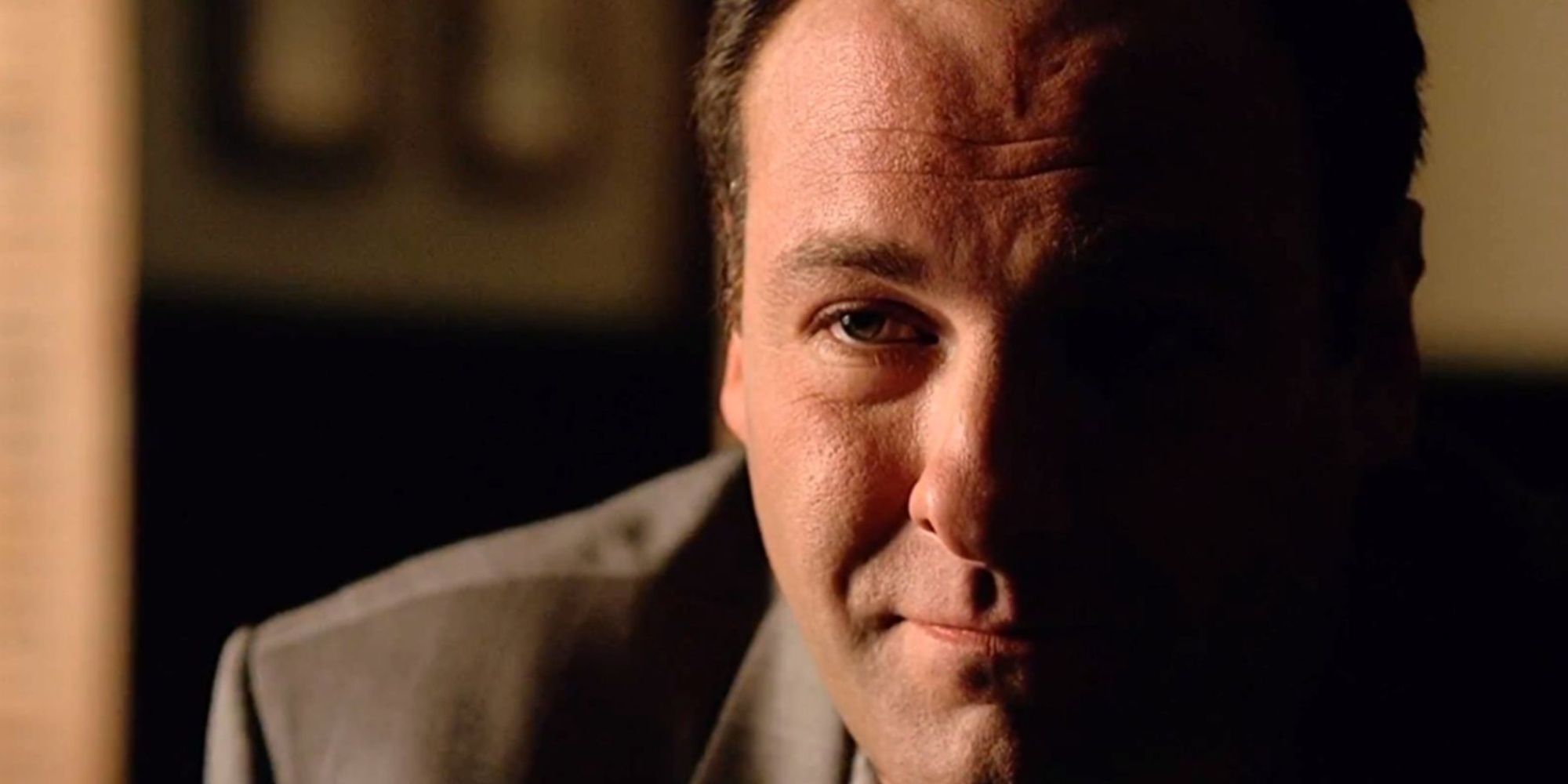
In the second season of The Sopranos, Tony Soprano undergoes profound psychological and familial transformations, most notably shifting from a relatively contained mob capo into a cornered leader burdened by deep-seated paranoia, and transitioning from an emotionally distant patriarch into a man desperately struggling to maintain control over an fracturing household.
Introduction to Season 2: The Stakes of Survival
When HBO’s The Sopranos returned for its second season in January 2000, the landscape of New Jersey organized crime had fundamentally altered. The execution of Big Pussy Bonpensiero's shadow—and the impending reality of betrayal by longtime friends—set a heavy tone. Series creator David Chase and his writing room did not treat the sophomore season as a victory lap. Instead, they weaponized the success of the first season to plunge deeper into the psychological rot of the protagonist.
For Tony Soprano (played by the late James Gandolfini), the pressures of running the DiMeo crime family expanded exponentially following the power vacuum left by Jackie Aprile’s death and Uncle Junior’s incarceration. While Season 1 established the premise—a mob boss with panic attacks in therapy—Season 2 deconstructs the mechanisms Tony uses to survive. Understanding Tony Soprano's evolution in this specific chapter requires analyzing how his professional paranoia eroded his internal psyche and how his domestic environment transformed from a standard suburban fortress into a battleground of manipulation and emotional starvation.
The First Key Shift: From Stoic Boss to Paranoid Strategist
In the inaugural season, Tony Soprano managed his criminal enterprise with a degree of structural predictability. While violence was always an underlying currency, the world operated under recognized rules of engagement, family loyalty, and traditional hierarchical structures. Season 2 shatters this illusion, forcing Tony into his first major transformation: the evolution from a conventional mob captain-turned-boss into an hyper-vigilant, isolated strategist plagued by acute paranoia.
The Return of Richie Aprile and the Erosion of Authority
The catalyst for this psychological shift is the release of Richie Aprile (David Proval) from federal prison. Richie represents an archaic, unyielding era of the mob—a man who refuses to acknowledge Tony’s modern authority. This friction creates a severe operational dilemma for Tony. Unlike Uncle Junior, whose hostility was open and politically motivated, Richie operates with erratic, unpredictable aggression that threatens to destabilize Tony’s crew from within.
Tony cannot simply eliminate Richie without causing a mutiny among older members who respect the Aprile name. Consequently, Tony is forced into a defensive posture, constantly calculating moves three steps ahead. This constant state of threat monitoring marks a departure from the reactive violence of Season 1 to a calculated, exhausting psychological warfare.
The Pussy Bonpensiero Dilemma and Betrayal Anxiety
Simultaneously, the ghost—and eventual return—of Salvatore "Big Pussy" Bonpensiero exerts an immense psychological toll on Tony. The agonizing uncertainty regarding Pussy’s cooperation with the FBI forces Tony to confront a terrifying reality: the closest people to him are the ones most capable of destroying him.
In therapy sessions with Dr. Jennifer Melfi (Lorraine Bracco), Tony’s dreams and waking life bleed together. His anxiety manifests not just as physical panic attacks, but as a pervasive mistrust of human connection. This shift changes his leadership style permanently. He becomes more autocratic, less forgiving, and increasingly detached from the camaraderie that once defined his life in the Bada Bing or Satriale's.
| Metric / Attribute | Season 1 Tony Soprano | Season 2 Tony Soprano |
|---|---|---|
| Primary Stressor | Balancing family and panic attacks | Federal scrutiny and internal mutiny |
| Leadership Style | Charismatic, authoritative, loyal | Paranoid, calculated, isolated |
| Relationship with Crew | Fraternal and hierarchical | Transactional and defensive |
| Coping Mechanism | Compartmentalization and therapy | Hyper-vigilance and emotional numbing |
The Second Key Shift: The Weaponization of the Domestic Sphere
The second monumental shift in Season 2 occurs within Tony’s home, where the boundaries between his criminal life and suburban family life dissolve completely. In Season 1, Tony attempted to construct a psychological firewall between his role as a loving father and his identity as a ruthless criminal. By Season 2, that firewall collapses, and the domestic sphere becomes an extension of his operational battlefield.
Carmela’s Financial Awakening and Moral Complicity
Carmela Soprano (Edie Falco) undergoes a parallel evolution that directly impacts Tony’s domestic control. No longer satisfied with willful ignorance, Carmela begins to understand the true cost of her lifestyle. Her confrontation with Tony regarding money, future security, and infidelity forces Tony to adapt his manipulation tactics.
Tony realizes he can no longer rely on traditional patriarchal charm to keep Carmela compliant. Instead, he must buy her acquiescence, weaponizing financial security against her moral objections. This shifts their marriage from a strained partnership into a transactional arrangement built on shared denial and economic dependency.
Meadow, A.J., and the Loss of Parental Insulation
Furthermore, Tony’s children begin to pierce the veil of his lies. Meadow Soprano (Jamie-Lynn Sigler) navigates the complexities of adolescence while slowly recognizing the violent underworld underwriting her privilege at Columbia University and high school. A.J. (Robert Iler), meanwhile, drifts into apathy and existential dread, mirroring his father’s underlying depression without possessing any of Tony’s coping mechanisms or street smarts.
Tony’s inability to protect his children from his reality—or from themselves—results in a profound sense of parental failure. He attempts to compensate by throwing money and status at them, which only breeds entitlement and rebellion. The home is no longer a sanctuary from the mob; it is the ultimate showcase of the spiritual rot generated by it.
Comparative Impact of Season 2 Shifts
To fully understand the narrative trajectory of The Sopranos, it is essential to examine how these two primary shifts interact with one another. The pressures of the street directly feed the failures at home, creating a feedback loop of trauma and isolation.
| Analytical Dimension | Professional/Criminal Shift | Domestic/Familial Shift |
|---|---|---|
| Core Conflict | Managing insubordination (Richie) | Financial and emotional leverage (Carmela) |
| Psychological Toll | Paranoia, sleeplessness, isolation | Guilt, impotence, loss of sanctuary |
| Narrative Outcome | Permanent loss of trust in peers | Complete erosion of moral distance |
Common Misconceptions About Tony’s Arc in Season 2
Viewers often misinterpret the events of Season 2 by viewing Tony's struggles merely as standard television mob drama tropes. Recognizing the nuances of his character development requires correcting several frequent misreadings:
- Misconception 1: Tony is in control of his crew throughout the season. In reality, Tony spends most of Season 2 reacting to external pressures imposed by Richie Aprile, Junior’s legal status, and the looming FBI investigation. His authority is constantly undermined.
- Misconception 2: Therapy is curing Tony. While Dr. Melfi helps Tony identify his panic triggers, Season 2 demonstrates that therapy often provides Tony with a sophisticated vocabulary to rationalize his sociopathic behavior rather than reform it.
- Misconception 3: Carmela is entirely innocent of the mob's actions. Season 2 highlights Carmela's active negotiation of her lifestyle, proving that her moral outrage is balanced by her reliance on blood money.
Frequently Asked Questions
What triggers Tony Soprano's primary psychological shift in Season 2?
The primary trigger is the convergence of professional betrayal and internal rebellion. The release of Richie Aprile from prison and the agonizing realization that Big Pussy Bonpensiero is an informant force Tony out of his comfort zone, replacing manageable stress with deep, consuming paranoia.
How does Dr. Melfi's role change in Season 2?
Dr. Melfi remains Tony's therapist, but their relationship becomes morally hazardous. Melfi wrestles with the ethics of treating a violent sociopath who uses her insights to become a more effective criminal, deepening the show's exploration of complicity and professional boundaries.
Why is Richie Aprile such a dangerous antagonist for Tony?
Richie represents the old school of the mafia, which views modern protocol with disdain. Because Richie lacks impulse control and refuses to respect Tony's ascension, he forces Tony into difficult political corners where every resolution carries a high risk of civil war within the family.
How does Carmela's character evolve during this season?
Carmela shifts from a passive mob wife into an economically conscious partner who demands financial security in exchange for turning a blind eye to Tony's infidelities and criminal activities, cementing a complex transactional dynamic in their marriage.
What role does the FBI play in shaping Tony's behavior in Season 2?
The FBI's surveillance and recruitment efforts, particularly targeting Pussy Bonpensiero and Adriana La Cerva, create an invisible cage around Tony, amplifying his general mistrust and dictating how he maneuvers his closest associates.
Conclusion and Next Analytical Steps
Season 2 of The Sopranos marks the definitive end of Tony Soprano's innocence—to whatever minor extent it ever existed. By shifting from a relatively secure street boss into a paranoid strategist, and by watching his domestic sanctuary transform into a transactional prison, Tony becomes trapped by the very empire he fought to build. Examining these foundational shifts provides essential context for understanding the psychological degradation that defines the remainder of the series. For viewers and critics alike, studying this season reveals how David Chase redefined television storytelling by anchoring epic crime drama in the quiet, mundane tragedies of domestic and psychological decay.