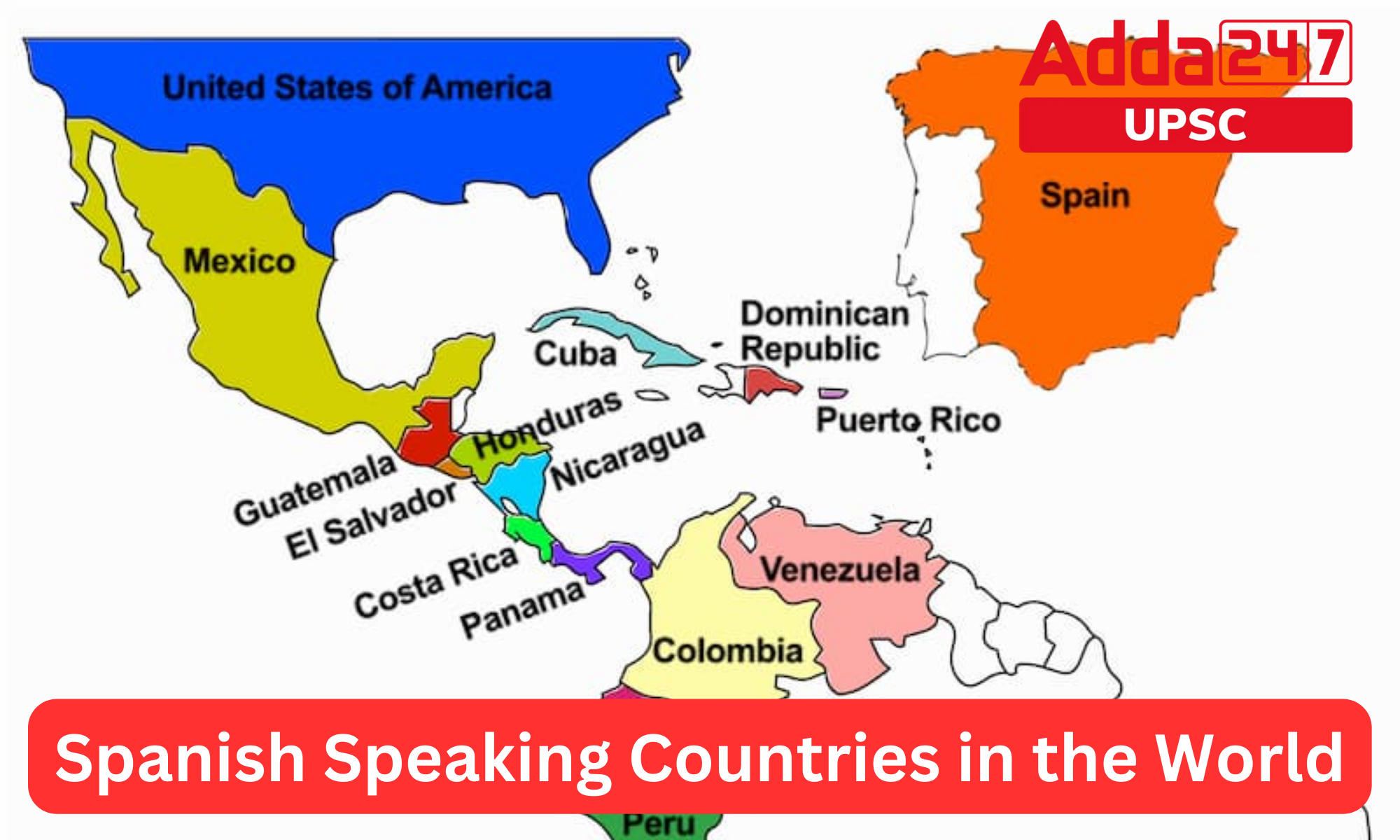
Approximately 13.2 percent of the United States population speaks Spanish at home, reflecting a deeply rooted and continuously evolving linguistic demographic that shapes public policy, education, media, and commerce across the nation. This figure represents tens of millions of citizens and residents who use Spanish as their primary means of daily communication, positioning the United States as one of the largest Spanish-speaking nations in the world by sheer volume of speakers, even though English remains the dominant de facto language of government and business.
Analyzing this demographic reality requires looking beyond a single percentage point. The presence of Spanish in American society spans multiple generations of families, recent immigrants, bilingual professionals, and regional enclaves where Spanish functions as an essential pillar of community infrastructure. Recognizing who these speakers are, where they live, and how their linguistic habits impact various sectors of American life provides critical context for policymakers, educators, healthcare providers, and businesses seeking to engage effectively with diverse populations.
Demographics and Geographic Distribution of Spanish Speakers
The distribution of Spanish speakers across the United States is far from uniform. While 13.2 percent provides a national baseline, concentrations vary dramatically by state, metropolitan area, and neighborhood. Understanding these geographic concentrations is essential for resource allocation, language services, and targeted communication strategies.
States in the American Southwest, Florida, and major metropolitan hubs across the Northeast and Midwest exhibit the highest concentrations of Spanish usage. In states like New Mexico, Texas, and California, Spanish has historical roots that predate the establishment of the modern United States, alongside continuous reinforcement from contemporary migration patterns and transnational family networks. Conversely, many rural and northern states report significantly lower percentages of home Spanish speakers, though even these regions have experienced demographic shifts over recent decades.
Urban Enclaves Versus Rural Communities
Urban centers serve as the primary anchors for Spanish-speaking communities. Cities such as Los Angeles, Miami, New York, Houston, and Chicago feature vibrant Spanish-language media ecosystems, commercial districts, and social institutions. In these environments, Spanish is not merely a private medium of communication within the home; it operates as a public language used in commerce, legal notices, healthcare delivery, and civic engagement.
Rural communities, particularly those tied to agriculture, food processing, and manufacturing industries, also feature significant populations of Spanish speakers. In these areas, the demographic profile often reflects a high proportion of working-age adults and their children. Local institutions in these rural pockets frequently face unique challenges in scaling bilingual services compared to large metropolitan municipalities with established administrative frameworks.
Generational Shifts and Bilingualism
Demographic data regarding Spanish speakers frequently distinguishes between first-generation immigrants, who often maintain Spanish as their dominant or exclusive language, and subsequent generations. A common linguistic phenomenon in the United States is language shift, where children of immigrants grow up bilingual and grandchildren increasingly transition toward English dominance.
However, the continuous influx of new arrivals, combined with the cultural prestige of bilingualism and institutional support for Spanish-language media, acts as a counterweight to complete language assimilation. Many second- and third-generation Americans actively maintain or reclaim Spanish proficiency for professional, cultural, and personal reasons, ensuring that the 13.2 percent figure represents a dynamic pool of speakers rather than a static group destined for rapid linguistic attrition.
| Region / State Type | Typical Concentration of Spanish Speakers | Primary Institutional Impacts |
|---|---|---|
| Southwest Border States | High (Often exceeding 25% to 40% locally) | Bilingual education, judicial translation services, bilingual healthcare staffing |
| Major Metropolitan Centers | Moderate to High (Varies by neighborhood) | Commercial Spanish marketing, municipal multilingual notices, community media |
| Rural Agricultural Hubs | Variable (Concentrated in workforce sectors) | Workplace safety compliance in Spanish, community health outreach, agrarian labor networks |
| Northern & Midwestern Suburbs | Low to Moderate (Growing slowly) | ESL and bilingual integration programs in school districts, localized social services |
Economic, Commercial, and Employment Implications
The economic footprint of the 13.2 percent of Americans who speak Spanish extends across multiple dimensions, encompassing purchasing power, labor market participation, and business strategy. Corporations and small businesses alike recognize that effective outreach requires engaging this segment in their preferred language.
Consumer markets tailored to Spanish speakers generate billions of dollars in economic activity annually. Financial institutions, insurance providers, telecommunications companies, and retail giants routinely invest in bilingual customer service infrastructure, Spanish-language digital platforms, and culturally resonant marketing campaigns. This economic recognition elevates Spanish from a community attribute to a vital driver of market growth.
Labor Market Dynamics
Spanish speakers participate across all sectors of the American labor market, from foundational roles in agriculture, construction, hospitality, and logistics to advanced positions in healthcare, law, education, and technology. Bilingual employees frequently provide critical bridge functions within organizations, facilitating communication between monolingual English management and Spanish-speaking peers or clients.
Despite this high level of participation, Spanish speakers—particularly recent immigrants—may encounter systemic wage gaps or occupational segregation. Addressing these economic disparities often involves expanding access to professional certification recognition, vocational training in Spanish, and equitable labor standards enforcement across industries with heavy immigrant representation.
Entrepreneurship and Business Ownership
Latino-owned businesses, many founded by Spanish speakers or bilingual entrepreneurs, represent one of the fastest-growing segments of the American small business ecosystem. These enterprises contribute significantly to job creation and neighborhood revitalization in urban and suburban markets. Business support organizations increasingly offer technical assistance, capital access programs, and regulatory guidance in Spanish to foster this entrepreneurial momentum.
Educational Landscape and Bilingual Instruction
Education policy in the United States constantly adapts to the needs of students from Spanish-speaking households. School districts serving high percentages of Spanish-speaking children implement various models of language instruction, ranging from English as a Second Language (ESL) programs to dual-language immersion curricula.
Dual-language immersion programs, where native English speakers and native Spanish speakers learn academic content together in both languages, have gained considerable traction. These programs aim to foster academic achievement while developing bilingualism and biliteracy for all participating students, reframing home language maintenance as an intellectual and cognitive asset rather than a barrier to academic success.
Higher Education and Spanish Studies
At the university level, the presence of millions of Spanish speakers has transformed how the language is taught. Traditional academic departments focused exclusively on foreign literature now distinguish between foreign learners of Spanish and "heritage speakers"—individuals who grew up speaking Spanish at home and possess strong conversational skills but may require formal instruction in grammar, academic writing, and orthography.
Healthcare Access and Public Health Considerations
Effective healthcare delivery relies fundamentally on clear communication between practitioners and patients. With 13.2 percent of Americans speaking Spanish at home, healthcare systems face an ongoing mandate to provide qualified medical interpretation, translated discharge instructions, and culturally competent care.
Language barriers in medical settings can lead to misdiagnoses, medication errors, and lower patient compliance with treatment plans. Federal regulations, including Title VI of the Civil Rights Act of 1964, require recipients of federal financial assistance to take reasonable steps to ensure meaningful access for limited-English-proficient individuals. Consequently, hospitals and clinics in high-density regions maintain staff interpreters or contracted remote interpretation services to bridge linguistic gaps.
Public Health Outreach
During public health campaigns—ranging from routine vaccination drives to emergency disaster responses—agencies at the federal, state, and local levels rely on Spanish-language messaging to reach vulnerable communities. Ensuring accurate, accessible communication helps mitigate health disparities and ensures equitable access to preventive care and emergency services.
Frequently Asked Questions
Does the 13.2 percent figure include all Spanish speakers in the United States?
No. This specific statistic generally refers to individuals who report speaking Spanish at home, as tracked by demographic surveys such as the U.S. Census Bureau's American Community Survey. It excludes millions of additional Americans who have studied Spanish as a second language, speak it in professional contexts, or possess conversational proficiency acquired outside the domestic household.
Is Spanish an official language of the United States?
The United States has no official language at the federal level. While English functions as the de facto language of government, law, and business, several U.S. states and territories—such as Puerto Rico and New Mexico—recognize Spanish legally or operationally alongside English in various official capacities.
How does Spanish usage compare to other non-English languages spoken in the U.S.?
Spanish is by far the most widely spoken non-English language in the United States, outnumbering all other immigrant and indigenous languages combined by a wide margin. Languages such as Chinese, Tagalog, Vietnamese, and Arabic follow, but each represents a much smaller fraction of the national population.
What factors drive the retention of Spanish across generations in the U.S.?
Retention is supported by continuous immigration, geographic concentration in ethnic enclaves, robust Spanish-language media and digital content, institutional availability of bilingual services, and a growing cultural appreciation for bilingualism in professional and social spheres.
How do government agencies accommodate Spanish-speaking citizens?
Federal, state, and local agencies frequently provide vital documents, voting ballots, emergency alerts, and customer service hotlines in Spanish. The extent of these accommodations often depends on statutory requirements tied to local demographic thresholds, such as specific percentages or absolute counts of Spanish speakers within a given voting district or municipality.
Practical Next Steps for Organizations and Professionals
For businesses, public agencies, and community organizations seeking to engage effectively with the segment of Americans who speak Spanish, adopting a structured approach yields the best results. Simply translating English text verbatim often fails to resonate due to regional vocabulary differences and cultural nuances.
- Conduct a Needs Assessment: Review local or organizational demographic data to determine the actual proportion of Spanish speakers in your specific service area or customer base.
- Audit Communication Channels: Evaluate existing websites, customer service touchpoints, signage, and documentation to identify gaps in Spanish-language availability.
- Partner with Qualified Professionals: Utilize certified translators and native-speaking professionals rather than automated translation tools for critical legal, financial, or medical communications.
- Foster Internal Bilingual Talent: Recognize and support bilingual employees through appropriate compensation, professional development, and leadership opportunities.