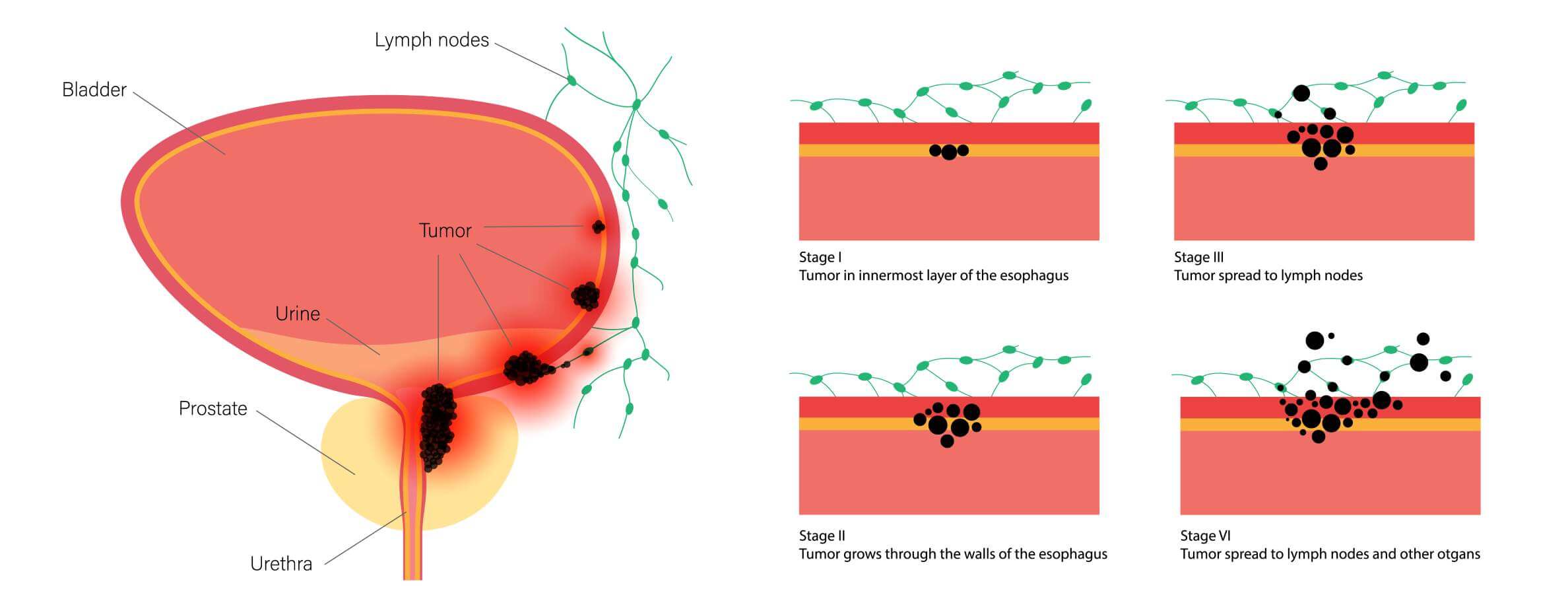
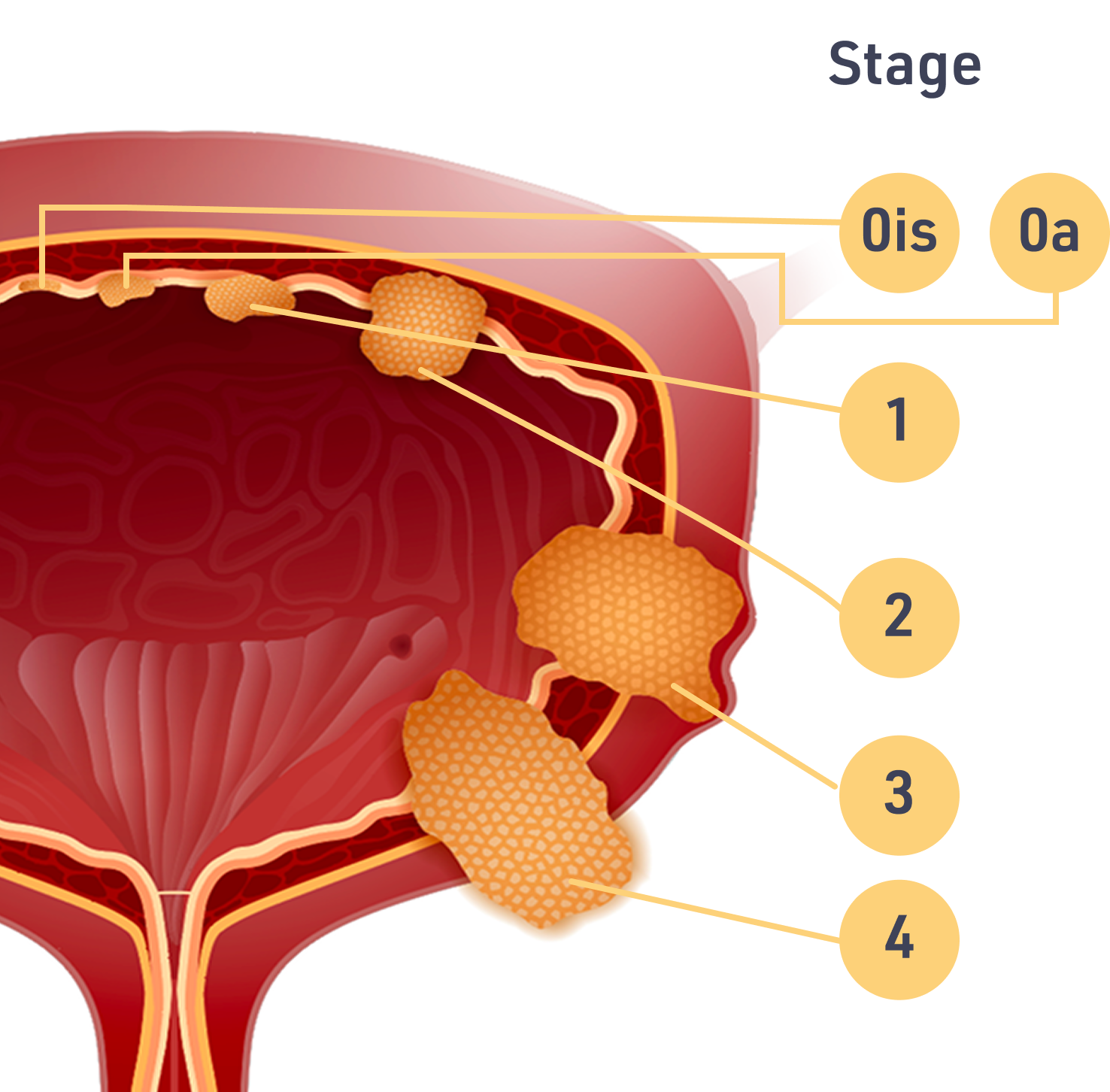
Stage 0 bladder cancer, often categorized as non-muscle invasive bladder cancer (NMIBC), refers to abnormal cells found only on the innermost lining of the bladder. Because these cells have not penetrated the underlying muscle or connective tissue, they are considered highly treatable, typically focusing on surgical removal and measures to prevent the recurrence of future tumors.
Understanding Stage 0 Bladder Cancer
Bladder cancer is staged based on the depth of tumor invasion into the bladder wall. Stage 0 is divided into two distinct sub-classifications: Ta and Tis. Stage 0a (Ta) refers to papillary tumors that grow outward into the hollow center of the bladder like a small mushroom. Stage 0is (Tis), also known as carcinoma in situ (CIS), refers to flat, high-grade tumors that grow along the surface of the lining.
Both forms are confined to the urothelium—the innermost layer of the bladder—and have not spread into the lamina propria or the muscularis propria. While the prognosis for stage 0 is generally excellent, these tumors have a high rate of recurrence. Therefore, the goal of treatment is not only to remove the existing lesion but also to implement a surveillance and maintenance plan to prevent progression to more advanced stages.
Primary Surgical Intervention: Transurethral Resection of Bladder Tumor (TURBT)
The cornerstone of treatment for stage 0 bladder cancer is the Transurethral Resection of Bladder Tumor, commonly referred to as a TURBT. This procedure serves both diagnostic and therapeutic purposes.
During a TURBT, a urologist inserts a cystoscope—a thin, flexible or rigid tube with a camera—through the urethra and into the bladder. Once the tumor is identified, the surgeon uses a wire loop with an electrical current to remove the cancerous tissue. This method allows the surgeon to scrape the tumor off the bladder wall and collect a sample of the underlying muscle tissue to confirm that the cancer has not penetrated deeper than the urothelium.
For most patients, TURBT is performed under general or spinal anesthesia as a same-day or overnight procedure. Because the bladder lining is removed during this process, the bladder heals from the inside out over several weeks. Patients may experience minor urinary frequency, urgency, or mild blood in the urine following the procedure, which are typically managed with oral hydration and standard post-operative care instructions.
Adjuvant Intravesical Therapy
Because stage 0 bladder cancer has a high tendency to return, surgeons often recommend adjuvant therapy. This involves delivering medication directly into the bladder through a catheter to eliminate remaining microscopic cancer cells.
Intravesical Chemotherapy
Immediately following a TURBT—ideally within 24 hours—a single dose of chemotherapy (such as mitomycin-C or gemcitabine) may be instilled into the bladder. This "immediate instillation" is designed to kill circulating tumor cells that may have been dislodged during the resection, significantly reducing the likelihood of tumor implantation at a new site within the bladder.
Intravesical Immunotherapy
For patients with higher-risk stage 0 disease (such as large tumors, multiple tumors, or carcinoma in situ), immunotherapy using Bacillus Calmette-Guérin (BCG) is the gold standard. BCG is a live, weakened form of the bacterium Mycobacterium bovis. When placed in the bladder, it triggers an immune response that recruits white blood cells to the bladder lining, where they effectively attack the remaining cancer cells.
A typical BCG course involves a six-week induction period followed by maintenance therapy, which can last for one to three years depending on the patient’s risk profile and the urologist’s assessment of recurrence probability.
Clinical Comparison of Treatment Approaches
| Treatment Option | Primary Goal | Methodology | Typical Duration |
|---|---|---|---|
| TURBT | Tumor removal & staging | Surgical resection via cystoscope | 30–90 minutes |
| Single-dose Chemotherapy | Reduce recurrence | Intravesical instillation post-TURBT | One-time event |
| BCG Immunotherapy | Destroy residual cells | Intravesical instillation (weekly) | 6 weeks (induction) |
| Close Surveillance | Early detection | Cystoscopy and cytology | Lifelong monitoring |
Surveillance and Follow-up Requirements
Because of the persistent nature of urothelial abnormalities, even after successful resection and initial adjuvant therapy, follow-up is a non-negotiable component of care. In 2026, the standard of care for follow-up involves a rigorous schedule of cystoscopies.
In the first year post-treatment, patients typically undergo a cystoscopy every three months. If no recurrence is observed, this frequency may decrease to every six months in the second year, and eventually annually. This surveillance allows urologists to identify new growths early, often while they are still at the stage 0 level, allowing for minimally invasive intervention rather than major surgery.
In addition to cystoscopy, urine cytology—examining urine samples for abnormal cells—is a standard diagnostic tool. Increasingly, molecular urine markers are being used in conjunction with cytology to improve the sensitivity of detecting recurrence before a visible tumor is apparent on a cystoscope.
Managing Treatment-Related Side Effects
While TURBT and intravesical therapies are highly effective, they are not without side effects.
- Post-TURBT Recovery: Patients may experience bladder spasms, which feel like a strong, sudden need to urinate. Antispasmodic medications are often prescribed to alleviate this discomfort.
- BCG Side Effects: Because BCG induces an inflammatory immune response, it is common to experience "flu-like" symptoms, including mild fever, fatigue, and muscle aches. Local irritation, such as burning during urination or frequency, can also occur. These symptoms usually peak within 24 to 48 hours of treatment and are typically manageable with over-the-counter analgesics.
- Persistent Irritation: A small subset of patients may develop severe bladder inflammation (cystitis). In such cases, the treatment regimen may need to be adjusted, the dose reduced, or the schedule modified by the urologist to ensure the patient can complete the necessary therapy while maintaining quality of life.
Lifestyle and Preventative Considerations
While the primary treatments focus on medical intervention, lifestyle modifications can support the management of bladder health. Smoking is the single most significant risk factor for bladder cancer. Quitting tobacco use is the most effective way to reduce the concentration of carcinogens filtered by the kidneys into the bladder urine.
Maintaining high fluid intake is also encouraged, as it helps dilute the urine and encourages frequent voiding, which minimizes the time that any residual carcinogens spend in contact with the bladder lining.
Frequently Asked Questions
Is stage 0 bladder cancer considered curable? Yes, stage 0 bladder cancer is highly treatable and considered curable in the sense that it is localized and has not invaded the bladder muscle. However, it requires long-term vigilance because it is a chronic, recurring condition of the bladder lining.
Can I avoid surgery for stage 0 bladder cancer? No. TURBT is necessary for the accurate diagnosis and physical removal of the tumor. Without the tissue sample obtained during surgery, it is impossible to confirm the stage or the grade of the cancer, which are critical for determining the subsequent treatment plan.
How often will I need follow-up appointments? Standard follow-up begins with a cystoscopy every three months for at least the first year. The interval is extended only if the bladder remains clear of recurrence over several years of observation.
What is the difference between BCG and chemotherapy? Chemotherapy drugs work by directly killing cancer cells. BCG is an immunotherapy that activates your body’s own immune system to recognize and attack the cancer cells. BCG is generally preferred for high-grade or recurring stage 0 lesions.
Is bladder removal (cystectomy) ever required for stage 0? Rarely. A cystectomy is generally reserved for patients whose cancer does not respond to multiple rounds of BCG therapy or who are at high risk of rapid progression to muscle-invasive disease. It is not a standard first-line treatment for stage 0 disease.
Next Actions and Professional Guidance
If you or a loved one has been diagnosed with stage 0 bladder cancer, your first priority is to consult with a urologist who specializes in urologic oncology. Ask your physician about the specific grade of the tumor—whether it is low-grade or high-grade—as this significantly impacts the recommendation for follow-up intensity and the necessity of adjuvant BCG therapy. Ensure you adhere strictly to the follow-up surveillance schedule; the ability to catch a recurrence early is the most critical factor in long-term successful management of this condition.