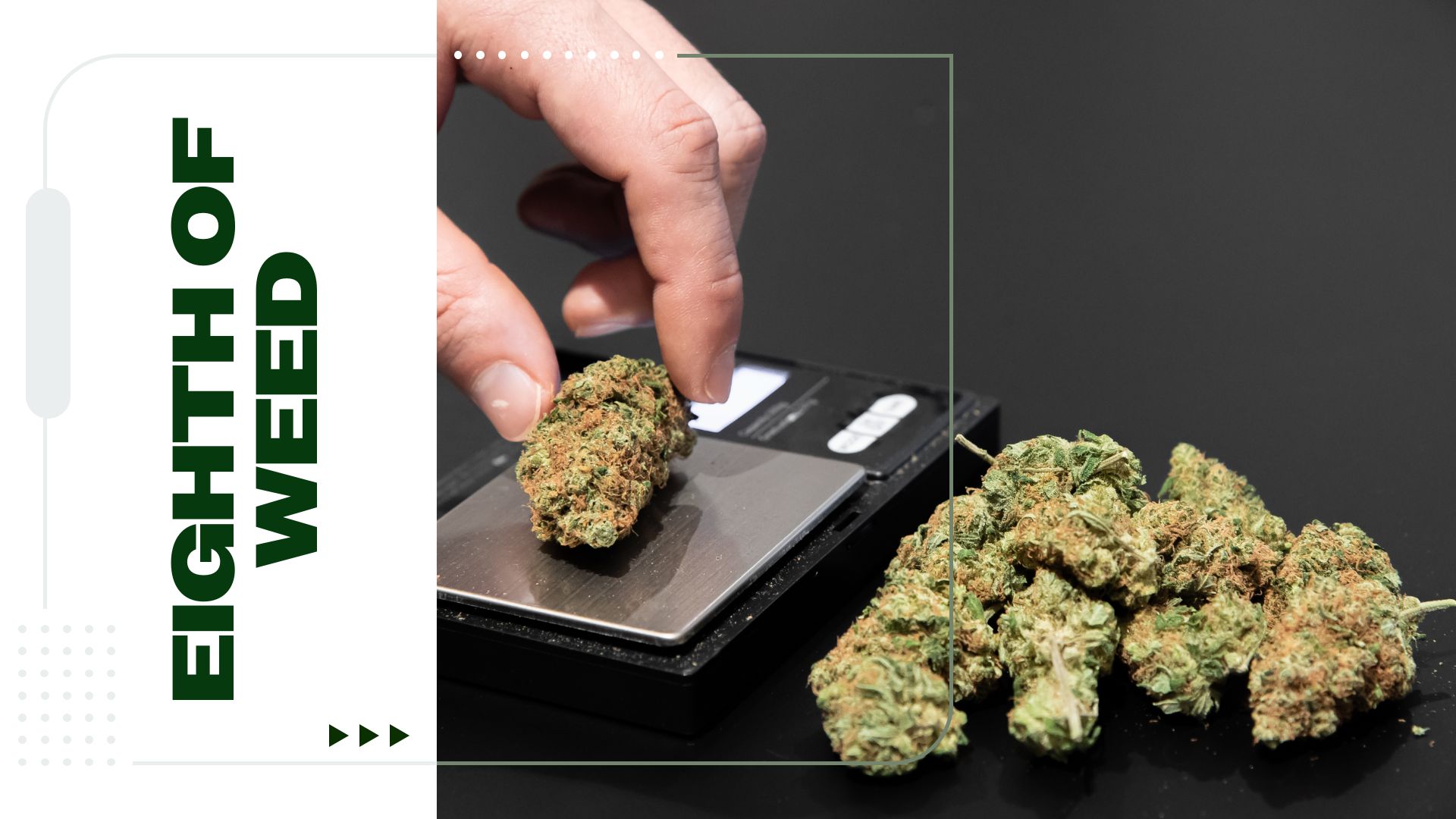
The price of an 8th of an ounce of cannabis typically ranges from $25 to $60 in legal retail markets, though state taxes, product quality, and dispensary location can push prices outside this bracket. Navigating the modern retail cannabis landscape requires an understanding of how weight classifications translate to street and dispensary values, the impact of state-level excise and sales taxes, and the distinction between budget, mid-tier, and craft flower.
What is an "8th" of Weed?
In the cannabis lexicon, an "8th" refers to one-eighth of an ounce. Because the cannabis industry operates largely on metric conversions within retail settings while maintaining imperial units for historical consumer familiarity, an 8th equals precisely 3.5 grams. This measurement serves as the standard baseline purchase for retail consumers across North America and international markets where recreational or medical cannabis is legal.
Understanding this quantity is essential for evaluating cost efficiency. While pre-rolls often contain anywhere from 0.5 to 1.0 gram and are priced at a premium per gram, buying a full eighth provides a more favorable price-per-gram ratio. Larger quantities, such as quarters (7 grams), halves (14 grams), and full ounces (28 grams), generally offer even steeper volume discounts, but the 8th remains the most popular unit of purchase for consumers looking to sample multiple strains without financial overcommitment.
Weight Conversions and Pricing Metrics
To contextualize the price of an 8th, it helps to examine how it fits into the broader purchasing scale. Knowing the weight breakdown prevents confusion at the dispensary counter and allows buyers to calculate exact cost savings when buying in bulk.
- 1 Gram: The smallest standard retail flower increment, typically costing $10 to $20.
- 1/8 Ounce (3.5 Grams): The retail standard, averaging $25 to $60.
- 1/4 Ounce (7 Grams): Often called a "quarter," typically ranging from $50 to $110.
- 1/2 Ounce (14 Grams): Half an ounce, ranging from $90 to $200.
- 1 Ounce (28 Grams): A full "zip," ranging from $150 to $350+ depending on tier and market maturity.
Average Retail Pricing Across Markets
Cannabis pricing varies dramatically depending on the geographic region, regulatory framework, and supply chain maturity. Mature markets with robust agricultural supply, such as Oregon, Washington, and Colorado, often see compressed prices where an 8th of decent mid-tier flower can be purchased for as low as $20 to $30 before tax. Conversely, newer recreational markets or states with high operational barriers, high real estate costs, and steep excise taxes—such as Illinois, Massachusetts, or New Jersey—frequently see 8th prices range from $45 to $65 or more for comparable quality.
Furthermore, distinctions between medical-only markets and adult-use recreational markets play a major role. Medical patients in many jurisdictions enjoy lower tax rates or subsidized pricing tiers, whereas recreational buyers absorb heavy state and local municipality taxes that can inflate the final out-the-door price by 20% to 40%. International markets, such as Germany or Canada, feature federal or provincial pricing structures that stabilize costs across regions, reducing the extreme state-by-state volatility observed in the United States.
Quality Tiers and Grading Systems
Price is rarely arbitrary in the modern dispensary; it reflects a strict tier-based grading system. Dispensaries generally categorize flower into three primary tiers: budget/value, mid-tier, and top-shelf/craft. Each tier serves a different consumer segment and is priced according to specific agricultural and post-harvest inputs.
| Quality Tier | Average Price (8th) | Defining Characteristics |
|---|---|---|
| Budget / Economy | $15 – $25 | Machine-trimmed, smaller buds, lower THC, older harvest dates, outdoor or greenhouse grown. |
| Mid-Tier | $30 – $45 | Balanced potency, decent bag appeal, standard indoor or high-grade light deprivation. |
| Top-Shelf / Craft | $50 – $70+ | Hand-trimmed, high terpene profiles, exceptional bag appeal, living soil or craft indoor grown. |
Budget and Economy Tiers
Budget flower—often marketed as "smalls," "popcorn buds," or "shake"—appeals to cost-conscious consumers. These buds are typically harvested from the lower branches of the plant or originate from large-scale greenhouse and outdoor grows where operational costs are lower. While the THC percentage may be slightly lower or the cure less refined, budget options provide a cost-effective entry point for casual consumers or those who prioritize volume over complex terpene profiles.
Mid-Tier Options
Mid-tier cannabis represents the baseline expectation for standard commercial indoor or high-grade mixed-light cultivation. Pricing sits comfortably in the middle of the spectrum. These strains offer reliable potency, dependable effects, and standard aromatic profiles. For the average consumer, mid-tier options deliver a balanced price-to-performance ratio without the inflated branding costs associated with celebrity or boutique cultivars.
Top-Shelf and Craft Cultivation
Top-shelf, boutique, or craft cannabis commands the highest price points. Cultivators operating at this tier utilize meticulous indoor environmental controls, specialized organic nutrients, hand-trimming techniques, and extended curing processes to maximize cannabinoid and terpene preservation. Consumers pay extra for superior bag appeal, dense trichome coverage, complex aromas, and intense flavor profiles that define premium cannabis experiences.
Key Factors Influencing the Cost of an 8th
Several underlying economic and agricultural variables dictate why the price of an 8th fluctuates between dispensaries, regions, and seasons. Understanding these drivers helps consumers decipher why identical weights carry drastically different price tags.
Cultivation Methods and Energy Costs
Indoor cultivation requires massive investments in high-intensity discharge (HID) or light-emitting diode (LED) lighting, climate control systems, dehumidifiers, and automated irrigation. Because electricity and real estate represent major overhead costs, indoor-grown flower is inherently more expensive than sun-grown outdoor or light-deprivation greenhouse cannabis.
Taxation and Regulatory Compliance
Government oversight is one of the single largest contributors to retail cannabis pricing. Legal operators must navigate strict compliance testing, seed-to-sale tracking software, municipal licensing fees, and heavy excise taxes. In many jurisdictions, state excise taxes, local cannabis taxes, and standard state and city sales taxes compound at the point of sale, turning a $40 menu price into a $55 out-the-door total.
Supply and Demand Dynamics
Like any agricultural commodity, cannabis is subject to macroeconomic supply cycles. Periods of overproduction—often referred to as "green rushes"—lead to market saturation, forcing dispensaries to slash prices to clear aging inventory. Conversely, stringent regulatory bottlenecks, crop failures, or rising operational costs can restrict supply, driving up the retail price of an 8th across regional markets.
Branding, Packaging, and Lab Testing
Consumer-facing expenses also impact the final cost. Premium brands invest heavily in child-resistant, airtight, custom packaging designed to preserve freshness and shelf-life. Additionally, mandatory state compliance testing for heavy metals, pesticides, microbial contaminants, and precise cannabinoid profiles adds testing overhead that is ultimately passed down to the retail buyer.
Hidden Costs: Taxes, Delivery Fees, and Tips
When budgeting for an 8th of weed, looking only at the menu price can lead to unexpected expenses at checkout. Retail consumers must account for additional financial variables that alter the final transaction amount.
- Excise and Sales Taxes: Always verify whether the menu prices displayed online include local and state taxes. In recreational markets, taxes are frequently added at the register.
- Delivery Fees: Utilizing cannabis delivery services often incurs a flat delivery fee or requires meeting a minimum pre-tax purchase threshold to qualify for waived delivery charges.
- Budtender Gratuities: Tipping budtenders is customary in North American retail dispensaries, similar to service industry standards, adding a small variable to the cash total.
Frequently Asked Questions
How many joints can you roll out of an 8th of weed?
An 8th (3.5 grams) typically yields between 3 and 7 standard joints, depending on the rolling style and device used. If rolling standard 0.5-gram joints, an 8th will produce roughly 7 joints. Rolling larger 1-gram joints will reduce the total output to about 3 or 4 joints. Using dry herb vaporizers or bowls can stretch this amount significantly further due to increased consumption efficiency.
Is it cheaper to buy an 8th or multiple individual grams?
Buying an 8th is almost always more cost-effective than purchasing three or four individual grams. Dispensaries structure their pricing tiers to incentivize larger volume purchases. While a single gram might cost $15 to $20, buying a 3.5-gram 8th reduces the average price per gram, offering better overall value for regular consumers.
Do medical patients pay less for an 8th than recreational buyers?
In many dual-market jurisdictions, registered medical cannabis patients are exempt from specific state excise taxes or benefit from lower overall tax rates compared to adult-use recreational buyers. However, the base wholesale price of the product from the cultivator remains largely consistent, meaning the primary savings for medical patients come from tax exemptions rather than base product discounting.
Why do cannabis prices vary so much between neighboring states?
Regional price disparities stem from differences in state legislative frameworks, the speed of licensing rollouts, local zoning restrictions, and regional energy costs. States with restrictive licensing caps often experience artificial supply shortages that keep prices high, whereas states with open, mature agricultural markets experience fierce retail competition that drives down the cost of an 8th.
Does the price of an 8th drop over time as the harvest ages?
Dispensaries frequently discount flower nearing its expiration or harvest date to clear shelf space for fresh inventory. While aged cannabis may exhibit a slight degradation in terpene vibrancy or color, budget-conscious buyers can often find high-potency mid-tier or top-shelf 8ths at discounted clearance rates during promotional sales events.
Practical Recommendations for Consumers
To secure the best value when purchasing an 8th of cannabis, consumers should plan their purchases around dispensary promotions, loyalty programs, and daily specials. Many retailers offer designated discount days, bulk-mix matching, or first-time customer incentives that significantly lower the cost. Always review online menus to confirm whether listed prices include taxes, and compare local dispensaries to ensure competitive pricing within your specific regional market.