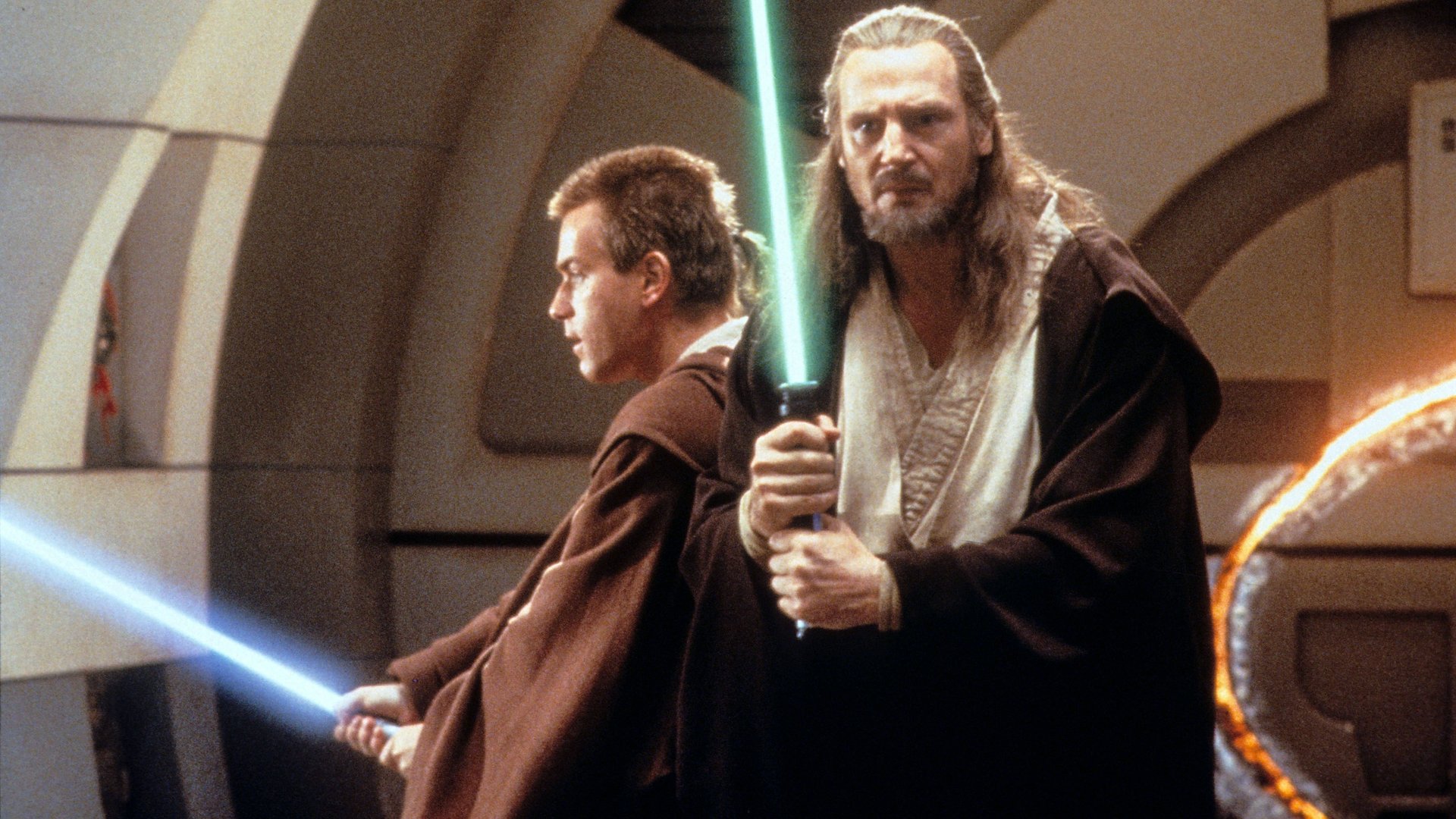
Liam Neeson’s portrayal of Jedi Master Qui-Gon Jinn in the Star Wars franchise remains a singular, pivotal contribution to the galaxy far, far away. Introduced in the 1999 film Star Wars: Episode I – The Phantom Menace, Neeson brought a grounded, philosophical gravitas to a cinematic universe previously defined by the stark archetypes of the original trilogy. His performance established the ideological foundation for the prequel era, influencing the trajectory of Anakin Skywalker and the eventual shift in the Jedi Order’s traditional dogmas.
The Role of Qui-Gon Jinn: A Departure from Jedi Orthodoxy
When Liam Neeson was cast as Qui-Gon Jinn, the character was written as an outlier within the Jedi Council. Unlike the stoic, rule-abiding masters who occupied the Jedi Temple on Coruscant, Qui-Gon was defined by his "living Force" philosophy. He emphasized the importance of mindfulness and intuition, often prioritizing the immediate needs of sentient beings over the rigid bureaucratic mandates of the Republic or the Council.
Neeson’s acting style—characterized by a weary, paternal patience—perfectly embodied the conflict between a seasoned mentor and a detached institution. In The Phantom Menace, Qui-Gon serves as the primary bridge between the audience and the complexities of the Force. He is the first to recognize Anakin Skywalker’s potential as the Chosen One, defying the explicit instructions of Yoda and Mace Windu to train the boy. This decision serves as the inciting incident for the entire fall of the Republic and the eventual rise of the Galactic Empire. Without Neeson’s specific brand of authority, the gamble Qui-Gon takes on Anakin would feel less like a calculated risk and more like a simple error in judgment.
Chronological Appearances and Narrative Scope
While Liam Neeson’s primary onscreen appearance is limited to Episode I, the character of Qui-Gon Jinn persists throughout the Star Wars narrative architecture. The following table summarizes his key appearances and their narrative significance within the Skywalker Saga.
| Appearance Type | Title | Narrative Significance |
|---|---|---|
| Live-Action Film | The Phantom Menace | Introduction, discovery of Anakin, death at the hands of Darth Maul. |
| Voice Appearance | Attack of the Clones | A disembodied cry of grief heard by Yoda during Anakin’s massacre of the Tusken Raiders. |
| Animated Series | The Clone Wars | Appears as a Force spirit to Yoda, guiding him toward the discovery of Force immortality. |
| Live-Action Series | Obi-Wan Kenobi | Appears as a Force ghost to mentor Obi-Wan, signifying the completion of his training. |
| Literature | Master & Apprentice | Explores his early relationship with Obi-Wan and his obsession with prophecy. |
The Significance of the Force Ghost
One of the most profound elements of Neeson’s return to the role in 2022's Obi-Wan Kenobi series was the revelation that Qui-Gon had successfully unlocked the secret of maintaining consciousness after death. This was not a power known to the Jedi of the prequel era; it was a path Qui-Gon discovered through his independent studies. His mentorship of Yoda and later Obi-Wan Kenobi ensures that the Jedi philosophy survives the dark times. By appearing to Obi-Wan in the desert of Tatooine, Neeson’s character validates the survival of the Light Side of the Force when the Jedi Order itself has been dismantled.
Technical Execution and Performance Dynamics
From a production standpoint, Liam Neeson’s presence in The Phantom Menace was a significant investment for Lucasfilm. His performance necessitated a blend of traditional dramatic acting and the heavy use of early-era digital compositing. The duel on Naboo, known as the "Duel of the Fates," remains a benchmark for cinematic choreography. Neeson trained extensively for the sequence, performing much of his own stunt work to ensure that Qui-Gon’s fighting style—Form IV, or Ataru—looked both aggressive and elegant.
The technical requirement for Neeson was to anchor the film’s increasingly CGI-heavy environments. In scenes featuring Jar Jar Binks or battle droids, Neeson often acted against stand-ins or green-screen markers. His ability to maintain consistent emotional intensity in these artificial settings allowed the audience to remain invested in the stakes of the plot. His performance serves as a testament to the importance of human-centric acting in the transition from practical, puppet-heavy production to the digital-first methodology that would define the mid-2000s.
Philosophical Contributions to the Jedi Lore
Qui-Gon Jinn is frequently cited by fans and critics as the "best" Jedi, not because he was the most powerful, but because he was the most human. His willingness to question the Council’s authority highlighted a fundamental flaw in the Jedi Order: they had become too concerned with politics and not enough with the suffering of individuals.
Neeson’s portrayal captures this tension perfectly. He is respectful but firm, and he consistently operates with a sense of quiet melancholy. His belief in the prophecy of the Chosen One creates a tragic irony; he is the man who finds the savior, but he dies before he can ensure the savior is protected from the influences that eventually turn him to the dark side. This adds a layer of structural tragedy to the prequel trilogy; the one person who might have been able to guide Anakin effectively was removed from the board before the real challenge began.
Common Misconceptions Regarding the Character
There is often debate regarding whether Qui-Gon Jinn was a "rebel" or merely a "pragmatist." A common misconception is that his defiance of the Council was a sign of his arrogance. In reality, the material suggests the opposite. Qui-Gon’s actions are consistently rooted in his sensitivity to the Force. When he argues with Mace Windu or Yoda, he is doing so based on his belief that the Force is guiding him to act, rather than the political consensus of the high masters.
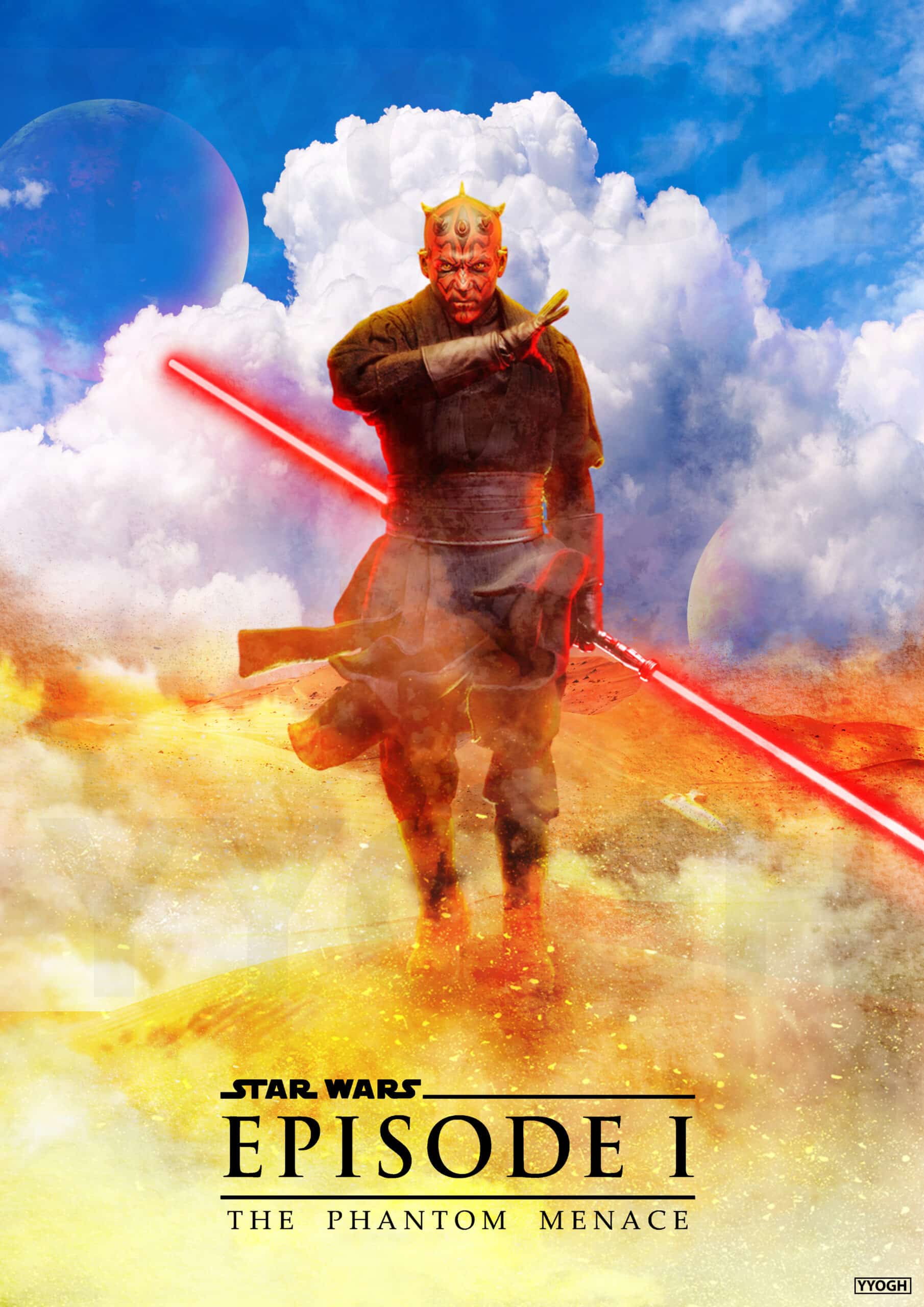
Another frequent point of discussion is the "death" of the character. Some viewers perceive his defeat by Darth Maul as a weakness in his skill as a combatant. However, within the context of the lore, the duel is presented as a battle against a specialized assassin who was trained specifically to dismantle the Jedi style. Neeson’s performance during the final moments of the fight conveys the exhaustion of a master who understands he is being outmatched in speed, highlighting the shifting nature of the galaxy’s power structures.
Frequently Asked Questions
Did Liam Neeson do his own stunts in The Phantom Menace?
Yes, Liam Neeson performed a significant portion of his own choreography for the lightsaber duels. While professional stunt performers handled the most dangerous acrobatics, Neeson’s physical stature and training allowed for a grounded portrayal of the Ataru lightsaber form that would have been difficult to replicate with a double.
Will Liam Neeson return as Qui-Gon Jinn in future Star Wars projects?
As of 2026, there have been no official announcements regarding further appearances. Neeson has expressed a fondness for the character and the franchise, though he has noted in various interviews that he prefers for the character's legacy to remain focused on his primary narrative impact rather than over-exposure.
Was Qui-Gon Jinn supposed to train Obi-Wan differently?
The relationship between Qui-Gon and Obi-Wan is depicted as a clash of ideologies. Qui-Gon was a "living Force" enthusiast, while Obi-Wan was a "cosmic Force" devotee who believed strictly in the Council’s teachings. Neeson’s performance shows he viewed this difference as a strength, hoping to teach Obi-Wan to trust his instincts rather than just the code.
Why is Qui-Gon Jinn’s ghost important?
His ability to manifest as a Force ghost represents the ultimate victory over the Sith. Since the Sith were obsessed with physical power and conquering death through unnatural means, Qui-Gon’s achievement—attained through humility and letting go—proves that the Jedi path leads to true, spiritual transcendence.
How did Liam Neeson influence the tone of the prequel trilogy?
Neeson’s casting helped legitimize the start of the prequel trilogy for many skeptics. By providing a performance that felt grounded in traditional dramatic stakes, he helped balance the film's more whimsical or experimental elements, serving as the central moral compass for the narrative.
Strategic Recommendations for New Viewers
For those looking to fully appreciate the impact of Liam Neeson’s contribution to the franchise, it is recommended to watch the films and series in their intended chronological order of release rather than strictly narrative order. Start with The Phantom Menace to see the character at the height of his active service, then move into the Star Wars: The Clone Wars episodes featuring his Force spirit.
Finally, revisit the Obi-Wan Kenobi series with the knowledge of how Qui-Gon’s early choices shaped Obi-Wan’s later isolation. Understanding the full arc of the character reveals that Liam Neeson did not just play a Jedi; he played the architect of the Jedi’s eventual spiritual survival. By focusing on his philosophy and the specific, measured choices of his character, one can gain a much deeper appreciation for the transition between the age of the Republic and the age of the Rebellion.