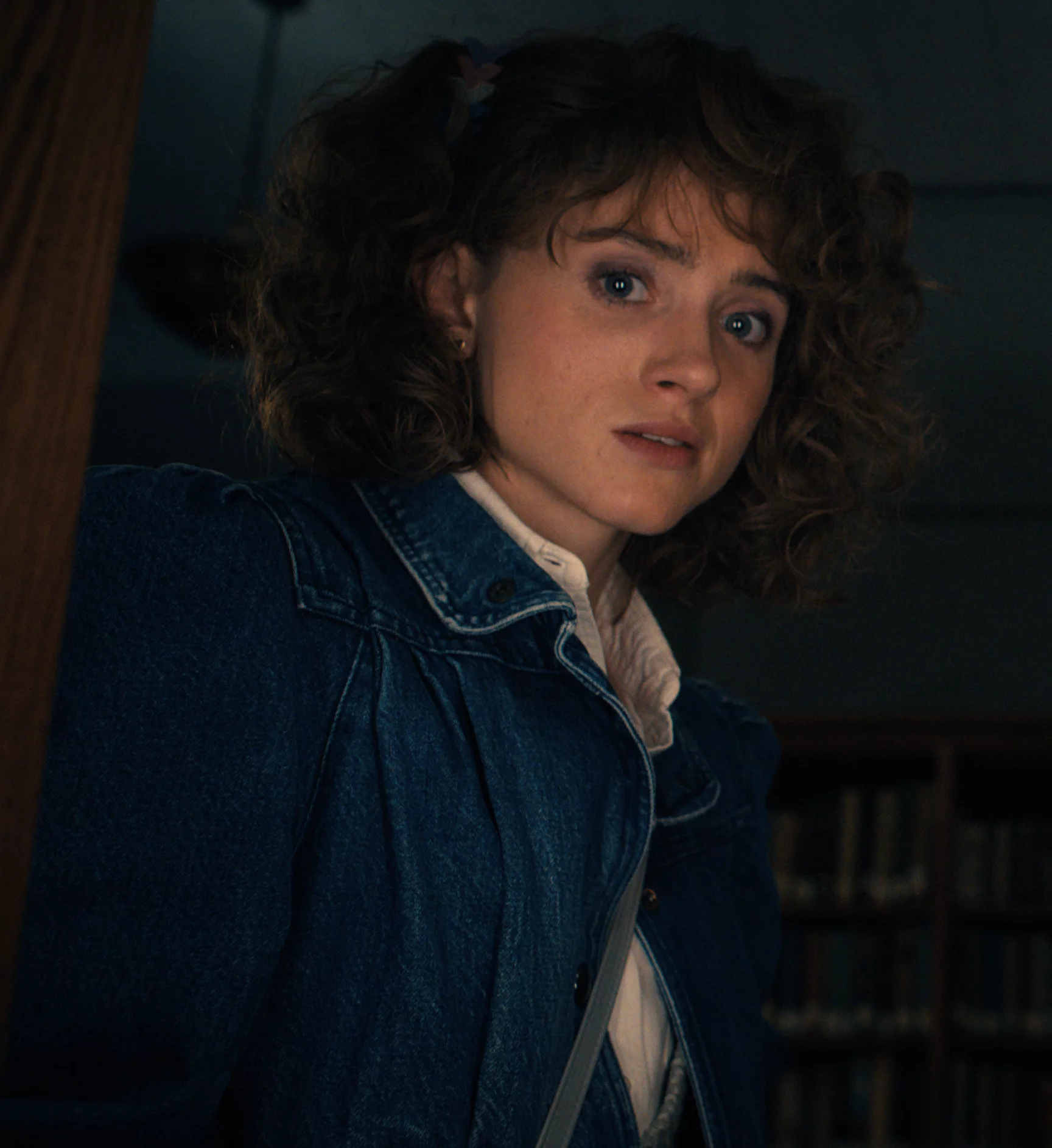
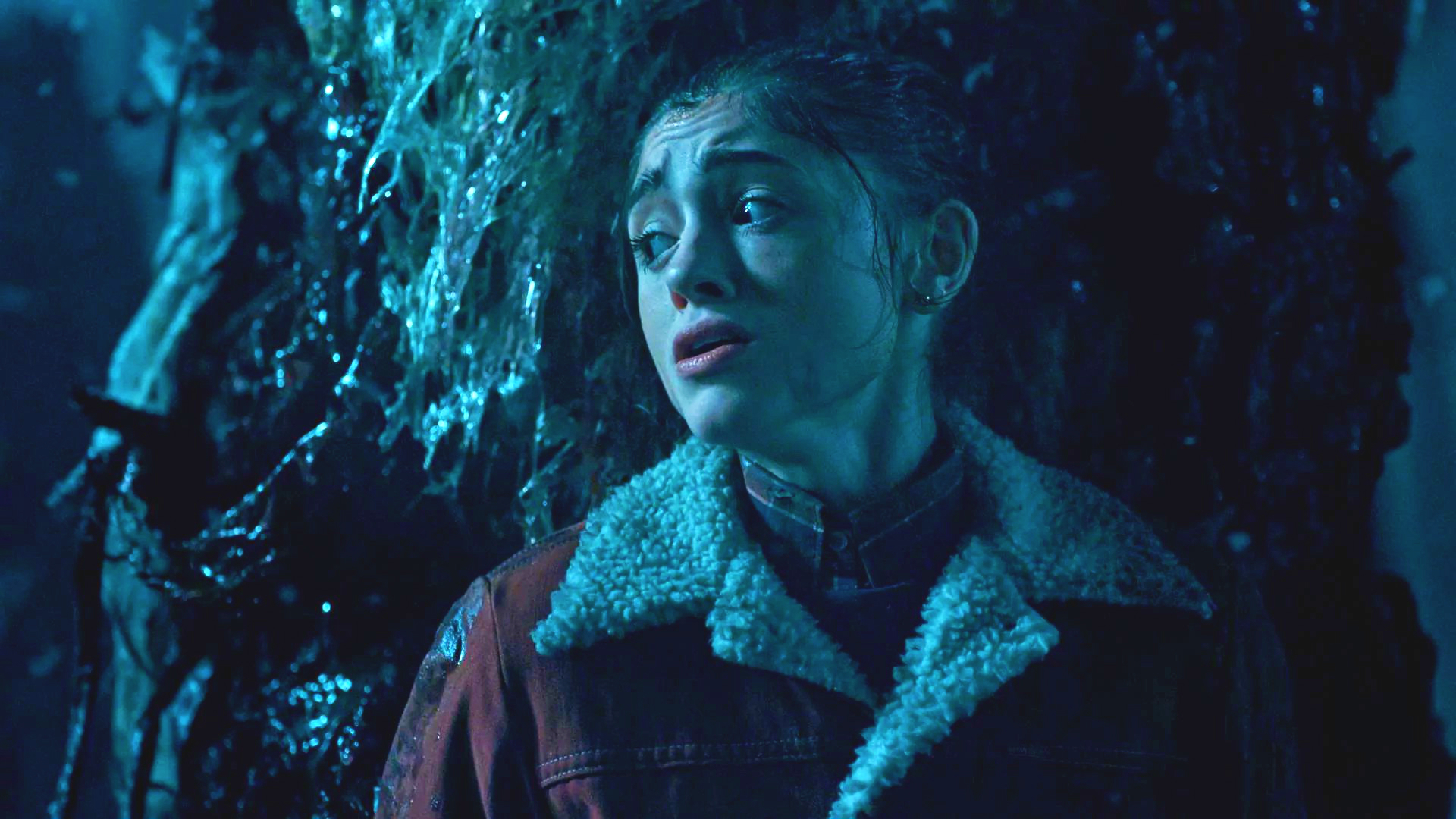
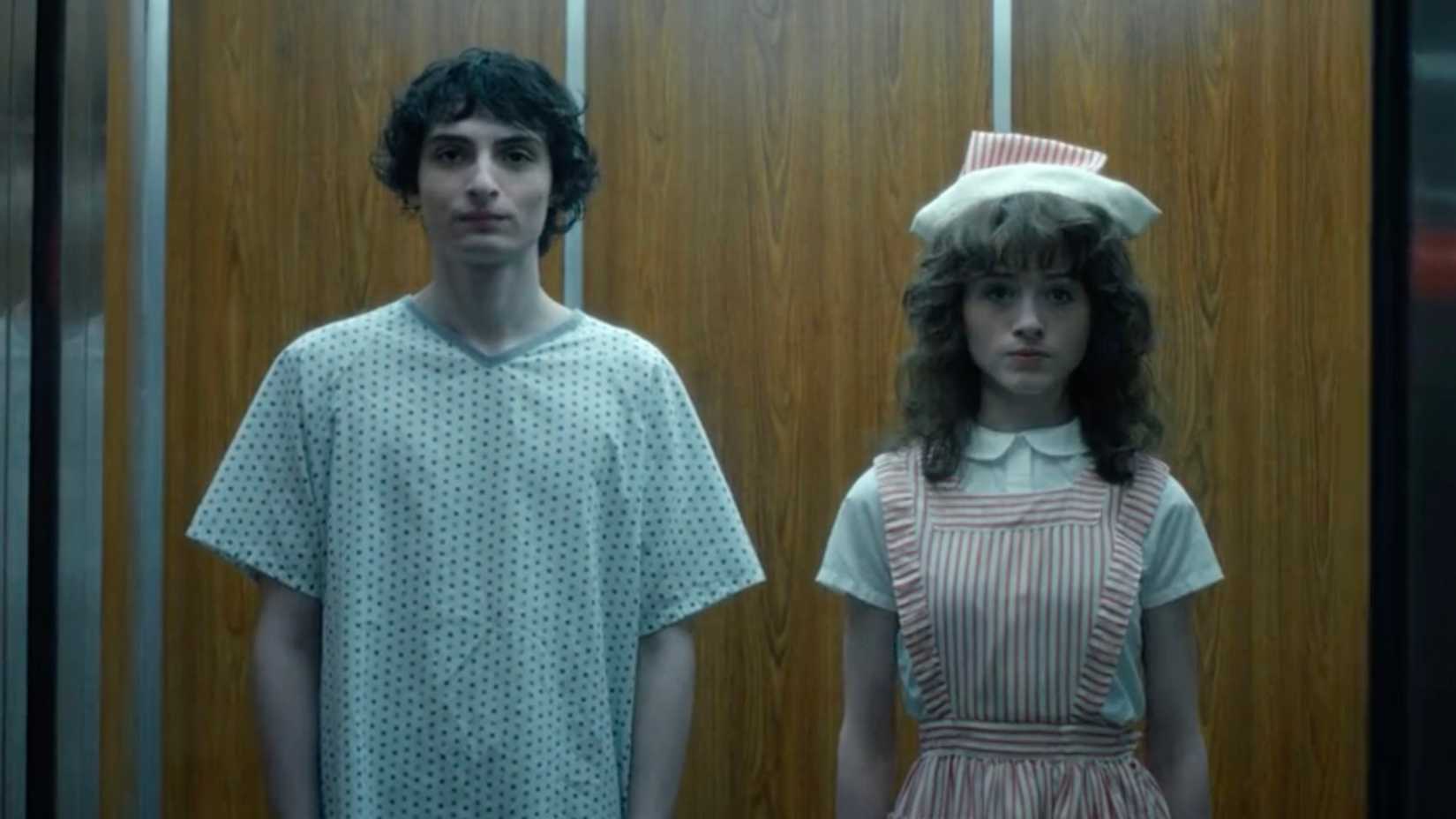
In the canonical narrative of Stranger Things, Nancy Wheeler is not portrayed as gay. Throughout all five seasons of the hit Netflix series, her primary romantic relationships have been with male characters, specifically Steve Harrington and Jonathan Byers. While fan speculation and "shipping" with characters like Robin Buckley exist, Nancy remains heterosexual in the show's official script.
The Evolution of Nancy Wheeler: From Suburban Teen to Monster Hunter
To understand the discourse surrounding Nancy Wheeler’s sexuality, one must first look at the trajectory of her character since the series debuted in 2016. By 2026, with the series having concluded its final chapter, Nancy Wheeler stands as one of the most complex "Final Girls" in modern television history.
Initially introduced as the straight-laced, academically driven older sister of Mike Wheeler, Nancy’s early arc was defined by her proximity to the "popular" crowd at Hawkins High. Her relationship with Steve Harrington in Season 1 was the catalyst for her entry into the supernatural world, but it was the disappearance of her best friend, Barb Holland, that truly defined her.
Nancy’s character has always been defined by a rejection of the traditional roles forced upon her by 1980s suburban society. She is ambitious, a crack shot with a firearm, and a relentless investigative journalist. This rejection of traditional femininity is often what leads fans to project queer identities onto her, as she frequently chooses her own agency and career over the domestic expectations of her boyfriends.
Examining Nancy’s Canonical Relationships
The primary evidence for Nancy's heterosexuality lies in her two major romantic arcs. These relationships are not merely background noise; they are central to her emotional development and the show's overall plot.
Steve Harrington: The First Love
In Season 1, Nancy and Steve represented the classic high school romance, albeit one fraught with the pressures of social standing. While they broke up in Season 2 after Nancy’s "bullshit" speech—where she expressed her dissatisfaction with the facade of their "perfect" life—their connection remained a recurring theme through the final seasons. The "Stancy" dynamic was built on mutual growth, with Steve evolving from a trope-heavy antagonist to a beloved protector, largely due to Nancy's influence.
Jonathan Byers: The Partner in Investigation
Nancy’s relationship with Jonathan Byers was built on shared trauma and a mutual outsider status. Their chemistry in Season 1 and Season 2 was rooted in their shared mission to find Will and Barb. Unlike her relationship with Steve, her bond with Jonathan was professional and intellectual before it became romantic. By the time the series reached its climax in Season 5, their relationship had weathered long-distance challenges and the literal end of the world, solidifying Nancy's romantic interest in men within the show's text.
The "Ronance" Phenomenon: Subtext vs. Canon
The question "Is Nancy gay?" gained significant traction during Season 4 with the introduction of the "Ronance" dynamic—the fan-given name for the pairing of Robin Buckley and Nancy Wheeler.
Robin Buckley, played by Maya Hawke, was confirmed as the show's first major LGBTQ+ character in Season 3. When Nancy and Robin were paired together for investigative sequences in Season 4 (most notably their visit to Pennhurst Asylum), the contrast in their personalities created a chemistry that many viewers interpreted as romantic subtext.
Reasons for the Popularity of the Nancy/Robin Ship:
- Opposites Attract: Nancy is organized, focused, and occasionally rigid, while Robin is eccentric, fast-talking, and socially awkward.
- Mutual Respect: Over the course of their partnership, they moved from mutual suspicion to deep respect, a classic foundation for a "slow-burn" romance.
- The "Vibe" Factor: Fans of the show often look for "queer-coding" in characters who don't fit the 1980s heteronormative mold. Nancy's fierce independence and Robin's open sexuality provided a canvas for fans to imagine a different path for Nancy.
Despite the popularity of this pairing on social media and fan-fiction platforms, the Duffer Brothers maintained Nancy's established romantic interests. In the context of 2026, looking back at the series finale, the writers chose to focus on Nancy’s personal independence and career goals rather than a late-series shift in her sexual orientation.
Comparing Nancy to Confirmed LGBTQ+ Characters
To provide a clear answer, it is helpful to compare Nancy's narrative to the characters whose queer identities are central to their stories in Stranger Things.
| Character | Sexual Orientation | Coming Out / Confirmation | Primary Narrative Impact |
|---|---|---|---|
| Robin Buckley | Lesbian | Season 3, Episode 7 ("The Bite") | Provided a voice for the LGBTQ+ experience in the 80s; explored unrequited love and fear of rejection. |
| Will Byers | Gay | Season 4/5 (Subtext and Actor Confirmation) | His struggle with identity was a metaphor for his connection to the Upside Down and feeling like an "outsider." |
| Nancy Wheeler | Heterosexual | Established via romantic arcs since Season 1 | Focused on breaking gender barriers in the workplace and subverting the "damsel in distress" trope. |
As shown in the table, the creators of Stranger Things were not shy about explicitly detailing the sexual orientations of their characters when it was part of the intended story. Robin's coming out to Steve in the bathroom of the Starcourt Mall is one of the show's most iconic scenes. The fact that Nancy never received a similar moment of realization or confession suggests that her character was always intended to be straight.
The Role of Natalia Dyer’s Interpretation
Actress Natalia Dyer has often spoken about Nancy's journey in interviews. While she has acknowledged the fan theories regarding Nancy and Robin, Dyer has generally focused on Nancy’s need for autonomy.
In various press junkets leading up to the final season, Dyer emphasized that Nancy’s story is about "finding herself" outside of the men in her life. This theme of self-actualization is often misconstrued as a lack of interest in men, when in reality, it is a critique of the limited options available to women in the mid-1980s. Nancy’s primary "love interest" throughout the series could be argued to be her own ambition and her drive for justice.
Societal Context: Being Queer in 1980s Hawkins
When analyzing a character’s sexuality in a period piece like Stranger Things, the historical context is vital. The 1980s in the American Midwest were a time of extreme social conservatism. For a character like Robin, her sexuality was a secret she guarded closely for fear of social ostracization.
If Nancy were written as gay or bisexual, her narrative would likely have looked very different. Given her family’s obsession with appearances (specifically her mother, Karen Wheeler), a queer arc for Nancy would have involved a significant conflict regarding her social standing and her future. The writers chose to use Nancy to explore different social issues—namely, the blatant sexism of the workplace and the glass ceiling—rather than the struggles of the LGBTQ+ community, which were handled through Robin and Will.
Why the Question Persists: The Power of Representation
The persistence of the question "Is Nancy gay?" highlights a broader trend in modern media consumption. Audiences are increasingly looking for diverse representation, and when a female character is as strong, independent, and "non-traditional" as Nancy Wheeler, she becomes a natural candidate for queer readings.
Furthermore, the lack of satisfying resolution in her "love triangle" between Steve and Jonathan often left fans feeling that neither man was a perfect fit for her. This dissatisfaction led many to believe that the "correct" answer was a third option: that Nancy might not be interested in men at all.
However, based on the completed series as of 2026, the answer remains that Nancy Wheeler is a heterosexual woman whose primary struggles were with the monsters of the Upside Down and the patriarchal structures of the 1980s.
FAQ: Common Questions About Nancy Wheeler’s Identity
1. Did Nancy and Robin date in Season 5?
No, Nancy and Robin did not date. While they remained close friends and allies throughout the final battle against Vecna, Robin’s romantic storyline focused on her own separate interests, and Nancy’s arc focused on her career and her resolution with Steve and Jonathan.
2. Is Nancy Wheeler bisexual?
There is no evidence in the show's five seasons to suggest Nancy is bisexual. She has never expressed romantic or sexual interest in a woman on screen. Her deep bond with Barb Holland is portrayed as a platonic "sisterly" friendship rooted in childhood loyalty.
3. Why do people think Nancy is gay?
The theory primarily stems from her chemistry with Robin Buckley in Season 4 and her frequent rejection of the "traditional wife" path that Steve Harrington initially envisioned for them. Additionally, her "Final Girl" status often attracts queer readings from fans who see her toughness as a departure from heterosexual norms of the era.
4. What did the Duffer Brothers say about Nancy’s sexuality?
The creators have generally focused on Nancy's growth as a leader and a journalist. While they have embraced the "Ronance" friendship, they have not validated it as a romantic canon, maintaining that Nancy’s romantic journey was tied to the Steve-Jonathan triangle.
5. Does Nancy end up with a man at the end of the series?
By the end of Season 5, Nancy’s romantic conclusion is less about "who she ends up with" and more about her personal success. While the show provides closure to her feelings for Steve and Jonathan, it emphasizes her departure from Hawkins to pursue her professional dreams, leaving her romantic future open-ended but rooted in her established heterosexuality.
Final Verdict and Recommendation
For viewers looking for a definitive answer: Nancy Wheeler is not gay. Her character serves as a powerful example of a heterosexual woman who defies 1980s gender roles without her sexuality being the source of that defiance.
Next Action for Fans: If you are interested in exploring confirmed LGBTQ+ narratives within the Stranger Things universe, we recommend revisiting Robin Buckley’s arc starting in Season 3 or analyzing Will Byers’ subtle but profound journey in Seasons 4 and 5. For those interested in Nancy’s character, the best way to appreciate her is through the lens of her professional ambition and her role as the tactical leader of the Hawkins teens.