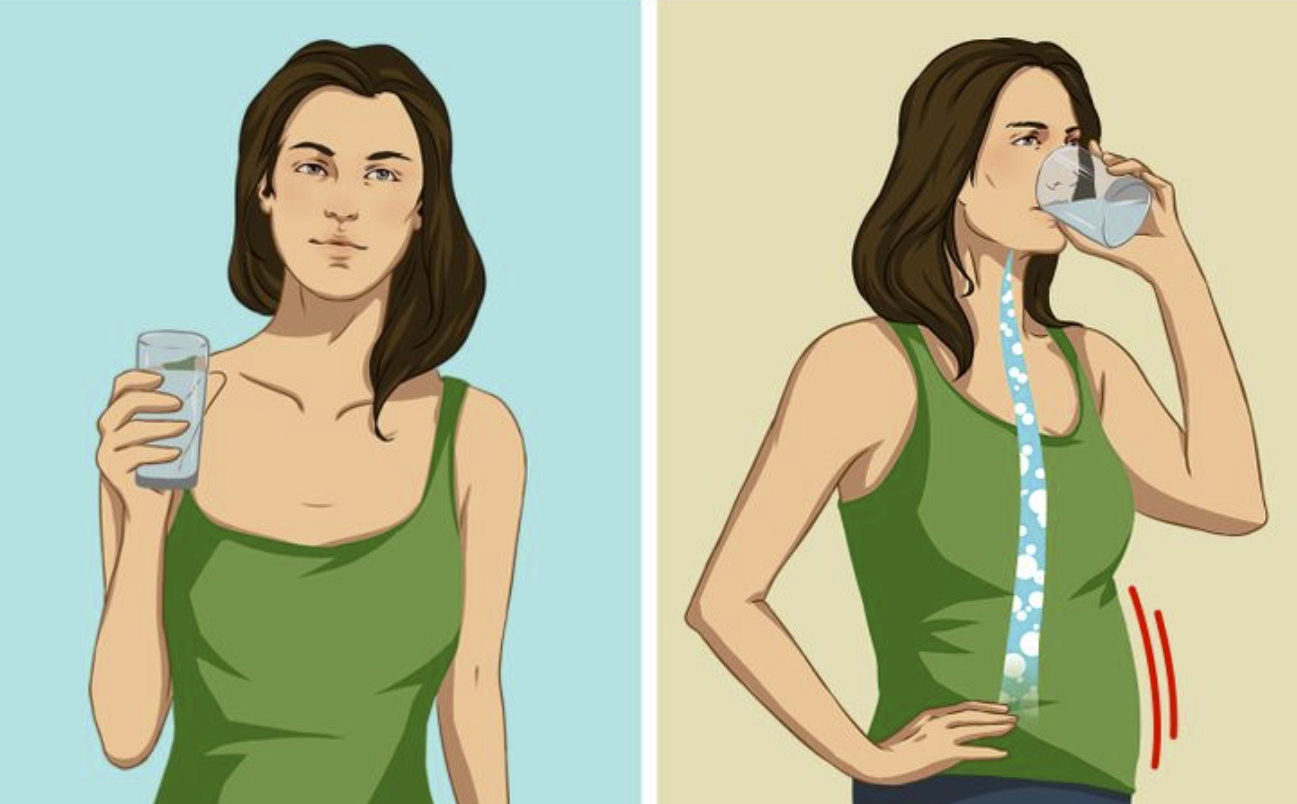
When a woman dies from drinking too much water, the cause of death is typically water intoxication leading to severe hyponatremia, a life-threatening medical condition where excessive fluid intake dilutes the concentration of sodium in the blood, causing cells to swell dangerously—particularly within the brain.
The Fatal Mechanism: Hyponatremia and Cellular Swelling
The human body is a finely tuned system that relies on a precise balance of water and electrolytes, particularly sodium, to function properly. Sodium is an essential electrolyte that regulates blood pressure, supports nerve function, and controls the balance of fluids both inside and outside of cells. When an individual consumes an excessive volume of water in a short period, the kidneys become overwhelmed and cannot excrete the fluid quickly enough through urine.
As excess water enters the bloodstream, it dilutes the extracellular sodium concentration. To restore chemical equilibrium, water shifts from the bloodstream into the body's tissues and cells via osmosis, causing them to swell. While most tissues can accommodate a degree of swelling, brain tissue is enclosed within the rigid, unyielding structure of the skull.
When brain cells swell—a condition known as cerebral edema—intracranial pressure rises rapidly. This increased pressure restricts blood flow to the brain and interferes with the brainstem's ability to regulate vital autonomic functions such as breathing and heart rate. Without immediate emergency medical intervention, severe hyponatremia can lead to seizures, brain herniation, coma, and ultimately death.
Historical Context and Notable Cases
While water intoxication is relatively rare in the general population, several documented cases over the years have drawn widespread public attention to the dangers of rapid, excessive fluid consumption. These incidents typically occur in specific contexts, such as extreme endurance sports, hazardous hazing rituals, or psychiatric conditions characterized by compulsive water drinking.
One of the most widely cited legal and medical cases occurred in 2007, when a 28-year-old mother of three named Jennifer Strange died following a radio station water-drinking contest in California. Contestants were challenged to drink as much water as possible without urinating to win a video game console. Strange consumed an estimated two gallons of water in a short time, began experiencing severe head and abdominal pain, and was later found dead at her home. Autopsy results confirmed her cause of death as fatal water intoxication resulting in hyponatremia.
Other notable instances involve athletes, particularly marathon runners and football players, who have mistakenly believed that consuming as much water as possible during or after exertion protects against dehydration. These tragedies highlight the critical need for public education regarding safe hydration practices and the physiological limits of the human body.
Risk Factors and Vulnerable Populations
Not everyone who drinks a large amount of water experiences fatal water intoxication, but certain physiological and behavioral risk factors significantly increase susceptibility. Understanding these vulnerabilities helps explain why specific individuals are at a much higher risk than others.
High-Intensity Endurance Athletes
Marathon runners, triathletes, and military personnel engaged in prolonged, strenuous exercise are at heightened risk. During heavy exertion, the body loses both water and electrolytes through sweat. Replacing only water without replenishing sodium—or drinking far in excess of fluid losses—rapidly induces hyponatremia. Furthermore, physical stress triggers the release of antidiuretic hormone (ADH), which signals the kidneys to retain water, compounding the risk.
Contestants in Drinking Challenges
Inexperienced individuals participating in novelty drinking games, radio contests, or fraternity hazing rituals often consume massive quantities of liquid in minutes. This overwhelms normal homeostatic mechanisms before the body has any opportunity to process or eliminate the excess volume.
Individuals with Psychiatric or Medical Conditions
Primary polydipsia is a psychological condition characterized by an intense, compulsive urge to drink large amounts of water, frequently seen in individuals with schizophrenia or other psychiatric disorders. Additionally, certain medications, kidney disorders, and hormonal imbalances can impair the body's ability to excrete water efficiently, making even moderate fluid intake hazardous.
Recognizing the Warning Signs of Water Overload
Because water intoxication progresses rapidly from mild discomfort to a medical emergency, recognizing the early signs and symptoms is vital. The clinical presentation often mirrors dehydration, leading many people to make the dangerous mistake of drinking more water when symptoms appear.
| Symptom Stage | Clinical Indicators | Physiological Cause |
|---|---|---|
| Early Stage | Nausea, vomiting, headache, muscle cramps | Initial cellular swelling and electrolyte imbalance |
| Moderate Stage | Confusion, disorientation, lethargy, fatigue | Mild cerebral edema and declining serum sodium |
| Severe Stage | Seizures, coma, respiratory arrest, brain herniation | Dangerous intracranial pressure and brainstem compression |
When an individual exhibits confusion, persistent vomiting, or unresponsiveness after consuming large volumes of liquid, emergency medical services must be contacted immediately. Treatment in a hospital setting typically involves restricted fluid intake and the careful, controlled administration of hypertonic saline solutions to gradually restore blood sodium levels without causing osmotic demyelination syndrome.
Debunking Hydration Myths: How Much Water Is Safe?
Modern wellness culture frequently promotes generalized hydration rules, such as consuming eight glasses of water a day or "drinking before you are thirsty." However, physiological research demonstrates that fluid needs vary drastically based on individual body size, climate, diet, and physical activity levels.
The Myth of Universal Formulas
There is no single, one-size-fits-all volume of water that every person must consume daily. The U.S. National Academies of Sciences, Engineering, and Medicine suggests that adequate daily fluid intake is roughly 15.5 cups (3.7 liters) of fluids a day for men and about 11.5 cups (2.7 liters) for women, but this includes fluids obtained from food (which typically account for about 20% of daily intake) as well as beverages like tea, coffee, and milk.
The Role of Thirst
For the vast majority of healthy adults, the body's natural thirst mechanism is an accurate and reliable guide for maintaining proper hydration. Drinking when thirsty—rather than forcing continuous fluid intake on a strict schedule—prevents both dehydration and water overload.
Electrolyte Balance
When engaging in prolonged, high-intensity exercise lasting longer than one hour, or working in extreme heat, replacing lost electrolytes alongside water is essential. Sports drinks, oral rehydration solutions, or foods containing salt help maintain the necessary sodium balance in the bloodstream, mitigating the risk of dilutional hyponatremia.
Frequently Asked Questions
What exact medical condition causes death from drinking too much water?
The direct medical cause of death is acute hyponatremia leading to cerebral edema. When excessive water dilutes blood sodium levels, fluid rushes into cells, causing brain swelling against the skull, which can disrupt brainstem function, cause seizures, and result in respiratory failure.
How much water does it take to cause fatal water intoxication?
There is no fixed volume because susceptibility depends on body weight, kidney function, and the speed of consumption. However, consuming several liters of water within a very short span of time—such as an hour—can overwhelm the kidneys' maximum excretion rate of roughly 0.8 to 1.0 liters per hour.
Can you get water intoxication from sports drinks?
It is significantly harder to develop hyponatremia from sports drinks compared to plain water because sports drinks contain sodium and other electrolytes. However, drinking extreme quantities of any fluid without adequate electrolyte replacement can still pose health risks.
Why do endurance athletes suffer from water intoxication?
Athletes often sweat heavily, losing sodium, but may consume excessive amounts of plain water without replacing lost electrolytes. Coupled with exercise-induced hormone changes that cause the body to retain water, this creates a dangerous internal imbalance.
What should someone do if they suspect water poisoning?
Water intoxication is a medical emergency requiring immediate professional intervention. If someone exhibits severe symptoms like confusion, vomiting, seizures, or loss of consciousness after heavy fluid intake, call emergency services immediately and do not attempt to administer more fluids or home remedies.
Conclusion and Next Actions
Understanding the tragic reality behind cases where a woman dies from drinking too much water underscores the importance of moderation and physiological awareness. Hydration is essential for survival, but more is not always better. To protect yourself and others, rely on natural thirst cues, avoid participating in extreme fluid-consumption challenges, and ensure proper electrolyte replacement during intense physical exertion. If you suspect someone is suffering from acute hyponatremia, seek emergency medical care without delay.