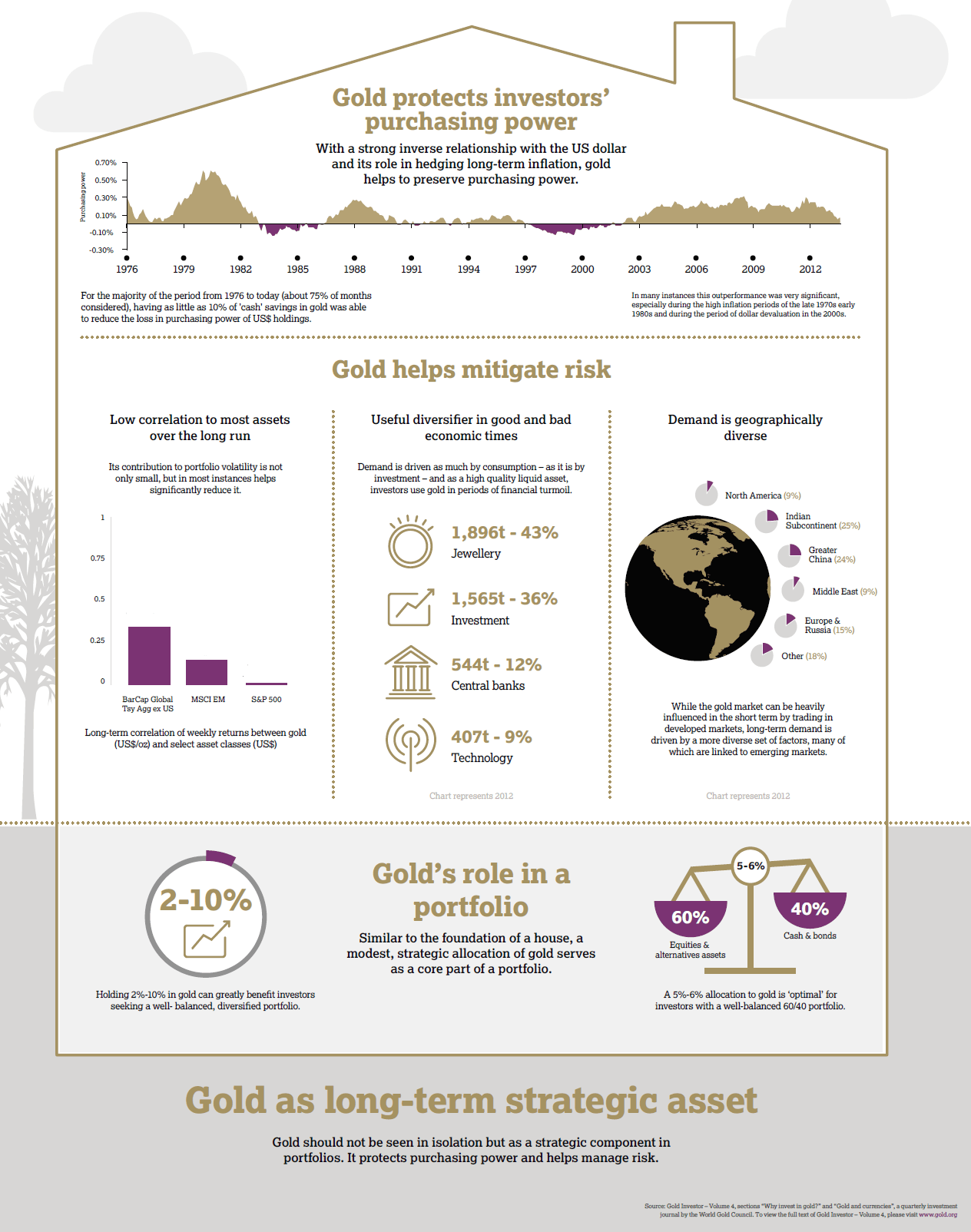
A well diversified portfolio is an investment strategy that mixes a wide variety of different asset classes, industries, and geographic regions within a single portfolio to minimize individual asset risk and optimize long-term returns. By spreading capital across uncorrelated or negatively correlated holdings, investors protect their overall principal from catastrophic losses should a single sector or market downturn occur.
Understanding the Core Philosophy of Diversification
Diversification is often described as the only free lunch in investing. The primary mechanic behind this strategy is asset correlation. When different investments do not react to the same economic triggers in the same way, the highs of one asset class can smooth out the lows of another. For instance, during a period of high inflation, equities might experience volatility while commodities or real estate may appreciate.
At its core, a well diversified portfolio goes beyond simply buying dozens of different stocks. Owning fifty technology companies listed on the same stock exchange does not constitute true diversification; it merely concentrates sector risk. True diversification requires building an architecture composed of broad asset classes that respond differently to macroeconomic shifts, interest rate adjustments, and geopolitical events.
Managing risk through diversification requires an understanding of systematic and unsystematic risk. Unsystematic risk—also known as specific risk—is unique to a specific company or industry, such as a supply chain failure or a regulatory fine. This risk can be virtually eliminated through proper asset allocation. Systematic risk, on the other hand, affects the entire market, such as a global recession or a sudden shift in monetary policy. While diversification cannot eliminate systematic risk entirely, a well-structured portfolio can absorb these macro shocks much more effectively than a concentrated one.
Core Asset Classes for a Balanced Portfolio
Constructing a robust investment portfolio requires selecting foundational asset classes that serve distinct functions. Each asset class brings a unique risk-reward profile, income generation capability, and inflation-hedging property to the overall strategy.
Equities (Stocks)
Equities represent ownership shares in publicly traded companies. They serve as the primary engine for capital appreciation and long-term wealth accumulation. Within equities, diversification must occur across multiple dimensions:
- Geographic Region: Combining domestic markets with international developed markets (such as Europe, Japan, and the UK) and emerging markets (such as India, Brazil, and Southeast Asia) prevents over-reliance on a single national economy.
- Market Capitalization: Balancing large-cap companies (established, stable enterprises), mid-cap companies, and small-cap companies (higher growth potential, higher volatility) captures growth across different phases of a company's lifecycle.
- Sector Representation: Ensuring exposure to defensive sectors (utilities, consumer staples, healthcare) alongside cyclical and growth sectors (technology, industrials, consumer discretionary).
Fixed Income (Bonds)
Fixed-income securities, including government bonds, municipal bonds, and corporate investment-grade bonds, provide stability, capital preservation, and regular interest income. Bonds generally have an inverse relationship with equities during periods of market stress, meaning investors often rotate into fixed income when equity markets decline. However, bonds carry interest rate risk and credit risk, which require careful selection of duration and issuer quality.
Real Estate
Real estate offers both income generation through rental yields and capital appreciation. Direct ownership of physical property requires significant capital and management effort, making indirect exposure via Real Estate Investment Trusts (REITs) a popular choice for retail investors. REITs trade on major exchanges like stocks, provide high liquidity, and offer exposure to commercial, residential, industrial, and healthcare properties.
Cash and Cash Equivalents
Cash, money market funds, and short-term treasury bills provide maximum liquidity and safety of principal. While they offer minimal long-term growth potential after accounting for inflation, maintaining a cash buffer prevents investors from being forced to sell risk assets during a market downturn to cover short-term financial needs.
Asset Allocation Strategies Across Life Stages
The composition of a well diversified portfolio is not static; it must evolve as an investor ages, as personal financial goals shift, and as risk tolerance changes. Asset allocation is the process of deciding how to distribute investment funds across various asset classes.
Accumulation Phase (Early Career to Mid-Career)
During the accumulation phase, investors typically have a long time horizon—often twenty to thirty years or more before retirement. Because there is ample time to recover from market downturns, portfolios during this phase are generally heavily weighted toward equities and growth-oriented assets. A common rule of thumb involves subtracting an investor's age from 100 or 110 to determine the percentage of equities they should hold, though modern financial planning often recommends even higher equity allocations for younger investors due to rising life expectancies.
Preservation Phase (Approaching Retirement)
As retirement approaches, the primary objective shifts from aggressive growth to wealth preservation and income generation. The time horizon shortens, meaning a severe market crash right before retirement could permanently impair lifestyle expectations. Investors in this phase typically rebalance their portfolios to increase allocations to fixed-income securities, dividend-paying stocks, and cash equivalents, thereby reducing overall portfolio volatility.
Distribution Phase (Retirement)
During retirement, the portfolio must generate steady cash flows to support living expenses while still outpacing inflation to prevent the depletion of capital over a multi-decade retirement. A well diversified retirement portfolio often relies on a bucket strategy or a total-return approach, drawing income from stable fixed-income assets while maintaining equity exposure for long-term purchasing power protection.
| Asset Class | Primary Objective | Risk Level | Typical Role in Portfolio |
|---|---|---|---|
| Global Equities | Long-term capital growth | Moderate to High | Primary engine for wealth accumulation |
| Fixed Income (Bonds) | Income generation and stability | Low to Moderate | Cushion against equity market volatility |
| Real Estate (REITs) | Inflation hedging and yield | Moderate | Diversification outside traditional stocks and bonds |
| Cash / Equivalents | Liquidity and capital preservation | Very Low | Emergency fund and dry powder for opportunities |
Common Pitfalls in Portfolio Diversification
Even experienced investors can make fundamental errors when attempting to diversify their holdings. Recognizing these pitfalls helps maintain the structural integrity of the portfolio over time.
Illusion of Diversification
One of the most frequent mistakes is purchasing numerous mutual funds or exchange-traded funds (ETFs) that hold the exact same underlying securities. For example, buying five different S&P 500 index funds does not diversify a portfolio; it merely duplicates the same exposure across different fund managers. True diversification requires combining assets with low or negative correlation coefficients.
Home Country Bias
Investors often exhibit a strong psychological preference for assets originating from their home country. While investing locally provides familiarity and tax advantages, an overly concentrated domestic portfolio exposes the investor to localized economic shocks, regulatory changes, and currency devaluation risks. Global diversification mitigates these localized vulnerabilities.
Neglecting Rebalancing
Over time, market movements cause asset classes to grow at different rates, altering the original asset allocation. For instance, if equities outperform bonds for several years, the equity portion of the portfolio will represent a much larger percentage of the total than originally intended, inadvertently increasing overall portfolio risk. Failing to periodically rebalance returns the portfolio to an unintended risk profile.
Mechanics of Portfolio Rebalancing
Rebalancing is the systematic process of realigning the weightings of a portfolio's asset classes to maintain the original target risk-reward profile. There are two primary approaches to rebalancing:
- Calendar Rebalancing: Reviewing and adjusting the portfolio at fixed time intervals, such as annually or semi-annually. This method is straightforward and easy to implement.
- Threshold Rebalancing: Setting specific percentage thresholds (e.g., rebalancing only if an asset class drifts more than 5% away from its target weight). This method reacts to market movements rather than the calendar, potentially reducing unnecessary transaction costs.
Executing a rebalance involves selling assets that have outperformed (and now represent a higher percentage of the portfolio) and buying assets that have underperformed or lagged. While selling winners can feel counterintuitive, this disciplined approach forces investors to sell high and buy low systematically.
Frequently Asked Questions
How many individual stocks are needed for a well diversified portfolio?
Research in modern portfolio theory suggests that holding between 25 and 30 uncorrelated stocks across different sectors can eliminate most unsystematic risk. However, for individual investors, achieving this level of diversification through single stocks requires substantial capital and monitoring. Utilizing broad-market index funds or exchange-traded funds allows investors to gain instant diversification across hundreds or thousands of securities with a single transaction.
What is the difference between asset allocation and diversification?
Asset allocation refers to the strategic decision of dividing investment capital among broad asset categories, such as stocks, bonds, and real estate. Diversification is the broader practice of spreading investments within those categories across different industries, geographic regions, and individual issuers to minimize specific risks. Asset allocation determines the macro risk profile, while diversification refines and protects within that framework.
How often should an investor rebalance their portfolio?
Most financial professionals recommend reviewing a portfolio annually or when a specific asset class drifts more than 5% away from its target allocation. Frequent rebalancing can incur unnecessary transaction fees and potential capital gains tax liabilities in taxable accounts, so striking a balance between discipline and tax efficiency is essential.
Does a well diversified portfolio guarantee protection against losses?
No. Diversification does not guarantee a profit or protect against loss in a declining market. During severe systemic crises, asset correlations can temporarily converge toward one, causing multiple asset classes to decline simultaneously. However, historically, a well diversified portfolio recovers faster and experiences less severe drawdowns than a concentrated portfolio.
Can alternative investments improve diversification?
Yes. Alternative asset classes such as commodities, precious metals (like gold), private equity, and infrastructure often exhibit low correlation to traditional stock and bond markets. Adding a small allocation to alternatives can enhance portfolio resilience, particularly during periods of geopolitical instability or high inflation, though these assets may carry higher fees and lower liquidity.
Practical Next Steps for Investors
Evaluating and improving portfolio diversification requires a systematic audit of current holdings. Investors should begin by listing all accounts, funds, and individual securities to calculate their total asset allocation across equities, fixed income, real estate, and cash. Identifying geographic and sectoral concentration gaps allows for targeted adjustments using broad-market index funds or ETFs. For personalized tax or estate planning implications, consulting a qualified financial professional ensures that portfolio adjustments align with long-term financial objectives and risk tolerance limits.