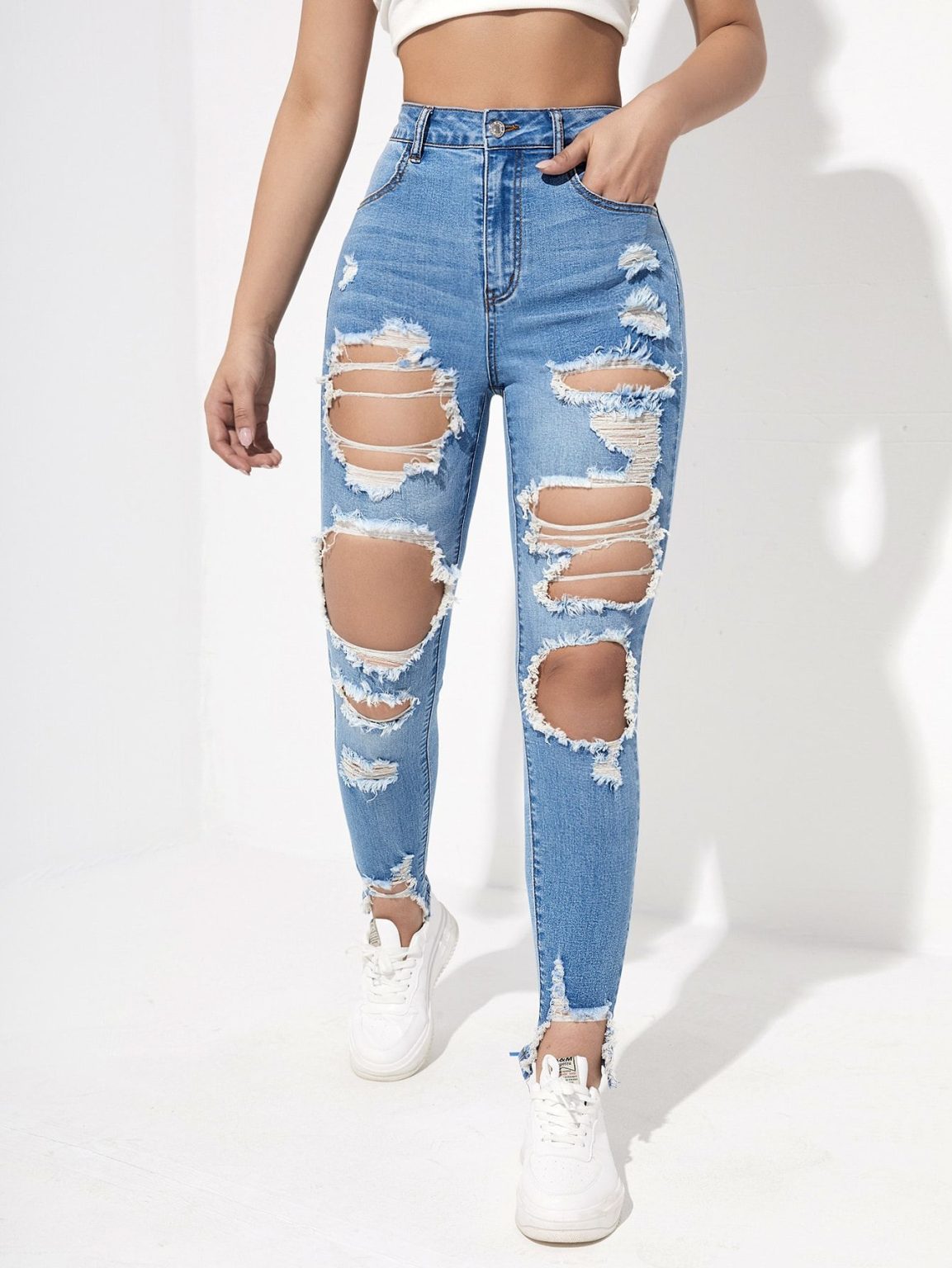
Ripped jeans remain a foundational element of modern wardrobes in 2026, transitioning from a subcultural symbol of rebellion to a versatile staple in both casual and elevated fashion. While specific silhouettes—such as extreme distress—have matured into more refined, intentional aesthetic choices, the core concept of denim with deliberate wear continues to be a standard feature in major global collections.
The Evolution of Ripped Denim Aesthetics
The perception of ripped jeans has undergone a significant shift over the past decade. Historically rooted in the 1970s punk movement and the 1990s grunge era, the "ripped" look was originally a sign of anti-establishment sentiment and DIY craftsmanship. By 2026, however, the industry has commodified and standardized these elements. Today’s ripped jeans are rarely the result of genuine wear and tear but are instead the product of advanced laser distressing, precise mechanical abrasion, and hand-finished detailing designed to mimic a lived-in feel without compromising the structural integrity of the garment.
In the current fashion landscape, the "rip" is used as a tool for texture and proportion. Designers no longer rely on chaotic, shred-heavy styles. Instead, they favor controlled distressing—strategic blowouts at the knees or subtle fraying at the hems—that allows the garment to integrate into "smart-casual" environments. This refinement means that ripped jeans are no longer relegated to weekend wear but are frequently paired with structured blazers, loafers, and sophisticated knitwear, bridging the gap between rugged aesthetics and polished tailoring.
Current Trends and Silhouettes in 2026
Fashion in 2026 is defined by a departure from the ultra-skinny fits of the mid-2010s in favor of more generous, forgiving silhouettes. As the overarching trend moves toward "relaxed" and "wide-leg" cuts, the placement and style of rips have adjusted accordingly.
- The Knee Blowout: The most common form of distressing remains the knee hole, but the size has stabilized. In 2026, a clean, horizontal slice or a slightly frayed aperture is preferred over massive, gaping holes that compromise the shape of the leg.
- Raw and Frayed Hems: Distressing is often moved from the thigh or knee to the bottom hem. This allows for a vintage, "deconstructed" look that pairs perfectly with the higher-volume footwear trending this year.
- The "Destroyed-Minimalist" Hybrid: This style features high-quality, heavy-weight denim that appears pristine at a distance but reveals subtle, patched, or reinforced distress upon closer inspection. This appeals to consumers who want the look of edge without the maintenance issues associated with oversized, structural tears.
Strategic Considerations for Selecting Ripped Jeans
When choosing a pair of distressed jeans in 2026, the primary factor for the consumer should be durability versus aesthetic impact. Because the denim has been physically weakened during the manufacturing process, it is prone to further degradation.
- Fabric Composition: Look for denim with a high cotton percentage (98% or higher). Heavyweight denim holds distressing better than stretch-denim blends, which tend to lose their shape around the tears, leading to "baggy knee" syndrome where the rip loses its intended crispness.
- The "Reinforced" Factor: High-quality distressed jeans often feature hidden patches or stitching behind the holes. This prevents your skin from catching on the threads and ensures that the tear does not expand uncontrollably over time.
- Proportion and Placement: Ensure that the distressing aligns with your natural anatomy. A rip that sits too high on the thigh can distort the visual line of your leg, while a well-placed knee rip should align precisely with your joint to avoid awkward bunching while walking or sitting.
Comparison of Distressing Styles
| Style Category | Characteristics | Best For | Maintenance Level |
|---|---|---|---|
| Micro-Distressing | Subtle fraying, no visible skin | Office-casual, layering | Low |
| Structured Rip | Clean, horizontal cuts at knees | Streetwear, daily wear | Medium |
| Heavy Destruction | Large holes, loose hanging threads | Festival/Events, casual | High |
| Frayed Hem | Distressing limited to cuffs | Footwear showcasing | Low |
Maintenance and Troubleshooting
One of the most common complaints regarding ripped jeans is the tendency for the holes to grow larger during the laundry process. In 2026, consumers are increasingly aware of textile care. To maintain your jeans, always turn them inside out before placing them in the washing machine. Using a mesh garment bag is highly recommended, as it prevents the loose threads of the rips from snagging on the agitator or other clothing items.
If a rip begins to expand beyond your preference, you do not need to discard the garment. A common fix is "sashiko" embroidery or adding a denim patch from the inside using a simple iron-on adhesive or needle-and-thread reinforcement. This adds a layer of artisanal, bespoke character to the piece, which is currently a popular trend in sustainable fashion circles.
FAQ: Navigating the World of Distressed Denim
Q: Can I wear ripped jeans to a business-casual event? A: Generally, yes, provided the distressing is minimal. Opt for dark wash denim with small, clean knee tears and avoid large, shredded areas. Pair them with a structured blazer and leather shoes to create a high-low contrast that is acceptable in most modern professional settings.
Q: Why do my ripped jeans always get worse after I wash them? A: Friction is the enemy of distressed denim. During the wash cycle, the fabric rubs against itself and the machine. Always use a delicate cycle with cold water and avoid the dryer entirely; air-drying allows the threads to remain intact and prevents the heat-induced shrinkage that stretches existing tears.
Q: Is "heavy destruction" still considered stylish in 2026? A: While fashion is cyclical, heavy, chaotic destruction—often called "shredded" denim—is currently less common than it was in previous years. The trend has shifted toward minimalism, so if you prefer a heavily distressed look, aim for a balanced, vintage-inspired wash rather than modern, synthetic shredding.
Q: Are ripped jeans considered age-appropriate? A: Fashion in 2026 has largely abandoned the concept of age-based clothing rules. The key is in the styling. Older demographics often gravitate toward "repaired" or "minimalist" distressed styles, which offer the comfort and character of denim without appearing overly provocative or unkempt.
Q: Should I buy pre-ripped jeans or distress them myself? A: Buying pre-ripped jeans is generally safer if you want a specific, engineered look. DIY distressing requires trial and error; if you attempt it, start with a low-grit sandpaper or a pumice stone on old jeans to get a feel for how the weave responds before using a blade or shears.
Final Guidance for Your Next Purchase
When shopping for ripped jeans in 2026, prioritize the fit and the weight of the fabric over the intensity of the rips. A well-fitting, high-quality pair of denim that features subtle, reinforced distress will outlast cheaper, mass-produced versions that are designed to fall apart after a few wears. Visit a denim specialist or a quality retailer, focus on the "weight" of the material, and look for "finished" distress points that are anchored to prevent further unraveling. By treating these jeans as a structural element of your outfit rather than just an edgy detail, you ensure they remain a functional and fashionable part of your wardrobe for years to come.