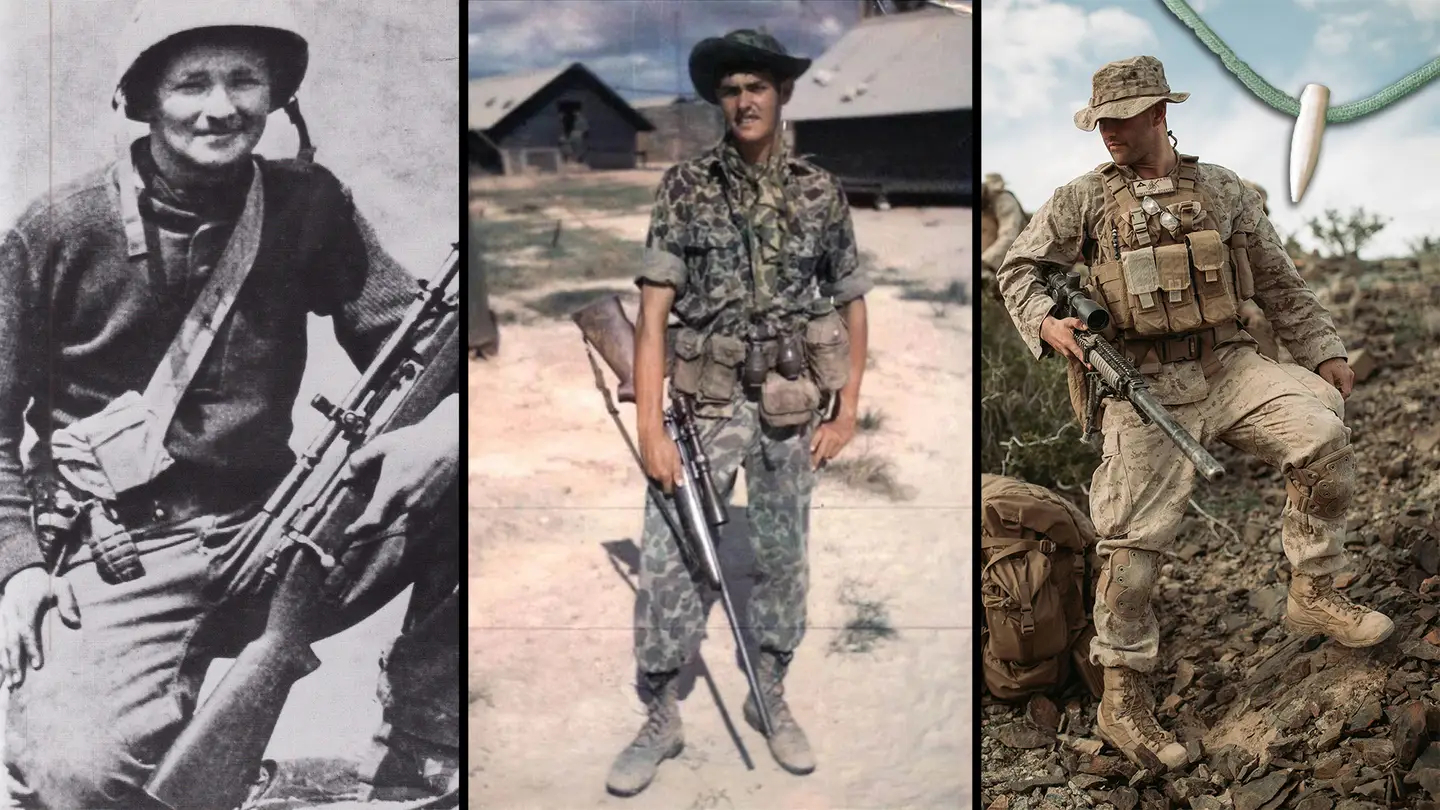
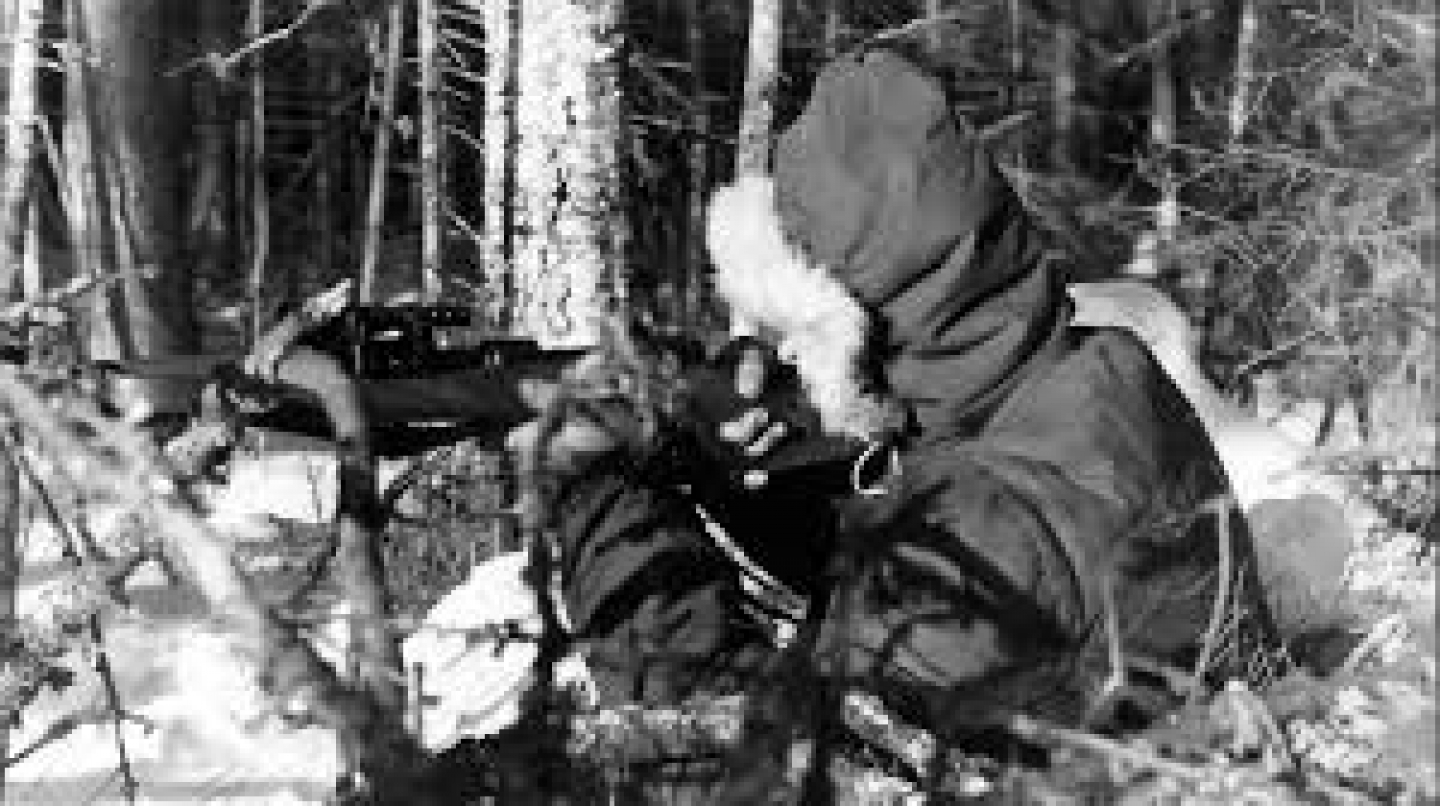
Stepping into a real life sniper's world reveals an austere profession defined by meticulous preparation, extreme patience, and advanced ballistic calculation rather than the sensationalized depictions found in modern action cinema. Operating in small, highly specialized teams, military and law enforcement precision marksmen function as strategic assets whose primary objectives encompass reconnaissance, surveillance, and targeted elimination under complex environmental and tactical constraints.
To truly understand what it means to live and work in this domain, one must examine the rigorous selection pipelines, the physics of long-range engagement, the psychological demands of sustained observation, and the specialized equipment required to execute high-stakes missions. Far from the lone-wolf stereotype, the contemporary marksman is part of a deeply integrated network where every shot is the product of collaborative intelligence and exact scientific measurement.
The Operational Reality Versus Media Myths
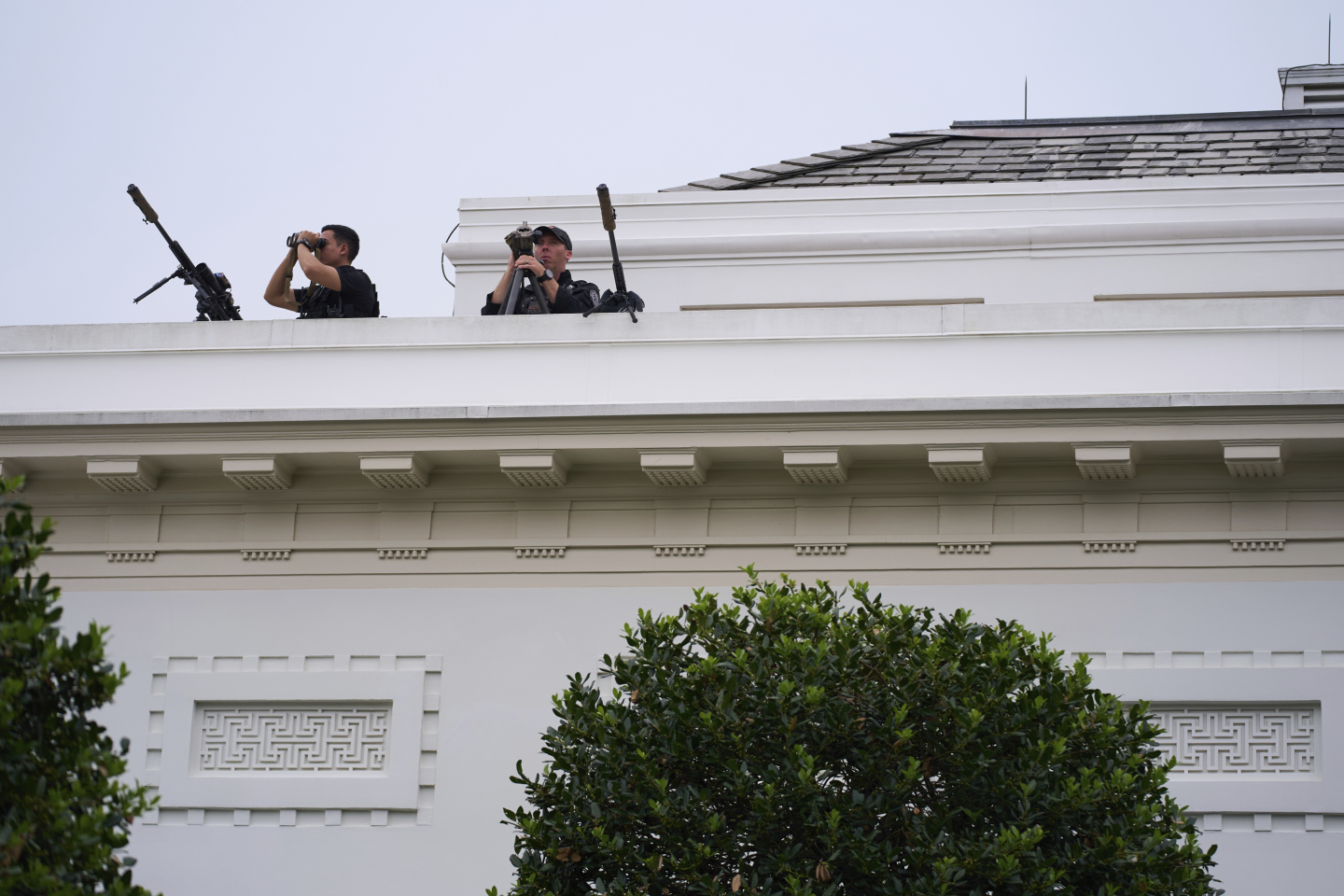
Popular culture often portrays precision marksmen as solitary operators who spend their days in remote hides, occasionally taking impossible shots before vanishing into the shadows. In reality, a real life sniper's world is characterized by routine, exhaustive planning, and close teamwork. Most operational deployments involve a minimum of a two-person element: the shooter and the spotter.
The spotter acts as the shooter's eyes, ears, and analytical brain. While the shooter focuses on rifle handling and trigger control, the spotter reads environmental indicators, operates advanced optics, calculates ballistic solutions, and maintains communications with command elements. Furthermore, snipers frequently operate as part of larger reconnaissance platoons or tactical units. Their missions often require them to infiltrate a designated area undetected, establish a hidden observation post—commonly referred to as a "hide"—and remain stationary for days at a time gathering intelligence without ever firing a shot.
Core Objectives of Modern Precision Marksmen
- Reconnaissance and Surveillance: Collecting high-value intelligence on enemy movements, infrastructure, and leadership without detection.
- Target Interdiction: Neutralizing high-priority targets, enemy combatants, or barricaded suspects to protect friendly forces or civilians.
- Counter-Sniper Operations: Locating, outmaneuvering, and neutralizing opposing marksmen who threaten friendly freedom of movement.
- Force Multiplication: Providing psychological deterrence and overwatch support for conventional infantry or law enforcement entry teams.
Selection and Rigorous Training Pipelines
The journey into a military or law enforcement precision rifle program is notoriously grueling, designed to filter out candidates who lack the physical endurance, emotional stability, and intellectual capacity required for the role. Candidates are typically drawn from experienced infantry or tactical units, possessing already established foundations in fieldcraft and weapon handling.
Selection courses test candidates to their absolute limits through sustained sleep deprivation, grueling physical fitness tests, land navigation exercises in hostile terrain, and high-stress memory and observation drills. Aspiring marksmen must demonstrate exceptional raw accuracy, but mental resilience is often the primary evaluation metric. A candidate who can shoot a tight group at one hundred meters under ideal conditions is of little use if they cannot replicate that accuracy after enduring seventy-two hours of continuous movement with minimal rest.
Key Competencies Developed During Training
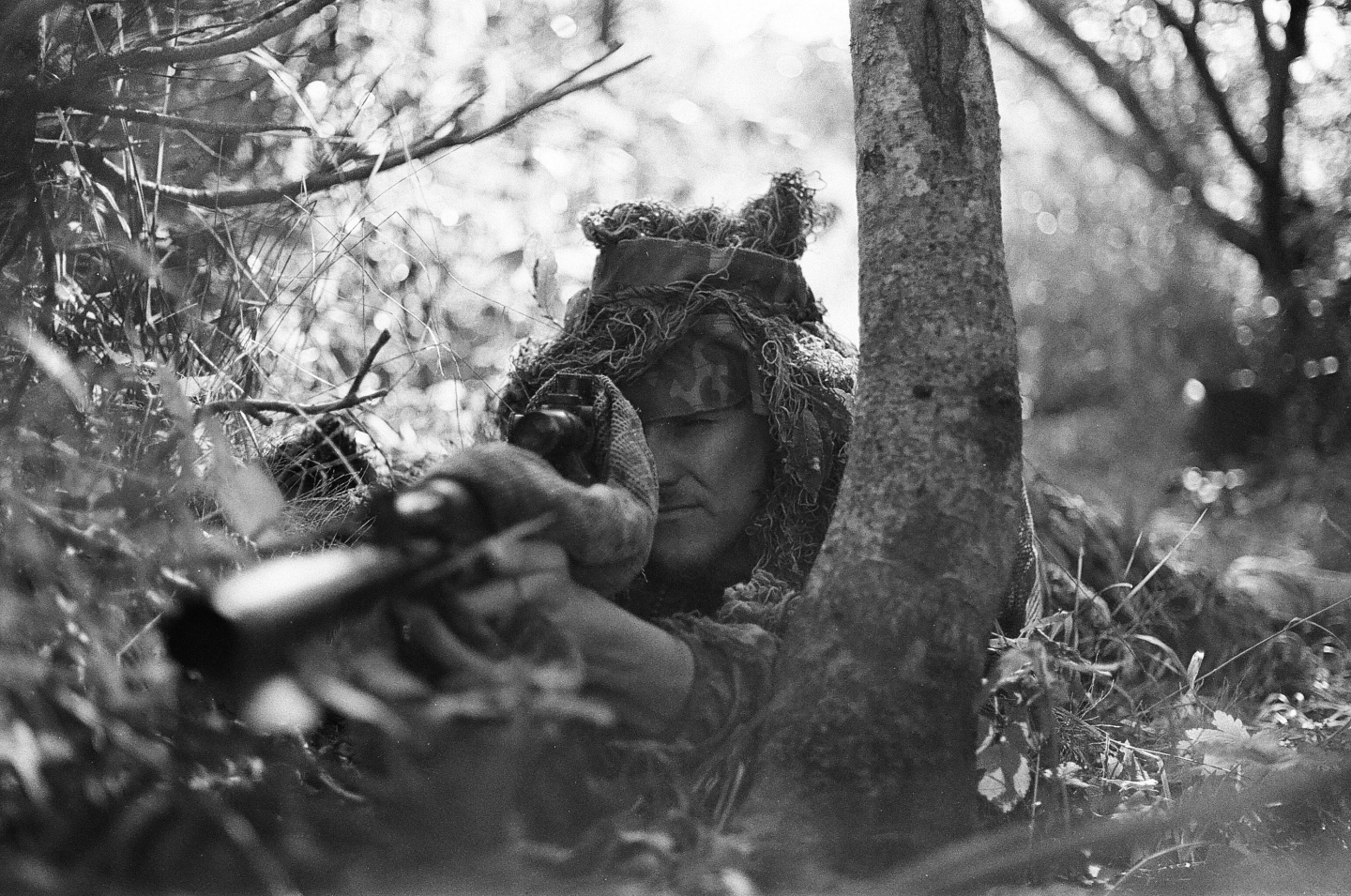
- Advanced Fieldcraft: The art of camouflage, concealment, stalking, and moving through varied terrain without leaving traces of presence.
- Ballistic Engineering: Mastery of interior, exterior, and terminal ballistics, allowing shooters to predict bullet behavior across changing atmospheric conditions.
- Stalking Exercises: Unseen movement through challenging terrain toward an instructor observing through high-powered optics, where failing to remain undetected results in immediate course failure.
- Medical Proficiency: Advanced trauma care training, as snipers often operate far forward of friendly lines and must treat their own injuries if wounded.
The Science of Long-Range Ballistics
Shooting a target at distances exceeding 800 to 1,000 meters requires an intimate understanding of applied physics. Once a bullet leaves the muzzle, it is immediately subjected to a complex array of environmental and physical forces that alter its trajectory. A real life sniper must account for these variables instantaneously, often using specialized ballistic computers or handheld weather meters.
The primary factors influencing long-range accuracy include gravity, wind velocity, air density, and the rotation of the Earth, known as the Coriolis effect. Wind is universally regarded as the most challenging variable to predict. Because wind speed and direction can fluctuate drastically between the firing position and the target area, the spotter and shooter must read mirages, vegetation movement, and atmospheric indicators to make precise hold-off or turret adjustments.
| Ballistic Variable | Impact on Bullet Trajectory | Mitigation Technique |
|---|---|---|
| Gravity | Causes the bullet to drop continuously over distance, creating an arc. | Elevation turret adjustments and calculated hold-overs based on muzzle velocity. |
| Wind Drift | Crosswinds push the projectile laterally off its intended path. | Reading environmental indicators and dialing windage or aiming off-center. |
| Air Density | Temperature, humidity, and barometric pressure affect aerodynamic drag. | Inputting local meteorological data into a handheld ballistic solver. |
| Spin Drift | The rifling in the barrel causes the bullet to drift slightly in the direction of its spin. | Factoring spin-drift values into long-range ballistic software. |
Equipment: Weapon Systems and Optics
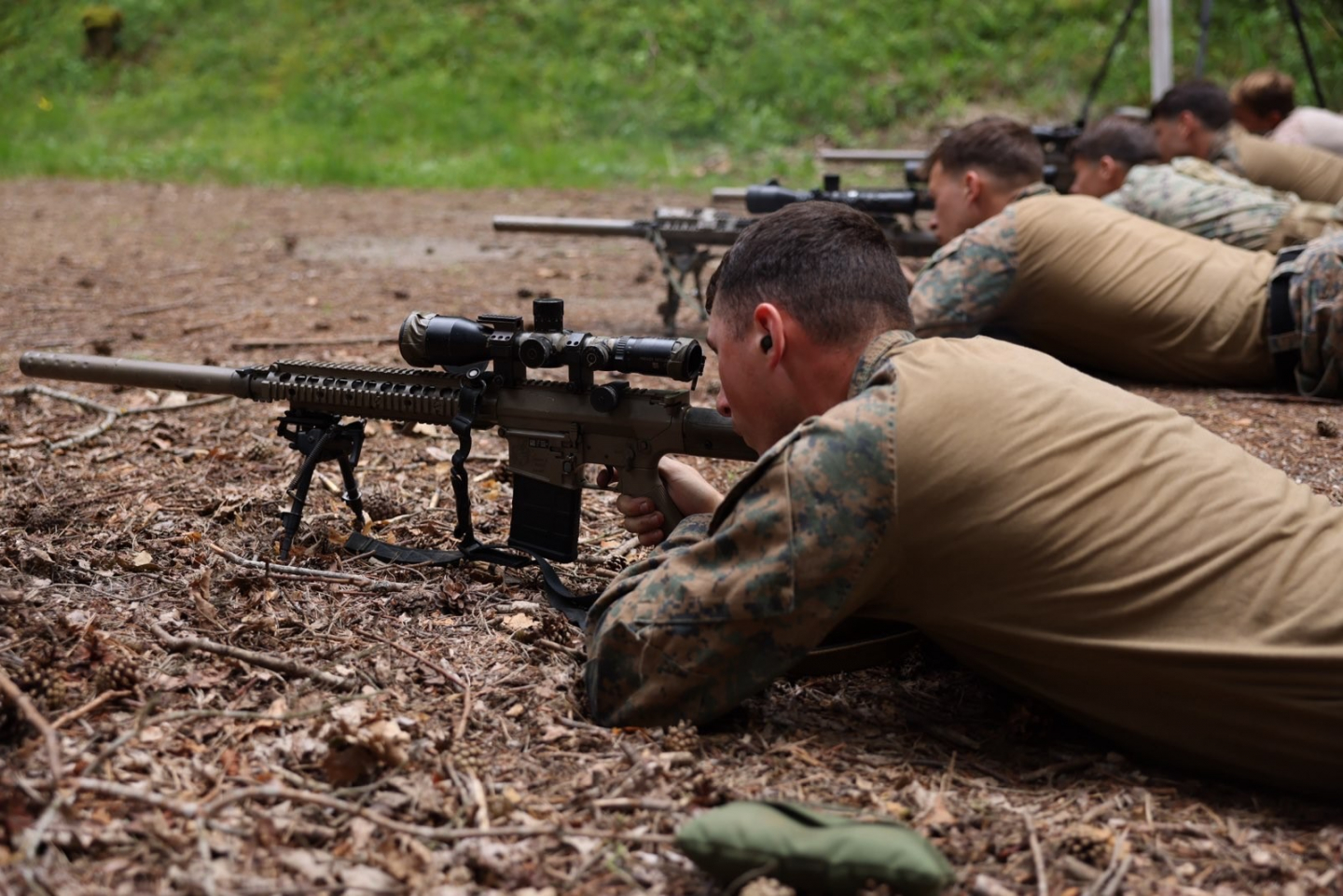
The precision rifle system is an integrated assembly of specialized components selected for absolute reliability and mechanical consistency. Unlike standard-issue service rifles, precision systems are built to tight tolerances, often featuring heavy, free-floating match-grade barrels designed to minimize harmonic vibration when a round is fired.
Chamberings vary based on operational requirements, with traditional military rounds like the 7.62x51mm NATO and the .300 Winchester Magnum remaining popular, alongside heavy anti-materiel calibers like the .50 BMG and specialized rounds such as the 6.5 Creedmoor, which offers exceptional ballistic coefficients and manageable recoil.
Optics are equally critical. High-magnification telescopic sights with first focal plane reticles allow shooters to measure targets and make accurate ballistic corrections at any magnification level. Additionally, thermal and night-vision clip-on devices enable operators to maintain complete overwatch capability during low-light and adverse weather conditions.
The Psychological Dimension and Ethical Framework
The psychological toll of precision marksmanship is profound. Unlike close-quarters combat, where adrenaline surges during chaotic firefights, long-range engagement is often characterized by clinical detachment and prolonged observation of the target before a lethal decision is executed. Shooters frequently observe their targets eating, sleeping, or interacting with others, creating a unique psychological intimacy that does not exist in standard engagements.
To cope with these demands, elite military units provide psychological support and emphasize mission purpose and adherence to strict rules of engagement (ROE). In both military and law enforcement contexts, every shot fired is subject to rigorous legal and administrative review. In domestic law enforcement scenarios, precision marksmen are deployed strictly as a measure of last resort to prevent imminent loss of life, operating under strict constitutional and statutory guidelines.
Frequently Asked Questions
What is the average distance of a modern sniper engagement?
Most engagements occur between 300 and 800 meters, though modern equipment and training allow skilled teams to engage targets effectively at distances exceeding 1,000 to 1,500 meters when environmental conditions permit.
Do real life snipers use a single gun for all missions?
No. Weapon selection depends heavily on the specific mission profile. Urban law enforcement operations typically require compact, highly accurate semi-automatic or bolt-action rifles in intermediate calibers, while military long-range reconnaissance may utilize heavy magnums or multi-caliber modular systems.
How do snipers handle biological needs during long stakeouts?
Operators utilize specialized discipline and planning, consuming specific ration packs that minimize waste and utilizing tactical relief tubes or containment bags within their hides to avoid movement or detection.
Is the "one shot, one kill" maxim accurate?
While precision marksmen strive for first-round hits, the phrase oversimplifies the reality of modern operations. Many missions prioritize reconnaissance, deterrence, or wounding/disabling equipment and vehicles rather than lethal interdiction.
Conclusion and Operational Next Actions
Examining a real life sniper's world demonstrates that precision marksmanship is a demanding discipline rooted in science, relentless physical conditioning, and profound mental discipline. Whether preparing for military defense or specialized law enforcement intervention, the profession requires absolute commitment to technical excellence and ethical restraint. For those researching the field academically or considering tactical careers, further study should focus on applied physics, military history, and official operational doctrine manuals published by defense and law enforcement agencies.