Private parent student loans can be a viable tool for financing higher education when federal aid options have been exhausted, but they often come with higher interest rates, stricter repayment terms, and a lack of the borrower protections found in federal programs. Whether these loans are "worth it" depends entirely on your current financial stability, your ability to manage additional debt alongside retirement planning, and your long-term assessment of the borrower's future earning potential.
Understanding the Landscape of Parent Borrowing in 2026
When families plan for the financial demands of higher education, the hierarchy of borrowing is critical. Generally, financial experts advise that families maximize scholarships, grants, and federal student loans—specifically those in the student's name—before considering parent-focused debt. Private parent student loans represent a significant financial commitment, often functioning as a bridge for families who have reached the aggregate or annual limits of federal programs or who prefer not to utilize the federal Parent PLUS loan program.
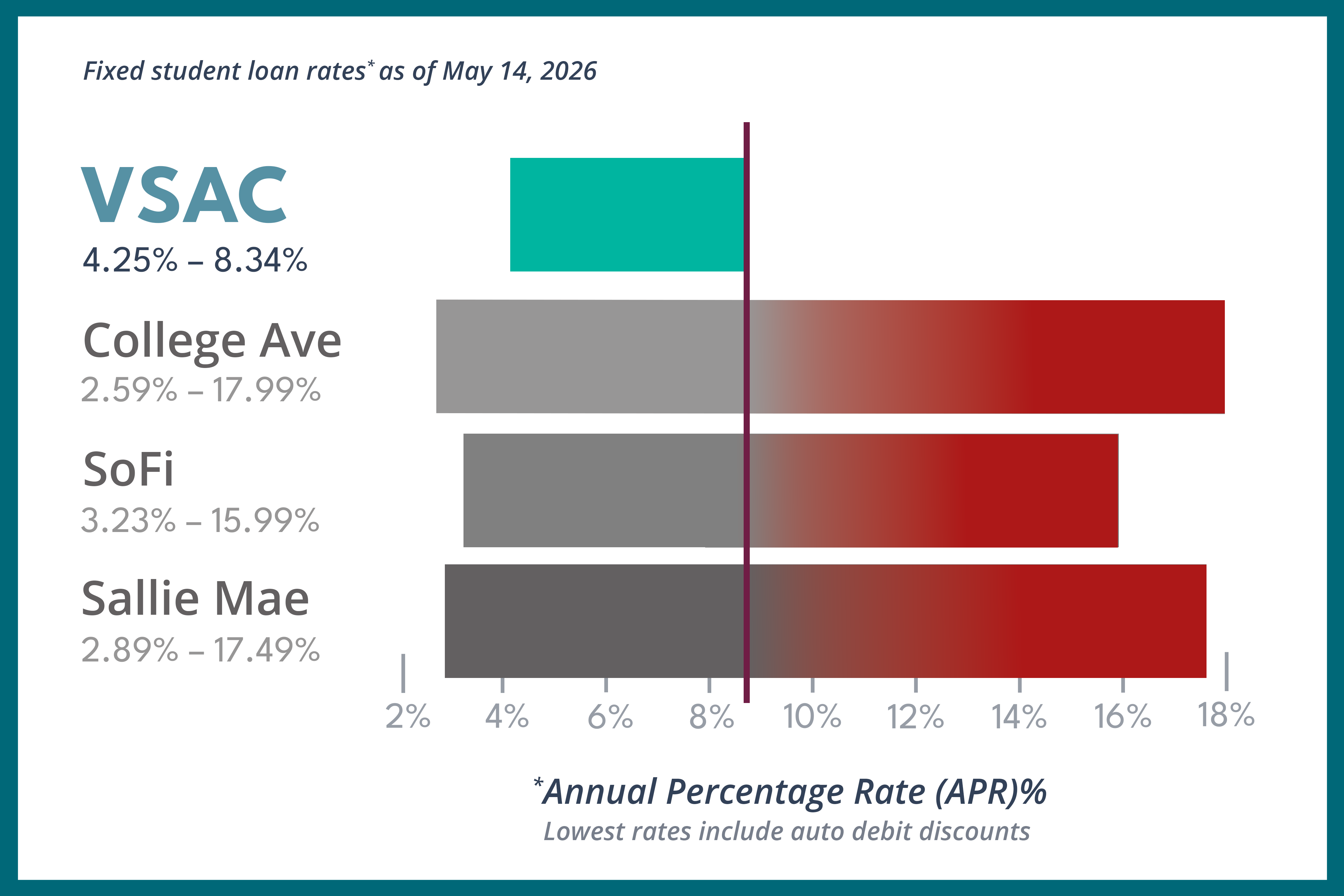
In 2026, the marketplace for private student loans is highly competitive, featuring a variety of lenders ranging from national banks to specialized credit unions and fintech firms. Unlike federal loans, which are standardized by the U.S. Department of Education, private loans are contract-based products. This means your eligibility, interest rate, and repayment flexibility are entirely dependent on your creditworthiness, your debt-to-income ratio, and the specific underwriting criteria of the chosen lender.
The Trade-offs: Federal vs. Private Parent Loans
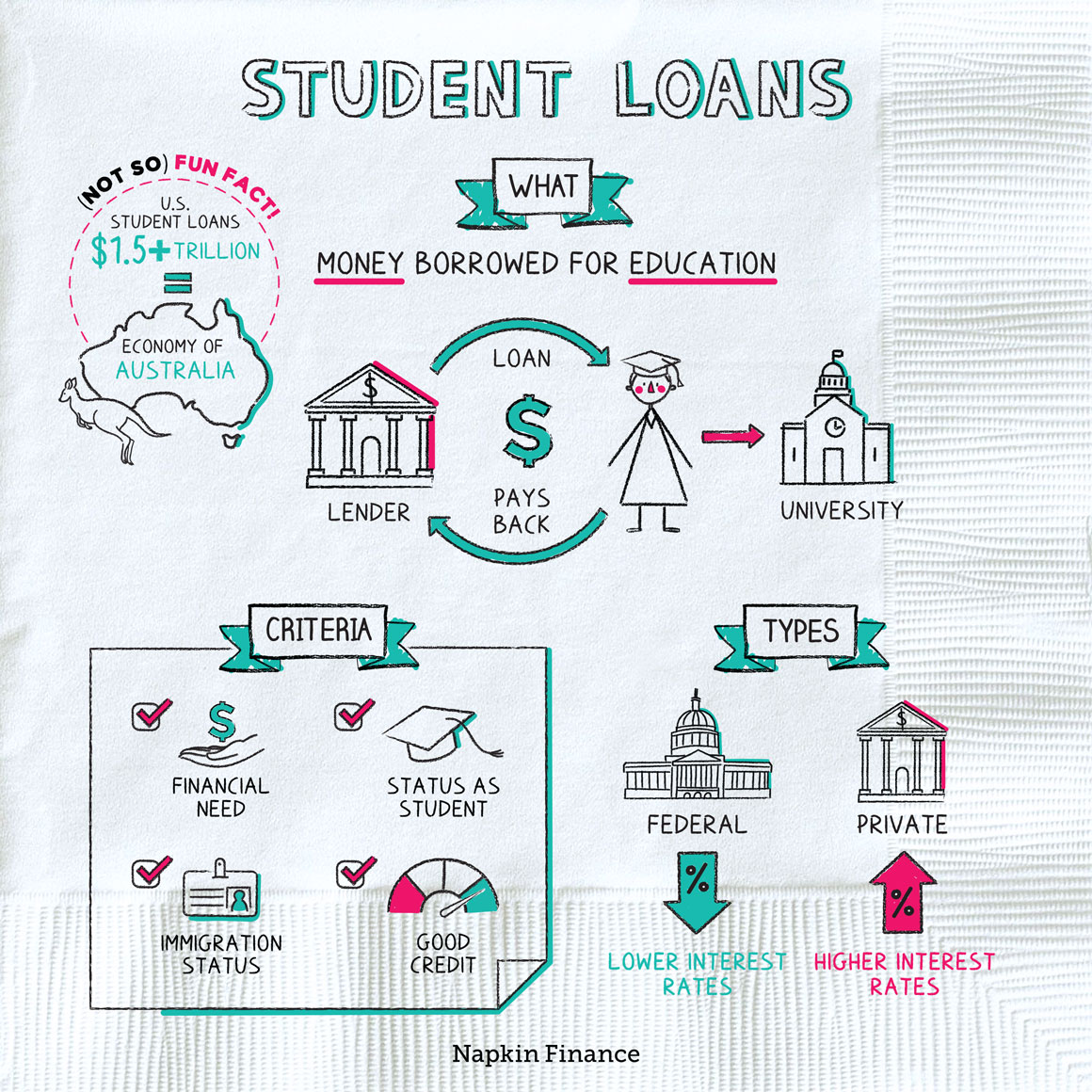
To determine if private loans are worth it, you must compare them against the primary alternative: the Federal Direct Parent PLUS loan.
Federal Parent PLUS Loans
- Interest Rates: Set annually by the government for all borrowers, regardless of credit history (though a credit check is required for adverse history).
- Repayment Flexibility: Offers various income-driven repayment plans (for the parent, if consolidated) and potential access to Public Service Loan Forgiveness (PSLF) if the debt is handled through specific federal channels.
- Deferment and Forbearance: Robust options exist if the parent experiences financial hardship or unemployment.
- Death and Disability Discharge: Federal loans generally offer clear, statutory protections if the borrower passes away or becomes totally and permanently disabled.
Private Parent Loans
- Interest Rates: Can be lower than Federal Parent PLUS loans for borrowers with excellent credit scores.
- Fixed vs. Variable: Private lenders offer choices that can fluctuate based on market indices. In a volatile economic climate, a variable rate that starts low can become prohibitively expensive over time.
- Cosigner Requirements: Many private loans allow for the release of a cosigner after a certain period, which is not applicable to federal loans.
- Lack of Protections: If you face job loss, private lenders are not obligated to offer deferment or forbearance beyond what is written in your contract.
When Are Private Loans Actually Worth It?
Private parent loans shift the risk from the student to the parent. For some families, this is a calculated choice. They are most "worth it" in the following scenarios:
- High Credit Scores: If a parent has an exceptional credit profile, they may qualify for a private loan interest rate significantly lower than the current federal fixed rate. Over a 10- or 15-year repayment term, this can result in substantial interest savings.
- Short-Term Financing Needs: If a family only needs to cover a small gap for one or two semesters, the administrative ease of a private loan may outweigh the long-term federal benefits.
- Refinancing Opportunities: Some parents use private loans to refinance existing higher-interest debt, though this carries the risk of losing federal protections if the original debt was federal.
- Institutional Alignment: Certain private lenders partner with specific universities to offer specialized loans that may have better terms or integration with tuition payment schedules.
Comparative Analysis Table: Financial Implications
| Feature | Federal Parent PLUS | Private Parent Loan |
|---|---|---|
| Eligibility | Credit check (no score req) | High credit score required |
| Interest Type | Fixed (set by Congress) | Fixed or Variable |
| Repayment Plan | Flexible (10–25 years) | Fixed (usually 5–15 years) |
| Death/Disability | Automatic discharge | Varies by lender contract |
| Forbearance | Statutory/Standardized | Discretionary (lender-specific) |
Identifying the Risks to Your Financial Future
The primary argument against taking on private parent debt is the impact on the parent's retirement. While a student can technically work to pay off their own loans for decades, a parent’s borrowing window is much shorter. If you take out a private loan that requires repayment starting immediately, you are essentially diverting funds that could be used for your 401(k), IRA, or other long-term investment vehicles.
Furthermore, private loans are rarely dischargeable in bankruptcy. By signing the promissory note, you are assuming a liability that will stay with you regardless of your life circumstances. Before committing to a private loan, assess your "burn rate"—the amount of disposable income you can comfortably lose each month without jeopardizing your emergency savings or retirement trajectory. If taking this loan prevents you from contributing to your retirement accounts, it is likely not worth it.
Step-by-Step Evaluation for Parents
Before applying for a private student loan, follow this systematic approach to minimize risk:
- Audit Your Federal Options: Ensure you have fully explored and maximized Direct Subsidized and Unsubsidized loans in the student's name first. These have the lowest rates and best protections.
- Run a Cost-Benefit Analysis: Use an online amortization calculator to compare the total cost of interest on a Federal Parent PLUS loan versus a private loan with a representative rate for your credit tier.
- Review the Fine Print: Read the lender’s "hardship policy." Look specifically for clauses that define what happens if you lose your job or suffer a medical emergency. If the policy says "subject to lender approval," it is not a guarantee.
- Check for Cosigner Release: If you are co-borrowing with another parent or relative, determine how easily the loan can be transferred or if the lender allows for a cosigner release once a specific number of on-time payments are made.
- Calculate the "True" Debt Load: Aggregate this loan with your existing mortgage, car loans, and credit card debt. If your total monthly debt payments exceed 35–40% of your gross monthly income, consider alternative ways to fund the education, such as selecting a more affordable institution or encouraging the student to attend part-time while working.
Common Pitfalls and How to Avoid Them
One of the most frequent mistakes parents make is underestimating the "origination fee." Many federal loans have these fees, but private lenders may hide substantial administrative or late fees in the fine print. Always ask for the Annual Percentage Rate (APR), which includes both the interest rate and the fees, to get an accurate picture of the cost of borrowing.
Another pitfall is the "variable rate trap." During periods of economic stability, variable rates often start lower than fixed rates. However, if market interest rates rise over the next decade, a variable-rate loan can quickly become unmanageable. If you choose a private loan, strongly prefer fixed-rate options unless you have a high degree of confidence that you can pay the loan off very quickly (e.g., within 3–5 years).
Frequently Asked Questions
1. Does taking a private parent loan hurt the student's ability to get financial aid later? Generally, no. Private loans are considered a resource in your financial aid package. However, if the total amount of aid—including the private loan—exceeds the cost of attendance set by the university, the school may be required to reduce other forms of aid. Always coordinate with your financial aid office before finalizing a loan.
2. Can I transfer a private parent loan to my child later? Most private student loans do not allow for the "transfer" of the debt to the student after graduation. While some lenders offer a "cosigner release," this is not the same as transferring the loan. You will likely remain the primary borrower for the life of the loan unless you and your child refinance the debt into their name after they have sufficient credit and income.
3. Is the interest on private parent loans tax-deductible? In many jurisdictions, including the U.S., you may be able to deduct a portion of the student loan interest paid on your taxes, provided you meet certain income requirements. Check the current IRS guidelines for the specific tax year, as these phase-out limits change periodically.
4. What happens to the loan if I pass away? This is a critical distinction. Federal Parent PLUS loans are discharged upon the death of the borrower. Private loans, however, may become a claim against your estate. If your estate has insufficient assets, some lenders may pursue the cosigner. Always verify the death-discharge policy in your specific loan agreement.
Final Recommendation
Private parent student loans are a sophisticated financial instrument that requires high levels of caution. They are best reserved for families with high, stable incomes, excellent credit scores, and a clear, short-term repayment strategy. If you are borrowing to cover a significant portion of tuition over four years, the lack of consumer protections makes private loans inherently riskier than federal alternatives.
If you decide to proceed, prioritize fixed-rate products, ensure the monthly payments fit comfortably within your existing budget, and maintain a high-liquid emergency fund to cover loan payments in the event of unexpected life changes. Never sign a promissory note without verifying the lender’s stance on hardship, death, and disability, and treat the debt as a serious obligation that ranks alongside your mortgage in priority.