Identifying a good state to live in requires balancing objective economic data, such as tax burdens and job growth, with subjective quality-of-life factors like climate, safety, and healthcare access. As of 2026, the best states provide a stable mix of affordability, high educational standards, and robust infrastructure for remote and local work.
Choosing a place to call home is one of the most significant financial and personal decisions an individual or family can make. The definition of a "good" state has evolved significantly over the last several years. While mid-20th-century movers prioritized proximity to industrial hubs, the modern resident in 2026 often prioritizes "livability"—a complex metric that encompasses everything from the speed of local internet to the resilience of the power grid against extreme weather.
To determine which states stand out, we must look beyond simple "Best Of" lists and examine the underlying data that drives long-term satisfaction and financial security.
The Primary Indicators of a High-Quality State
When evaluating a state's suitability, four primary pillars serve as the foundation for a high quality of life: economic health, affordability, public safety, and essential services like healthcare and education. A state might excel in one area—such as having no income tax—while failing in another, such as public school funding or infrastructure maintenance.
Economic Stability and Job Market Vitality
A "good" state must offer more than just a low cost of living; it must provide the opportunity to earn a competitive wage. In 2026, the strength of a state’s economy is often tied to its diversification. States that rely heavily on a single industry, such as tourism or oil, tend to experience more volatility than those with a healthy mix of technology, healthcare, manufacturing, and agriculture.
Economists often look at the State Gross Domestic Product (GDP) growth and unemployment rates as primary health indicators. However, for the average resident, the "underemployment" rate and the presence of "future-proof" industries (like green energy and biotech) are more accurate predictors of long-term stability. States like Washington, Utah, and Massachusetts have historically led in these areas by fostering environments where innovation is subsidized by local government initiatives and university partnerships.
Affordability and the "Real" Cost of Living
Affordability is often the most pressing concern for those looking to relocate. This is not just about the price of a gallon of milk, but the housing-to-income ratio. In 2026, many traditionally "cheap" states have seen home prices soar due to internal migration, while some more expensive states have seen a cooling of prices, creating a new equilibrium.
A comprehensive view of affordability includes:
- Housing Costs: Median home prices and average rent for a two-bedroom apartment.
- Utility Expenses: The cost of heating and cooling, which varies wildly based on regional climate and energy policy.
- Transportation: The cost of fuel, insurance, and the availability of public transit, which can offset the need for multiple vehicles.
- Food and Services: General consumer prices indexed against the national average.
Healthcare Access and Outcomes
The quality of a state’s healthcare system becomes increasingly important as a population ages. A good state to live in should offer high "healthcare density"—meaning a sufficient number of primary care physicians, specialists, and hospital beds per capita. According to data from the Commonwealth Fund, states in the Northeast and Upper Midwest frequently lead the nation in healthcare access and preventive care outcomes.
In 2026, we also look at healthcare affordability. States that expanded Medicaid and have competitive private insurance markets generally offer better protection against medical bankruptcy, which remains a leading cause of financial distress in the United States.
Top Contenders for the Best States to Live in 2026
While the "best" state is subjective, several states consistently rank at the top of national indices due to their balanced performance across multiple categories.
1. New Hampshire: A Haven for Safety and Savings
New Hampshire frequently tops the list of good states to live in because of its unique tax structure and exceptionally low crime rates. It is one of the few states with no general sales tax and no state income tax on earned wages.
From a safety perspective, New Hampshire consistently reports some of the lowest violent crime rates in the country. This sense of security, combined with high-ranking public schools and proximity to both the mountains and the ocean, makes it a premier choice for families. However, prospective residents should be aware of the high property taxes, which the state uses to fund its local services in the absence of income and sales taxes.
2. Utah: Economic Growth and Outdoor Access
Utah has emerged as a powerhouse of the Mountain West. Its economy, often referred to as the "Silicon Slopes," has seen unprecedented growth in the tech sector. Utah’s population is among the youngest in the nation, which contributes to a vibrant, forward-looking culture and a robust labor market.
The state’s primary draw, however, is its geography. With five national parks and world-class skiing, it offers an unparalleled lifestyle for outdoor enthusiasts. In 2026, Utah continues to face challenges regarding housing inventory, but its proactive urban planning and investment in light rail (the FrontRunner and TRAX systems) serve as models for other fast-growing states.
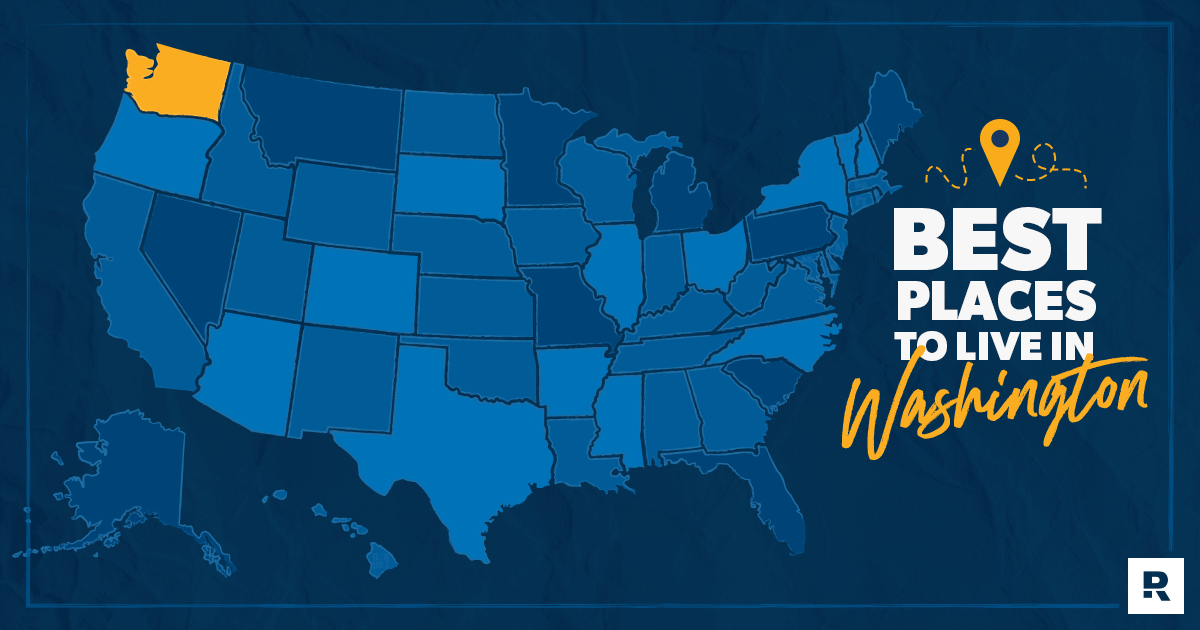
3. Washington: Innovation without Income Tax
Washington remains a top-tier state primarily due to its massive corporate anchors—Amazon, Microsoft, and Starbucks—and its lack of a state income tax. While the cost of living in the Seattle metro area is high, the state offers diverse environments, from the temperate rainforests of the Olympic Peninsula to the high-desert climate of Spokane.
Washington’s commitment to environmental protection and its high "green energy" usage make it a preferred destination for those concerned about climate resilience. It ranks highly in higher education and has a high percentage of residents with post-graduate degrees, fostering a highly intellectual and innovative social environment.
4. Florida: The Destination for Retirement and Remote Work
Florida continues to see high net migration in 2026. The combination of a warm climate, no state income tax, and a diverse range of communities—from the bustling streets of Miami to the quiet retirement enclaves of the Gulf Coast—makes it a perennial favorite.
While insurance costs (particularly homeowners' insurance) have risen significantly, Florida's job market has diversified beyond tourism into aerospace, financial services, and healthcare. For remote workers, the ability to "geo-arbitrage"—earning a high salary from a company based in a high-tax state while living in a no-tax state—remains a powerful incentive.
Comparative Metrics for Top-Performing States
The following table compares five states that are frequently cited as the best places to live based on data projected for 2026.
| State | Median Home Price (2026 Est.) | State Income Tax | Safety Rank (National) | Primary Economic Driver |
|---|---|---|---|---|
| New Hampshire | $485,000 | 0%* | Top 3 | Healthcare / Tech |
| Utah | $540,000 | 4.55% (Flat) | Top 15 | Technology / Tourism |
| Washington | $610,000 | 0% | Top 20 | Aerospace / Software |
| Florida | $425,000 | 0% | Top 25 | Finance / Tourism |
| Minnesota | $365,000 | 5.35% - 9.85% | Top 10 | Manufacturing / Med-Tech |
*New Hampshire does not tax earned income but has historically taxed interest and dividends.
Understanding the "Three-Legged Stool" of State Taxes
A common mistake when looking for a good state is focusing solely on the lack of an income tax. State governments require revenue to function, and they typically get it from three sources: income tax, sales tax, and property tax. This is known as the "three-legged stool."
States with No Income Tax
There are currently nine states with no broad-based income tax: Alaska, Florida, Nevada, South Dakota, Texas, Washington, and Wyoming (New Hampshire and Tennessee also fall into this category for earned wages). While this is attractive for high-earners, these states often compensate with:
- Higher Sales Tax: For example, Tennessee and Washington have some of the highest combined state and local sales tax rates in the country.
- Higher Property Tax: Texas and New Hampshire rely heavily on property owners to fund schools and infrastructure.
- User Fees: Higher costs for vehicle registration, tolls, and professional licenses.
When calculating whether a state is "good" for your finances, you must perform a "total tax burden" analysis. The Tax Foundation provides annual reports that calculate the percentage of total income a resident pays in all state and local taxes combined. In many cases, a state with a moderate income tax but low property taxes (like South Carolina) may be cheaper than a no-income-tax state.
Climate Resilience and the Environment
In 2026, environmental factors have become a top-tier consideration for choosing a state. A "good state" must be able to withstand or adapt to changing weather patterns. This includes:
- Water Security: For states in the Southwest, such as Arizona and Nevada, long-term water rights and management are critical to property values.
- Natural Disaster Risk: States like Florida, Louisiana, and California face higher insurance premiums due to risks from hurricanes, flooding, and wildfires.
- Temperate Stability: The "Climate Haven" states—typically those around the Great Lakes, such as Michigan, Wisconsin, and Minnesota—are seeing increased interest because of their abundant freshwater and relatively stable long-term climate projections.
Education and Future Opportunity
For families, the quality of K-12 education is often the deciding factor. A good state to live in is one that invests heavily in its future workforce. According to the National Center for Education Statistics, states like Massachusetts, New Jersey, and Connecticut consistently produce the highest test scores and college-readiness rates.
Beyond K-12, look for states with strong public university systems. States like Virginia, North Carolina, and California offer world-class higher education at a subsidized rate for residents, which provides a significant long-term financial advantage for families with children.
Frequently Asked Questions
Which state is the safest to live in for 2026?
Based on the most recent FBI Uniform Crime Reporting (UCR) trends and state-level data, New Hampshire, Maine, and Vermont continue to lead the nation with the lowest rates of both violent and property crimes. These states benefit from high levels of community engagement and relatively low population density in many areas.
What is the most affordable state that also offers good jobs?
In 2026, states in the "Midwest Renaissance" zone—specifically Ohio, Indiana, and Michigan—offer the best balance. These states have relatively low housing costs compared to the national average but have seen a surge in manufacturing and technology jobs due to the "onshoring" of semiconductor and battery production.
Which state is best for retirees on a fixed income?
Florida remains popular, but South Carolina and Delaware have become strong competitors. Delaware, in particular, is attractive because it has no sales tax, low property taxes, and does not tax Social Security benefits. South Carolina offers a low cost of living and significant tax deductions for retirees over the age of 65.
Are "No Income Tax" states always cheaper?
Not necessarily. For a middle-class family, a state like Texas might actually have a higher total tax burden than a state with a modest income tax because Texas has some of the highest property tax rates in the nation. It is essential to look at your specific spending and housing situation to determine the "total tax impact."
Which states are best for remote workers?
Remote workers often prioritize "quality of life per dollar." States like Arkansas and West Virginia have introduced "remote worker grants," paying individuals to move there. However, for long-term satisfaction, states with high-speed fiber-optic infrastructure, like North Carolina and Colorado, remain the top choices for the digital workforce.
Practical Next Steps for Choosing Your State
If you are considering a move in 2026, do not rely solely on online rankings. Every individual’s needs are different.
First, calculate your personal tax burden by using a calculator that accounts for your specific income level and the value of the home you intend to buy. Second, visit during the "worst" season. If you are considering a move to Minnesota, visit in January; if you are looking at Arizona, visit in August. This will give you a realistic view of the daily challenges you will face. Finally, check the local infrastructure. Look at the quality of the roads, the reliability of the internet providers, and the distance to the nearest major airport or level-one trauma center.
Choosing a good state to live in is a holistic process. By analyzing the data and aligning it with your personal priorities, you can find a location that offers not just a lower bill, but a higher standard of living for years to come.