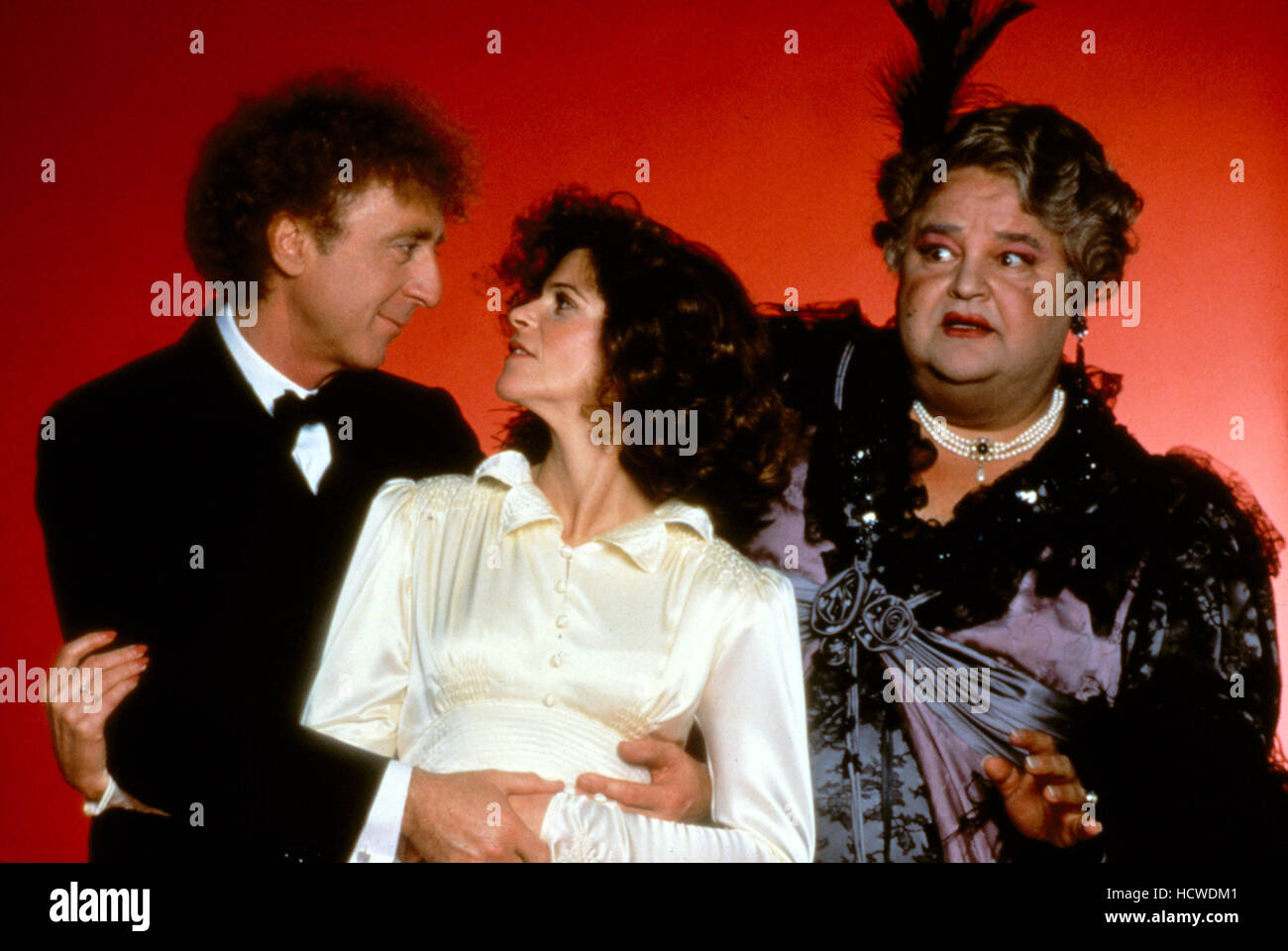
Gilda Radner and Gene Wilder are not buried together. Gilda Radner was interred at Long Ridge Cemetery in Stamford, Connecticut, following her death in 1989. Gene Wilder, who passed away in 2016, was cremated, and his ashes were kept by his family, specifically his widow, Karen Boyer.
The love story between Gilda Radner and Gene Wilder remains one of the most poignant and celebrated narratives in comedy history. Despite their deep bond and the tragic nature of Radner’s early passing, their final resting arrangements reflect the different paths their lives took in the decades following her death. While many fans hope to find a shared memorial for the iconic couple, their physical legacies are preserved in separate ways, honoring both their time together and their individual journeys.
The Final Resting Place of Gilda Radner
Gilda Radner, the beloved "Saturday Night Live" original cast member, died on May 20, 1989, after a long and public battle with ovarian cancer. Her death at the age of 42 devastated the entertainment world and her husband, Gene Wilder. Radner was buried in Long Ridge Cemetery, located in Stamford, Connecticut.
Long Ridge Cemetery is a quiet, historic burial ground that dates back to the 18th century. It is known for its serene, pastoral setting, which provides a sense of peace far removed from the bright lights of New York City or Hollywood. Radner’s grave is marked by a modest but elegant headstone. The inscription reflects her name and her dates of birth and death, serving as a pilgrimage site for fans who wish to pay their respects to the woman who brought characters like Roseanne Roseannadanna and Emily Litella to life.
For decades, Radner's grave was the primary physical site where fans could honor the couple’s legacy. Because Wilder lived in nearby North Stamford for many years, the location was deeply personal to him. However, it is a solo plot, reflecting the specific timeframe of her passing when she was the primary focus of the Wilder family's grief.
The Passing and Memorialization of Gene Wilder
Gene Wilder passed away on August 29, 2016, at the age of 83, due to complications from Alzheimer’s disease. At the time of his death, nearly 27 years had passed since Gilda Radner’s death. In those intervening years, Wilder had rebuilt his life, continuing his career as an actor, author, and painter. He married Karen Boyer, a speech therapist, in 1991, and they remained married for 25 years until his death.
Upon his passing, the Wilder family opted for cremation rather than a traditional burial. This decision is common for many who prefer a private or less traditional form of memorialization. Because Wilder was cremated, there is no public grave site or headstone for him at Long Ridge Cemetery or any other public cemetery. His ashes remained with his wife and family, allowing them to honor his memory in a private capacity.
This distinction in burial methods—traditional interment for Radner and cremation for Wilder—is the primary reason why they do not share a final resting place. Furthermore, Wilder’s long and happy second marriage meant that his final arrangements were coordinated by a different family unit than the one he shared with Radner in the 1980s.
The Love Story: How Their Lives Were Intertwined
To understand why fans often ask if the pair are buried together, one must look at the intensity of their relationship. Radner and Wilder met on the set of the film Hanky Panky in 1982. At the time, Radner was married to musician G.E. Smith, but she described meeting Wilder as an instantaneous, life-changing event. They eventually married in the south of France in 1984.
Their marriage was characterized by a deep creative and emotional partnership. They starred together in films like The Woman in Red (1984) and Haunted Honeymoon (1986). When Radner was diagnosed with ovarian cancer in 1986, Wilder became her primary caregiver and advocate. He famously sought out the best treatments and supported her through every round of chemotherapy and surgery.
After Radner’s death, Wilder was instrumental in founding Gilda’s Club, a network of support centers for people living with cancer, their friends, and their families. He also testified before Congress to advocate for increased funding for cancer research. This period of his life cemented the two of them as a "soulmate" pairing in the public consciousness, leading to the assumption that they would eventually be reunited in death.
Why Separate Arrangements Are Common in Hollywood
It is a common misconception that famous couples will always be buried together. Several factors often lead to separate arrangements:
- Remarriage: As was the case with Gene Wilder, a surviving spouse may remarry and spend decades with a new partner. Final arrangements are typically handled by the current spouse and immediate family.
- Geographic Changes: Actors often move throughout their lives. While Radner was buried in Connecticut near where they lived in the late 80s, other family members might prefer different locations decades later.
- Personal Preference for Cremation: Over the last 30 years, the preference for cremation has risen significantly in the United States. Many people now choose cremation for environmental, financial, or philosophical reasons.
- Timing: When a spouse dies young, like Radner, the survivor is left to live a significant portion of their life—often twice as long as the marriage itself—after the tragedy.
| Detail | Gilda Radner | Gene Wilder |
|---|---|---|
| Date of Death | May 20, 1989 | August 29, 2016 |
| Age at Death | 42 | 83 |
| Cause of Death | Ovarian Cancer | Alzheimer's Disease |
| Final Disposition | Buried (Interment) | Cremated |
| Location | Long Ridge Cemetery, Stamford, CT | Ashes with Family |
| Spouse at Time of Death | Gene Wilder | Karen Boyer |
| Public Memorial Site | Yes (Headstone) | No (Private) |
Visiting Long Ridge Cemetery
For fans who wish to honor the memory of the couple, a visit to Radner’s grave at Long Ridge Cemetery is the standard practice. The cemetery is located at 1563 Erskine Road, Stamford, CT 06903. It is an active cemetery, so visitors are encouraged to be respectful of other mourners and the grounds.
While Gene Wilder is not physically there, his presence is felt through the tributes often left at Radner’s site. Fans frequently leave small tokens, flowers, or notes that mention both performers. The cemetery is small enough that finding the grave is manageable, though it is not a "tourist" cemetery in the way that Hollywood Forever or Père Lachaise might be. It remains a somber, private place of reflection.
The Cultural Legacy of Their Union
Even though they are not buried together, the spiritual and cultural "togetherness" of Gilda Radner and Gene Wilder is preserved through film and philanthropy. The documentary Love, Gilda (2018) provided an intimate look at their relationship through Radner's own home movies and diaries, reinforcing the idea that their bond transcended their physical separation.
Wilder’s own memoir, Kiss Me Like a Stranger: My Search for Love and Art, devotes significant space to his time with Gilda. He writes about the pain of losing her and the slow process of finding joy again. By the time of his death in 2016, the public viewed him not just as Willy Wonka or Leo Bloom, but as a man who had loved deeply and survived great loss.
Frequently Asked Questions
Did Gene Wilder ever visit Gilda's grave?
Yes, Gene Wilder lived in the Stamford area for many years following Radner's death. While he was notoriously private about his personal life and grieving process, he remained in the community where she was buried and was active in maintaining her legacy through Gilda's Club and cancer advocacy work.
Is there a memorial for Gene Wilder anywhere?
There is no singular public "tomb" for Gene Wilder. However, he is memorialized in numerous ways, including various film industry tributes, the Gene Wilder Building at the Gilda’s Club NYC location, and through the continued popularity of his classic films. His "memorial" is largely considered to be his body of work.
Why was Gilda Radner buried in Connecticut?
Radner and Wilder shared a home in North Stamford, Connecticut. It was their sanctuary away from the pressures of the entertainment industry. When she passed away, it was natural for her to be buried in the community they called home, rather than in her birthplace of Detroit or in a Los Angeles celebrity cemetery.
Does Karen Boyer have any connection to Gilda Radner?
Karen Boyer was a clinical supervisor at the New York League for the Hard of Hearing and helped Wilder with his role in See No Evil, Hear No Evil. While she was not a close friend of Radner's, she shared 25 years of life with Wilder and was by his side as he continued to honor Radner's memory through philanthropic efforts.
Can I leave flowers at Gilda Radner's grave?
Yes, visitors are permitted to leave flowers at Long Ridge Cemetery. It is recommended to use natural flowers and avoid leaving large plastic items or non-biodegradable materials, as the cemetery staff periodically clears the grounds to maintain the historic aesthetic.
Recommendations for Fans
If you are looking to connect with the history of Gilda Radner and Gene Wilder, consider the following actions:
- Support Gilda’s Club: Instead of a cemetery visit, many fans choose to donate to Cancer Support Community (which merged with Gilda’s Club). This honors the specific mission Wilder championed after Radner's death.
- Watch Their Collaborations: The best way to see the couple "together" is through their films. The Woman in Red and Haunted Honeymoon showcase their chemistry and comedic timing.
- Read Their Memoirs: Gilda Radner’s book It's Always Something and Gene Wilder’s Kiss Me Like a Stranger provide the most accurate, first-person accounts of their relationship and its impact on their lives.
- Visit Long Ridge Cemetery Respectfully: If you do choose to visit the physical site in Stamford, plan for a quiet, contemplative experience. The cemetery is most beautiful in the spring and autumn, reflecting the seasonal changes of the New England landscape they both loved.
While they do not share a plot of land, the story of Gilda and Gene is preserved in the hearts of those they made laugh. Their separate final arrangements do not diminish the love they shared; rather, they reflect the complex, full lives that both individuals led—one cut tragically short, and one that continued to find beauty and purpose in the decades that followed.