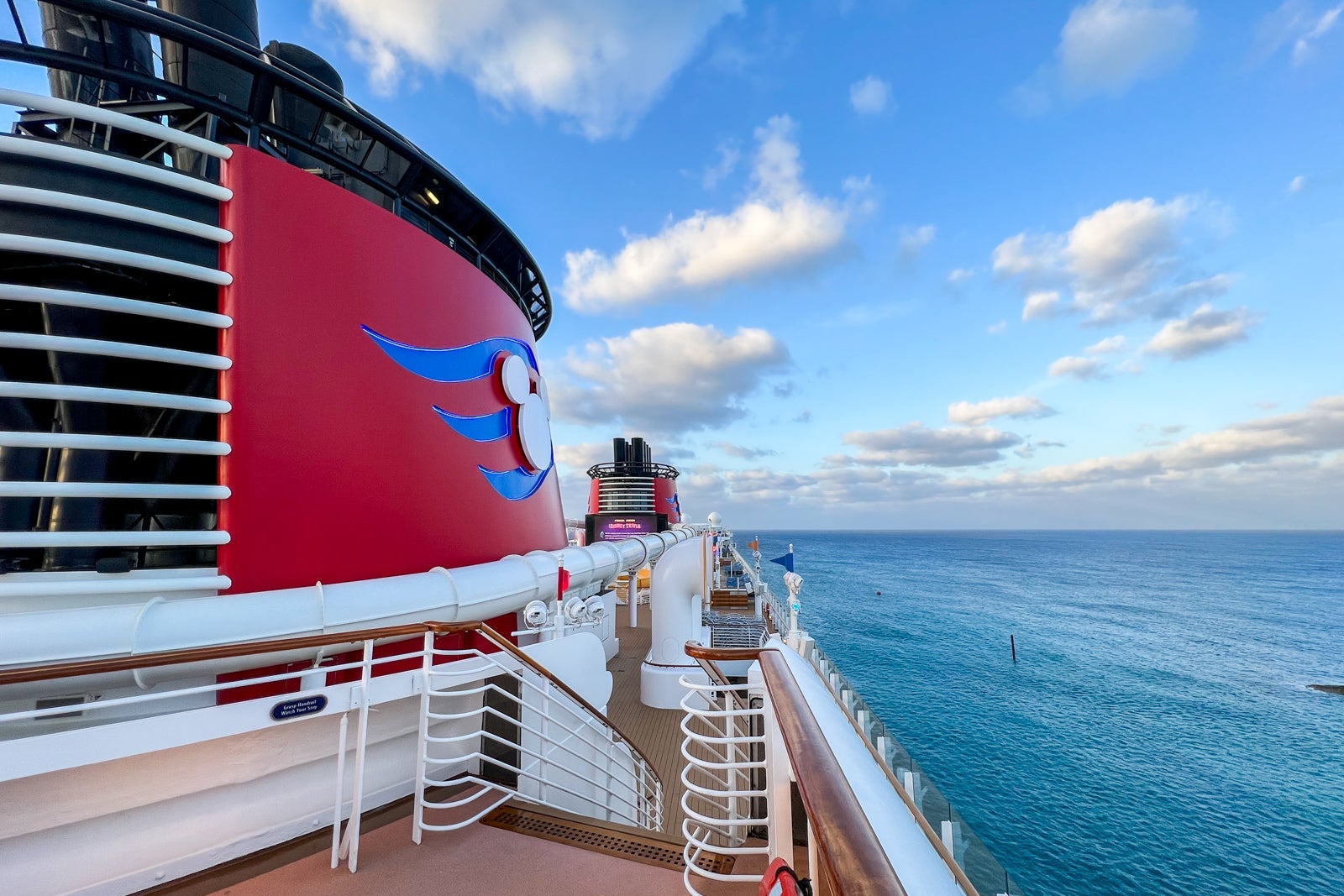
As of 2026, no Disney Cruise Line ship has ever sunk. Since the maiden voyage of the Disney Magic in 1998, the company has maintained a perfect safety record regarding hull integrity and major maritime disasters. Despite occasional internet rumors or viral hoaxes, every vessel in the Disney fleet remains operational or has been retired according to standard industry lifecycles.
The Evolution of the Disney Cruise Line Fleet
To understand why the question of a Disney ship sinking frequently arises, one must first look at the scale and visibility of the fleet. In 2026, Disney Cruise Line (DCL) stands as one of the most recognized names in the travel industry, known for its rigorous safety standards and high-profile vessel launches. The fleet has expanded significantly from its original two-ship configuration to a global presence with ships stationed in North America, Europe, and Asia.
The current fleet includes the "classic" ships—the Disney Magic and Disney Wonder—which set the standard for the brand’s maritime safety. These were followed by the larger "Dream Class" ships, the Disney Dream and Disney Fantasy. More recently, the "Triton Class" (the Disney Wish, Disney Treasure, and Disney Destiny) and the massive Disney Adventure have pushed the boundaries of naval architecture.
The increased number of ships and the high-profile nature of the Disney brand make these vessels frequent subjects of online speculation. In a digital landscape where "clickbait" often drives engagement, fabricated stories or AI-generated images of sinking ships can occasionally confuse the public. However, maritime records from the International Maritime Organization (IMO) and various port authorities confirm that no Disney vessel has experienced a catastrophic failure leading to a sinking.
Maritime Engineering and "Safe Return to Port" Standards
The primary reason a Disney cruise ship has not sunk lies in the sophisticated engineering required for modern passenger vessels. Ships built in the 21st century, including the entire Disney fleet, must adhere to strict "Safe Return to Port" (SRtP) regulations. These standards, established by the International Convention for the Safety of Life at Sea (SOLAS), ensure that a ship can remain buoyant and functional even in the event of a fire or flooding in a major compartment.
Disney ships are designed with redundant systems for propulsion, steering, and power generation. The hull is divided into several watertight compartments. If one compartment is breached, the others remain sealed, providing enough buoyancy to keep the ship afloat. Furthermore, the use of advanced stabilizers—large fins that extend from the sides of the hull—minimizes the ship's roll in heavy seas, preventing the kind of extreme tipping that might lead to a capsizing event.
In the Triton Class vessels, such as the Disney Wish and Disney Treasure, the use of Liquefied Natural Gas (LNG) as a primary fuel source has also introduced new safety layers. LNG storage tanks are built with cryogenic materials and double-walled vacuum insulation, significantly reducing the risk of explosions or leaks compared to traditional heavy fuel oil systems.
Addressing Recent Confusion: The Disney Treasure Rescue Incident
In late 2024, search queries regarding "Disney ship sinking" spiked due to a real-life maritime event involving the Disney Treasure. While the Disney ship itself was never in danger, it was the hero of a high-seas rescue operation. During its transatlantic crossing to its new home port, the Disney Treasure responded to a distress call from a 50-foot catamaran named "Serenity" that was taking on water in the Atlantic Ocean.
The crew of the Disney Treasure successfully rescued four passengers from the sinking catamaran. Because news headlines frequently used the words "Disney Treasure" and "sinking" in the same sentence, some readers who only scanned the headlines mistakenly believed the Disney cruise ship was the vessel in distress. This event actually serves as a testament to the safety and readiness of the DCL crew, who are trained to perform complex rescue maneuvers in open water.
Regulatory Oversight and Constant Inspections
Another factor contributing to the unblemished safety record of Disney Cruise Line is the relentless cycle of inspections and certifications. Every ship that docks in a United States port, for example, is subject to the U.S. Coast Guard’s (USCG) Cruise Ship National Center of Expertise inspections. These occur at least twice a year and cover everything from fire suppression systems to lifeboat deployment.
Additionally, the ships are flagged in countries like the Bahamas, which requires compliance with the Bahamas Maritime Authority. These authorities conduct independent audits to ensure the ships meet global safety benchmarks. In 2026, Disney continues to invest heavily in dry-dock maintenance, where ships are taken out of the water every few years for comprehensive hull inspections, mechanical overhauls, and technology upgrades.
Navigational Technology and Weather Avoidance
Safety at sea is not just about the strength of the hull; it is about avoiding dangerous conditions in the first place. Disney Cruise Line employs a sophisticated shoreside operations center that monitors global weather patterns 24/7. Modern GPS, radar, and satellite weather tracking allow captains to navigate around hurricanes and tropical storms with high precision.
If a storm path threatens a planned itinerary, Disney—like other major lines—will proactively change the route or skip a port rather than risk the safety of the vessel. The goal is to keep the ship in "following seas" or calm waters whenever possible. This preventative approach to navigation is a cornerstone of why major incidents are so rare in the modern era of cruising.
Fleet Status and Specifications (As of 2026)
The following table outlines the current Disney Cruise Line fleet, their launch years, and their status to provide a clear picture of the fleet’s history and safety.
| Ship Name | Launch Year | Class | Tonnage (Approx.) | Current Status |
|---|---|---|---|---|
| Disney Magic | 1998 | Magic | 84,000 | Active & Operational |
| Disney Wonder | 1999 | Magic | 84,000 | Active & Operational |
| Disney Dream | 2011 | Dream | 130,000 | Active & Operational |
| Disney Fantasy | 2012 | Dream | 130,000 | Active & Operational |
| Disney Wish | 2022 | Triton | 144,000 | Active & Operational |
| Disney Treasure | 2024 | Triton | 144,000 | Active & Operational |
| Disney Adventure | 2025 | Global | 208,000 | Active & Operational |
| Disney Destiny | 2025 | Triton | 144,000 | Active & Operational |
Crew Training and Emergency Protocols
The safety of a vessel is only as good as the people operating it. Disney Cruise Line is renowned for its intensive crew training programs. Every crew member, from the captain to the stateroom hosts, has a specific role during an emergency (often referred to as their "Emergency Station" or "Muster Station").
By 2026, Disney has fully transitioned to "e-Muster" technology. This allows guests to complete the majority of their safety briefing via the Disney Cruise Line Navigator app upon boarding. However, this convenience does not replace the physical readiness of the crew. Lifeboat drills are performed regularly without passengers to ensure that launching mechanisms work perfectly and that the crew can evacuate the entire ship within the timeframes mandated by international law.
Common Myths and Social Media Hoaxes
The myth that a Disney ship has sunk often originates from three specific sources:
- AI-Generated Imagery: With the rise of sophisticated AI art tools, realistic-looking images of "sunken" Disney ships have circulated on social platforms. These are purely fictional and often created for "engagement bait."
- Movie Tie-ins: Disney is a film company. Some users confuse footage from movies or theme park attractions (like the "sinking" effects in certain rides) with real-world maritime events.
- The "Disney Wish" Stability Rumors: When the Disney Wish was first launched, some internet "experts" claimed the ship was top-heavy due to its large upper-deck structures. These claims were debunked by naval architects; the ship’s center of gravity is precisely calculated, and its heavy engines and fuel tanks at the bottom of the hull provide a massive "counter-weight" effect.
How Disney Handles Onboard Incidents
While no ship has sunk, it would be inaccurate to say that Disney ships have never faced challenges. Like any large machine, ships experience mechanical issues. There have been instances of "propulsion issues" requiring a ship to return to port at a slower speed, and minor localized fires that were immediately extinguished by automated systems.
In every case, the ship's safety systems functioned as designed. For example, if a small fire occurs in a laundry room, specialized sensors detect it, and the area is sealed off and suppressed before it can spread. This "containment" strategy is the key to preventing a minor incident from becoming a maritime disaster.
Safety for the Future: New Technologies in 2026
Moving through 2026, Disney continues to integrate new safety technologies. This includes advanced sonar for obstacle detection and automated "bridge watch" systems that use machine learning to identify potential collision risks earlier than the human eye can see. The addition of the Disney Adventure—the largest ship in the fleet—has introduced "smart" evacuation routing, which uses real-time data to direct guests to the clearest paths during an emergency.
The commitment to safety is also reflected in the health and medical facilities on board. Each ship features a state-of-the-art medical center staffed by doctors and nurses, capable of handling emergencies until a guest can be medevacked or reached by land-based services.
Frequently Asked Questions
Has there ever been a total loss of a Disney Cruise Line vessel?
No. There has never been a "total loss" or hull loss of any vessel owned or operated by Disney Cruise Line. Every ship ever commissioned by the line is still in active service as of 2026. Maritime safety records are public, and no such event has ever been recorded by the International Maritime Organization or the U.S. Coast Guard.
What was the incident involving the Disney Treasure and a sinking boat?
In November 2024, the Disney Treasure performed a rescue of four people from a sinking 50-foot catamaran called the Serenity. This occurred in the Atlantic Ocean during the ship's delivery voyage. The Disney Treasure itself was never in danger; rather, it used its advanced rescue boats to save individuals from a non-Disney vessel that was taking on water.
Are Disney cruise ships top-heavy and prone to tipping?
This is a common misconception about modern mega-ships. While they appear very tall above the waterline, the heaviest components (engines, fuel, water tanks, and ballast) are located at the very bottom of the ship. This creates a low center of gravity. Additionally, the ships use active fin stabilizers and ballast tanks to counteract the wind and waves, ensuring the ship remains upright and stable even in rough weather.
How does Disney Cruise Line handle hurricanes?
Disney Cruise Line avoids hurricanes entirely by using sophisticated meteorological tracking. Because cruise ships can move at speeds of 20-22 knots, they can easily outpace a storm. Disney’s policy is to prioritize safety over the itinerary; if a hurricane is predicted, the ship will be rerouted to a different part of the Caribbean, the Bahamas, or held at sea until the port is safe to enter.
What happens if a Disney ship loses power at sea?
Every Disney ship is equipped with multiple redundant engine rooms and emergency generators. If the primary propulsion fails, the emergency generators provide power for essential services, including navigation, communication, lighting, and food preservation. Modern maritime laws require that ships have the capability to provide "safe areas" for guests with lighting and sanitation even during a partial power failure.
Final Recommendation for Travelers
For those concerned about maritime safety, the evidence is clear: Disney Cruise Line maintains one of the best safety records in the travel industry. If you are planning a trip in 2026, you can verify the current status of any ship through official maritime tracking websites like MarineTraffic or VesselFinder.
The most practical action for any traveler is to focus on personal safety by attending the mandatory safety briefings and familiarizing yourself with the location of your life jackets and muster stations. While the ships are engineered to be "unsinkable" in all but the most extreme, theoretical scenarios, being an informed and prepared passenger is the final piece of the safety puzzle.