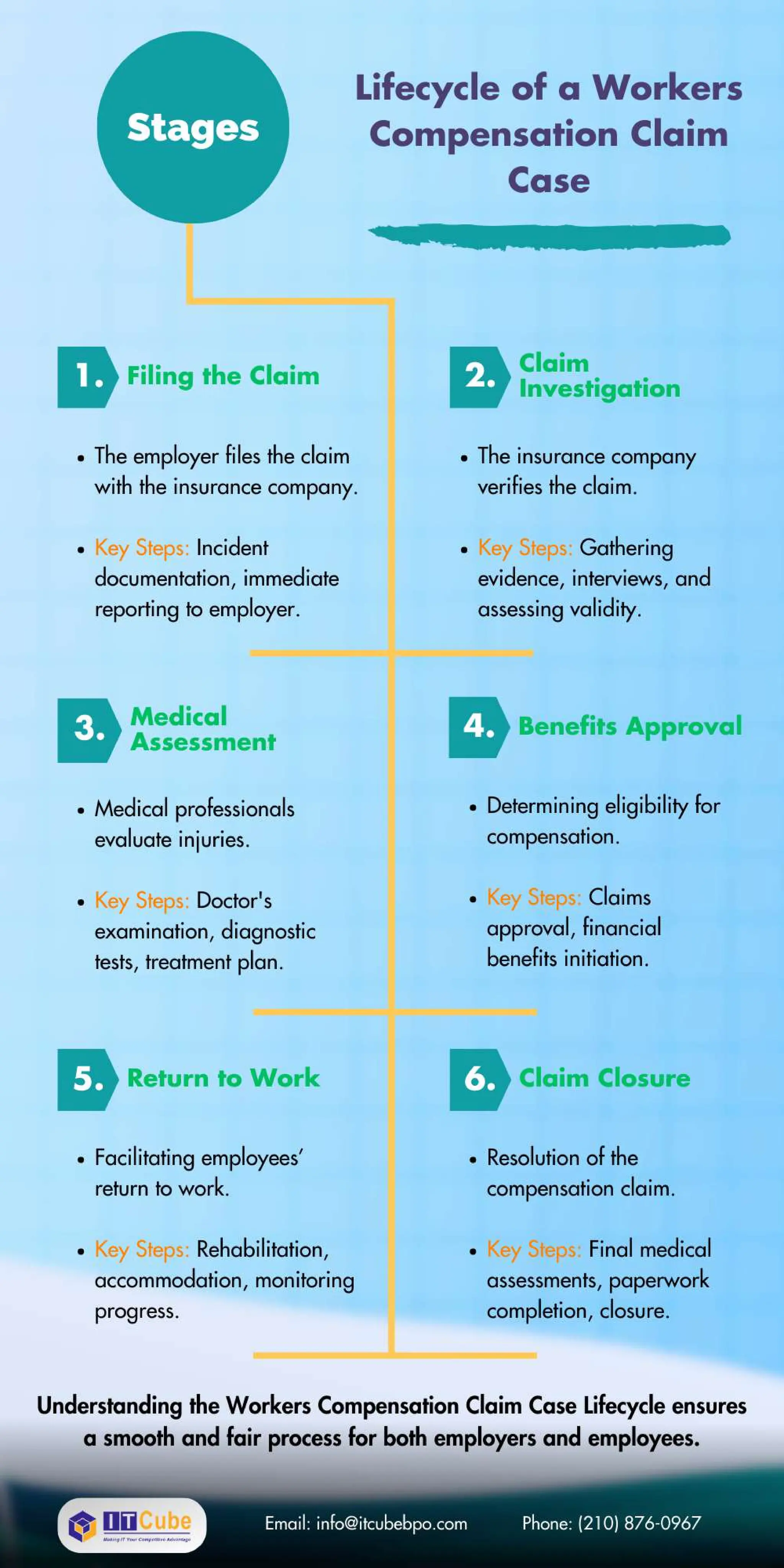
A workers' compensation adjuster manages the end-to-end process of workplace injury claims, balancing the legal requirements of insurance policies with the medical needs of injured employees. Their daily routine involves investigating accidents, determining compensability, managing medical treatments, and negotiating settlements to ensure a fair resolution for both the employer and the worker.
The role of a workers' compensation (WC) adjuster is often described as a high-stakes balancing act. In 2026, while technology has streamlined many administrative hurdles, the human element of the job remains more critical than ever. Adjusters serve as the central hub of a complex ecosystem that includes injured workers, medical providers, defense attorneys, and corporate employers. To understand the "day in the life" of these professionals, one must look past the paperwork and into the intricate decision-making processes that define their workload.
The Morning Surge: Prioritization and Triage
For most adjusters, the day begins long before they sit at their desks, as new claims—known as First Notice of Loss (FNOL)—can arrive at any hour. By 8:30 AM, an adjuster typically faces a queue of new "losses" that must be triaged based on severity.
The first hour is dedicated to identifying "catastrophic" claims. These involve life-altering injuries such as spinal cord damage, amputations, or severe head trauma. These cases require immediate intervention, including the assignment of a field nurse case manager and direct contact with the hospital or trauma center. For the adjuster, the goal is to ensure the injured worker receives the highest standard of care immediately, which paradoxically helps control long-term costs for the insurance carrier.
Once the emergencies are handled, the adjuster moves to the "three-point contact" rule. This is a foundational industry standard where the adjuster must speak with:
- The Injured Worker: To gather their version of the accident and explain their rights and benefits.
- The Employer: To verify the worker’s employment status, wage history, and whether the accident was witnessed.
- The Medical Provider: To obtain a preliminary diagnosis and determine if the worker can return to some form of modified duty.
Investigation and Compensability: The Detective Phase
Mid-morning is usually reserved for investigative work. A workers' compensation adjuster does not simply take an injury report at face value. They must determine "compensability"—whether the injury truly "arose out of" and "occurred in the course of" employment (often referred to as AOE/COE).
In 2026, this investigation is aided by advanced digital forensics and predictive analytics, but the core work remains manual. Adjusters review recorded statements to look for inconsistencies. If a worker claims they hurt their back lifting a heavy box on Tuesday, but social media posts show them participating in a weightlifting competition on Saturday, the adjuster must flag the file for potential fraud.
This phase also involves reviewing the "Medical-Legal" aspects of a claim. In many jurisdictions, adjusters must navigate complex state-specific fee schedules and utilization review (UR) guidelines. They decide which medical treatments are "reasonable and necessary." This often puts the adjuster in the difficult position of denying a specific surgery or physical therapy regimen if it does not align with established evidence-based medicine (EBM) guidelines, such as those provided by the Official Disability Guidelines (ODG).
Financial Stewardship: The Art of Reserving
One of the most technically demanding aspects of an adjuster’s afternoon is "reserving." When a claim is opened, the adjuster must estimate the total ultimate cost of that claim, including medical expenses, indemnity (lost wages), and legal fees.
This is not a guess; it is a calculation based on actuarial data, medical prognosis, and jurisdictional trends. For instance, if a worker in New York suffers a torn rotator cuff, the adjuster must look at the average cost of surgery, the typical duration of Temporary Total Disability (TTD) for that injury, and the potential for a Permanent Partial Disability (PPD) award.
Proper reserving is essential for the financial health of the insurance company. If an adjuster "under-reserves," the company faces a sudden financial shock when the claim eventually settles for a higher amount. Conversely, "over-reserving" ties up capital that could be used elsewhere. In 2026, adjusters use AI-driven tools to suggest reserve ranges, but the final authority remains with the human adjuster who understands the nuances of a specific claimant’s recovery motivation.
Comparison of Claims Handling: Indemnity vs. Medical-Only
Not all claims are handled the same way. Adjusters often manage a mix of "Medical-Only" (MO) and "Indemnity" claims. The following table highlights the key differences in daily management for these two categories.
| Feature | Medical-Only Claims | Indemnity (Lost Time) Claims |
|---|---|---|
| Primary Goal | Efficient payment of medical bills. | Return-to-work (RTW) and wage replacement. |
| Complexity | Low; usually minor cuts or strains. | High; involves long-term disability and legal issues. |
| Investigation | Basic verification of the accident. | Extensive; statements, surveillance, and records. |
| Financial Impact | Low (usually under $5,000). | High (can range from $25,000 to millions). |
| Duration | Typically closed within 30-90 days. | Can remain open for years or decades. |
| Stakeholders | Worker, Doctor, Employer. | All of the above plus Attorneys and Judges. |
The Return-to-Work (RTW) Coordination
A significant portion of the afternoon is spent acting as a mediator between the doctor and the employer. The industry mantra is that "work is medicine." The longer a worker stays out of the office, the less likely they are to ever return.
Adjusters spend hours reviewing "Work Status Notes." If a physician releases a worker to "light duty" with a 10-pound lifting restriction, the adjuster must call the employer to see if a temporary position can be created. This requires high-level negotiation. Employers are often reluctant to take back an injured worker for fear of re-injury, while workers may be hesitant to return if they feel they aren't fully healed. The adjuster must bridge this gap by explaining the benefits of transitional duty and ensuring that the modified work stays strictly within the doctor's prescribed limits.
Litigation Management and Legal Strategy
As the workday winds down, the focus often shifts to litigated files. In cases where the claim is denied or there is a dispute over the degree of permanent disability, attorneys become involved.
The adjuster works closely with defense counsel to prepare for hearings or depositions. They must ensure that all evidence—medical records, surveillance footage, and wage statements—is organized and provided to the legal team. In 2026, many of these "hearings" are conducted via secure video conferencing, but the adjuster must still be present to provide settlement authority or clarify policy details.
Strategy meetings with attorneys involve discussing the "exposure" of a case. They weigh the cost of taking a case to trial versus the cost of a "Section 32" or "Full and Final" settlement. This requires a deep understanding of case law and the specific tendencies of local Workers' Compensation Board judges.
Soft Skills: The Emotional Weight of the Role
Beyond the technical and legal requirements, a day in the life of a workers' compensation adjuster is emotionally taxing. They spend a large portion of their day speaking with people who are in pain, worried about their finances, and frustrated by a complex bureaucracy.
Adjusters must practice "active listening" while maintaining professional boundaries. They are often the target of a claimant’s anger when a check is delayed by the postal service or a doctor’s appointment is rescheduled. Managing these interactions requires a high level of emotional intelligence. Successful adjusters are those who can show empathy—acknowledging the claimant's hardship—while remaining firm on the policy limits and legal requirements that govern the claim.
Prerequisites and Career Path for Adjusters
Entering this field in 2026 generally requires a combination of formal education and state-mandated licensing. While many adjusters hold degrees in business, finance, or criminal justice, the most critical requirement is the Adjuster License in the state(s) where they handle claims.
- State Licensing: Most states require a passing score on a comprehensive exam covering insurance law, ethics, and claims handling procedures. Some states, like Texas and Florida, offer "reciprocal" licenses that are accepted in many other jurisdictions.
- Continuing Education (CE): To maintain a license, adjusters must complete 20-30 hours of CE credits every two years, focusing on legislative updates and ethical standards.
- Certifications: Advanced adjusters often pursue designations such as the Associate in Claims (AIC) or the Chartered Property Casualty Underwriter (CPCU) to increase their technical depth and earning potential.
Frequently Asked Questions
What is the average caseload for a workers' compensation adjuster?
In 2026, a standard caseload typically ranges from 125 to 150 "pending" claims. However, this varies based on the complexity of the files. An adjuster handling only "lost time" or litigated claims might have a lower count (around 80-100), while an adjuster handling "medical-only" claims could manage over 200.
How much do workers' compensation adjusters earn in 2026?
Salaries for WC adjusters have seen steady growth. Entry-level adjusters typically start between $58,000 and $65,000. Senior adjusters or those handling complex catastrophic claims can earn between $90,000 and $120,000, depending on the region and the insurance carrier or Third-Party Administrator (TPA).
Can workers' compensation adjusters work remotely?
Yes, remote work is highly common in 2026. Most insurance carriers have moved to a hybrid or fully remote model. However, adjusters must still be available for local travel if they need to attend hearings, visit employer sites, or participate in "roundtable" discussions at a regional office.
What is the hardest part of the job?
Most adjusters cite "workload management" as the most difficult aspect. The constant influx of new emails, phone calls, and legal deadlines can be overwhelming. Additionally, the adversarial nature of some claims—where the adjuster must deny benefits to someone who believes they are entitled to them—can lead to significant job stress and burnout.
Does AI replace adjusters in workers' compensation?
AI has not replaced adjusters, but it has changed their role. In 2026, AI handles routine tasks like medical bill indexing and simple data entry. This allows the human adjuster to focus on "high-value" tasks such as complex medical negotiations, fraud investigation, and providing emotional support to injured workers during their recovery.
What happens if an adjuster makes a mistake?
Errors in claims handling, such as missing a statutory payment deadline or failing to file a form with the state board, can result in "penalties and interest." These fines are paid by the insurance company and can range from a few hundred to several thousand dollars per occurrence. Repeated errors can lead to an audit of the carrier by state regulators.
Practical Recommendation for Aspiring Adjusters
If you are considering a career as a workers' compensation adjuster, focus on developing your organizational systems and conflict resolution skills. The technical knowledge of the law can be learned through study, but the ability to manage 150 different "moving parts" while remaining calm under pressure is what defines a successful career. Start by obtaining a general adjuster license and seeking an entry-level position at a Third-Party Administrator (TPA), which often provides robust training programs for new hires. Always prioritize documentation; in the world of insurance, if an action wasn't documented in the claim notes, it legally never happened.