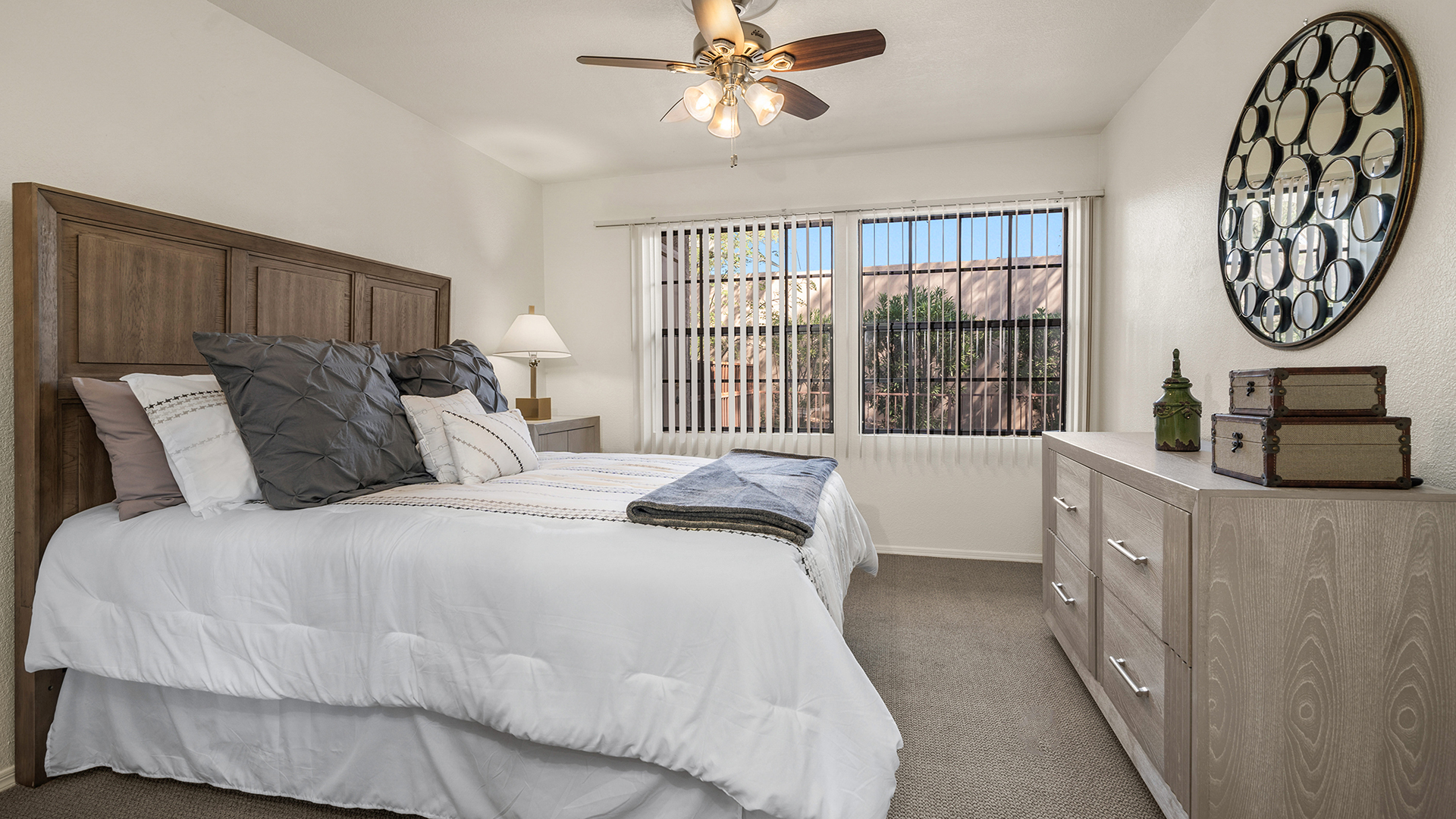
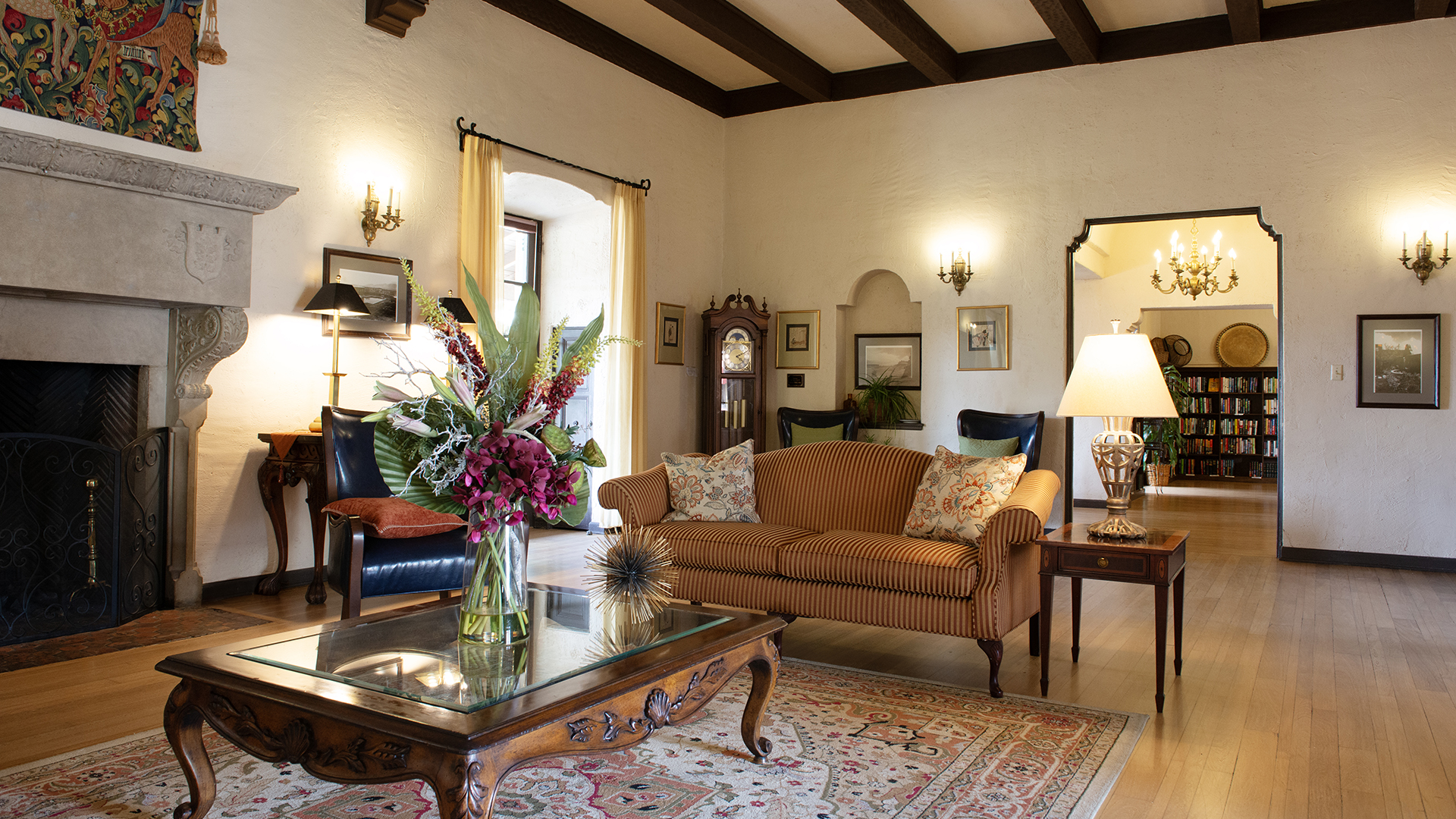
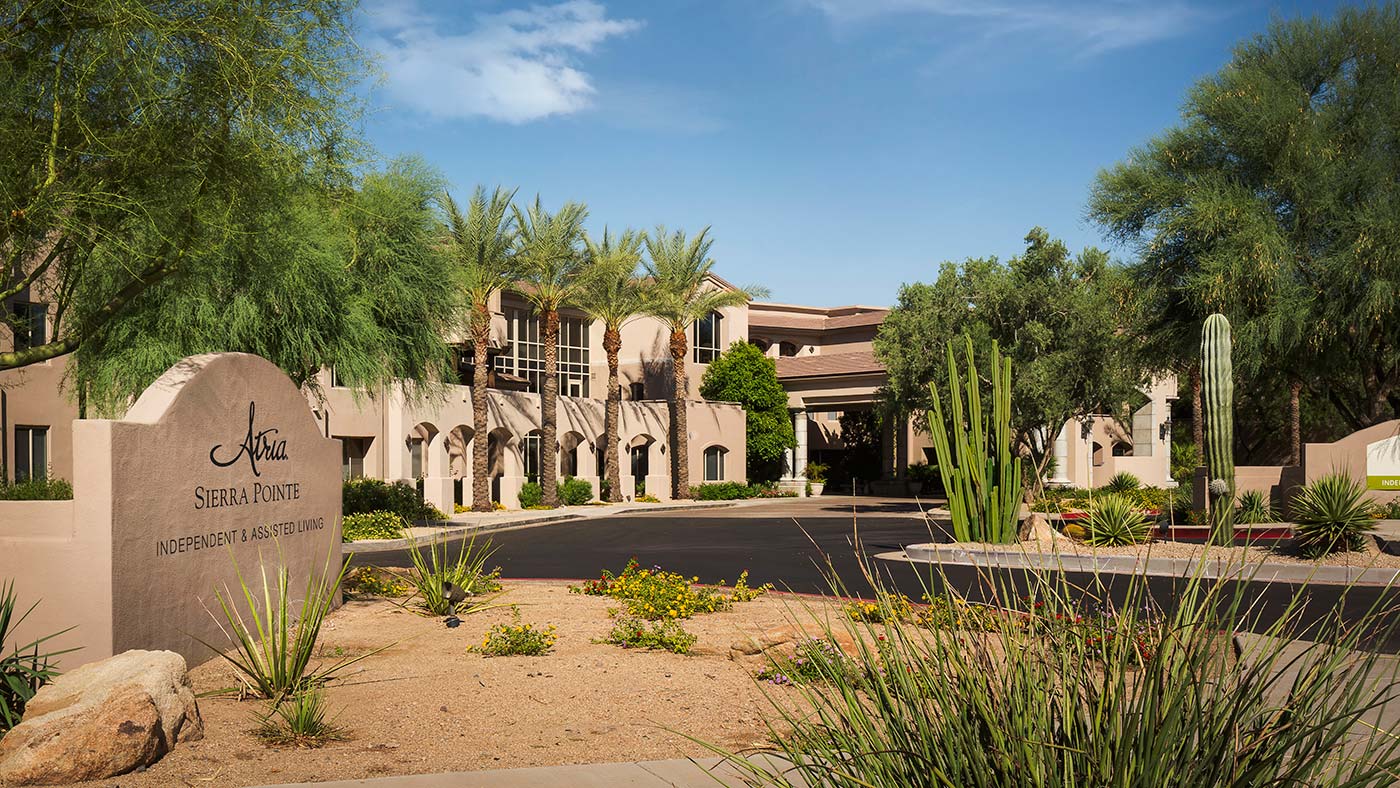
Atria Senior Living in Tucson, AZ, provides older adults with a spectrum of residential care choices, combining independent living, assisted living, and specialized memory care within structured, community-oriented environments. These local facilities focus on balancing personal autonomy with daily support, offering apartment-style residences alongside communal dining, social programs, and professional health oversight designed to meet evolving needs.
Introduction to Senior Living Options in Tucson
Navigating the landscape of senior care in the American Southwest requires understanding the specific distinctions between independent living, assisted living, and memory care. In Tucson, Arizona, older adults and their families often seek communities that offer both a desirable climate and comprehensive support infrastructure. Atria Senior Living operates regional locations tailored to these requirements, providing localized options for individuals who wish to maintain an active lifestyle or require targeted medical and personal assistance.
When evaluating these communities, prospective residents and their families must assess how well a facility matches their current physical health status, financial parameters, and social preferences. This analysis examines the operational framework, care levels, physical layouts, financial structures, and practical considerations associated with Atria's presence in Tucson, establishing a clear reference point for decision-making.
The Tucson Senior Care Landscape
Tucson features a dense concentration of retirement communities, driven by its warm desert climate, dry air, and established healthcare networks such as Banner University Medical Center and Tucson Medical Center. For decades, the region has attracted retirees from across the United States. Within this market, corporate senior living providers like Atria Senior Living position their facilities to serve seniors who value urban or suburban accessibility paired with resort-style amenities.
The city’s geography influences facility design. Most properties incorporate desert landscaping, shaded courtyards, and indoor climate-controlled spaces to mitigate extreme summer temperatures while maximizing year-round outdoor access. Understanding this geographic and climatic context helps families determine whether a Tucson-based community aligns with their lifestyle expectations and health management requirements.
Core Care Levels Offered by Atria Senior Living
Atria communities are structured around distinct tiers of care, allowing residents to transition between service levels as their health needs change over time.
Independent Living
Independent living is designed for active older adults who do not require daily personal care assistance but wish to eliminate the burdens of home maintenance, property upkeep, and cooking.
- Housing: Private apartments featuring kitchenettes or full kitchens, emergency response systems, and individual climate control.
- Services: Weekly housekeeping, linen service, scheduled local transportation, and planned social or recreational activities.
- Dining: Restaurant-style dining rooms offering chef-prepared meals with flexible dining plans.
Assisted Living
Assisted living bridges the gap between independent living and skilled nursing care. It is intended for individuals who value independence but require professional support with activities of daily living (ADLs).
- Personal Care Support: Trained staff members assist with medication management, bathing, dressing, grooming, and mobility.
- Health Oversight: Regular wellness checks and coordination with external healthcare providers, physical therapists, and physicians.
- Safety Protocols: 24-hour staff availability and secure emergency call systems within all private residential units.
Memory Care
Memory care environments are specialized programs structured for individuals living with Alzheimer’s disease or other forms of progressive dementia.
- Secure Environments: Purpose-built neighborhoods featuring enclosed outdoor courtyards, simplified floor plans, and secure entry and exit points to prevent wandering.
- Specialized Programming: Cognitive engagement activities, sensory therapies, and structured daily routines designed to reduce anxiety and promote familiarity.
- Staff Training: Care teams receive specialized education in behavioral management, communication techniques, and dementia-specific care strategies.
Comparison of Care Levels and Services
| Care Level | Primary Target Audience | Key Services Provided | Housing Type | Medical Supervision |
|---|---|---|---|---|
| Independent Living | Active, self-sufficient seniors | Maintenance-free living, dining, social events, transportation | Private apartments | Minimal/Emergency response only |
| Assisted Living | Seniors needing help with daily tasks | Medication management, personal care (ADLs), housekeeping | Private/Semi-private apartments | Regular wellness monitoring and care coordination |
| Memory Care | Individuals with dementia or Alzheimer's | Secure environment, specialized cognitive programming, 24/7 care | Dedicated secure residential suites | High-level clinical oversight and secure supervision |
Assessing Community Amenities and Lifestyle Programs
The daily experience within a senior living community is heavily influenced by its physical amenities and enrichment programming. Atria properties emphasize active engagement through structured lifestyle calendars.
Dining Services
Nutrition is a core component of senior residential care. Tucson locations typically feature communal dining rooms designed to encourage socialization. Menus are developed by culinary professionals to accommodate various dietary restrictions, including low-sodium, diabetic-friendly, and heart-healthy options. Residents can choose from multiple meal selections daily, promoting personal choice and culinary satisfaction.
Social, Cultural, and Wellness Activities
To combat social isolation—a significant risk factor among older adults—communities organize diverse calendars covering physical fitness, creative arts, educational lectures, and local excursions. Common offerings include:
- Low-impact exercise classes, such as chair yoga and balance training.
- Cultural outings to local Tucson museums, theaters, and scenic desert parks.
- Cognitive games, book clubs, and music therapy sessions.
- Intergenerational programs and volunteer opportunities.
Financial Considerations and Cost Structures
Understanding the financial obligations associated with senior living requires analyzing the base monthly rent, community fee structures, and the cost of care services.
Pricing Models
Senior living pricing typically follows a "base rent plus care" model:
- Base Rent: Covers the residential unit, utilities (excluding personal telephone or premium internet), maintenance, housekeeping, transportation, and basic dining services.
- Community Fee: A one-time, non-refundable community or assessment fee charged upon move-in to cover apartment preparation and administrative onboarding.
- Care Fees (Tiered Pricing): For assisted living and memory care, residents undergo a clinical assessment prior to move-in. Care is billed in tiers or point systems based on the amount of staff assistance required for medication management and ADLs.
Funding Sources and Insurance
- Private Pay: The majority of independent and assisted living costs are funded through private resources, including personal savings, pensions, and retirement accounts (such as IRAs and 401ks).
- Long-Term Care Insurance: Policies that include coverage for assisted living or home health care may reimburse a portion of monthly care costs, subject to elimination periods and policy maximums.
- Veterans Benefits: Eligible military veterans and surviving spouses may qualify for the Aid and Attendance pension benefit, which provides additional monthly financial assistance for those requiring aid with daily living activities.
- Medicaid and Medicare: Standard Medicare does not cover long-term custodial care in assisted living facilities. In Arizona, the Arizona Long Term Care System (ALTCS) provides Medicaid-funded long-term care, though eligibility is strictly means-tested, and participation varies by specific facility license and bed availability.
Evaluating and Selecting a Tucson Senior Living Community
Choosing the right community involves methodical research, direct observation, and thorough questioning during facility tours. Families should follow a structured evaluation process.
Step 1: Define Care Requirements
Consult with primary care physicians or geriatric care managers to determine the exact level of care currently needed and anticipate potential future requirements. Selecting a community that offers a continuum of care (independent living, assisted living, and memory care on one campus) can prevent the stress of future relocations.
Step 2: Conduct On-Site Tours
Schedule visits to prospective Atria locations in Tucson. During the tour, observe environmental conditions and staff-resident interactions:
- Are common areas clean, well-lit, and odor-free?
- How do staff members interact with residents in hallways and dining rooms? Are interactions respectful, patient, and attentive?
- Are emergency call systems tested and demonstrated clearly?
- What are the staff-to-resident ratios during peak hours and overnight shifts?
Step 3: Review State Licensing and Compliance Records
Assisted living facilities and memory care units in Arizona are regulated by the Arizona Department of Health Services (ADHS), Division of Licensing Services. Prospective residents should review public inspection reports, licensing compliance histories, and any documented deficiencies or corrective action plans associated with the specific facility.
Step 4: Examine Resident Agreements and Contracts
Carefully read the residency agreement before signing. Pay close attention to:
- Notice requirements for contract termination or room changes.
- Policies regarding rent increases and annual rate adjustments.
- Refund policies for community fees and unearned monthly rent.
- Clear definitions of what conditions would require a resident's transfer to a higher level of care or a skilled nursing facility.
Frequently Asked Questions
What is the difference between assisted living and memory care at Atria Tucson locations?
Assisted living is designed for individuals who need moderate help with daily tasks like medication management, bathing, or dressing while maintaining a high degree of personal independence. Memory care is housed in a secure, enclosed environment specifically engineered for individuals with Alzheimer's or dementia, featuring specialized safety protocols, secured perimeters, and staff trained extensively in cognitive behavioral care.
Can residents bring their own furniture and pets?
Yes. Residents in independent and assisted living apartments are typically encouraged to personalize their private spaces with their own furniture, photographs, and decor. Many Atria communities also maintain pet-friendly policies, though specific weight limits, breed restrictions, and vaccination requirements apply. Prospective residents should verify pet policies directly with community management prior to move-in.
Are medical doctors on-site at Atria senior living facilities?
Physicians and nurse practitioners do not typically maintain permanent on-site offices as full-time staff employees. However, communities coordinate closely with visiting primary care physicians, podiatrists, physical therapists, and home health agencies who visit the facility regularly to treat residents. Staff members help coordinate appointments and manage transportation to off-site medical visits.
How are care costs adjusted if a resident's health needs change?
If a resident requires additional assistance over time, staff conduct a reassessment of their physical and cognitive status. Based on this clinical evaluation, the resident may transition to a higher care tier within assisted living or move to the dedicated memory care unit. Monthly billing is then adjusted to reflect the new tier of care services provided.
What happens during an emergency or severe weather event in Tucson?
Tucson facilities maintain comprehensive emergency preparedness plans. These protocols address regional weather challenges, such as extreme summer heat waves or localized utility disruptions, ensuring that backup power generators, climate control systems, emergency food and water supplies, and secure communication networks remain operational to protect resident health and safety.
Conclusion and Next Actions
Selecting a senior living community in Tucson requires balancing medical necessities, financial realities, and personal lifestyle preferences. Families should begin by identifying current and projected care needs, verifying state licensing records through the Arizona Department of Health Services, and scheduling structured tours of local facilities. Consulting with elder law attorneys, financial planners, or geriatric care managers can provide additional clarity when navigating contract terms and funding structures. By performing thorough due diligence, families can secure an environment that promotes dignity, safety, and a high quality of life for their aging loved ones.