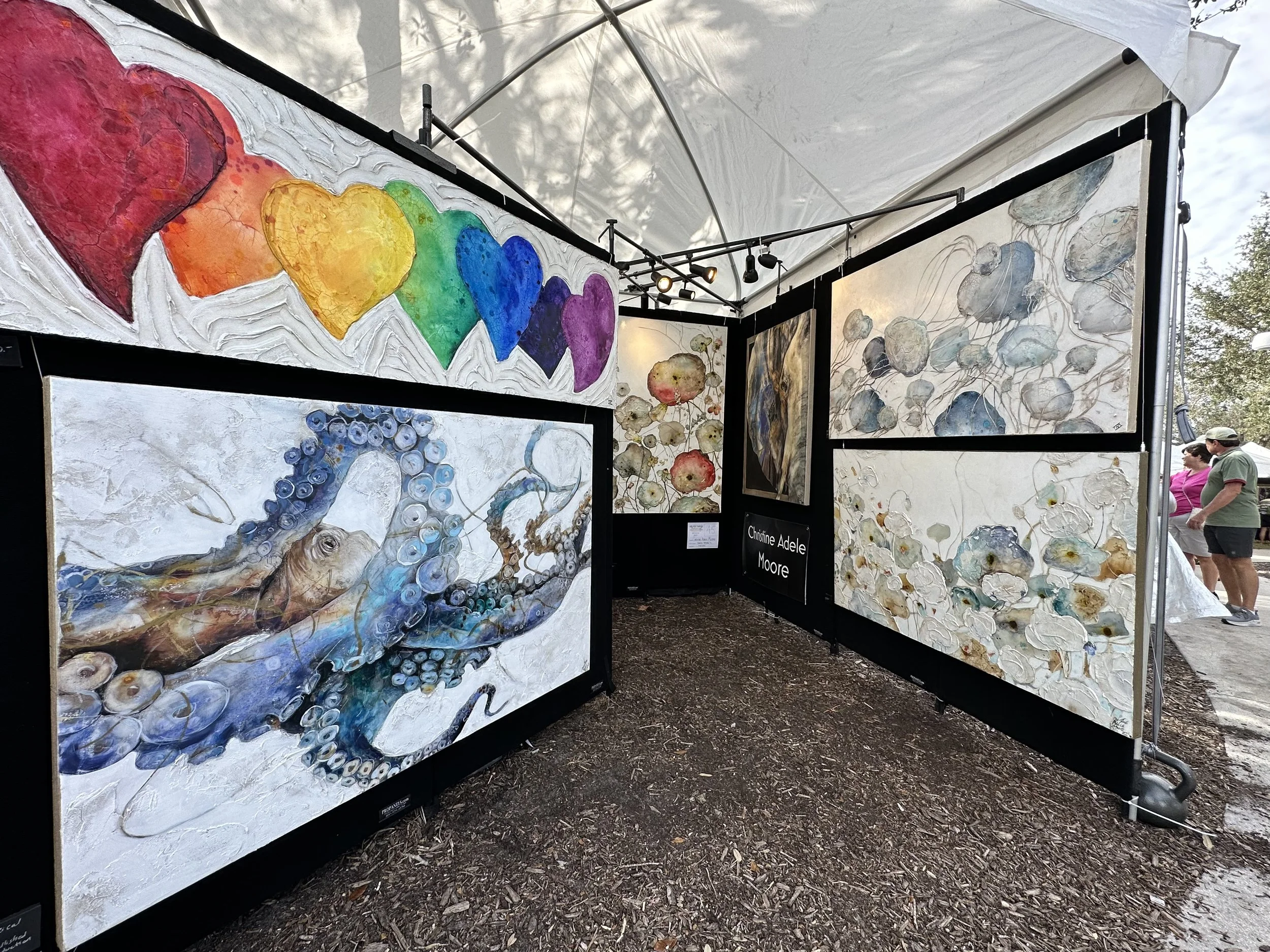
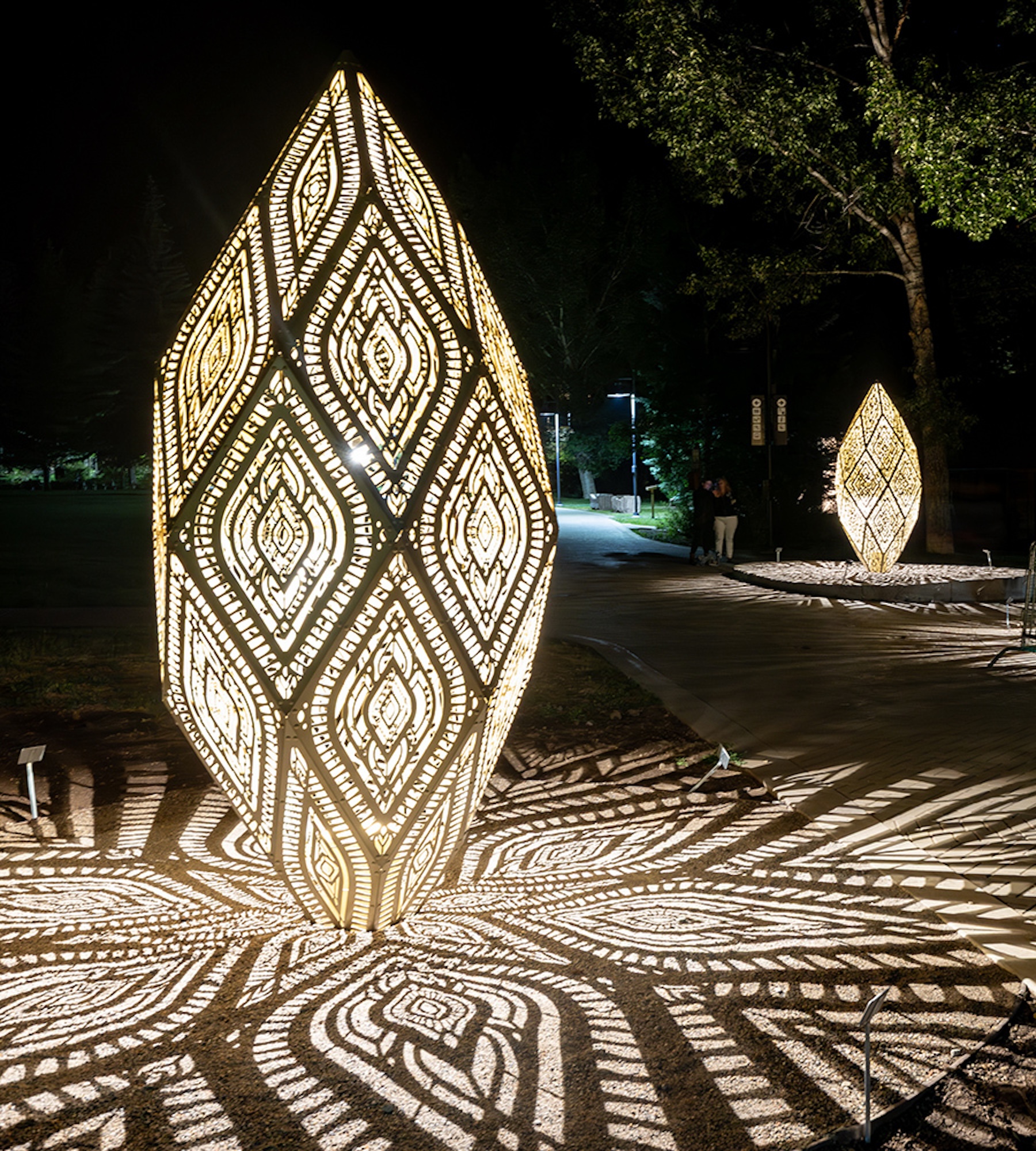
Exploring art in the park in Naples, Florida, involves engaging with a carefully curated collection of public art installations managed primarily by the City of Naples Community Services Department. Visitors can access these permanent and rotating works through designated public spaces, such as Cambier Park and Fleischmann Park, while navigating city-mandated guidelines regarding site preservation, installation permitting, and public safety standards.
The Landscape of Public Art in Naples
Naples, Florida, is defined by a landscape where manicured public greenery meets high-end cultural investment. The public art strategy in Naples is not merely decorative; it serves as a method of community branding and urban enrichment. Unlike municipalities that may rely on temporary street art, the City of Naples focuses on durable, site-specific installations that withstand the coastal climate, which presents unique maintenance challenges due to salt air, high humidity, and direct UV exposure.
The primary concentration of public art exists within the city’s established park system. These parks function as open-air galleries. When you visit these locations, you are interacting with works acquired through the Public Art Advisory Committee, a body established to review, recommend, and oversee the acquisition and placement of art in municipal spaces.
Identifying Key Installation Sites
While there are numerous sculptures and installations scattered across the city, the most prominent public art is concentrated in high-traffic municipal zones.
Cambier Park Located in the heart of downtown Naples, Cambier Park serves as the epicenter for cultural programming. The art here is often integrated into the park’s architecture. You will find sculptures that celebrate local history and the natural environment. Access to these pieces is unrestricted during normal park operating hours, which typically run from dawn until dusk.
Fleischmann Park Fleischmann Park offers a more recreational approach to art integration. The installations here often lean toward functional art or large-scale kinetic pieces that interact with the wind and light common in the Florida landscape. Because this park is a high-activity zone for sports and youth programs, the art is designed for durability and public safety, ensuring that pieces are securely anchored and free of sharp or hazardous edges.
Naples Pier and Beach Access Points While the pier itself is a landmark, the surrounding beach access points often feature public art installations that pay homage to marine life and the legacy of the Gulf Coast. Note that as of 2026, some portions of the beach and pier infrastructure may be subject to ongoing maintenance or structural assessments; always respect signage and physical barriers around art installations in these zones.
Understanding the Procurement and Maintenance Lifecycle
The art you encounter in Naples parks is the result of a rigorous municipal process. The City of Naples manages these assets under a lifecycle management plan. This ensures that the aesthetic value of the park is maintained without becoming a financial liability to taxpayers.
- Selection: The Public Art Advisory Committee reviews proposals based on aesthetic quality, relevance to Naples’ cultural identity, and long-term durability.
- Installation: Professional installation is required to meet the city’s engineering standards for wind load and stability, particularly given the hurricane-prone nature of Southwest Florida.
- Conservation: Regular inspection schedules are enforced to monitor for corrosion, fading, and structural fatigue. If you notice a piece that appears damaged or unsafe, you should report it to the City of Naples Community Services Department rather than attempting to interact with or clear the area yourself.
Comparison of Installation Environments
When planning your visit to view art in Naples, it is helpful to understand the distinct "micro-climates" of these art spaces.
| Park Location | Primary Art Focus | Accessibility | Environmental Risk |
|---|---|---|---|
| Cambier Park | Cultural/Classical | High (Walkable) | Low (Sheltered) |
| Fleischmann Park | Kinetic/Interactive | High (Drive-in) | Moderate (Sun Exposure) |
| Beach Access Points | Marine/Environmental | Seasonal/High | High (Salt/Humidity) |
Practical Guidance for Visitors
Visitors intending to view public art in Naples should keep in mind that these are municipal assets, not interactive playground equipment. Engaging with art installations requires a level of decorum consistent with public facility rules.
- Photography and Media: While personal photography is encouraged, professional film crews or commercial photographers often require specific permits if they intend to block public paths or use lighting equipment that disrupts the experience of other park patrons.
- Physical Interaction: Most sculptures are strictly "look, don't touch." Oils from human skin can accelerate the oxidation of metal-based sculptures, and climbing on art is strictly prohibited for safety and preservation reasons.
- Operating Hours: Parks in Naples follow strict operating hours. Attempting to view installations after dark can be a violation of park ordinances, even if the area is technically unfenced. Always check the official city calendar for park closures during special events or maintenance periods.
Frequently Asked Questions
Are the art installations in Naples parks free to view? Yes. All public art installations located within city parks are considered municipal assets and are open to the public without an entry fee. However, some parks may have parking fees depending on your method of arrival.
Can I donate art to the City of Naples for installation in a park? The city does accept donations, but they are subject to a formal review process. You cannot simply place art in a park; you must submit a formal proposal to the Community Services Department, which will then be vetted by the Public Art Advisory Committee for aesthetic and technical suitability.
Is there a guided tour available for Naples public art? The City of Naples often provides maps and brochures through the visitor center. While there is no city-wide, year-round official guided tour for every piece, local arts organizations and the Naples Art Institute sometimes curate seasonal walking tours that highlight specific installations in downtown areas.
What should I do if I see graffiti on a public art installation? Do not attempt to clean the sculpture yourself, as you may cause permanent damage to the material. Report the vandalism to the City of Naples maintenance line or the police non-emergency line. Providing the specific park name and the title or description of the piece will expedite the cleanup process.
Are the installations ADA compliant? The City of Naples is committed to ensuring that public spaces are accessible. Most major parks, including Cambier and Fleischmann, have paved pathways leading to primary art installations to ensure they are accessible to individuals with mobility aids.
Next Steps and Recommendations
If you are planning an itinerary to view these installations, start your day at Cambier Park. It is the most accessible site and offers the densest concentration of works, allowing you to establish a baseline for the city’s artistic aesthetic. Ensure you have comfortable walking shoes and adequate sun protection, as many of the installations are in open-air settings.
Before heading out, visit the City of Naples government website to download the latest park map and check for any maintenance closures. By respecting the integrity of these installations and the rules of the municipal parks, you contribute to the longevity of Naples’ cultural landscape for future visitors to enjoy.