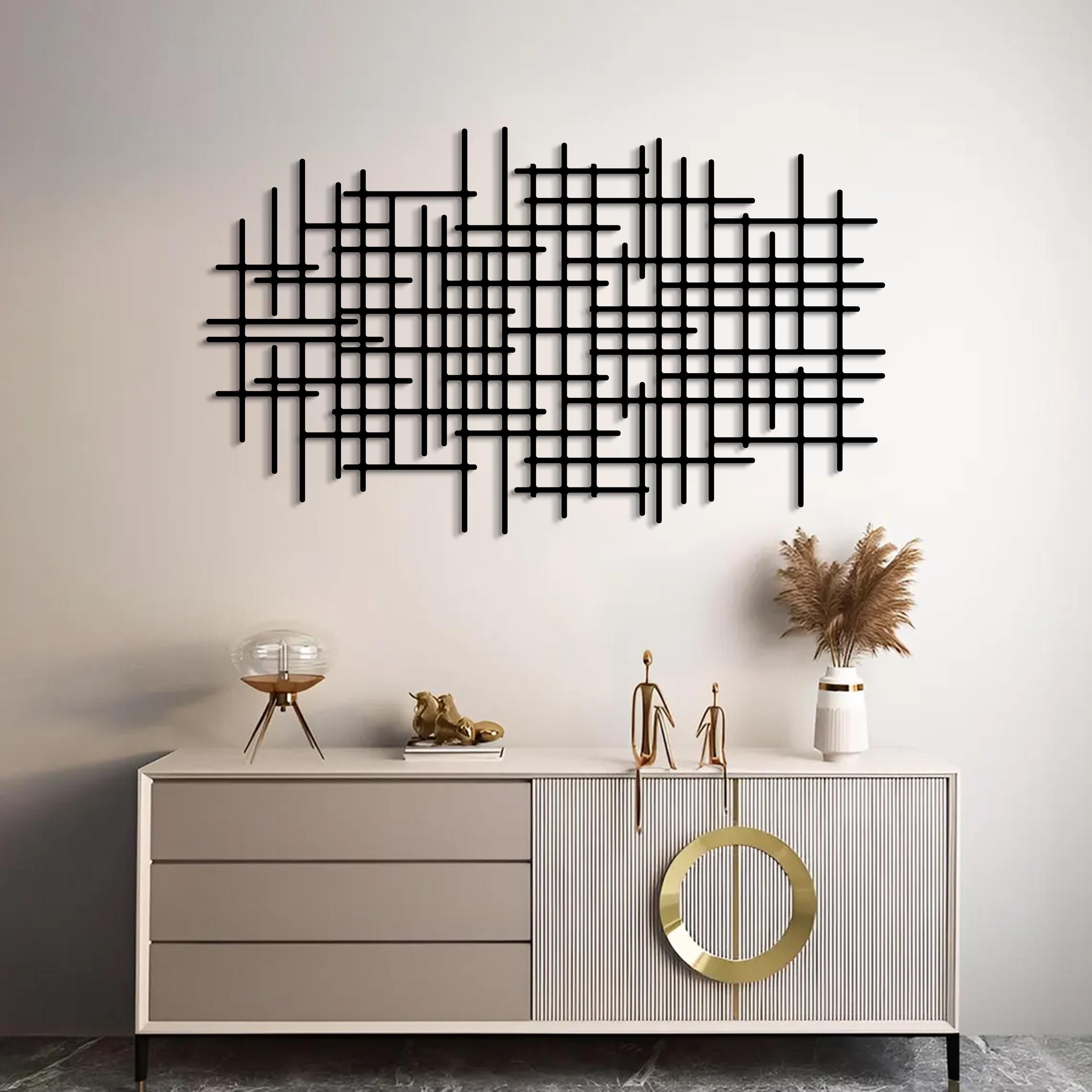
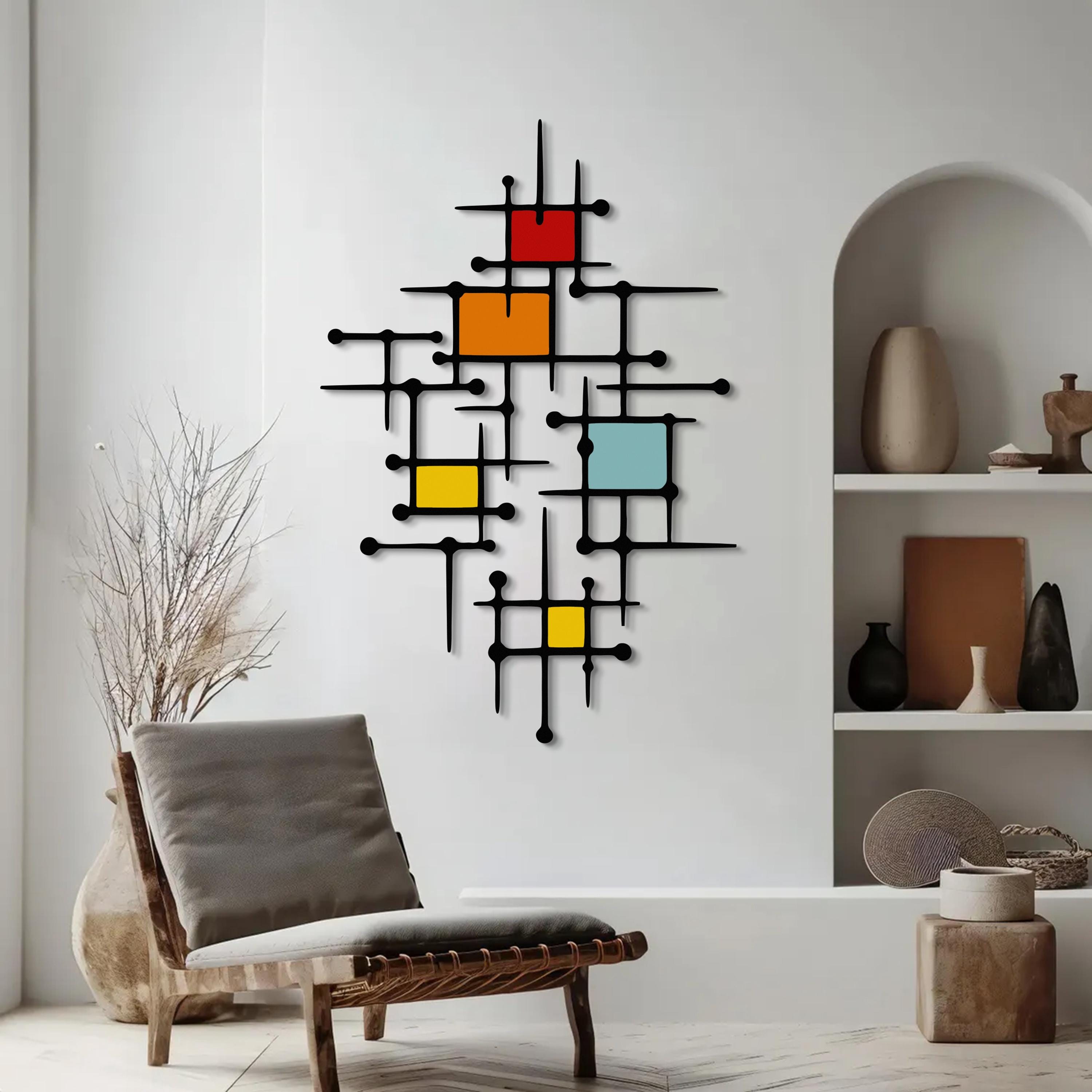
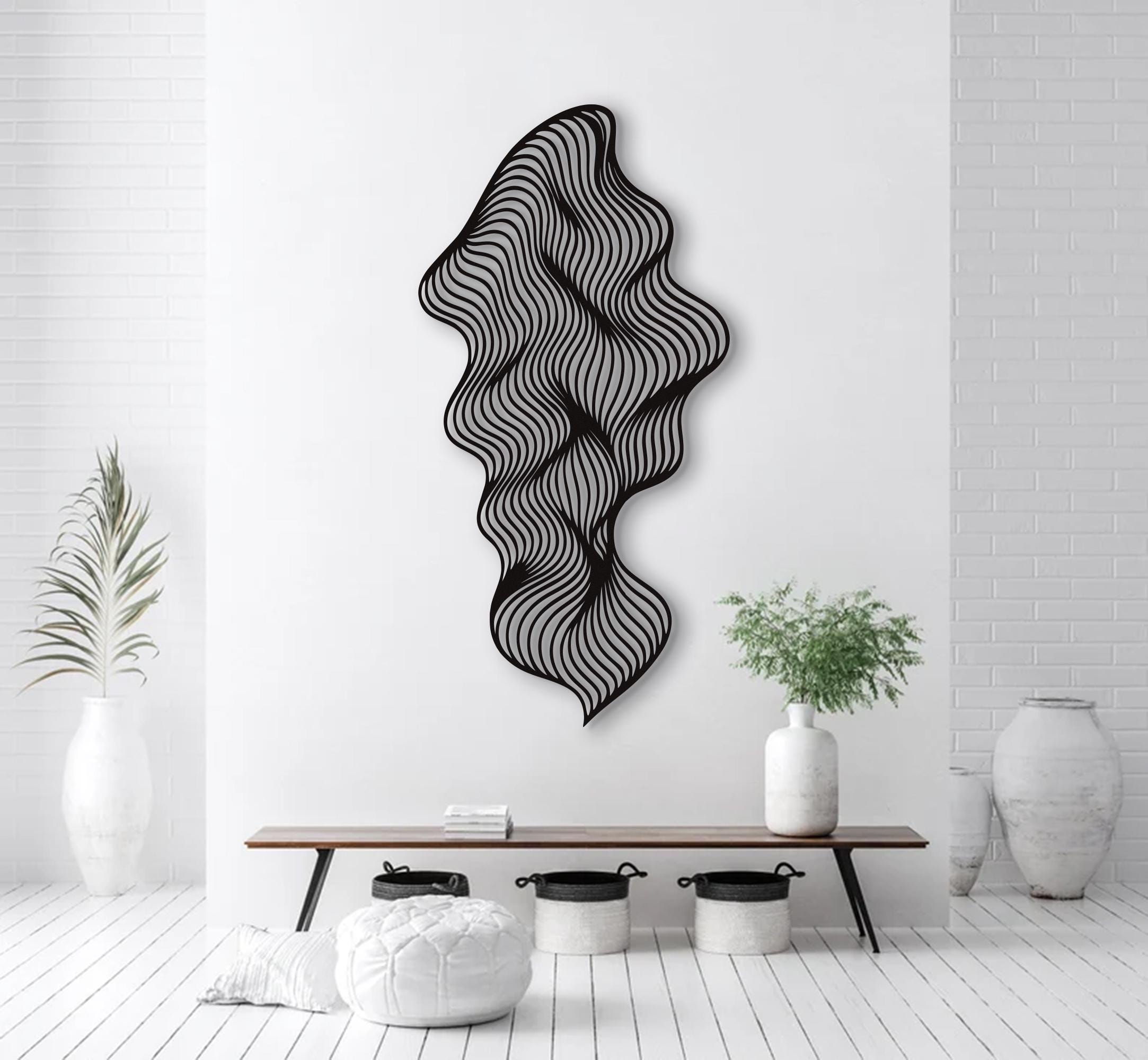
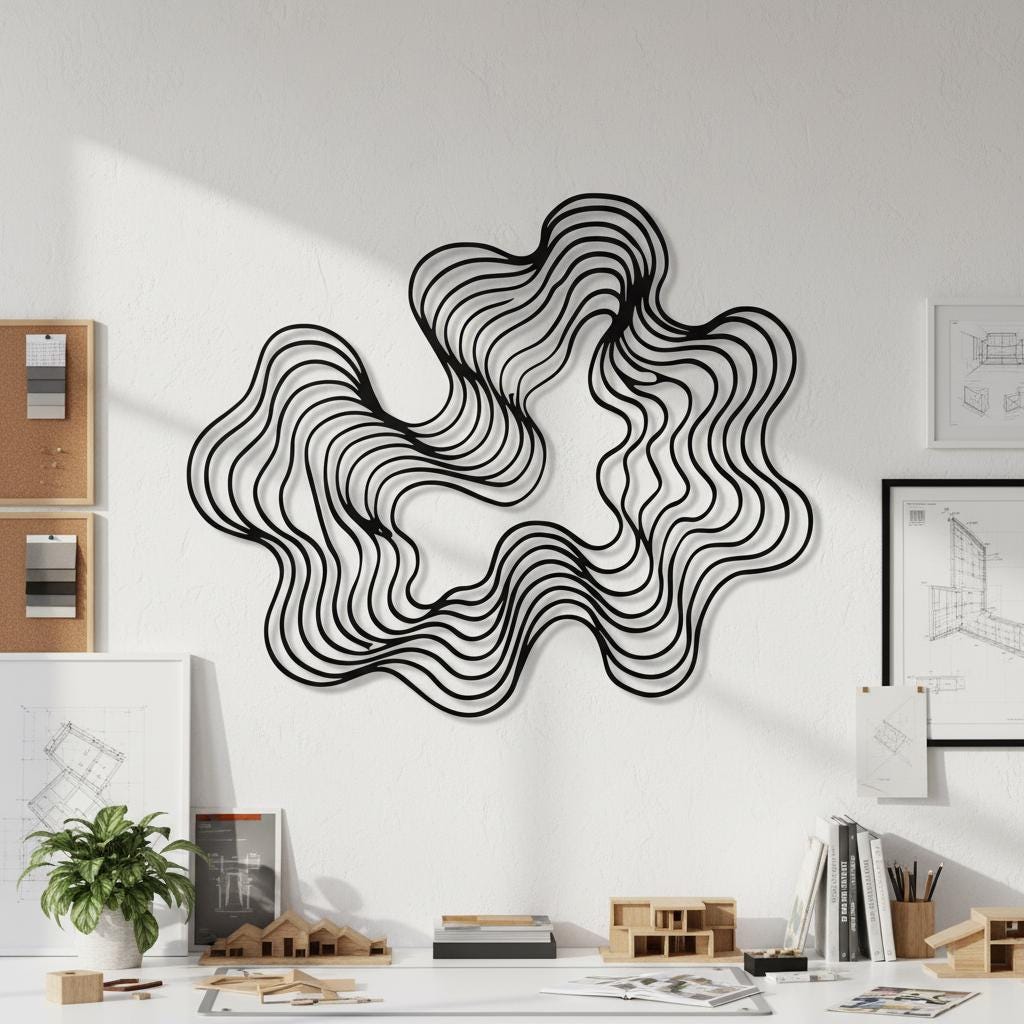
Art metals in modern design function as the intersection of structural engineering and aesthetic expression, providing designers with a diverse palette of finishes, textures, and patinas. Selecting the appropriate metal requires a precise balance between environmental durability, fabrication feasibility, and the intended visual narrative. Whether for architectural accents, bespoke furniture, or large-scale installations, the choice of material significantly dictates the longevity and maintenance requirements of the final object.
The Spectrum of Art Metals: Material Properties and Suitability
Modern design utilizes a broad range of metallic elements, each with distinct chemical and physical profiles. Understanding these properties is the first step toward effective integration. Designers often categorize these metals by their resistance to oxidation, their malleability during fabrication, and their final aesthetic impact.
Ferrous and Non-Ferrous Distinctions
Ferrous metals, primarily steel and iron alloys, provide the backbone for structural components. In art metalwork, corten steel has gained significant traction due to its controlled weathering process, which creates a stable, rust-like appearance that acts as a protective barrier. Conversely, non-ferrous metals like copper, brass, bronze, and aluminum offer superior corrosion resistance and distinct color profiles that evolve differently over time.
The Role of Patination and Finish
The "art" in art metal often resides in the surface treatment. Patination is the chemical process of applying acids or oxidizers to the surface of copper-based alloys to accelerate aging, resulting in deep browns, blues, or greens. In 2026, the trend in high-end design favors "living finishes"—surfaces that continue to react with their environment, effectively recording the passage of time. Unlike electroplated finishes, which provide a static appearance, natural patinas offer depth and character that are highly prized in luxury residential and commercial environments.
Technical Considerations for Fabrication and Installation
Integrating art metals into a project is rarely a "one-size-fits-all" task. The structural requirements depend heavily on the material’s load-bearing capacity and its chemical compatibility with surrounding building materials.
Galvanic Corrosion Risks
One of the most critical, yet frequently overlooked, technical constraints is galvanic corrosion. When two dissimilar metals—such as copper and aluminum—come into contact in the presence of an electrolyte (like rainwater or high humidity), one metal will corrode significantly faster than the other. Proper design necessitates the use of non-conductive separators, such as neoprene washers or specialized gaskets, to ensure the long-term integrity of the installation.
Fabrication Methods
The selection of a fabrication method—whether casting, CNC water-jet cutting, or hand-forging—dictates the cost and the precision of the work.
- CNC Machining: Ideal for complex, repeatable geometric patterns.
- Hand-Forging: Necessary for bespoke, organic shapes where the tactile quality of the hammer mark is a design feature.
- Casting: Used for dense, structural pieces or intricate ornamentation that requires high detail.
Strategic Comparison of Common Design Metals
The following table outlines the material characteristics necessary for evaluating suitability in various design environments, ranging from interior high-touch surfaces to exterior structural elements.
| Material | Primary Aesthetic | Corrosion Resistance | Maintenance Requirement | Ideal Usage |
|---|---|---|---|---|
| Corten Steel | Industrial / Rustic | High (Surface only) | Low | Exterior facades, sculpture |
| Brass | Warm / Gold | Moderate | Moderate (Polishing) | Interior hardware, accents |
| Copper | Warm / Red-Brown | High | Low (Living finish) | Roofing, wall panels |
| Bronze | Deep Brown / Aged | Excellent | Very Low | Statuary, high-traffic doors |
| Aluminum | Cool / Matte Silver | High | Low | Lightweight frames, signs |
Prerequisites and Maintenance Cycles
Before commissioning art metalwork, stakeholders must establish a clear maintenance schedule. A polished brass surface in a lobby will require frequent cleaning to maintain its luster, whereas a bronze sculpture in an outdoor plaza may require only an annual wax treatment to protect the patina.
Assessing Environmental Impact
The environment dictates the lifespan of the metal. Coastal environments with high salinity levels drastically increase the rate of chloride-induced stress corrosion in many alloys. In such conditions, selecting 316-grade stainless steel is often required over 304-grade, as the addition of molybdenum provides the necessary resistance to pitting. Designers should always request the Material Safety Data Sheet (MSDS) and technical specifications from the supplier to ensure the alloy is suitable for the specific geographic and atmospheric conditions of the project.
Budgeting and Cost Drivers
Art metal projects are categorized as high-cost investments. Budget fluctuations are primarily driven by raw material commodity prices, the complexity of the labor involved (e.g., bespoke artisanal work versus standardized factory production), and the logistics of shipping and site-specific installation. Always include a 15–20% contingency fund for structural reinforcements and professional installation labor.
Common Pitfalls and Troubleshooting
Surface Contamination
During the installation process, the most common error is "iron contamination." If steel tools or storage racks come into contact with stainless steel or copper surfaces, they leave behind microscopic particles that result in premature rust spots. Always ensure that the fabricator uses dedicated non-ferrous tools for installation.
Structural Misalignment
Metal expands and contracts significantly with temperature shifts. Large panels must be installed using "floating" brackets or expansion joints to prevent buckling, which can cause both aesthetic failure and long-term structural weakness. If an installation shows signs of oil-canning—the wavy distortion of thin metal sheets—it is a direct result of improper fastening or inadequate expansion space.
Frequently Asked Questions
What is a "living finish" in architectural metalwork?
A living finish refers to a metal surface that has not been sealed with a clear coat or lacquer. It allows the metal to react naturally with oxygen and touch, causing the color and sheen to evolve over time. This is common in brass and copper design elements.
How do I prevent salt air corrosion on exterior metal art?
In coastal environments, use marine-grade alloys such as 316 stainless steel or architectural bronze. Regular rinsing with fresh water to remove salt deposits and the application of a high-quality, UV-stable wax are essential for extending the life of the metal.
Is brass or bronze better for high-traffic door handles?
Bronze is significantly more durable than brass. While both can be polished, bronze develops a harder, more resilient patina and resists wear-and-tear better in high-traffic applications, making it the superior choice for institutional or public building hardware.
Can I mix different metals in a single room?
Yes, mixing metals is a standard practice in modern design to create visual interest. To do this successfully, ensure there is a clear hierarchy. Select one "dominant" metal for structural or large-scale elements, and use a "secondary" metal for highlights or accents to prevent visual clutter.
What should I look for in a metal fabricator’s portfolio?
Look for evidence of material knowledge, not just artistic capability. A qualified fabricator should be able to explain their welding techniques, their approach to thermal expansion, and how they protect the material during transit. Ask for case studies where their work has been installed for more than five years to assess long-term performance.
Next Actions for Design Implementation
To successfully incorporate art metals into your project, begin by conducting a site-specific climate analysis to determine which alloy provides the best longevity. Draft a technical specification document that defines the finish requirements—specifically whether you desire a sealed, static finish or an unsealed, living one. Finally, engage a specialist metal fabricator early in the schematic design phase; their expertise regarding material thickness and attachment methods can prevent costly design revisions later in the procurement process.