To join the United States Army in 2026, candidates must meet specific age, citizenship, educational, and physical standards. These prerequisites ensure that every recruit possesses the mental aptitude and physical resilience required for military service. Understanding these foundational criteria is the primary step toward successfully navigating the enlistment process and launching a military career.
Understanding the Core Framework of Army Eligibility
Joining the U.S. Army is more than a simple job application; it is a transition into a regulated lifestyle that demands high levels of discipline and capability. As of 2026, the Army continues to maintain rigorous standards to ensure the force remains ready for multi-domain operations. These standards are categorized into five primary pillars: administrative (age and citizenship), educational, mental aptitude, physical/medical, and moral conduct.
Each pillar serves a distinct purpose. For instance, physical standards ensure recruits can handle the rigors of Basic Combat Training (BCT), while mental aptitude testing ensures that individuals are placed in Military Occupational Specialties (MOS) where they can succeed and contribute to the mission. Failure to meet any of these prerequisites can result in disqualification, although the Army does provide a system of waivers for certain conditions or history that fall outside standard parameters.
Administrative Prerequisites: Age and Citizenship
The first hurdles any potential soldier must clear are the basic administrative requirements. These are non-negotiable legal standards that define who is eligible to serve in the United States military.
Age Requirements
In 2026, the standard age range for enlisting in the Army is 17 to 35 years old.
- 17-Year-Olds: Individuals who are 17 may enlist but must have signed parental consent. They must also have completed high school or be on track to graduate before shipping to BCT.
- Upper Age Limit: While 35 is the general cutoff for initial enlistment, the Army occasionally adjusts this based on recruiting needs. Furthermore, prior-service members may be able to join past age 35, provided their "adjusted age" (actual age minus years of previous service) falls within the limit.
- Officer Candidates: Those seeking to become officers via Officer Candidate School (OCS) generally must be between 19 and 32 years of age, though specific programs like ROTC or West Point have their own windows (typically 17–23 for entry).
Citizenship and Residency
To serve in the U.S. Army, you must be a U.S. citizen or a permanent resident alien (possessing a valid Green Card/INS I-551).
- Citizenship for Officers: Unlike enlisted roles, becoming a commissioned officer requires U.S. citizenship. Permanent residents can enlist but cannot be commissioned until they obtain citizenship.
- Security Clearances: Many Army jobs require a secret or top-secret security clearance. These clearances are almost exclusively reserved for U.S. citizens. Permanent residents may find their MOS choices limited to roles that do not require high-level clearances.
- Physical Presence: Applicants must be currently living in the United States and applying from within the country or at an authorized overseas processing station for dependents or citizens living abroad.
Educational Standards and Requirements
The Army prioritizes "Tier 1" candidates—those with a traditional high school diploma. Education is viewed as a primary indicator of an individual's ability to complete a difficult task and adhere to a structured environment.
High School Diplomas vs. GEDs
- Traditional Diploma: This is the gold standard for enlistment. Candidates with a high school diploma have the widest range of opportunities and are eligible for various enlistment bonuses.
- GED (General Education Development): While the Army accepts GED holders, they are often categorized as "Tier 2" recruits. The Army typically limits the percentage of GED holders it accepts annually. To improve their chances, GED holders are often encouraged to earn at least 15 college credits, which can elevate them to Tier 1 status.
- Home Schooling: Home-schooled students are generally treated as Tier 1 candidates, provided their curriculum meets state requirements and they can provide a transcript or diploma.
Higher Education and Advanced Rank
While a degree is not a prerequisite for enlisting, it offers significant advantages. Individuals with 24 to 48 or more college credits may enter the Army at a higher pay grade (such as E-2 or E-3). Those with a four-year degree can apply for Officer Candidate School (OCS), provided they meet the other prerequisites for leadership roles.
Mental Aptitude: The ASVAB
The Armed Services Vocational Aptitude Battery (ASVAB) is a mandatory timed multi-aptitude test. It is not an IQ test but a measure of your ability to be trained in specific fields.
The AFQT Score
The most critical number derived from the ASVAB is the Armed Forces Qualification Test (AFQT) score. This score determines your overall eligibility to enlist.
- Minimum Score: For high school diploma holders, the minimum AFQT score is typically a 31.
- GED Requirements: GED holders often need a higher score, usually a 50, to be considered for enlistment.
- Category Rankings: Scores are percentiles. A score of 50 means you performed better than 50% of the reference group.
Line Scores and MOS Selection
Beyond the AFQT, the ASVAB provides "Line Scores" in areas like General Technical (GT), Clerical (CL), and Skilled Technical (ST). Every job in the Army (MOS) has a specific line score requirement. For example, a candidate might be eligible to join the Army with a 35 AFQT but might not have the high GT score required to become an Intelligence Analyst (35F). Therefore, the prerequisite isn't just "passing" the ASVAB, but scoring high enough to qualify for the specific career path you desire.
Physical and Medical Prerequisites
The Army's medical standards are designed to ensure that recruits can withstand the physical stress of combat and long-term service. These evaluations take place at a Military Entrance Processing Station (MEPS).
Medical Evaluation
Doctors at MEPS review your entire medical history. Common disqualifiers include:
- Chronic conditions like asthma (diagnosed after age 13).
- Serious heart or lung issues.
- Severe vision or hearing loss (though corrective lenses are permitted).
- Certain mental health histories, including clinical depression or anxiety that required long-term medication or hospitalization.
- Significant orthopedic surgeries or hardware (pins, plates) that limit range of motion.
Height and Weight Standards
The Army maintains strict body composition standards. These are based on a height-to-weight ratio. If a candidate exceeds the weight limit for their height, they are subjected to a "tape test" to determine their body fat percentage. In 2026, the Army continues to use body fat standards to ensure health and mobility. Candidates who are slightly outside these ranges may be eligible for the Future Soldier Preparatory Course, a pre-BCT program designed to help recruits meet physical and academic standards before officially starting training.
The Army Combat Fitness Test (ACFT)
While you do not need to pass the full ACFT to enlist, you must pass a basic physical assessment at MEPS. However, meeting the physical prerequisite for BCT means being prepared for the six events of the ACFT:
- 3-Repetition Maximum Deadlift
- Standing Power Throw
- Hand-Release Push-Up
- Sprint-Drag-Carry
- Plank
- 2-Mile Run
Moral Conduct and Background Checks
Recruits must be of "good moral character." This is verified through a background check that looks at criminal records, drug use, and financial stability.
Criminal Record
Not all legal issues are disqualifying. The Army classifies offenses into categories:
- Minor Traffic Violations: Generally not an issue unless there are an excessive number of them.
- Misdemeanors: Often require a waiver. Recurring misdemeanors can be a barrier.
- Felonies: Most felony convictions are an automatic disqualification for enlistment.
- Domestic Violence: Under the Lautenberg Amendment, individuals convicted of domestic violence cannot carry a firearm, which makes them ineligible for military service.
Drug Use and Tattoos
- Drug Policy: The Army maintains a zero-tolerance policy for illegal drug use while in service. During enlistment, applicants must disclose past drug use. While past marijuana use is increasingly addressed through waivers in 2026, the use of "hard" drugs or involvement in drug trafficking is typically a permanent disqualifier.
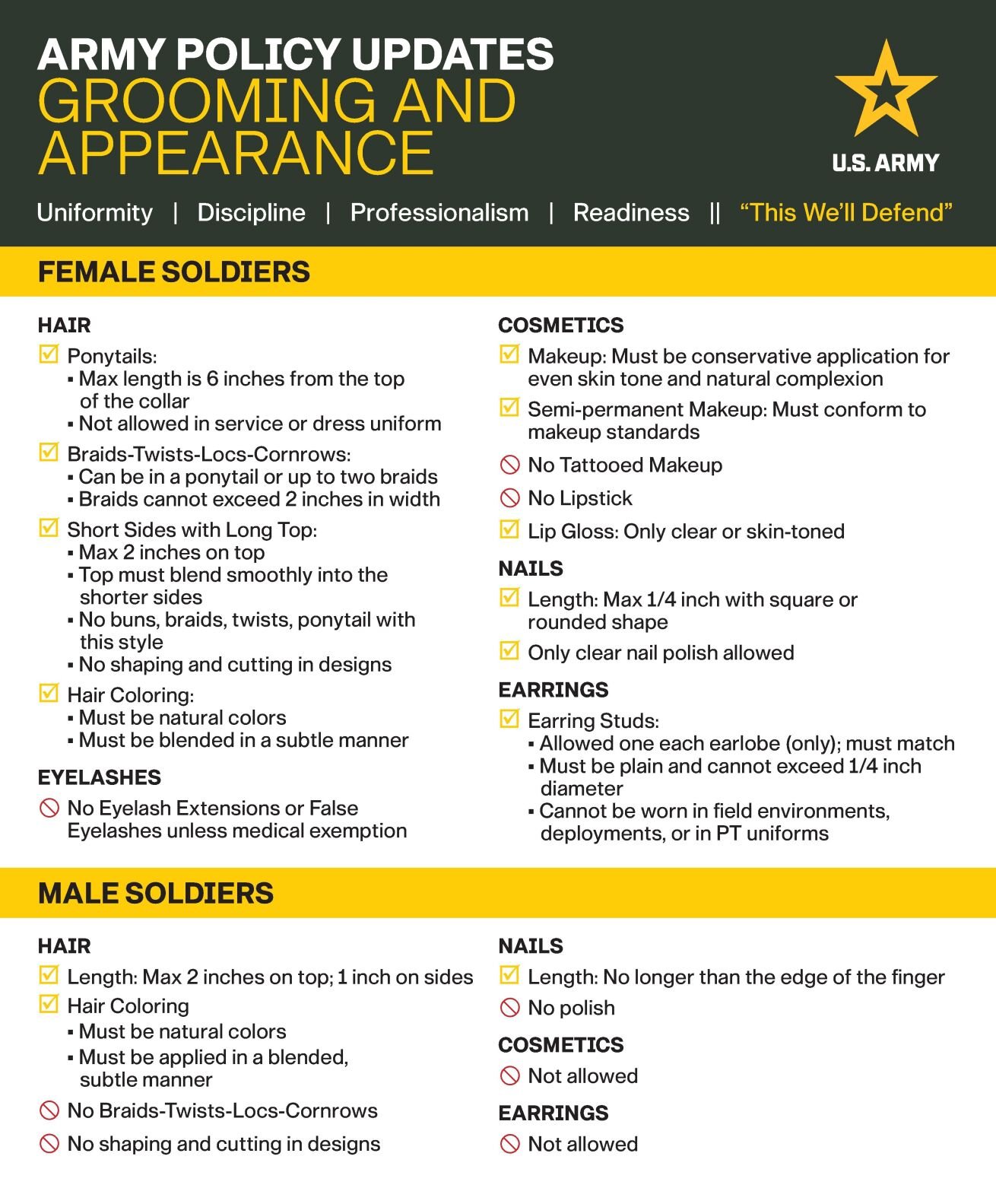
- Tattoo Policy: Tattoos are generally permitted as long as they are not on the face, head, or the front of the neck (above the shirt collar). Tattoos that are extremist, indecent, sexist, or racist are strictly prohibited regardless of location.
Comparison of Entry Tracks: Enlisted vs. Officer
The prerequisites vary significantly depending on which path a candidate chooses. The table below summarizes the key differences in 2026 requirements.
| Feature | Enlisted Requirements | Officer Requirements (OCS/ROTC) |
|---|---|---|
| Minimum Age | 17 (with consent) | 18 or 19 (varies by program) |
| Maximum Age | 35 | 32 (standard OCS) |
| Education | High School Diploma or GED | Bachelor's Degree (minimum) |
| Citizenship | U.S. Citizen or Green Card | U.S. Citizen Only |
| Testing | ASVAB (AFQT 31+) | ASVAB + GT Score 110+ |
| Physical Standard | MEPS Medical + ACFT Prep | Higher Medical/Leadership Stamina |
| Legal Status | Waiverable minor offenses | Stricter moral conduct standards |
The Waiver Process: Navigating Exceptions
If an applicant does not meet a specific prerequisite, they may apply for a waiver. A waiver is an official request for the Army to overlook a specific disqualifying factor.
Waivers are commonly requested for:
- Medical Issues: Such as past surgeries that have fully healed and no longer limit movement.
- Administrative Issues: Such as being slightly over the age limit or having a minor criminal record.
- Dependents: Applicants with more than two dependents (e.g., a spouse and two children) may require a dependency waiver to ensure they can support their family on an initial soldier's salary.
The granting of waivers depends heavily on the "Needs of the Army." If the Army is short on recruits, waivers are more likely to be approved. If the Army is at full strength, the criteria for waivers become much stricter.
Practical Steps to Verification
Meeting the prerequisites is a self-assessment until you engage with the official system. The process of verification follows a specific sequence:
- Initial Recruiter Interview: A recruiter will ask "prescreening" questions about your health, law violations, and education.
- Practice ASVAB (EST): Most recruiters administer a short practice test to see if you meet the mental aptitude prerequisite.
- The MEPS Visit: This is the definitive verification. You will take the full ASVAB and undergo a complete physical examination.
- Security Clearance Interview: For those entering sensitive MOS roles, an investigator will verify your background, foreign contacts, and financial history.
Frequently Asked Questions
Can I join the Army if I have a tattoo on my neck?
As of 2026, the Army allows one tattoo on the back of the neck, provided it does not exceed one inch in any direction. Tattoos on the side or front of the neck, or on the face, are generally prohibited. However, policies frequently update, so you should have a recruiter perform a "tattoo validation" to ensure yours meets the current regulations.
Does the Army accept applicants with ADHD?
Yes, but there are specific prerequisites. Generally, you must demonstrate that you have been off medication for a certain period (usually 12 to 24 months) and have functioned successfully in school or work without accommodations. You will likely need to provide all medical records and pharmacy records for a medical waiver.
What is the maximum weight to join the Army?
Maximum weight depends on your height, age, and gender. For example, a 70-inch (5'10") male aged 17–20 typically has a maximum weight limit of approximately 180–190 lbs. However, if you exceed this weight but have a high muscle mass, you can still qualify by passing the body fat percentage "tape test."
Can non-citizens become Army officers?
No. While permanent residents (Green Card holders) can enlist and serve in many roles, U.S. law requires all commissioned officers to be U.S. citizens. Many non-citizen soldiers use the expedited naturalization process available through military service to obtain citizenship and later apply for officer programs.
What happens if I fail the ASVAB?
If you do not meet the minimum AFQT score, you cannot enlist immediately. However, you can retake the test. There is a mandatory 30-day waiting period after the first attempt, another 30-day wait after the second, and a six-month wait after the third. Many recruiters recommend study guides or tutors to help you meet this prerequisite.
Is there a credit score requirement to join the Army?
There is no specific "minimum credit score," but the Army does conduct a financial background check. Significant outstanding debt, recent bankruptcies, or a history of unpaid child support can be viewed as "financial instability," which might disqualify you from certain security clearances or require a moral waiver.
Final Recommendation for Prospective Recruits
If you are considering enlistment in 2026, your first action should be to gather your documentation. Obtain original copies of your high school diploma or GED, your social security card, your birth certificate, and any relevant medical records for past surgeries or conditions. Having these ready will significantly speed up the verification process at MEPS. Additionally, begin a physical conditioning program that focuses on the Army Combat Fitness Test (ACFT) events, specifically the two-mile run and the deadlift, as these are the most common areas where new recruits struggle. Consult with a local recruiter to perform an initial prescreening, as they can provide the most current information on available waivers and specific MOS requirements.