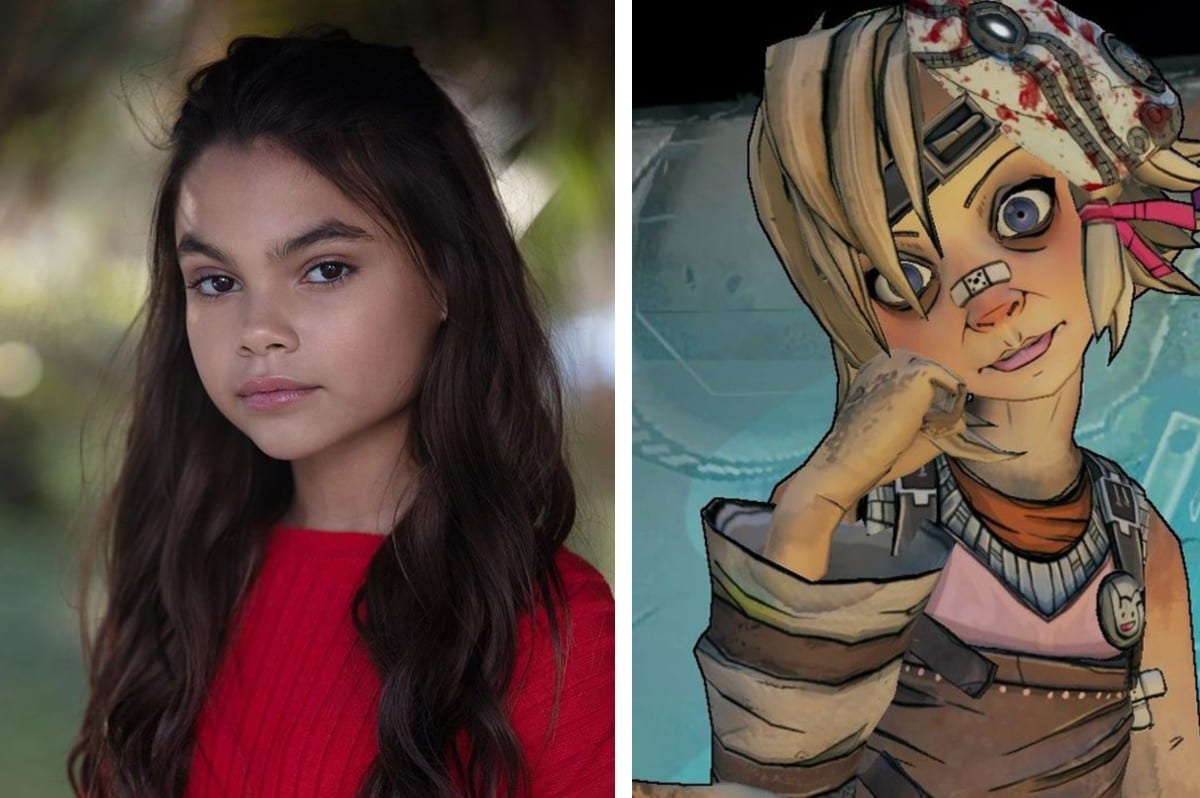
Ariana Greenblatt portrays Tiny Tina, a central and explosives-obsessed character, in the 2024 film adaptation of the Borderlands video game franchise. Her performance captures the chaotic, unpredictable energy of the character, requiring significant physical commitment and character development to bridge the gap between the source material’s animation style and the requirements of live-action filmmaking.
Understanding the Role of Tiny Tina
In the Borderlands cinematic universe, Tiny Tina is defined by her volatile personality, her love for "boom," and her status as a survivalist in the harsh environment of Pandora. For an actor, this role presents a unique challenge: the character must remain grounded enough to serve the narrative while maintaining the heightened, manic energy that fans of the Gearbox Software game series expect.
Ariana Greenblatt was cast for this role based on her ability to handle complex emotional ranges, which were essential for portraying a character who masks significant trauma with explosive outbursts. Unlike static background characters, Tina is a driving force in the film’s plot. The production necessitated a performance that balanced the character's erratic behavior with the tactical proficiency required of a "demolition expert."
Production Challenges and Character Adaptation
Translating a video game character to a live-action medium is rarely a one-to-one process. The Borderlands franchise is known for its distinctive cel-shaded art style, which exaggerates character expressions and environmental details. When moving this to a live-action set in 2024, the production team had to ensure that Greenblatt’s portrayal felt authentic to the lore without relying entirely on digital mimicry.
The physical requirements of the role were substantial. Much of the film’s action takes place on sets designed to replicate the desolate, resource-scarce landscapes of the planet Pandora. Greenblatt’s work involved:
- Stunt Coordination: Mastering specific movement styles that reflected Tina’s combat experience and her history of living off the grid.
- Props Management: Familiarizing herself with the iconic weaponry of the Borderlands universe, specifically the modified explosives and eccentric gadgetry associated with Tiny Tina.
- Character Immersion: Adopting the specific vocal cadences and rapid-fire speech patterns that define the character in the source material.
Comparison of Interpretations
To understand the scope of Greenblatt’s performance, it is helpful to contrast the expectations of the character from the original video games with the requirements of the film script. The following table highlights the key dimensions of the character that required adaptation for the film.
| Feature | Video Game (Original) | Film Adaptation (2024) |
|---|---|---|
| Visual Style | Cel-shaded, exaggerated | Realistic, practical effects focus |
| Combat Style | Arcade-style, infinite ammo logic | Tactical, physical, cinematic stunts |
| Backstory | Revealed via audio logs and DLC | Integrated into the core film narrative |
| Interaction | Player-driven dialogue trees | Scripted dialogue with co-stars |
Performance and Narrative Integration
In the film, Tiny Tina is not merely a sidekick; she serves as a catalyst for the main mission. Her relationship with the other members of the vault-hunting crew provides the emotional anchor for the film. Greenblatt’s performance is notable for how it navigates the transition from a solitary, guarded individual to a member of a found family.
Critically, the film explores why Tina is the way she is. While the games allow for extensive exploration of her history through side quests, the film had to condense this character arc into a two-hour runtime. Greenblatt utilized this time to portray a character who is hyper-vigilant and distrusting of outsiders, which serves as a protective mechanism. Her growth throughout the film—learning to rely on others—is the primary arc that the audience experiences alongside the high-octane action sequences.
Working Within the Borderlands Franchise
Joining a franchise as established as Borderlands comes with specific expectations from a dedicated fanbase. The "Borderlands" brand carries a legacy of dark humor, aesthetic uniqueness, and a very specific tone that balances grit with absurdity.
For Greenblatt, entering this environment meant adhering to the established rules of the universe while adding individual creative flair. The process of developing the character involved close collaboration with director Eli Roth to ensure that the "Tina" seen on screen felt like an extension of the character fans had known since her introduction in the 2012 game, Borderlands 2.
Practical Considerations for Fans of the Film
For viewers interested in the technical aspects of the film’s production, it is important to understand the reliance on practical sets. While the Borderlands games are known for vibrant, sometimes neon-soaked aesthetics, the film production prioritized location shooting and high-detail prop fabrication. This creates a tactile experience that differs from the digital source material.
When watching the film, focus on the following elements to better appreciate the performance:
- The Costume Design: Look at how the utility belt and rugged clothing reflect the character's "junk-hacker" persona.
- Environmental Acting: Observe how Greenblatt interacts with the debris and makeshift structures of the set, which reinforces the character's scavenger lifestyle.
- Dynamic Shifts: Note how the performance pivots instantly from lighthearted humor to intense focus during the action-heavy set pieces.
Frequently Asked Questions
Did Ariana Greenblatt use a voice modulator for the role of Tiny Tina? No, the voice utilized for the character was performed by Ariana Greenblatt herself. She spent time studying the vocal patterns established in the game series to ensure a faithful portrayal while maintaining the natural clarity required for live-action dialogue.
How does the film version of Tiny Tina differ from the game? The film version retains the character’s core traits—explosives knowledge and erratic personality—but places her within a more linear narrative structure. The film focuses on her interpersonal relationships with the other cast members, whereas the games focus on her as a quest-giver and erratic guide for the player.
Was the film shot on actual locations, or was it mostly green screen? The production utilized a significant amount of practical sets and on-location shooting to ground the Borderlands world. While visual effects were used to enhance the world-building, much of the interaction between the actors and the environment was captured physically.
What was the most challenging aspect of the role for the actor? According to production interviews, the physical demand of performing stunts while maintaining the character’s hyperactive mental state was the most consistent challenge. Balancing the fast-paced, high-energy delivery of lines with complex choreography required a high level of physical conditioning.
Is there a sequel planned that features this character? As of 2026, the status of the Borderlands franchise remains dependent on production studio milestones and long-term release schedules. There are no officially confirmed sequels that have entered active production as of this date.
Recommendation for Further Exploration
To fully appreciate the evolution of Tiny Tina, viewers should engage with both the cinematic version and the source material. If you are interested in the narrative depth of the character, playing through the Borderlands franchise—specifically the Tiny Tina's Assault on Dragon Keep expansion—provides the most extensive background on her development and personality.
For those interested in the technical craft, review the behind-the-scenes content released by the film’s production team. These segments often highlight the collaboration between actors, stunt teams, and the special effects departments, providing context on how a digital character is successfully adapted for the screen without losing the essence that made the original iteration popular.