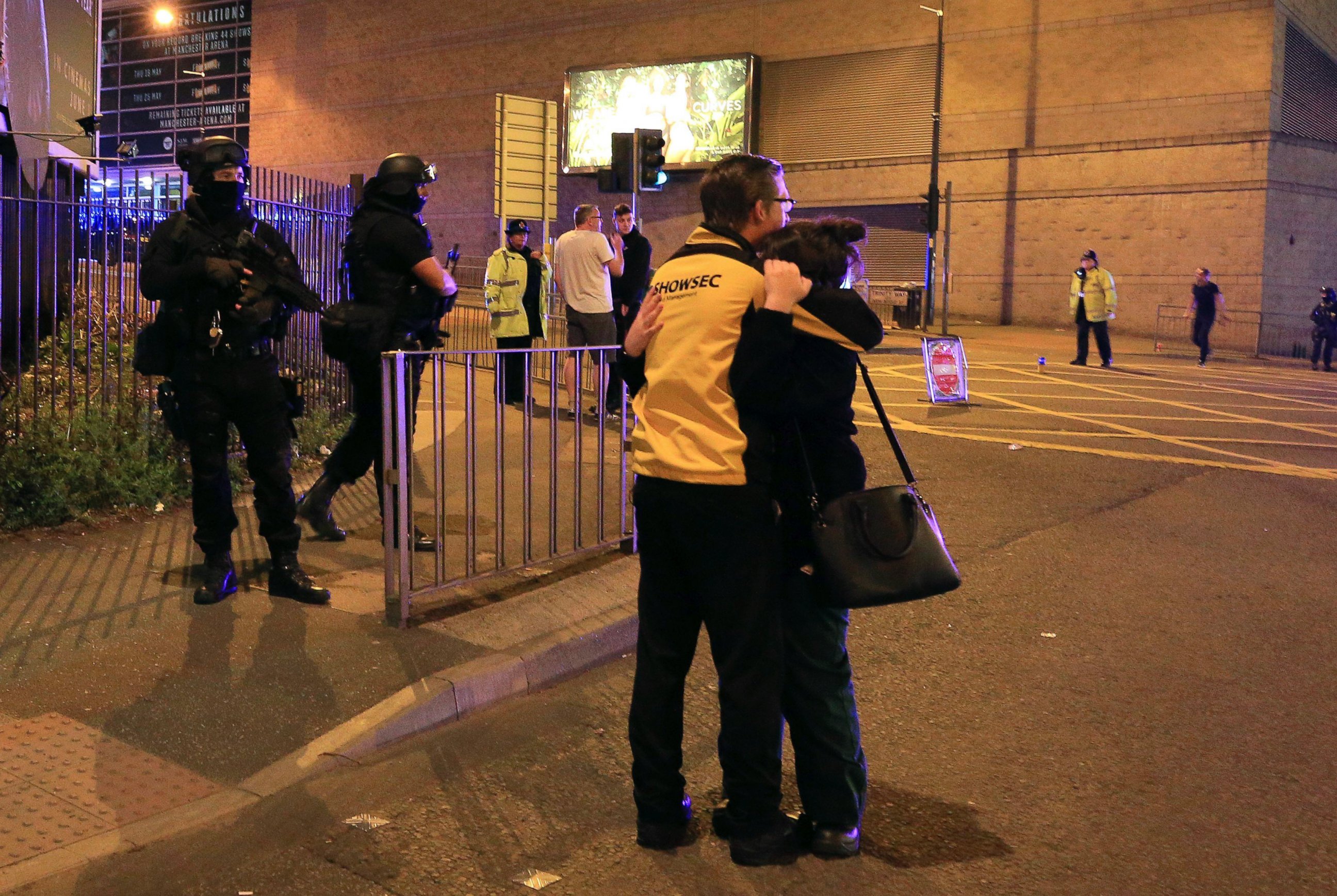
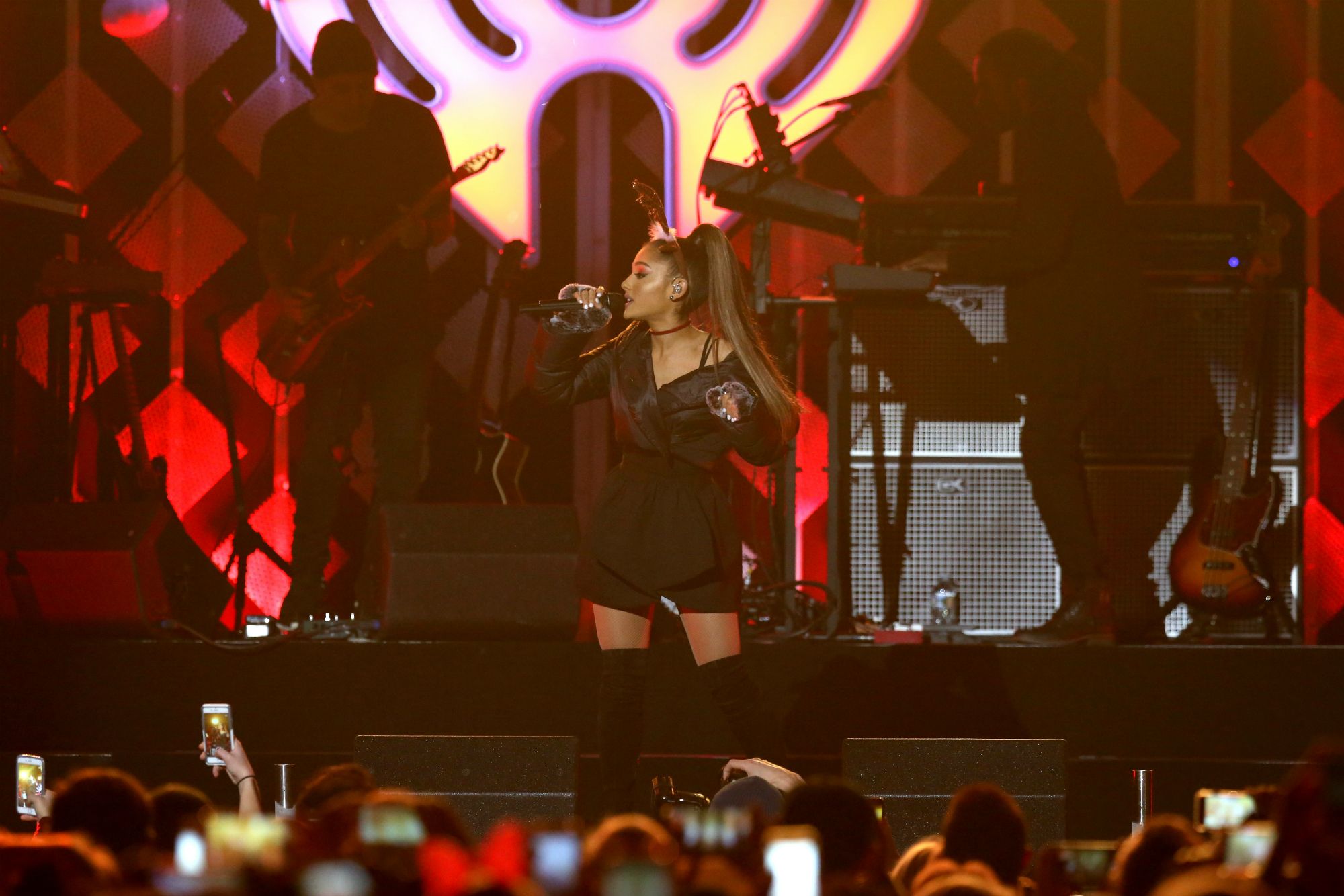
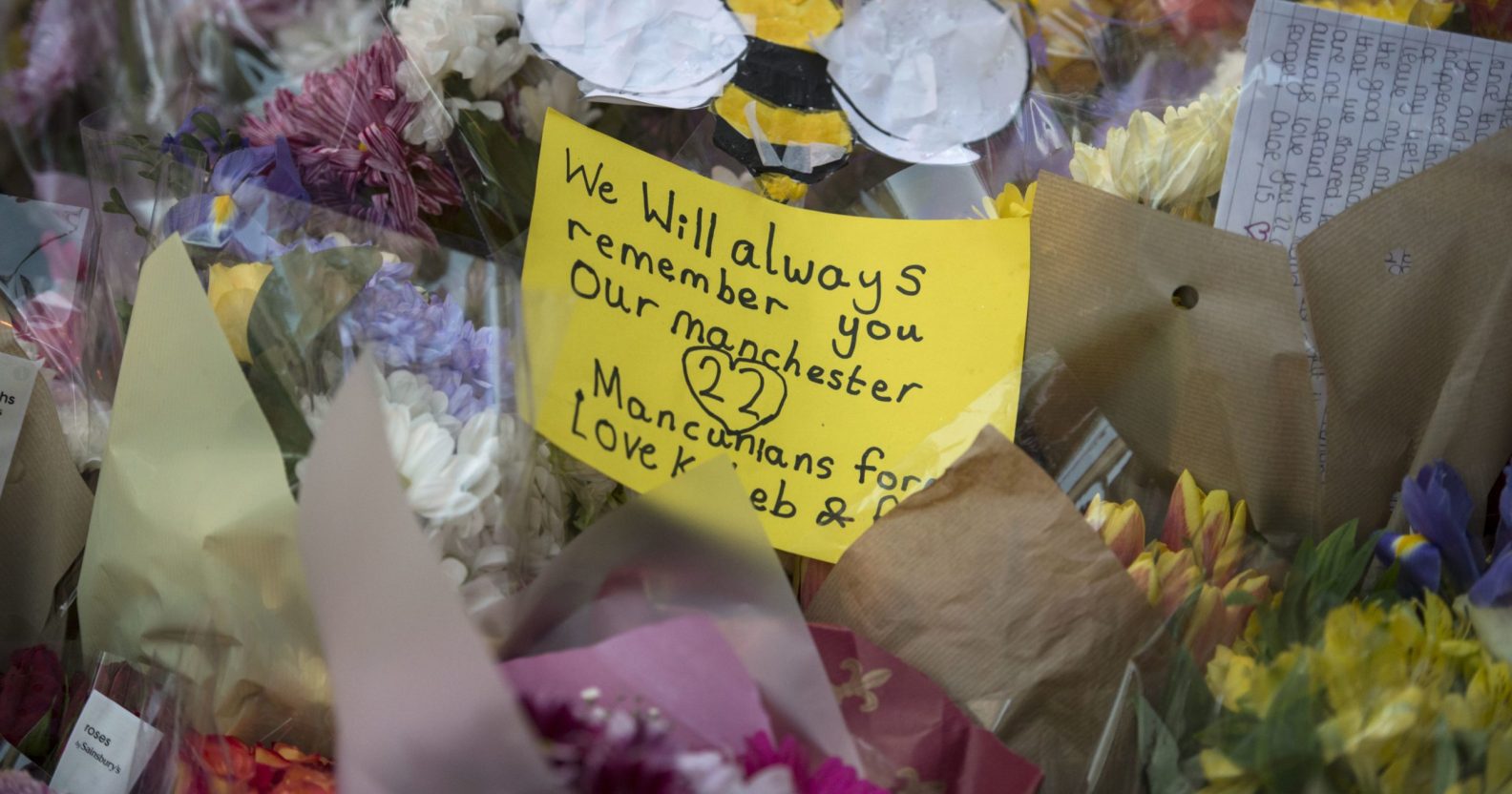
The Manchester Arena bombing, which occurred on May 22, 2017, remains a defining moment in contemporary entertainment history. Following an Ariana Grande concert, a suicide bomber detonated an improvised explosive device in the arena’s foyer, resulting in the deaths of 22 people and hundreds of injuries. The tragedy prompted a significant shift in global concert security protocols and established a lasting legacy of resilience for the artist and the city of Manchester.
The Events of May 22, 2017
On the evening of May 22, 2017, Ariana Grande was nearing the conclusion of her "Dangerous Woman" tour stop at the Manchester Arena in the United Kingdom. At approximately 10:31 PM, as thousands of fans—many of whom were children and teenagers—were exiting the venue, a suicide bomber detonated a device in the City Room, a public foyer area connecting the arena to Victoria railway station.
The explosion caused immediate chaos, resulting in 22 fatalities and leaving over 1,000 individuals injured, many of whom required extensive hospital treatment for shrapnel wounds and psychological trauma. The victims ranged in age, with the youngest being eight-year-old Saffie-Rose Roussos. The event was identified by authorities as a terrorist act, later linked to an extremist network operating within the UK. The shock of the attack reverberated globally, leading to the immediate suspension of the remainder of Grande’s tour and an international outpouring of grief.
The Immediate Global and Institutional Response
In the hours and days following the attack, the international response was multifaceted, focusing on emergency medical assistance, counter-terrorism investigations, and an unprecedented level of public mourning. For the music industry, the tragedy served as a brutal awakening regarding the security vulnerabilities present in public access areas of large event venues.
Counter-Terrorism and Forensic Investigation
UK law enforcement agencies, including the Greater Manchester Police and the counter-terrorism units of the Metropolitan Police, launched a massive investigation. This led to the identification of the perpetrator and the subsequent uncovering of a network involved in the planning and procurement of materials for the device. The investigation, which spanned several months, resulted in multiple arrests and provided significant intelligence on the radicalization pathways used by the attackers.
Changes to Security Protocols
The Manchester Arena bombing fundamentally altered the standard operating procedures for venue security. Before 2017, venue security often focused heavily on ticketed entry points. The "Manchester effect" forced organizers to rethink the perimeter, emphasizing:
- Expanded Security Perimeters: Extending security checks and bag searches to the outer reaches of venue foyers and transportation links.
- Intelligence Sharing: Closer cooperation between private event security firms and local police forces.
- Crowd Management Training: Specialized training for venue staff to recognize suspicious behavior in non-ticketed transition zones.
The "One Love Manchester" Benefit Concert
Less than two weeks after the tragedy, on June 4, 2017, Ariana Grande returned to Manchester to host and perform at the "One Love Manchester" benefit concert. Held at the Emirates Old Trafford cricket ground, the event was a pivotal moment in the public healing process.
The concert brought together a lineup of global music stars, including Justin Bieber, Coldplay, Miley Cyrus, and Liam Gallagher, to raise funds for the British Red Cross's "We Love Manchester Emergency Fund." The event was broadcast live in over 50 countries, drawing millions of viewers. By creating a space for communal grieving and defiance against terror, the concert served to reclaim the city’s spirit. It is widely regarded as one of the most significant live music events of the 21st century, illustrating the role of artists in social and civic recovery.
Comparative Timeline of Significant Concert Safety Developments
The evolution of safety standards in the entertainment sector is often marked by specific, tragic events that forced policy changes. The following table highlights how security requirements have shifted over the last decade.
| Era / Event | Primary Security Focus | Key Operational Change |
|---|---|---|
| Pre-2015 | Ticket verification and basic bag search | Limited perimeter oversight |
| 2017 (Manchester) | Venue foyer and public space security | Mandatory exterior screening and crowd flow analysis |
| 2020–2022 | Health and density regulation | Mandatory health verification and sanitation protocols |
| 2026 (Current) | Integrated digital threat assessment | AI-driven surveillance and real-time threat intelligence |
Long-term Impacts on the Artist and Survivors
The psychological impact of the Manchester tragedy on Ariana Grande was profound and well-documented in her subsequent music and public life. In the years following the event, she has spoken openly about experiencing Post-Traumatic Stress Disorder (PTSD) and the weight of the responsibility she felt toward the victims and their families.
For the survivors and the families of the 22 individuals who lost their lives, the path to recovery has been lifelong. Numerous support groups and foundations, such as the Manchester Memorial Fund, were established to provide ongoing financial and psychological aid. The City of Manchester officially unveiled a permanent memorial, "The Glade of Light," in May 2022. This garden serves as a tribute to those who died and a site for reflection for the community, ensuring the tragedy remains memorialized within the city's architectural fabric.
Critical Challenges and Ongoing Requirements for Venues
As of 2026, the management of large-scale event venues requires strict adherence to updated security legislation. For event organizers and venue owners, the following requirements are standard practice:
- Vulnerability Assessments: Venues are now required to conduct regular, independent assessments of their "soft targets"—areas where crowds gather outside the main security barrier.
- Staff Training: Personnel must complete certification in threat detection and emergency response, moving beyond simple customer service roles.
- Communication Infrastructure: Venues must maintain dedicated, encrypted communication channels with local law enforcement to facilitate immediate information sharing during an incident.
- Emergency Exit Infrastructure: A rigorous audit of exit routes, ensuring that paths are clear of obstructions and easily accessible even under extreme pressure during mass evacuations.
These requirements represent a significant increase in operational costs for venues, but they are viewed as necessary for risk mitigation in an era of heightened global uncertainty.
Frequently Asked Questions
What was the official inquiry into the Manchester Arena bombing?
The Manchester Arena Inquiry was a public investigation ordered by the UK government. Its report, released in stages between 2020 and 2023, concluded that there were significant failures in security at the arena. The findings placed responsibility on both the venue operator and the security contractors for not adequately monitoring the foyer area where the bomber was able to loiter for an hour before the detonation.
How did the tragedy change concert attendance for fans?
The tragedy introduced a heightened sense of vigilance among concert-goers. Fans are now accustomed to much stricter bag policies, long security queues, and a higher police presence. While this has normalized the experience of being "searched" before entering a public space, it has also led to long-term anxiety for some individuals attending large-scale events.
What is the "We Love Manchester" fund?
The "We Love Manchester Emergency Fund" was created in the immediate aftermath of the bombing by the Manchester City Council and the British Red Cross. It collected millions of pounds in donations from around the world to support the victims' families and those suffering from life-changing injuries.
Is Ariana Grande still involved with the families affected?
Yes, Ariana Grande has maintained a private and consistent relationship with the families of the victims. She has expressed on various occasions that the tragedy changed her life permanently and that she feels a deep, ongoing connection to the people of Manchester.
What can venues do to prevent similar incidents in the future?
Prevention relies on a "defense in depth" strategy. This includes implementing physical barriers to prevent vehicles from reaching entrance areas, using advanced detection technology to screen for suspicious items at the perimeter, and maintaining a constant flow of information between venue security and regional intelligence agencies.
Next Steps for Event Attendees
If you are planning to attend a large concert or public gathering in 2026, you should be prepared for rigorous security protocols. As an attendee, your primary role is to maintain situational awareness.
- Review Venue Policies: Always check the venue’s website for specific prohibited items and bag size restrictions before you leave.
- Locate Exits: Upon arrival, take a moment to identify the nearest emergency exits, not just the entrance you used.
- Monitor Official Channels: Follow the venue’s social media or official communication app during the event for any real-time safety updates or instructions.
Security remains a shared responsibility. While venues provide the infrastructure, maintaining awareness of your surroundings ensures you can act decisively if an emergency arises.