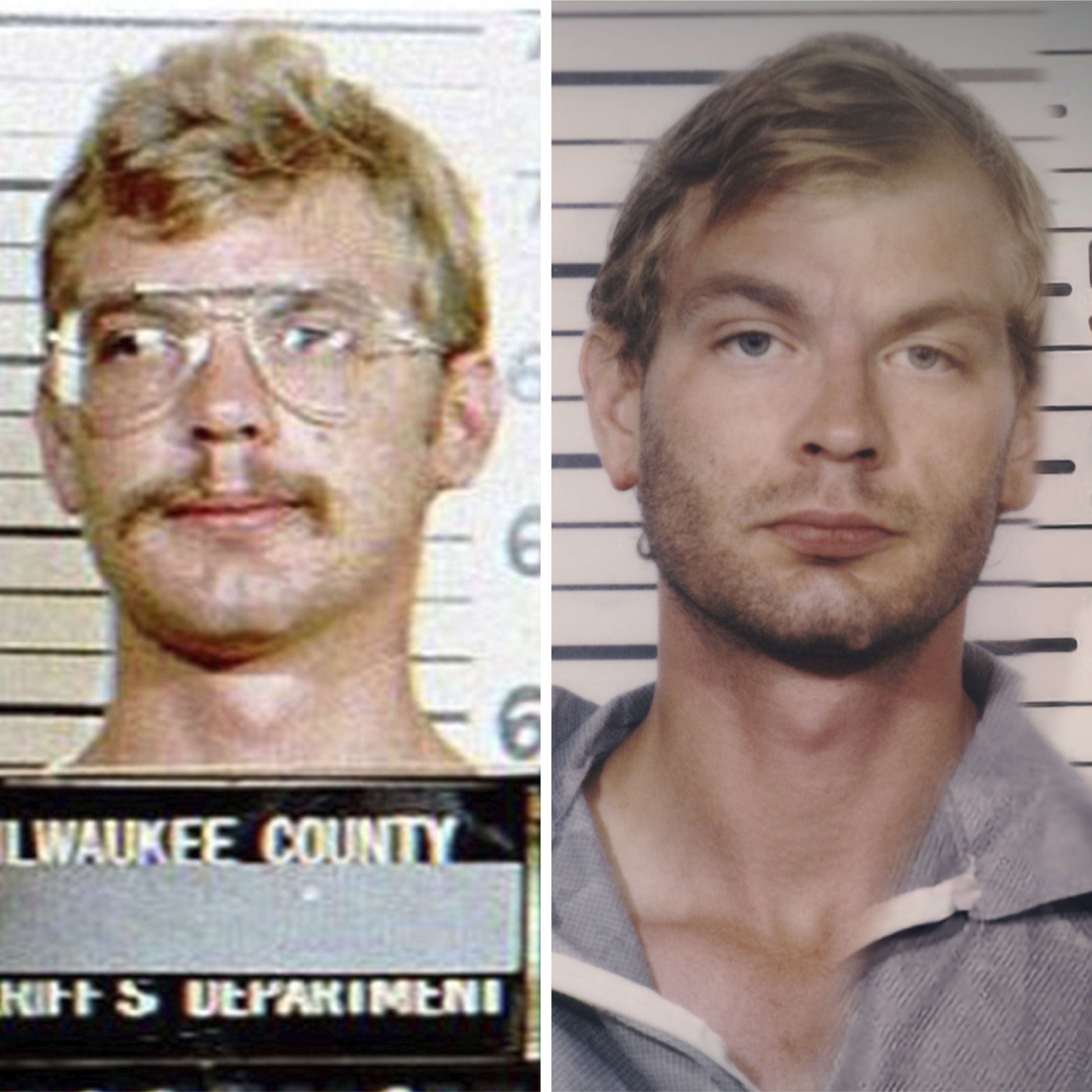
Jeffrey Dahmer did not have a documented head injury or traumatic brain injury during his childhood or adult development, and pre-trial brain scans revealed normal neurological structure. However, he sustained severe, fatal blunt force head trauma in 1994 when he was beaten to death by fellow inmate Christopher Scarver at Columbia Correctional Institution.
Neurological Examinations and Brain Scans During the 1992 Trial
During the 1992 sanity phase of State of Wisconsin v. Jeffrey Dahmer, the defense team—led by attorney Gerald Boyle—extensively investigated whether organic brain damage, neurological impairment, or physical head trauma contributed to Dahmer’s serial murders. As part of this comprehensive evaluation, defense and prosecution psychiatric experts subjected Dahmer to a battery of neurological tests and medical imaging procedures.
These evaluations included electroencephalograms (EEGs) to measure electrical activity in the brain, computed tomography (CT) scans, and magnetic resonance imaging (MRI) scans. The goal of these diagnostic tools was to identify any structural lesions, temporal lobe epilepsy, localized tissue atrophy, or evidence of past traumatic brain injury (TBI) that might explain his extreme behavioral pathology.
- 1992 Pre-Trial Neurological Evaluation
- MRI & CT Scans: Normal Structure
- EEG Testing: Normal Waves
- Clinical Exam: No Focal Deficits
- Result: No Traumatic Brain Injury
The diagnostic imaging revealed that Dahmer's brain was structurally normal. The MRI and CT scans showed no evidence of focal brain damage, gross cerebral atrophy, or structural abnormalities in the prefrontal cortex or limbic system—regions of the brain typically evaluated when investigating impulse control and emotional regulation. Similarly, the EEG results returned normal baseline rhythms without seizure activity.
Forensic psychiatrists who testified during the trial, including prosecution expert Dr. Park Dietz and defense experts Dr. Carl Wahlstrom and Dr. Fred Berlin, concurred that Dahmer did not suffer from an organic brain syndrome or physical brain injury. While the experts debated his exact psychiatric diagnoses—discussing conditions such as necrophilia, schizotypal personality disorder, borderline personality disorder, and severe alcohol dependence—none of the medical professionals attributed his violent crimes to physical head trauma or structural brain disease.
Childhood Medical History: Disentangling the Hernia Surgery Myth
A common misconception regarding Jeffrey Dahmer's development is that a head injury in early childhood drastically altered his personality. This confusion frequently stems from misinterpretations of his early medical history, specifically an event that occurred when he was four years old.
In 1964, at age four, Dahmer underwent surgery for an double inguinal hernia. In his memoir A Father's Story, Lionel Dahmer reflected on his son's early life and noted a perceived shift in Jeffrey's behavior following this surgical procedure. Lionel described his son as becoming noticeably more withdrawn, submissive, and quiet after the hospitalization.
| Historical Event | Classification |
|---|---|
| 1964 Inguinal Hernia Surgery (Age 4) | Abdominal |
| Pre-Trial CT / MRI / EEG Imaging (1992) | Neurological |
| Physical Head Trauma Prior to Incarceration | None Documented |
| Fatal Attack by Christopher Scarver (Nov 28, 1994) | Fatal Traumatic |
However, medical professionals and biographers emphasize several critical distinctions regarding this event:
- Surgical Scope: An inguinal hernia repair is an abdominal operation performed in the groin area. It involves no direct interaction with or surgical risk to the cranium or brain tissue.
- Lack of Trauma: The surgery was a planned medical procedure, not the result of physical trauma, accidental impact, or a fall causing a head injury.
- Psychological vs. Neurological Impact: Child psychologists and medical historians note that hospitalization and anesthesia in very young children can sometimes trigger temporary emotional distress or behavioral regression. However, this is a psychological reaction to trauma or separation anxiety rather than structural brain damage.
Beyond this childhood surgery, there are no verified medical records, hospital admissions, or family accounts indicating that Dahmer suffered a concussion, skull fracture, or significant head injury during his developmental years.
Why People Assume Dahmer Had a Head Injury: The Neurobiology of Violence
The persistent belief that Jeffrey Dahmer suffered a head injury is largely driven by wider criminological research linking traumatic brain injury (TBI) to violent behavior. In the fields of forensic psychology and neurocriminology, severe head trauma—particularly to the prefrontal cortex—is a recognized risk factor for heightened aggression, impaired executive functioning, and poor impulse control.
TBI in Serial Crime Profiles
Numerous high-profile serial offenders do have documented histories of severe childhood head injuries. For instance:
- Richard Ramirez suffered two major head injuries during childhood, including being struck by a swing that required stitches and caused temporal lobe seizures.
- Arthur Shawcross sustained multiple severe head injuries, including a skull fracture from a falling branch and an injury from a metal pipe, which later revealed structural abnormalities.
- Bobby Joe Long suffered a severe head injury in a motorcycle accident that resulted in a prolonged coma prior to his murder spree.
Because these cases are frequently cited in true-crime literature and academic studies exploring the neurobiology of violence, the public often assumes that all serial killers share a common etiology involving physical brain trauma.
- Neurobiological Models of Violent Offending
- Organic Brain Damage (TBI, Lesions, Seizures)
- Example: Richard Ramirez
- Physical Skull Trauma
- Abnormal EEGs
- Executive Dysfunction
- Example: Richard Ramirez
- Non-Organic Pathology (Personality Disorders)
- Example: Jeffrey Dahmer
- Normal Brain Imaging
- Severe Paraphilias
- Intact Planning Ability
- Example: Jeffrey Dahmer
- Organic Brain Damage (TBI, Lesions, Seizures)
Dahmer's Behavioral Profile
Unlike offenders whose crimes are characterized by explosive, disorganized rage resulting from frontotemporal brain damage, Dahmer demonstrated a high degree of methodical planning, concealment, and control over a 13-year period (1978–1991).
Forensic evaluators noted that his ability to construct intricate deceptions, maintain employment, and evade detection for over a decade was inconsistent with the severe cognitive deficits typically associated with major frontal lobe brain damage. His violent behavior was attributed by clinical experts to severe paraphilias (including necrophilia and sexual sadism), profound loneliness, substance abuse, and severe personality disorders rather than physical brain trauma.
Medical and Forensic Evidence Summary
To understand Dahmer's medical and neurological background, it helps to examine his verified records alongside the events of his life and trial.
| Category | Medical & Forensic Finding | Clinical Significance |
|---|---|---|
| Brain Imaging (1992) | CT and MRI scans showed normal cerebral architecture without lesions or atrophy. | Excluded structural brain damage or physical brain trauma as a cause of behavior. |
| Electrophysiological Testing | Baseline EEG scans indicated normal electrical brain activity. | Ruled out temporal lobe epilepsy or underlying seizure disorders. |
| Childhood Medical History | Inguinal hernia repair at age 4 under general anesthesia; no head trauma. | Confirmed absence of childhood cranial injuries, despite behavioral observations. |
| Forensic Diagnosis | Paraphilias, Borderline Personality Disorder, Schizotypal Disorder, Severe Alcoholism. | Established psychiatric pathology in the absence of organic brain disease. |
| Cause of Death (1994) | Massive blunt force head trauma caused by violent assault with a metal bar. | Documented the only severe, physical head injury Dahmer ever sustained. |
The 1994 Fatal Head Trauma: Cause of Death at Columbia Correctional Institution
While Jeffrey Dahmer did not have a head injury during his childhood or period of offending, his life ended as a direct result of severe head trauma.
On the morning of November 28, 1994, while serving 15 consecutive life sentences at Columbia Correctional Institution in Portage, Wisconsin, Dahmer was assigned to clean the prison gymnasium alongside two other inmates: Jesse Anderson and Christopher Scarver.
1994 Fatal Incident Timeline:
- 07:50 AM: Work detail begins in prison gymnasium.
- 08:10 AM: Inmates left unsupervised; Scarver retrieves 20-inch metal bar.
- 08:15 AM: Scarver attacks Dahmer, inflicting blunt force trauma to the skull.
- 08:25 AM: Prison guards discover injured Dahmer; emergency transport initiated.
- 09:11 AM: Dahmer pronounced dead at Divine Savior Hospital.
While left unsupervised in the gymnasium bathroom, Christopher Scarver retrieved a 20-inch, 5-pound iron bar from a piece of weight room equipment. Scarver struck Dahmer repeatedly in the head and face, crushing his skull. Scarver then attacked Anderson, who died from his injuries two days later.
Dahmer was discovered by prison guards approximately 20 minutes after the attack. He was alive but unconscious and suffered from severe cranial fractures and brain trauma. He was transported to Divine Savior Hospital in Portage, where he was pronounced dead at 9:11 a.m.
The official autopsy conducted by the Columbia County Medical Examiner confirmed that the cause of death was blunt force trauma to the head, resulting in massive skull fractures and brain hemorrhage. This violent assault was the sole documented instance of major head trauma in Dahmer's life.
Post-Mortem Brain Pathology and Legal Disputes
Following Dahmer's death in 1994, his body was cremated, but his brain was preserved at the request of his mother, Joyce Flint. Flint hoped that neuropathologists could conduct detailed post-mortem examinations of the brain tissue to determine whether an undetected neurological disease, chemical imbalance, or micro-structural abnormality could explain his actions.
- Dahmer's Brain (1994)
- Mother (Joyce Flint): Desired Brain Study
- Seek scientific explanation for violent behavior.
- Father (Lionel Dahmer): Desired Cremation
- Honor final wishes & provide finality.
- Circuit Court Dispute
- December 1995 Ruling: Ordered Brain Cremation
- Mother (Joyce Flint): Desired Brain Study
However, his father, Lionel Dahmer, opposed the scientific study, requesting that the brain be cremated in accordance with Jeffrey's expressed wishes to be fully cremated after death. Lionel argued that formal brain studies during the 1992 trial had already shown no structural damage and that further examination would only prolong public attention and pain for the victims' families.
The legal dispute reached the Columbia County Circuit Court. In December 1995, Judge Stephen Gauke ruled in favor of Lionel Dahmer, ordering that the preserved brain tissue be cremated without scientific examination. Consequently, no microscopic post-mortem neuropathological study was ever performed on Dahmer's brain.
Frequently Asked Questions
Did brain scans show any abnormalities in Jeffrey Dahmer's brain?
No. Diagnostic imaging conducted prior to his 1992 trial—including CT scans, MRI scans, and EEGs—showed that Jeffrey Dahmer's brain had normal structural architecture and electrical activity. The scans showed no evidence of focal brain lesions, structural atrophy, or prior traumatic brain injury.
Was Jeffrey Dahmer ever diagnosed with Traumatic Brain Injury (TBI)?
No. Neither defense nor prosecution medical experts diagnosed Dahmer with Traumatic Brain Injury. His psychiatric evaluations identified complex personality disorders (schizotypal and borderline) and paraphilias, but medical professionals ruled out organic brain damage or TBI.
Why do people think Jeffrey Dahmer had a head injury as a child?
This belief is primarily due to confusion surrounding an inguinal hernia surgery Dahmer underwent at age four in 1964. While his father noted behavioral changes following the hospitalization, the procedure was abdominal and did not involve any head trauma or brain injury. Public awareness of other serial killers who did suffer severe head injuries also contributes to this misconception.
Did Jeffrey Dahmer suffer a head injury in prison?
Yes. On November 28, 1994, Dahmer suffered massive blunt force head trauma when he was attacked by fellow inmate Christopher Scarver at Columbia Correctional Institution. This physical trauma resulted in severe skull fractures and was the direct cause of his death.
Was Jeffrey Dahmer's brain examined after his death?
No. Although his mother sought to have his brain analyzed by neuropathologists after his murder, his father advocated for full cremation. A Wisconsin circuit court judge ruled in December 1995 that the brain should be cremated, preventing post-mortem microscopic study.
Conclusion and Research Context
When analyzing the history of Jeffrey Dahmer, clear distinction must be made between developmental health and cause of death. Medical imaging, trial testimony, and hospital records confirm that Dahmer did not suffer from a head injury, traumatic brain injury, or structural brain damage during his developmental years or period of criminal activity. His neurobiological structure was declared normal by evaluating physicians in 1992. The only severe head trauma he sustained occurred on November 28, 1994, during the fatal assault by Christopher Scarver that ended his life.
For students, legal researchers, and criminologists examining the intersection of neurology and criminal behavior, Dahmer represents a case where extreme violence occurred in the absence of organic brain damage—highlighting the complex interaction of psychiatric disorders, personality pathology, and environmental factors in violent crime.