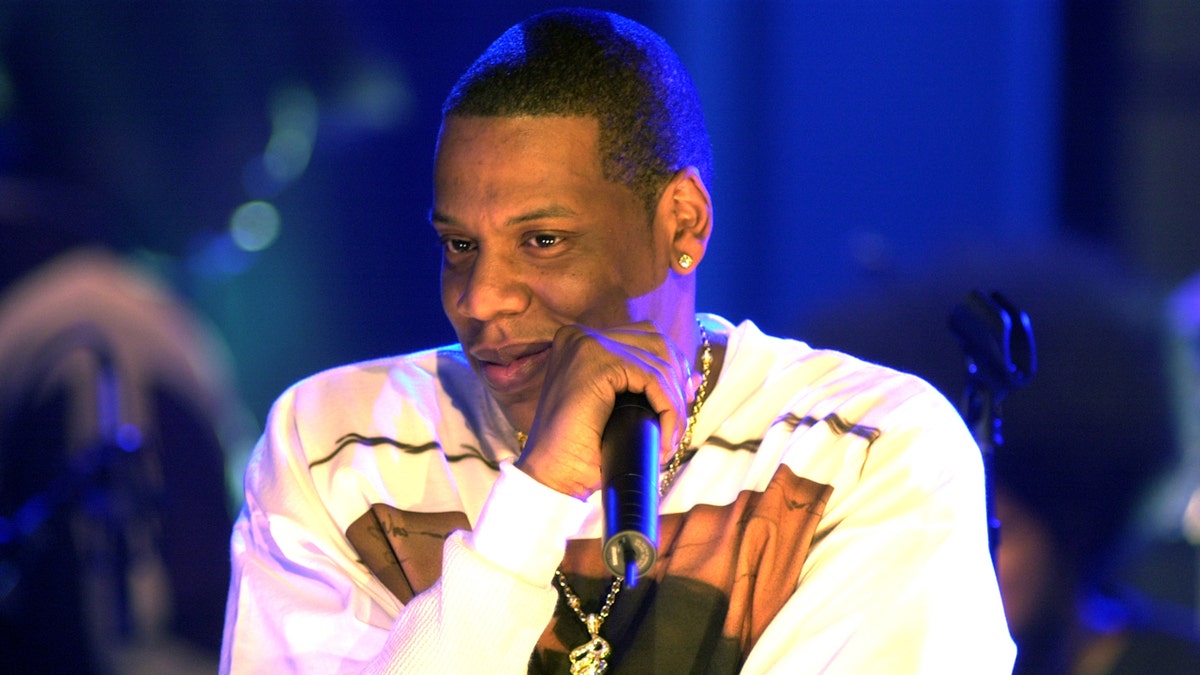
Jay-Z does not own Apple Music. Apple Music is a proprietary streaming service fully owned, developed, and operated by Apple Inc., a publicly traded technology conglomerate. While the prominent American rapper, entrepreneur, and billionaire—born Shawn Carter—has significant history in the music streaming industry, his past business ventures are entirely separate from Apple’s corporate structure. Understanding the truth behind this common misconception requires looking closely at Jay-Z’s actual involvement in the streaming landscape, notably his historic acquisition and subsequent sale of Tidal, alongside Apple Music’s true corporate heritage.
The Corporate Reality of Apple Music
Apple Music launched on June 30, 2015, following Apple’s monumental acquisition of Beats Electronics and Beats Music in 2014 for $3 billion. This corporate buyout brought legendary figures like Jimmy Iovine and Dr. Dre into executive roles within Apple, steering the development of what would become a dominant streaming platform. Apple Inc., led today by CEO Tim Cook, holds total ownership and intellectual property rights over Apple Music.
Individual artists, regardless of their cultural influence, net worth, or strategic partnerships with the tech giant, hold no ownership stake in Apple Music as a corporate entity. While artists frequently negotiate exclusive release windows, curate playlists, or host dedicated radio shows—such as Jay-Z’s occasional curation work or high-profile album releases on the platform—these arrangements constitute commercial partnerships rather than equity ownership. Apple maintains absolute control over the platform's infrastructure, subscription models, software engineering, and financial revenues.
Jay-Z, Tidal, and the Streaming Equity Movement
The rumor linking Jay-Z to Apple Music likely stems from his high-profile acquisition of the streaming service Tidal and his broader reputation as a business mogul. In March 2015, Jay-Z’s holding company, Project Panther Bidco, acquired Aspiro—the parent company of Tidal—for approximately $56 million. Tidal was marketed heavily as an artist-owned streaming platform, boasting a roster of high-profile co-owners that included Beyoncé, Kanye West, Rihanna, Madonna, Alicia Keys, and Calvin Harris.
| Platform | Original/Parent Company | Jay-Z Involvement |
|---|---|---|
| Apple Music | Apple Inc. | None (Partner/Artist) |
| Tidal | Aspiro / Block, Inc. | Former Majority Owner |
| Spotify | Spotify AB | None |
| YouTube Music | Alphabet Inc. | None |
During his tenure as the majority owner of Tidal, Jay-Z positioned the platform as a creator-first alternative to Spotify and Apple Music, emphasizing higher audio fidelity (such as lossless FLAC streaming) and equitable royalty structures for musicians. However, running a standalone streaming service against heavily capitalized tech titans proved exceedingly difficult.
In early 2021, financial technology giant Block, Inc. (formerly Square, Inc.), led by Jack Dorsey, agreed to acquire a majority stake in Tidal for $297 million in cash and stock. As part of this transition, Jay-Z joined Block’s board of directors, and while he retained a smaller equity stake in Tidal following the acquisition, his era as the primary controlling owner came to an end. This significant foray into streaming ownership frequently leads casual observers to confuse his entrepreneurial footprint with competitors like Apple Music.
The Intersection of Jay-Z and Apple
Despite not owning Apple Music, Jay-Z and his companies maintain a dynamic, professional relationship with Apple Inc. Strategic collaborations between elite artists and technology platforms are common practice in the modern music industry.
- Exclusives and Releases: Throughout his career, Jay-Z has periodically partnered with Apple Music and the iTunes Store to distribute high-profile musical projects. For instance, his critically acclaimed 2017 studio album 4:44 was initially released as an exclusive streaming partnership with Tidal and Sprint (which owned a stake in Tidal at the time), but subsequent projects and his extensive catalog have navigated various distribution windows across major platforms, including Apple Music.
- Beats by Dre Partnerships: Before Apple acquired Beats, Jay-Z frequently collaborated with the brand on marketing campaigns, promotional product launches, and high-end headphone releases. This historic ecosystem synergy between hip-hop moguls and the executives running Beats (such as Jimmy Iovine) further blurs the lines in public perception regarding who owns what in Silicon Valley and the music industry.
- Ecosystem Integration: Apple Music routinely features Jay-Z’s discography prominently in editorial playlists, spatial audio showcases, and historical retrospectives celebrating hip-hop culture, reinforcing a healthy B2B relationship without any equity ties.
Common Misconceptions in Music Streaming Ownership
Public confusion regarding celebrity ownership of major tech platforms is widespread, driven by aggressive marketing campaigns, artist-led branding, and complex corporate acquisitions. Recognizing how streaming services operate clarifies these misunderstandings.
| Misconception | Fact |
|---|---|
| "Jay-Z owns Apple Music" | Apple Music is entirely owned by Apple Inc., a publicly traded tech company. |
| "Artists own stock in streaming apps" | Standard streaming agreements pay royalties per stream; equity ownership requires explicit corporate buy-ins (such as Tidal's co-owner model). |
| "Jay-Z sold Tidal to Apple" | Tidal's majority stake was sold to Block, Inc. (Jack Dorsey's company) in 2021, not Apple. |
| "Exclusivity means ownership" | Releasing an album exclusively on a platform indicates a licensing or marketing contract, not corporate ownership. |
Why Ownership Matters in the Modern Music Economy
The distinction between being an artist, a partner, or an owner carries profound financial implications. Streaming platforms operate on razor-thin margins for content distribution, paying out the vast majority of subscription and ad revenue to record labels, publishers, and performing rights organizations.
When Jay-Z purchased Tidal, his stated goal was to fix what he perceived as a broken economic model for creators. By attempting to cut out traditional middle layers and grant artists direct ownership, he sought to shift power dynamics. When Apple Music or Spotify signs an artist, that artist acts as a content supplier. When an artist owns a platform like Tidal was structured to be, they participate directly in the enterprise valuation and corporate growth of the service itself. Because Apple is a multi-trillion-dollar consumer electronics and software giant, individual musicians cannot realistically acquire controlling stakes in its core services.
Frequently Asked Questions
Does Jay-Z own any streaming services?
Jay-Z previously owned a majority stake in Tidal through his company Project Panther Bidco after purchasing it in 2015. In 2021, he sold a majority stake in Tidal to Block, Inc., though he retained a minority equity interest and briefly served on Block's board of directors. He does not own a controlling stake in any major standalone streaming service today.
Who actually owns Apple Music?
Apple Music is a wholly owned subsidiary service of Apple Inc. It was created following Apple's corporate acquisition of Beats Electronics and Beats Music in 2014. Public shareholders and institutional investors who own Apple stock collectively own the company that operates Apple Music.
Did Jay-Z sell Tidal to Apple?
No. Jay-Z sold a majority stake in Tidal to Block, Inc. (formerly Square, Inc.), the digital payments company founded by Jack Dorsey. The transaction, valued at $297 million, closed in 2021. Apple had no involvement in this acquisition.
Are there any artist-owned music streaming services?
While platforms frequently market themselves with artist-friendly rhetoric or feature musicians on advisory boards, true broad-based artist ownership is rare in mainstream commercial streaming. Tidal's initial 2015 relaunch was the most prominent attempt at a celebrity co-owned streaming model, though its corporate structure evolved significantly following the Block acquisition.
How do artists make money from Apple Music if they don't own it?
Artists earn revenue from Apple Music through master recording royalties paid per stream to their record labels or distributors, as well as publishing royalties paid to songwriters and composers via performing rights organizations. The exact payout per stream fluctuates based on subscription tiers, geographical markets, and contractual distribution splits.
Conclusion and Next Actions
To summarize, Jay-Z does not own Apple Music, nor has he ever held an ownership stake in the platform. His prominent footprint in the streaming industry is defined by his acquisition, operation, and subsequent partial sale of Tidal. For music fans, industry analysts, and creators researching streaming economics, examining corporate filings and official acquisitions remains the most reliable method to verify platform ownership. When evaluating where to stream music or how artist compensation models function, consumers should look past celebrity marketing campaigns to understand the underlying corporate entities operating these digital ecosystems.