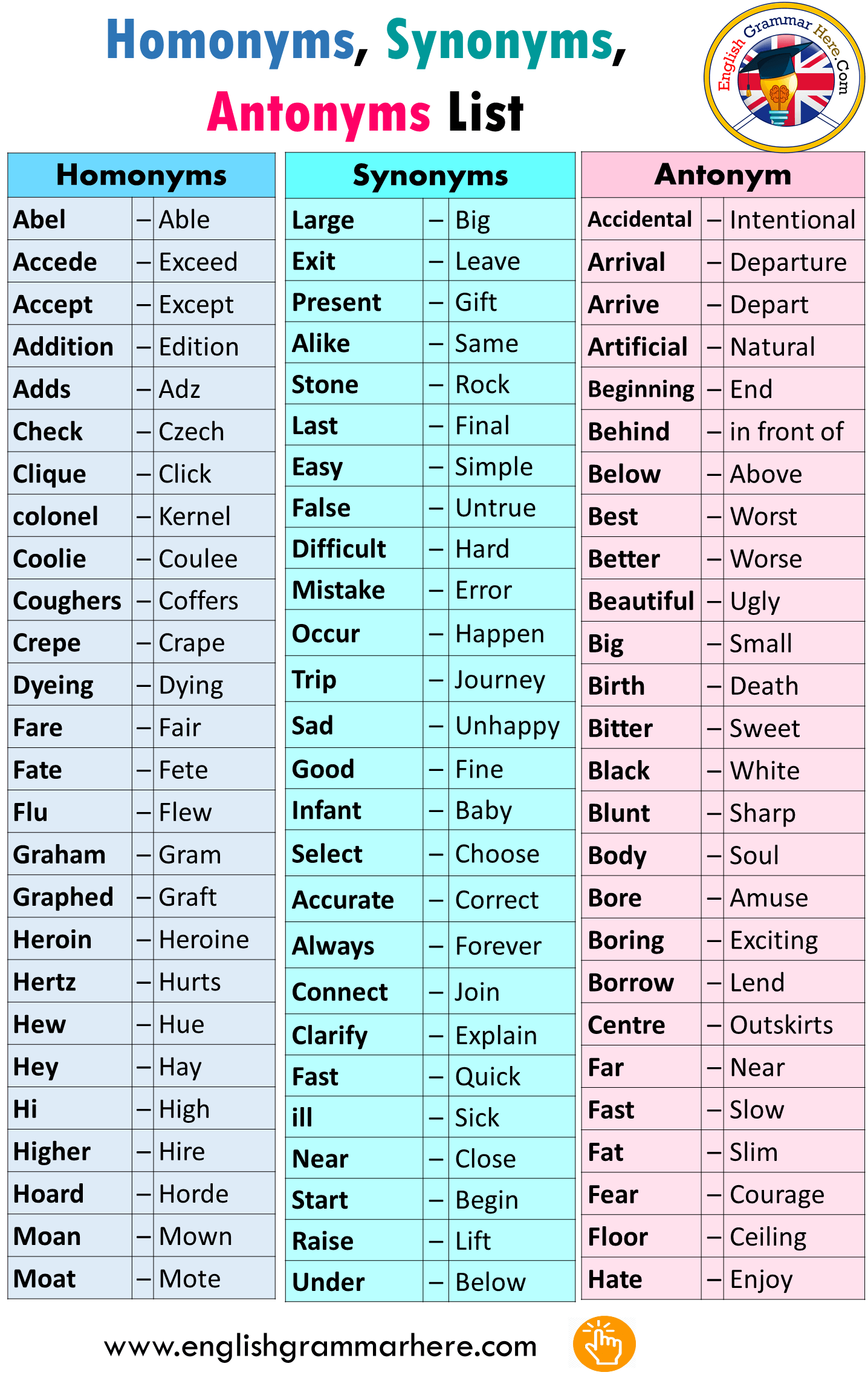
Finding another word for "another" depends entirely on your context, as this versatile term functions as both a determiner and a pronoun. Common synonyms include additional, further, and extra when referring to quantity, while alternative, different, and distinct are used when emphasizing a change in kind or identity.
Precision in language is the hallmark of sophisticated communication. While "another" is a perfectly functional word, its repetitive use can make prose feel stagnant or imprecise. In professional, academic, and creative writing, selecting a synonym that captures the specific nuance of your thought—whether you mean "one more of the same" or "something entirely different"—is essential for clarity.
The Linguistic Function of "Another"
To replace "another" effectively, we must first understand its grammatical DNA. The word is a contraction of "an" and "other," which explains why it is traditionally used with singular countable nouns. In modern English, it serves two primary purposes:
- The Additive Sense: This refers to an increase in quantity. For example, "I would like another cup of coffee" implies one more of the same thing.
- The Alternative Sense: This refers to a different person or thing of the same type. For example, "Let’s try another restaurant" implies a desire for a different location, not necessarily an additional one.
By identifying which of these two paths your sentence is taking, you can narrow down the most effective substitute.
Synonyms for "Another" in the Additive Sense
When you are looking for a word that signifies "one more," "more of," or "in addition to," you are working within the additive category. This is common in business reporting, scientific data, and daily requests.
1. Additional
"Additional" is perhaps the most direct formal synonym for "another." It is frequently used in professional settings to describe things that are added to an existing pile, budget, or workload.
- Context: "The project requires additional funding to meet the 2026 deadline."
- Why use it: It sounds more objective and measured than "another," making it ideal for reports and proposals.
2. Further
While "further" can relate to physical distance, it is more commonly used in writing to mean "more" or "extended."
- Context: "We need further clarification on the third clause of the contract."
- Why use it: It suggests a progression of thought or a deepening of an investigation, rather than just a numerical increase.
3. Supplementary
"Supplementary" implies that the new item completes or enhances something that already exists. It suggests that the "another" item is not just extra, but purposeful.
- Context: "The teacher provided supplementary materials for the advanced students."
- Why use it: Use this when the addition is meant to provide support or fill a gap.
4. Extra
"Extra" is a more casual but highly effective synonym. It often carries the connotation of being beyond what is necessary or expected.
- Context: "I brought an extra pair of gloves just in case."
- Why use it: It is concise and clear, perfect for conversational English or instructional writing.
5. Fresh
In creative or journalistic contexts, "fresh" can replace "another" when referring to something new that replaces or adds to the old.
- Context: "The detective looked at the case with a fresh set of eyes."
- Why use it: It adds a sensory quality to the writing, suggesting vitality and new energy.
Synonyms for "Another" in the Alternative Sense
When "another" is used to mean "a different one," the goal is to emphasize variety, distinction, or substitution.
1. Alternative
This is the most literal replacement for the alternative sense of "another." It implies a choice between two or more possibilities.
- Context: "If the first route is blocked, we must find an alternative path."
- Why use it: It highlights the element of choice and decision-making.
2. Different
"Different" is a broad synonym that emphasizes that the new item is not identical to the previous one.
- Context: "She decided to take a different approach to the problem."
- Why use it: Use "different" when the contrast between the two items is the most important detail you want to convey.
3. Distinct
"Distinct" is a powerful word that suggests the "another" item is separate and clearly unlike the first.
- Context: "The two species belong to distinct biological classifications."
- Why use it: It is excellent for academic writing where you need to prove that two things are not to be confused with one another.
4. Variant
A "variant" is a form of something that differs in some way from others of the same kind.
- Context: "The 2026 model is simply a variant of the original design."
- Why use it: It is highly specific and useful in technical, medical, or engineering contexts.
5. Surrogate or Substitute
When "another" refers to something taking the place of something else, these words provide much more precision.
- Context: "In the absence of the manager, a surrogate was appointed to sign the documents."
- Why use it: It defines the role of the new item, not just its existence.
Formal vs. Informal Usage: Choosing the Right Tone
The year 2026 has seen a continued shift toward "minimalist" professional writing, where clarity is prioritized over flourish. However, the distinction between formal and informal synonyms remains vital for establishing authority.
| Context | Recommended Synonym | Usage Example |
|---|---|---|
| Academic/Research | Subsequent | "The subsequent trial yielded different results." |
| Business/Legal | Incremental | "We observed an incremental increase in user engagement." |
| Creative/Fiction | Newfound | "He approached the task with newfound determination." |
| Technical/IT | Redundant | "The system keeps a redundant copy of the database." |
| Medical | Auxiliary | "The patient was fitted with an auxiliary oxygen supply." |
| General/Casual | One more | "Can I have one more try at the game?" |
Semantic Nuances: "Another" vs. "Other"
A common struggle for writers is deciding between "another" and "other." The rule of thumb is simple: Another is for singular, non-specific items ("I need another pen"), while other is used for plural or specific items ("I need the other pens").
If you find yourself using "another" too often, check if you can change the noun to plural and use "other" or its synonyms:
- Instead of: "We need another solution." (Singular)
- Try: "We need alternative solutions." (Plural)
This shift not only provides a synonym but also changes the structure of the sentence, which often improves the overall flow of a paragraph.
Why Replacing "Another" Improves Your Writing
In the era of 2026, where AI-generated content is ubiquitous, human-level precision in vocabulary is what distinguishes high-quality writing. Overusing "another" is often a sign of "lazy" drafting—where the brain reaches for the easiest, most generic word available.
By choosing a more specific synonym, you provide the reader with more information. For instance, saying "we need supplementary evidence" tells the reader that the current evidence is good but needs reinforcement. Saying "we need different evidence" tells the reader that the current evidence is likely wrong or irrelevant. "Another" could mean either of those things, leaving the reader to guess.
Practical Tips for Editing
- Search and Replace: Use the "Find" function (Ctrl+F) in your document to see how many times "another" appears. If it appears more than once every 300 words, you likely need to vary your vocabulary.
- Check the "Why": For every instance of "another," ask yourself: "Am I adding to a group, or am I replacing something?"
- Read Aloud: Sometimes, the rhythm of a sentence requires a short word like "another." If a longer synonym like "supplementary" makes the sentence clunky, stick with the simpler word or restructure the entire thought.
Common Mistakes to Avoid
When seeking a synonym for "another," writers occasionally fall into traps that can obscure their meaning.
- Over-formalizing: Don't use "aforementioned" or "subsequent" in a casual email. It can come across as pretentious or stiff.
- Changing the meaning: Be careful with "alternative." In some contexts, an "alternative" implies a choice where you can only have one or the other. "Another" often implies you can have both.
- The "One More" redundancy: Avoid phrases like "one additional another." This is repetitive. Choose one or the other.
Advanced Alternatives for Professional Environments
In specialized fields, "another" is rarely the best choice. Here are how different industries handle the concept:
Economics and Finance
In finance, "another" usually refers to growth or sequences.
- Incremental: Refers to small, steady additions.
- Accretive: Used when an addition adds value to the whole.
- Successive: Used for things following one after another in an uninterrupted sequence (e.g., "Successive quarters of growth").
Engineering and Technology
In technical documentation, "another" can be ambiguous.
- Secondary: Implies a backup or a lower-priority item.
- Parallel: Implies an additional item running at the same time.
- Instance: Used when referring to another version of a software process or object.
Frequently Asked Questions
What is a more formal way to say "another"?
The most versatile formal synonyms are additional and further. If you are referring to a replacement, alternative is the standard formal choice. In academic contexts, subsequent is often used to describe something that follows another in a sequence.
Can "another" be used with plural nouns?
Generally, no. "Another" is a combination of "an" and "other," making it singular. You would not say "another books." Instead, you would say "other books" or "additional books." However, there is an exception when a number or a quantifier is used: "I need another three weeks." Even then, "an additional three weeks" is often considered more professional.
Is "one more" a good synonym for "another"?
Yes, "one more" is an excellent, clear synonym for the additive sense of "another." While it is slightly more casual, it is highly effective in dialogue and instructional writing to ensure there is no confusion about the quantity being discussed.
How do I choose between "different" and "another"?
Use different when you want to emphasize that the new item has unique characteristics or is a departure from the previous one. Use another when the fact that it is a new item is more important than how it differs from the first.
What is the synonym for "another" in a sequence?
In a sequence, the best synonyms are subsequent, succeeding, or following. For example, "The subsequent chapter explores this in detail" is more precise than "Another chapter explores this."
Conclusion: Refining Your Vocabulary
Choosing the right synonym for "another" is a simple yet powerful way to elevate your writing. Whether you are drafting a technical manual in 2026 or writing a creative essay, the goal remains the same: clarity and precision. By distinguishing between the additive sense (more of the same) and the alternative sense (something different), you can select words like additional, distinct, or supplementary to guide your reader more effectively.
Next time you find yourself typing "another," pause and consider if the sentence would be stronger with a more descriptive alternative. Often, the right word is already in your vocabulary—it just requires a moment of intentional selection.