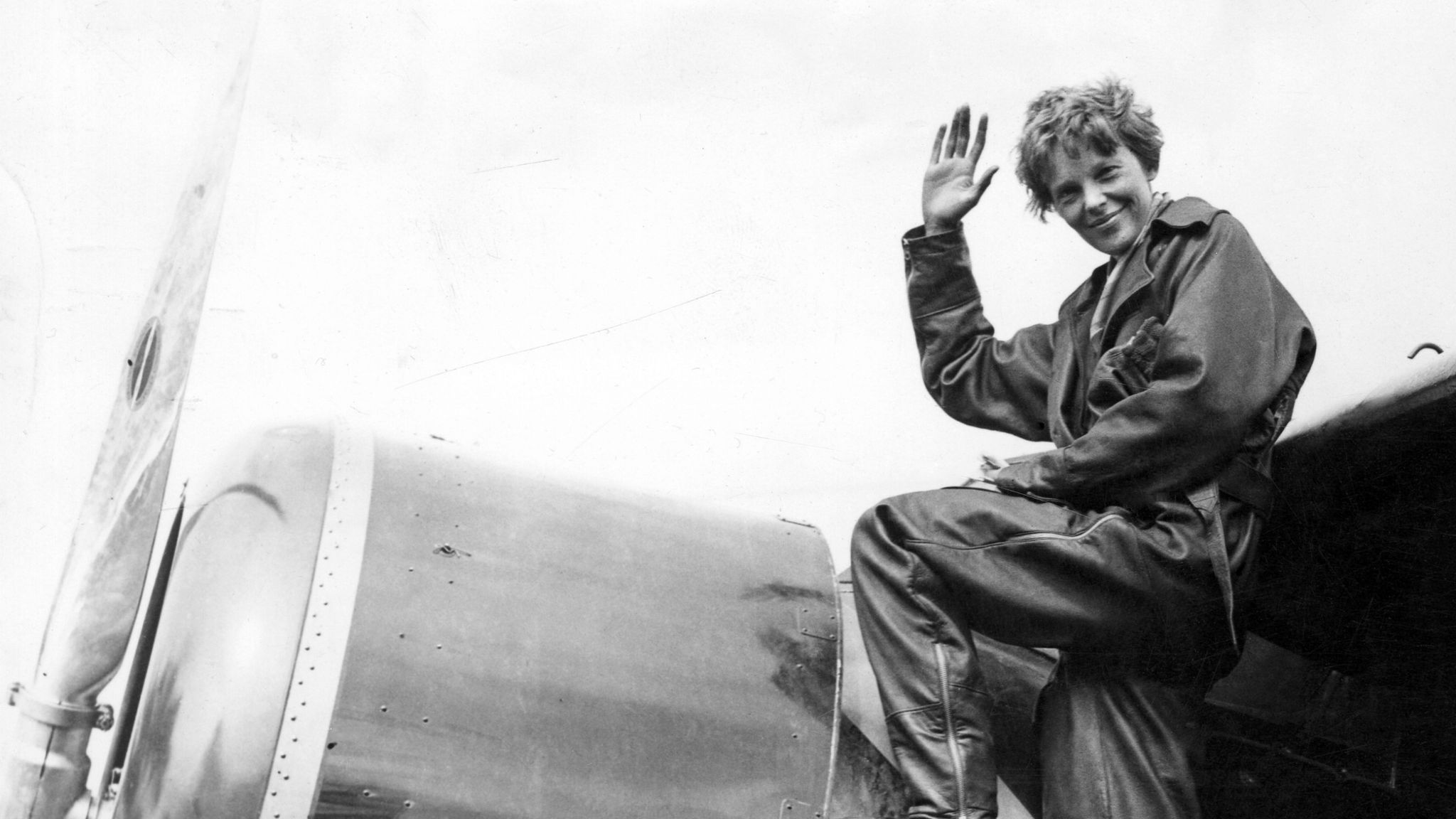
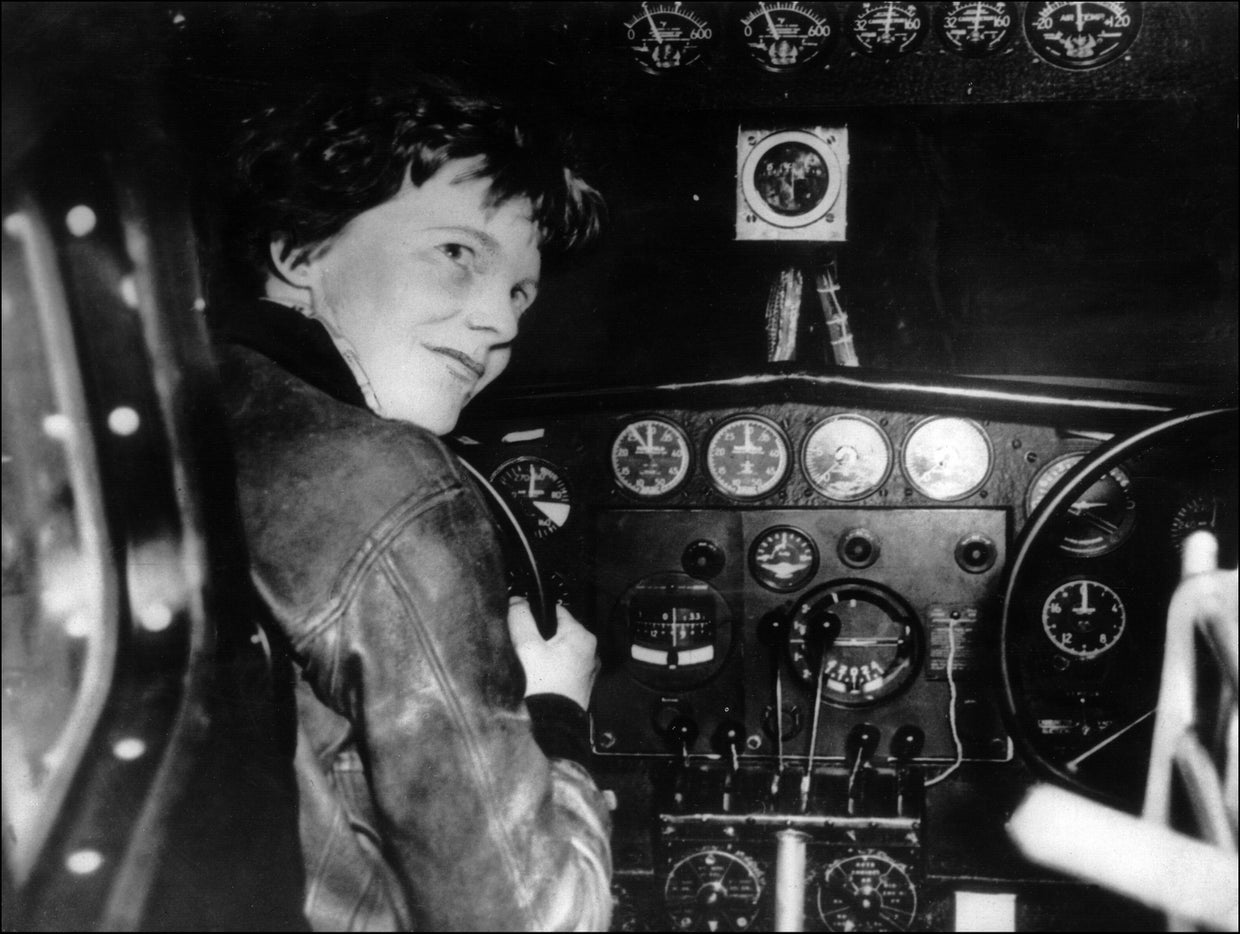
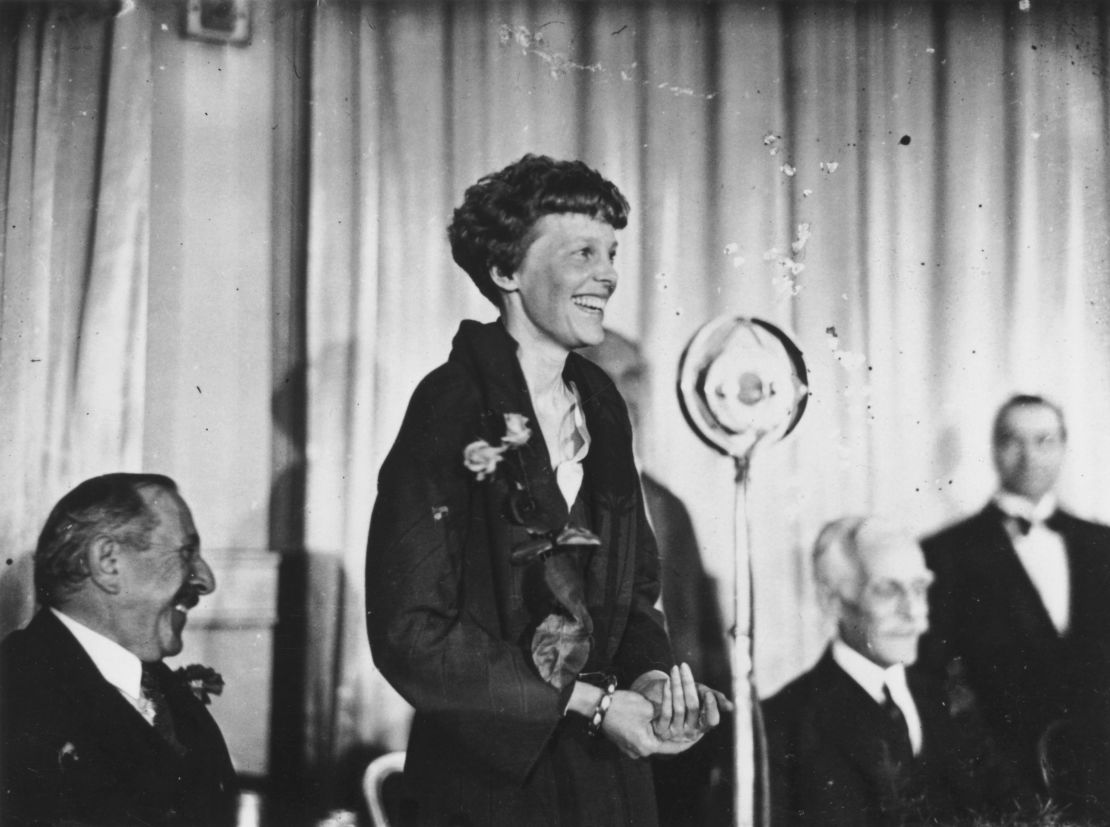
The prevailing survival theories regarding Amelia Earhart suggest that she and navigator Fred Noonan did not perish immediately in a mid-ocean crash on July 2, 1937. Instead, these hypotheses propose they either survived as castaways on the remote atoll of Nikumaroro or were captured by Japanese forces in the Marshall Islands. While the "Crash and Sink" theory remains the official stance of the U.S. government, decades of forensic analysis, radio signal tracking, and archaeological expeditions provide a complex body of evidence supporting various survival scenarios.
The Foundation of the Amelia Earhart Survival Theories
On July 2, 1937, Amelia Earhart and Fred Noonan vanished during the most challenging leg of their circumnavigation attempt—a 2,556-mile flight from Lae, New Guinea, to Howland Island. The mystery of their disappearance has birthed three primary schools of thought. While the most straightforward explanation is that the Lockheed Electra 10-E ran out of fuel and sank into the Pacific’s 18,000-foot depths, the "survived" theories argue that Earhart successfully landed the plane on a reef or island.
These theories are not merely speculative; they are built upon hundreds of "post-loss" radio signals reported by amateur and professional operators in the days following the disappearance. If the plane’s radio was functional after the landing, the aircraft could not have been submerged, as the engine-driven generator required the starboard engine to run to power the radio. This technical reality is the cornerstone of the argument that Earhart survived the initial descent.
The Nikumaroro Castaway Theory
The most scientifically scrutinized survival theory is the Nikumaroro Hypothesis, championed by The International Group for Historic Aircraft Recovery (TIGHAR). This theory posits that Earhart and Noonan, unable to find Howland Island, flew south on a navigational line of position (157°/337°) and landed on the flat reef surrounding Gardner Island, now known as Nikumaroro.
The 1940 Discovery of Human Remains
In 1940, British colonial administrator Gerald Gallagher discovered a partial human skeleton on the remote island. Along with the bones, searchers found a man’s shoe, a woman’s shoe, and a sextant box similar to the one Noonan used. Although the bones were lost in Fiji during World War II, the original measurements survived.
In 2018, Dr. Richard Jantz, an expert in forensic anthropology, published a study in Forensic Anthropology using modern "Fordisc" software to re-analyze those measurements. His findings suggested that the bones had a 99% similarity to Earhart’s physical profile, significantly contradicting the 1941 analysis which had concluded the remains were male. This forensic pivot breathed new life into the theory that Earhart lived for weeks or even months as a castaway.
Artifacts and the "Seven Site"
Archaeological digs on Nikumaroro have uncovered various artifacts that suggest a Western presence on the uninhabited island in the late 1930s. Notable finds include:
- Plexiglass fragments: Matching the thickness and curvature of a Lockheed Electra window.
- Anti-freckle cream jars: Specifically, "Dr. Berry’s Freckle Ointment," a product Earhart was known to use.
- Customized metal scraps: Some researchers believe these match repairs made to the Electra in Miami earlier in the flight.
These items, found at a location dubbed the "Seven Site," suggest a camp where survivors attempted to gather water and hunt giant coconut crabs. The presence of small fires and bird bones organized in a way that suggests human consumption further supports the survival narrative.
The Japanese Captivity Theory
Another prominent survival theory suggests that Earhart and Noonan landed in the Marshall Islands, which were under Japanese mandate at the time. Proponents believe they were picked up by the Japanese military, suspected of being spies, and eventually transported to Saipan, where they died in custody.
The Jaluit Atoll Photograph Controversy
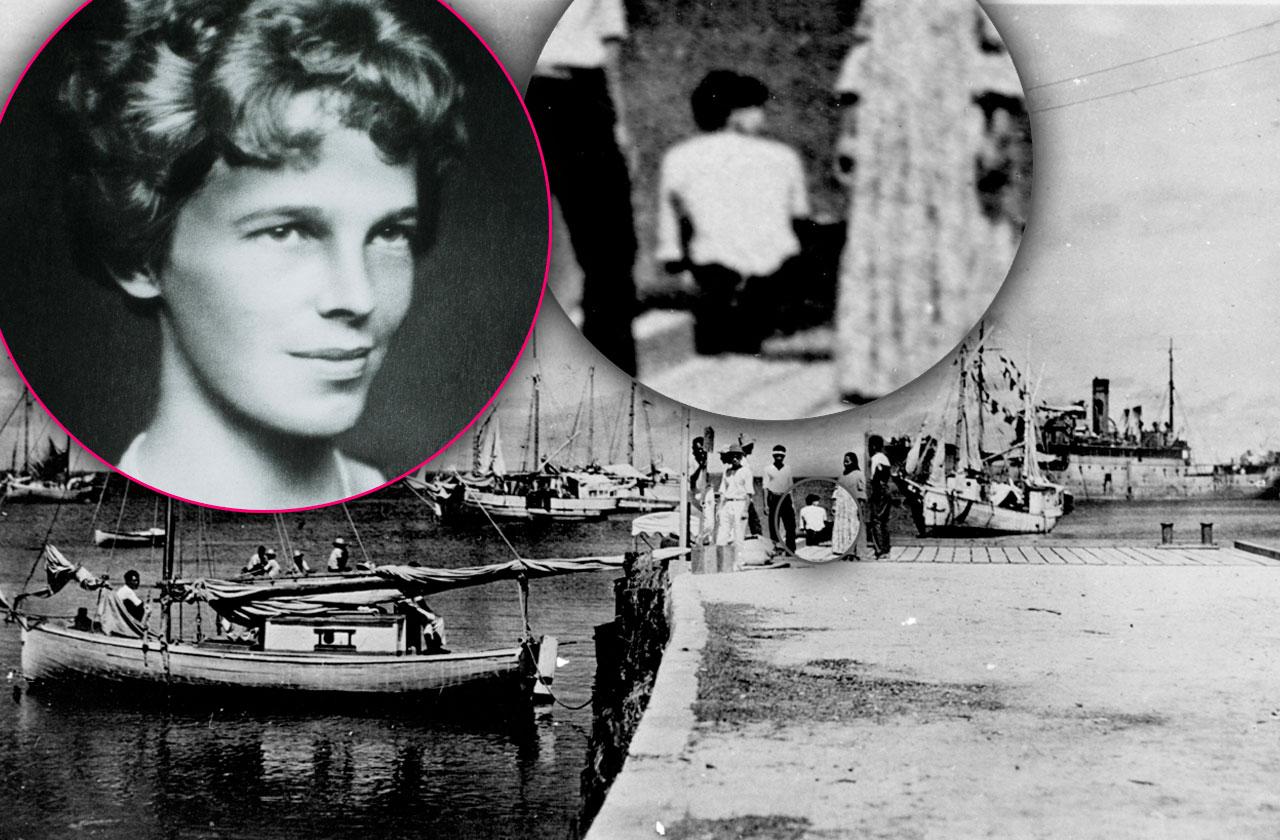
In 2017, the History Channel documentary Amelia Earhart: The Lost Evidence showcased a photograph found in the National Archives. The image depicted a group of people on a dock at Jaluit Atoll, including a figure sitting with their back to the camera who resembled Earhart and a man standing nearby who resembled Noonan.
However, the "survived by capture" theory faced a setback when Japanese bloggers located the same photograph in a Japanese travelogue published in October 1935—two years before Earhart disappeared. While this specific photograph was debunked as evidence of her 1937 presence, it did not entirely silence the theory. Many Marshallese islanders have passed down oral histories of a "white woman pilot" being taken by Japanese soldiers, and some retired U.S. military personnel claimed to have seen her aircraft in hangars on Saipan during the 1944 invasion.
The Saipan Grave Theories
Over the decades, several eyewitnesses in Saipan have claimed to know the location where two "white flyers" were buried before the American arrival. Excavations have been conducted at various sites, including the old Garapan cemetery. While some human remains have been recovered, none have been DNA-confirmed as Earhart or Noonan. The lack of physical evidence remains the primary hurdle for the captivity theory, despite the volume of anecdotal accounts.
The Irene Bolam Identity Theory
Perhaps the most controversial survival theory is the claim that Amelia Earhart survived the flight, returned to the United States under an assumed identity, and lived out her life as Irene Bolam, a New Jersey housewife. This theory gained national attention with the 1970 book Amelia Earhart Lives by Joe Klaas.
The theory was based on perceived physical similarities between Bolam and Earhart. However, Irene Bolam was a real person with a documented history that predated 1937. She filed a $1.5 million lawsuit against the publisher, and the book was eventually withdrawn. Despite professional forensic artists highlighting the differences in their facial structures, the "New Jersey survival" myth persists in certain conspiracy circles as a form of witness protection or "secret mission" narrative.
Comparative Evidence of Survival Theories
To better understand the likelihood of each scenario, we can compare the types of evidence supporting the most prominent survival theories against the traditional "Crash and Sink" model.
| Theory | Primary Location | Type of Evidence | Major Strength | Major Weakness |
|---|---|---|---|---|
| Nikumaroro Castaway | Nikumaroro Atoll | Forensic & Archaeological | Post-loss radio signals; Jantz bone analysis. | No definitive aircraft wreckage found on land. |
| Japanese Captivity | Marshall Islands / Saipan | Anecdotal & Eyewitness | Persistent oral histories from local populations. | Lack of photographic or DNA proof; debunked photos. |
| Identity Swap | New Jersey, USA | Visual Comparison | Appealing "happy ending" narrative. | Legally debunked; Irene Bolam had a distinct life history. |
| Crash and Sink | Near Howland Island | Oceanographic Sonar | Simplest explanation; matches last known fuel levels. | Does not explain post-loss radio signals or artifacts. |
The Role of Post-Loss Radio Signals
One of the strongest arguments for survival is the record of 144 radio transmissions received between July 2 and July 6, 1937, that were categorized as "credible" by TIGHAR and other researchers. These signals were picked up by Pan American Airways stations and amateur operators as far away as Florida and Wyoming.
If Earhart had crashed into the ocean, the radio would have immediately short-circuited. For her to transmit, the plane had to be on land, and the engine had to be running to recharge the batteries. Analysts have noted that the timing of these signals often coincided with low tides at Nikumaroro, which would have allowed Earhart to run the engine without the propeller hitting water. The distress calls often mentioned rising water, suggesting that the plane was on a reef being slowly reclaimed by the tide—a detail that aligns perfectly with the geography of Nikumaroro.
Modern Technological Insights (2024-2026)
As of 2026, the search for the Electra has moved into an era of high-resolution autonomous underwater vehicles (AUVs). In early 2024, the exploration firm Deep Sea Vision, led by Tony Romeo, released sonar imagery of an object roughly 16,000 feet deep that bears a striking resemblance to the Lockheed Electra.
While this discovery supports the "Crash and Sink" theory, it has not yet silenced the survival proponents. Until the wreckage is physically reached and the serial numbers are verified, the possibility remains that the plane drifted or that the sonar image represents a different aircraft entirely. If the object is confirmed to be the Electra, the focus will shift to analyzing the damage: Does the wreckage show signs of a high-speed impact, or does it look like it was ditched intentionally, allowing the pilots to exit?
Technical Limitations and Search Challenges
The search for Earhart is hampered by the extreme conditions of the Pacific. The area around Howland Island and Nikumaroro is characterized by:
- Extreme Depths: The ocean floor drops to nearly 20,000 feet, making visual identification of debris nearly impossible without specialized equipment.
- Topography: The underwater slopes of these islands are rugged and volcanic, filled with caves and crevices where a plane could be hidden.
- Corrosion: In a saltwater environment, the aluminum skin of the Electra would have suffered significant degradation over nine decades.
These factors explain why, even if the "survived" theories are incorrect, we have yet to find definitive proof of her death. The "survived" theories fill the vacuum left by the ocean's vastness.
Frequently Asked Questions
Did the FBI investigate the Amelia Earhart survival theories?
The FBI did not conduct a formal investigation into her disappearance at the time, as it was outside their jurisdiction. However, they maintained a file on Earhart, and J. Edgar Hoover famously responded to inquiries about her survival by stating that the Bureau had no evidence she was a captive or still alive.
What happened to Fred Noonan in the survival scenarios?
In the Nikumaroro theory, it is believed Noonan died shortly after the landing, possibly due to injuries sustained during the ditching or lack of fresh water. In the Japanese captivity theory, he is often said to have been executed or died of malaria in a prison on Saipan.
Is there any DNA evidence for Amelia Earhart?
To date, there is no confirmed DNA evidence. Researchers have attempted to extract DNA from the envelopes of letters Earhart mailed, but these samples have not been successfully matched to any found remains. The bones found on Nikumaroro in 1940 were lost, preventing modern DNA testing.
Why is the 2024 sonar discovery significant?
The 2024 discovery by Deep Sea Vision is significant because it provides the first "plane-shaped" sonar target in the high-probability search zone near Howland Island. If confirmed, it would provide the most definitive evidence against the survival theories by showing the plane never reached Nikumaroro or the Marshall Islands.
Could Earhart have survived on a different island?
While other islands like McKean or Hull were nearby, Nikumaroro is the primary focus because its geography matches the navigational lines Earhart was flying and because of the specific artifacts and skeletal measurements found there.
Recommended Next Steps for Researchers
For those interested in the ongoing investigation of the Amelia Earhart survival theories, the next 12 to 24 months are critical. The primary recommendation is to follow the progress of Deep Sea Vision's follow-up missions. If they can obtain optical confirmation of the wreckage near Howland Island, the castaway and captivity theories will likely be relegated to historical folklore.
Conversely, for those following the Nikumaroro theory, looking into the forensic work of The International Group for Historic Aircraft Recovery (TIGHAR) regarding DNA extraction from historical artifacts remains the most promising path. Understanding the technical constraints of 1930s radio technology and the navigational challenges of the "Line of Position" flight is essential for any deep study of this mystery.