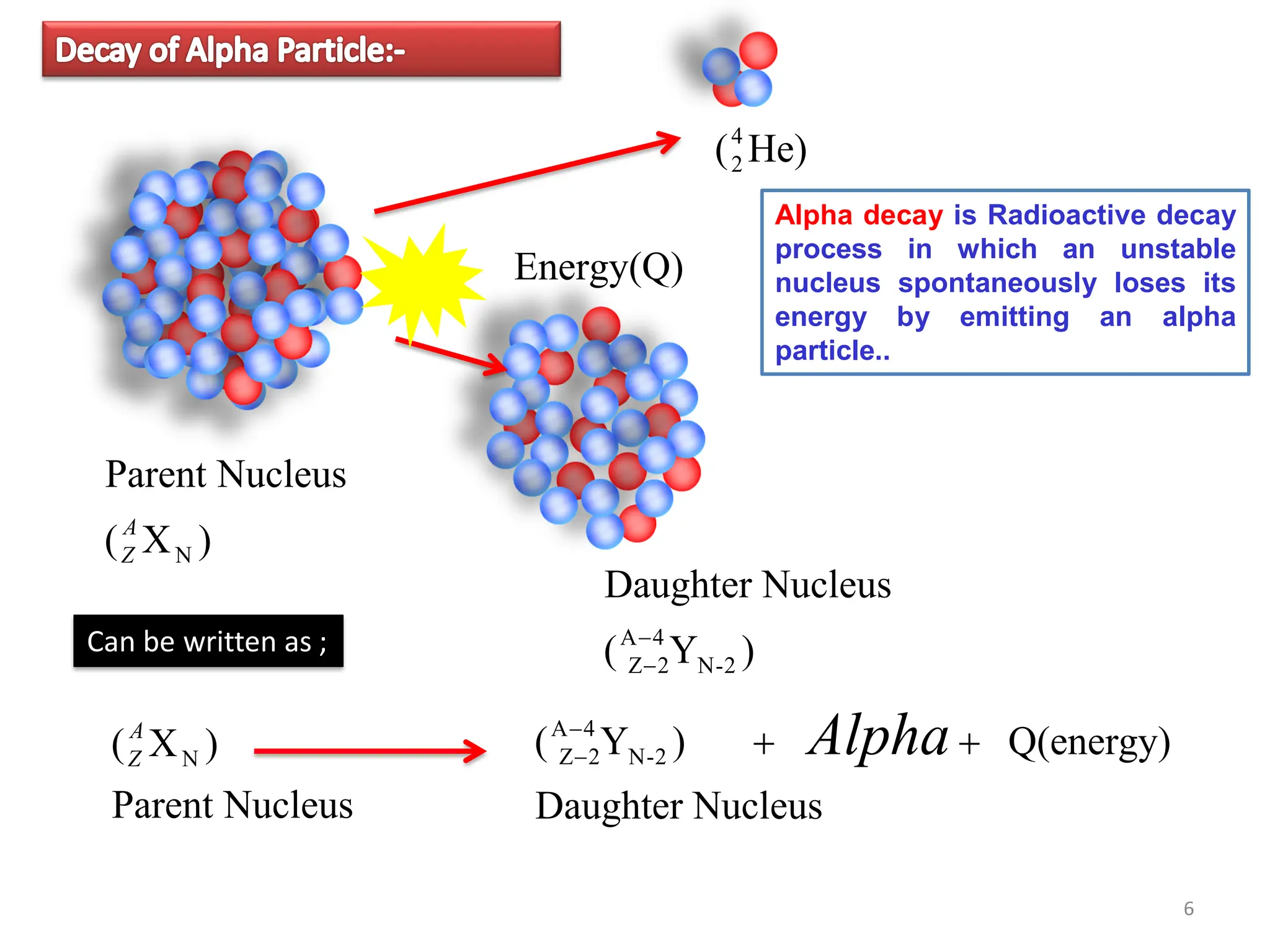
Alpha decay, a form of radioactive decay in which an atomic nucleus emits an alpha particle, is a natural physical process foundational to several common household safety devices and industrial applications. While the term may sound abstract or exclusively laboratory-based, alpha-emitting isotopes like Americium-241 are essential components in millions of homes worldwide, primarily serving as the detection mechanism in ionization smoke alarms. Understanding how this process functions helps clarify its safety profile, the necessary maintenance protocols for such devices, and the regulatory standards governing their use in residential environments.
The Physics of Alpha Decay in Consumer Technology
At the heart of alpha decay is the instability of a heavy nucleus. To achieve a more stable configuration, the nucleus ejects an alpha particle—a high-energy assembly consisting of two protons and two neutrons, identical to a helium-4 nucleus. Because of their relatively large mass and double positive charge, alpha particles possess high ionizing power but very low penetration capabilities. In the context of a household smoke detector, this physical characteristic is exactly what makes the process effective and safe for consumer use.
In an ionization smoke alarm, a tiny amount of Americium-241 is housed within a small ionization chamber. The alpha particles emitted by the isotope ionize the air molecules between two metal plates, creating a small, constant electrical current. When smoke particles from a fire enter the chamber, they attach to the ions, disrupting the flow of current. The device's internal circuitry senses this drop in current and triggers the alarm. Because alpha radiation is easily blocked by a few centimeters of air or a thin layer of material (such as the outer casing of the alarm or even a sheet of paper), the radiation remains safely contained within the detector housing, posing no risk to occupants under normal operating conditions.
Safety and Operational Requirements
The integration of radioactive isotopes into consumer products is strictly regulated to ensure public health and safety. In the United States, for instance, the Nuclear Regulatory Commission (NRC) oversees the distribution and use of radioactive materials in commercial goods. Devices containing alpha emitters must meet rigorous design standards before they can be sold to the general public.
Proper Handling and Maintenance
For the average homeowner, the presence of an alpha-emitting source in a smoke alarm requires no special precautions beyond standard maintenance. However, users should adhere to the following guidelines:
- Never Tamper with the Ionization Chamber: The integrity of the alarm relies on the source being sealed within its protective housing. Opening or attempting to modify the interior of the detector can expose the internal components to damage.
- Routine Testing: Follow the manufacturer’s instructions to test the alarm at the intervals specified, typically using the built-in "test" button to verify the circuitry and siren function.
- Cleaning: Dust and debris can interfere with the sensitivity of the chamber. Use a vacuum with a soft brush attachment or a dry cloth to gently clean the vents of the alarm periodically, ensuring the air intake remains unobstructed.
- Replacement Cycles: Smoke alarms have a finite service life, usually 10 years, due to the degradation of electronic components and the slow decay of the radioactive source. Once an alarm reaches its expiration date as marked by the manufacturer, it must be replaced to ensure continued reliability.
Comparative Overview of Smoke Detection Technologies
Understanding the role of alpha decay is easier when comparing it to alternative technologies. Ionization detectors, which rely on the alpha-emitting source, are generally more effective at detecting the small, invisible particles produced by fast-flaming fires. Conversely, photoelectric alarms are more sensitive to the larger, smoldering particles often associated with slow-burning fires.
| Feature | Ionization (Alpha Decay) | Photoelectric | Dual-Sensor |
|---|---|---|---|
| Detection Method | Radioactive Isotope | Light Beam Scattering | Both |
| Best For | Fast-flaming fires | Smoldering fires | All fire types |
| Maintenance | Regular vacuuming | Regular vacuuming | Regular vacuuming |
| Regulatory Status | NRC/EPA Regulated | Not radioactive | Regulated/Compliant |
| Typical Lifespan | 10 Years | 10 Years | 10 Years |
Environmental Considerations and Disposal
Because devices like ionization smoke detectors contain small amounts of radioactive material, they cannot be treated as standard household waste in many jurisdictions. Disposing of these items in a regular trash bin can lead to the material ending up in landfills or incinerators, where it is not handled according to specific radiological protocols.
Steps for Responsible Disposal:
- Check Local Regulations: Many municipalities have designated household hazardous waste (HHW) collection days where smoke detectors are accepted.
- Manufacturer Take-Back Programs: Some companies offer mail-back programs for the end-of-life disposal of their ionization alarms. Check the product packaging or the company website for instructions.
- Retailer Recycling: Certain hardware retailers partner with environmental programs to collect used detectors.
- Avoid Improper Disposal: Never dismantle the alarm to remove the battery or the radioactive cell if it has been damaged. If the device is intact, standard disposal at a hazardous waste facility is sufficient.
Addressing Common Concerns
Users often express concern regarding the "radioactive" label on packaging. It is important to distinguish between the presence of a radioactive source and the risk of radiation exposure. The amount of Americium-241 in a residential alarm is remarkably small—usually around 0.9 microcuries. This quantity is meticulously measured and is insufficient to cause harm, provided the device remains intact.
Furthermore, the decay of Americium-241 into Neptunium-237 over long periods does not change the safety status of the unit. The radiation levels remain effectively shielded by the structure of the alarm and the surrounding air. In 2026, the guidance from national safety agencies remains consistent: the life-saving benefit of an early-warning smoke alarm far outweighs the negligible risk posed by the contained radioactive source.
Frequently Asked Questions
Is it safe to have an alpha-emitting smoke alarm in my bedroom? Yes. The alpha particles produced by the Americium-241 source are not capable of penetrating the plastic casing of the detector or even a few inches of air. There is no risk of radiation exposure to occupants of the room under normal usage.
Does an expired smoke alarm become more dangerous? An expired alarm is not necessarily dangerous in terms of radiation leaks, but it is unreliable in terms of fire detection. As the radioactive source decays and the electronic components age, the device may fail to trigger an alarm during a fire, which is the primary risk factor.
Can I see the alpha decay process happening? No. Alpha particles are invisible to the naked eye. The ionization process is microscopic and is only detected by the alarm’s internal electrical circuitry.
Why are some smoke detectors labeled as "non-radioactive"? Some newer models use photoelectric technology exclusively, which relies on light-scattering sensors rather than ionization. These models do not contain radioactive isotopes, which is a design preference for some manufacturers and consumers.
What happens if I break the alarm casing? If the casing is cracked or the ionization chamber is compromised, you should stop using the device. Place it in a plastic bag to prevent any dust from the internal components from spreading, and contact your local waste management authority to learn about proper hazardous material disposal.
Next Steps for Home Fire Safety
To maximize protection, conduct a fire safety audit of your home in 2026. Verify that you have functional smoke alarms on every level of the residence and inside every sleeping area. Check the expiration dates on the back of your current units. If your devices are nearing the end of their 10-year lifespan, or if they lack a clear date, replace them with modern, certified units. Whether you choose ionization, photoelectric, or dual-sensor models, the most critical step is ensuring they are installed according to manufacturer instructions and tested regularly. Integrating these simple tasks into your annual home maintenance checklist ensures your safety systems remain effective for their intended purpose.