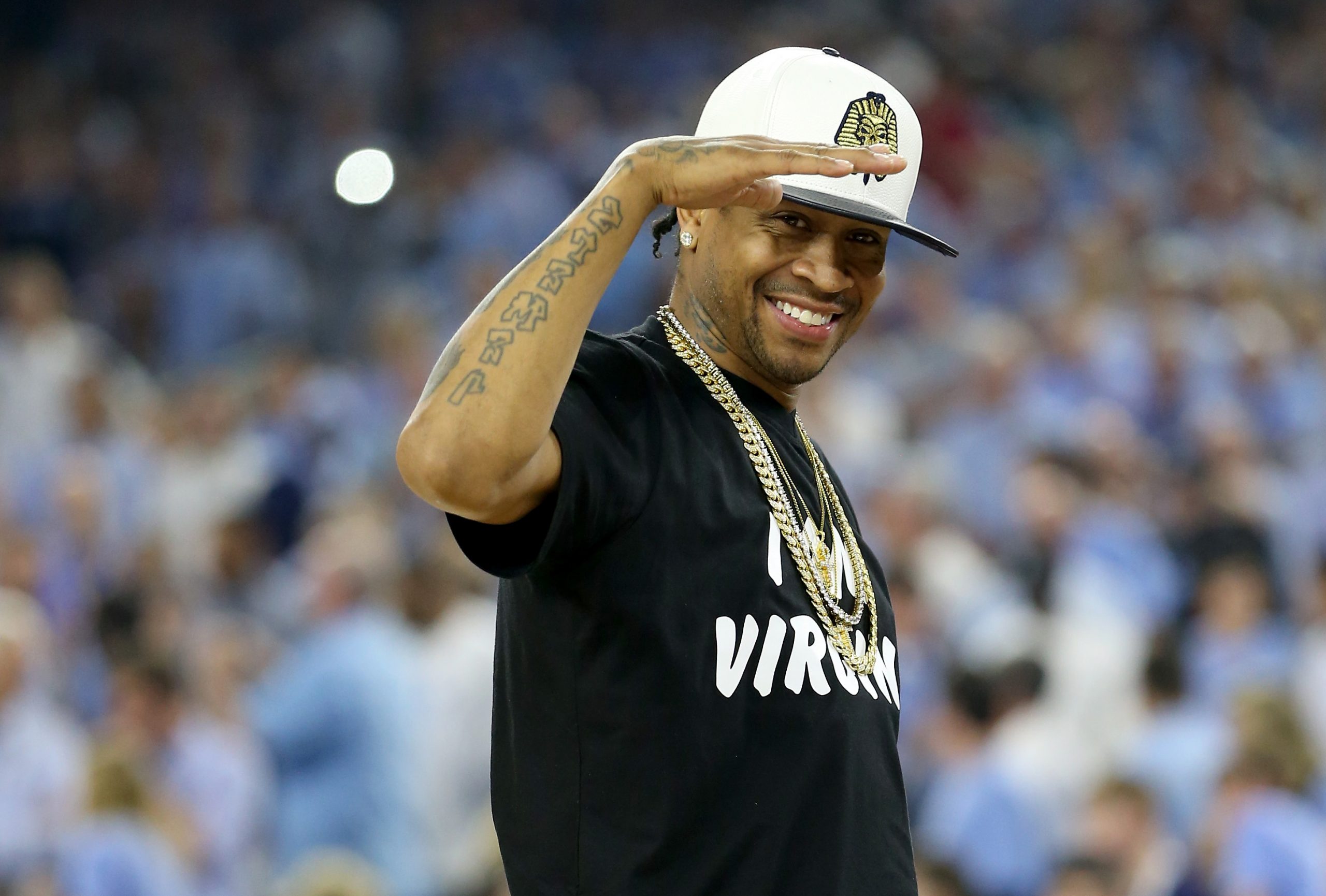
In 2026, Allen Iverson’s financial narrative serves as one of the most significant case studies in professional sports history, illustrating the transition from a 2017 period of property defaults and legal battles to a stabilized wealth structure. While Iverson faced a highly publicized mortgage default on his Georgia estate, his current net worth is anchored by a strategic $32 million Reebok trust fund and a robust NBA pension.
Allen Iverson, the "Answer" and a Hall of Fame guard whose career redefined the NBA's cultural footprint, has seen his financial status fluctuate wildly over the last two decades. From earning over $150 million in NBA salary to facing foreclosure proceedings that culminated in the late 2010s, his story is often misunderstood as one of total loss. However, as we look at his situation in 2026, the reality is a complex mix of deferred assets, lifetime endorsements, and the aftermath of high-stakes litigation.
The 2017 Financial Context: Moving Beyond the Georgia Foreclosure
The year 2017 represented a pivotal moment for Iverson’s public financial persona. While the initial headlines regarding his $4.5 million mansion in Alpharetta, Georgia, began years earlier, the legal and financial fallout of his mortgage defaults remained a central topic of discussion throughout 2017.
The primary property in question was a massive 10,000-square-foot estate. Following a series of missed payments and a struggle to restructure the debt, the home was eventually sold at a foreclosure auction. By 2017, Iverson had transitioned away from the high-overhead lifestyle of maintaining multiple multi-million dollar properties, but the stigma of "going broke" persisted in the media.
This period of default was not merely about a lack of cash; it was a symptom of a broader liquidity crisis. Iverson’s wealth was tied up in legal disputes, divorce settlements, and high monthly expenses that outpaced his immediate income. The 2017 timeframe saw Iverson focusing more on brand appearances and the launch of the BIG3 basketball league, which provided a new stream of revenue to help stabilize his daily operations while he waited for his long-term investments to mature.
The Alpharetta Estate: A Case Study in Real Estate Default
To understand the 2017 context, one must look at the mechanics of the mortgage default that defined his real estate struggles. The Georgia mansion featured nine bedrooms, an indoor pool, and a professional-grade gym. Purchased during his peak earning years, the property became a financial liability when his playing career ended.
Mortgage default occurs when a borrower fails to meet the legal obligations of the loan, typically missing consecutive monthly payments. For a high-net-worth individual like Iverson, these defaults are often the result of "lifestyle creep"—the gradual increase in spending as income rises—combined with a sudden drop in liquid earnings after retirement.
The foreclosure on the Alpharetta property was a non-judicial process, which is standard in Georgia. This allowed the lender to sell the property at auction without a court order, provided the proper notice was given. The loss of the home was a public signal of Iverson's financial distress, but it also served as a "reset" point, allowing him to shed a high-maintenance asset that no longer fit his post-career budget.
The Reebok "Life Raft": The $32 Million Trust Fund
The most critical component of Allen Iverson’s net worth in 2026 is his legendary lifetime deal with Reebok. Signed in 2001 at the height of his MVP powers, the contract included a unique provision that has essentially saved him from the fate of many other bankrupt athletes.
Reebok established a $32 million trust fund that Iverson cannot access until he reaches the age of 55. As of 2026, Iverson is 51 years old, meaning he is only four years away from the full disbursement of this principal.
Structure of the Reebok Deal
- Annual Payouts: While the $32 million principal remains locked, the deal provides Iverson with roughly $800,000 annually for life. This steady stream of income has been his primary source of liquidity since his retirement from the NBA.
- The Divorce Split: It is important to note that due to a 2013 divorce settlement with his ex-wife, Tawanna Iverson, the $32 million trust is not entirely his. Upon his 55th birthday, the sum will be split, with Tawanna reportedly entitled to half the amount.
- Marketing Obligations: Even in 2026, Iverson remains an active ambassador for the brand, appearing at global events and influencing the design of retro sneaker releases.
This trust fund acts as a "spendthrift trust," a legal arrangement designed to protect a beneficiary from their own spending habits or from creditors. By making the principal inaccessible for decades, Reebok and Iverson’s advisors ensured he would have a significant "second act" of wealth in his later years.
Current Net Worth Analysis (2026)
In 2026, Allen Iverson's net worth is estimated to be approximately $1 million in liquid assets, but his total valuation is significantly higher when accounting for the present value of his future trust disbursement.
Calculations of celebrity net worth often fail to account for the difference between cash on hand and deferred assets. While Iverson does not have the hundreds of millions he earned during his playing days, he is far from the "broke" status often attributed to him.
Financial Snapshot: Allen Iverson (2026 Estimates)
| Asset/Income Stream | Estimated Value/Annual Amount | Status |
|---|---|---|
| NBA Career Earnings | $154,000,000 | Expended/Legal Costs |
| Reebok Trust Fund (Total) | $32,000,000 | Matures in 2030 (Age 55) |
| Annual Reebok Stipend | $800,000 | Recurring Income |
| NBA Pension | ~$8,000–$10,000 per month | Active Since Age 45 |
| BIG3 League Salary | $150,000+ | Occasional Coaching/Appearance |
| Personal Brand/Apparel | Variable | Active Licensing |
The Impact of the NBA Pension System
A significant but often overlooked contributor to Iverson’s 2026 financial stability is the NBA pension. The NBA has one of the most generous pension plans in professional sports, specifically designed to assist players in their post-retirement years.
Having played 14 seasons in the league, Iverson qualifies for the maximum pension benefit. Players can begin drawing from this fund at age 45, though the monthly amount increases if they wait until age 62. Given his public financial struggles in the mid-2010s, it is widely believed Iverson began drawing his pension as soon as he became eligible in 2020.
For a player with Iverson's tenure, the pension can provide over $100,000 annually, adjusted for inflation. When combined with his $800,000 annual Reebok payout, Iverson’s guaranteed yearly income exceeds $900,000—a figure that keeps him firmly in the upper class of American earners, despite the previous mortgage defaults.
Spending Habits and Lessons in Wealth Management
The story of Iverson's 2017 mortgage default is a cautionary tale regarding the "burn rate" of professional athletes. At his peak, Iverson was known for his extreme generosity, often supporting a large "posse" of friends and family members.
Factors in the Depletion of Wealth
- Legal Fees: Numerous lawsuits, ranging from nightclub altercations to complex divorce proceedings, drained millions in liquid capital.
- Asset Maintenance: Large estates like the one in Alpharetta required tens of thousands of dollars monthly in taxes, insurance, and upkeep, which became unsustainable without a $20 million NBA salary.
- Lack of Diversification: Early in his career, Iverson’s wealth was primarily in cash and lifestyle assets (cars, jewelry) rather than income-generating investments or a diversified stock portfolio.
In the years leading up to 2026, Iverson has noticeably simplified his lifestyle. By moving away from the massive estates that led to his 2017 default and focusing on appearances and brand partnerships, he has aligned his expenses with his current income streams.
The Role of the BIG3 and Modern Revenue Streams
Iverson’s involvement in the BIG3 basketball league, founded by Ice Cube, provided both a financial boost and a platform for continued relevance. Although his time as an active player in the league was brief, his role as a coach and brand ambassador helped bridge the gap during his leanest financial years.
Additionally, the boom in the sports memorabilia and "retro" sneaker markets has kept Iverson’s brand value high. In 2026, the "Question" and "Answer" sneaker lines remain top-sellers for Reebok, ensuring that his marketing value remains intact even decades after his last NBA game. This cultural staying power is a form of "intangible net worth" that allows him to command high fees for speaking engagements and public appearances.
FAQs About Allen Iverson’s Finances
Did Allen Iverson lose all his money?
No, Allen Iverson did not lose all of his money, though he faced a severe liquidity crisis around 2012–2017. While he spent much of his $154 million NBA salary, his $32 million Reebok trust fund and his NBA pension have ensured he has a steady income and a significant future windfall.
Why did he default on his mortgage in 2017?
The 2017 default issues were the culmination of several years of financial mismanagement and the burden of maintaining high-value properties without a steady NBA-level income. The loss of his Georgia home was a strategic, albeit forced, reduction in his monthly overhead.
How much does Reebok pay him every year?
As part of his lifetime contract, Reebok pays Allen Iverson approximately $800,000 per year. This is a separate payment from the $32 million trust fund that he will inherit when he turns 55.
What is the status of the $32 million Reebok trust?
The trust is scheduled to be released to Iverson in 2030 (when he turns 55). However, per his divorce settlement, approximately half of that amount is designated for his ex-wife, Tawanna.
Is Allen Iverson currently wealthy in 2026?
By standard measures, yes. While he does not possess the massive liquid wealth of current NBA superstars, his guaranteed annual income of nearly $1 million and a pending multi-million dollar trust fund release place him well above the average American in terms of financial security.
How does his net worth compare to other retired NBA players?
Iverson’s net worth is lower than contemporaries like Shaquille O'Neal or Grant Hill, who transitioned into highly successful business and broadcasting careers. However, his financial trajectory is much more stable than players who did not have the benefit of a "spendthrift trust" like the one provided by Reebok.
Practical Recommendation: Financial Resilience and Asset Protection
For fans and observers of Iverson’s journey, the primary takeaway is the importance of deferred compensation and asset protection. Iverson’s 2017 mortgage default could have been the final chapter of his financial story if not for the forward-thinking structure of his Reebok contract.
If you are managing high-value assets or experiencing a significant change in income, consider the following:
- Downsize Proactively: Don't wait for a foreclosure auction to shed assets you can no longer afford. Selling a property voluntarily preserves credit and equity.
- Establish Spendthrift Protections: Locking away a portion of wealth for later in life—through annuities, trusts, or pensions—is a proven safeguard against early-career volatility.
- Consult Specialized Advisors: Professional athletes and high-net-worth individuals require financial planners who understand the "short window" of high earnings and the long duration of retirement.
As Allen Iverson approaches the release of his trust fund in 2030, his journey from the 2017 housing crisis to his current 2026 stability remains a powerful lesson in the necessity of long-term financial planning.