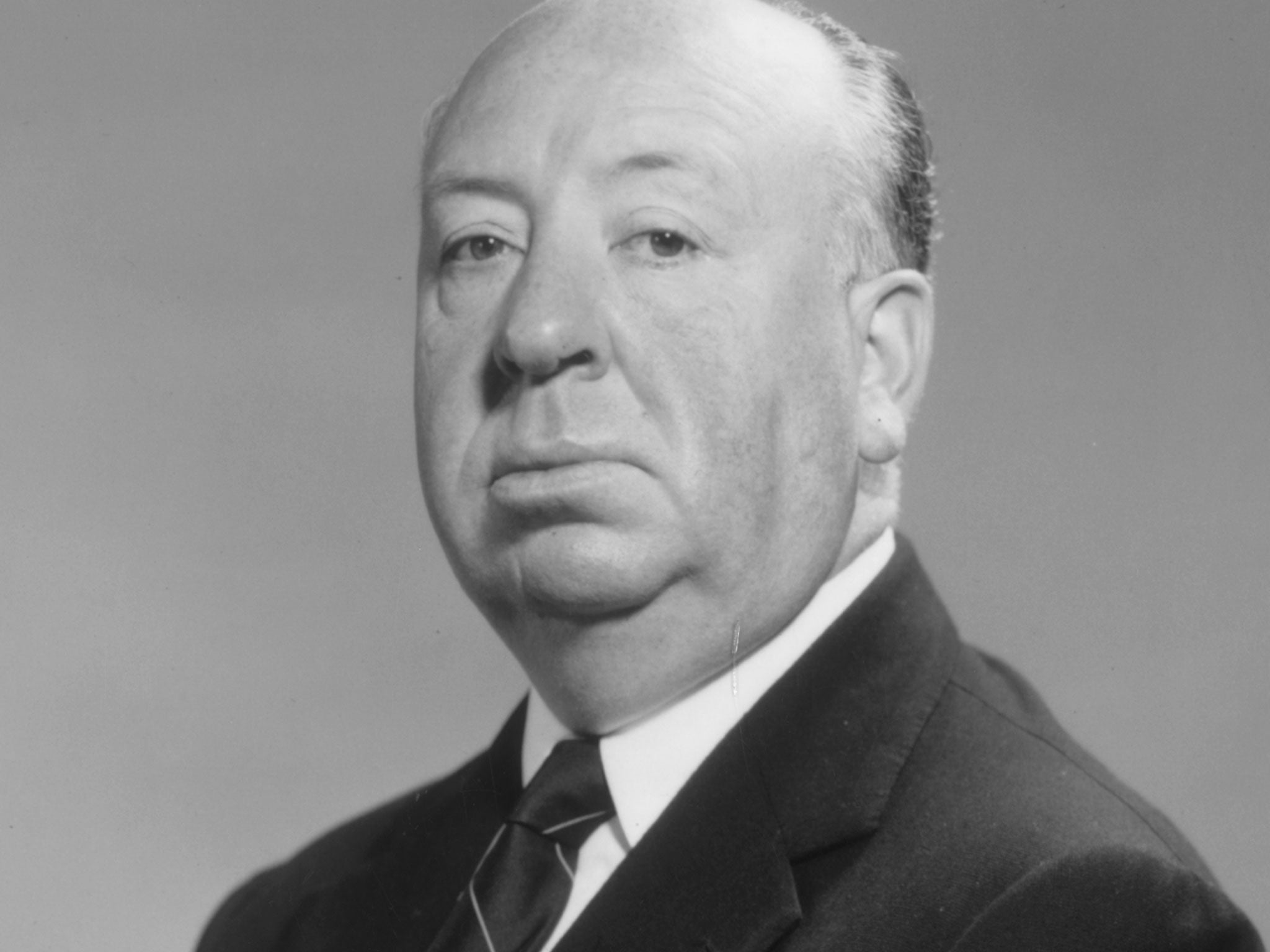
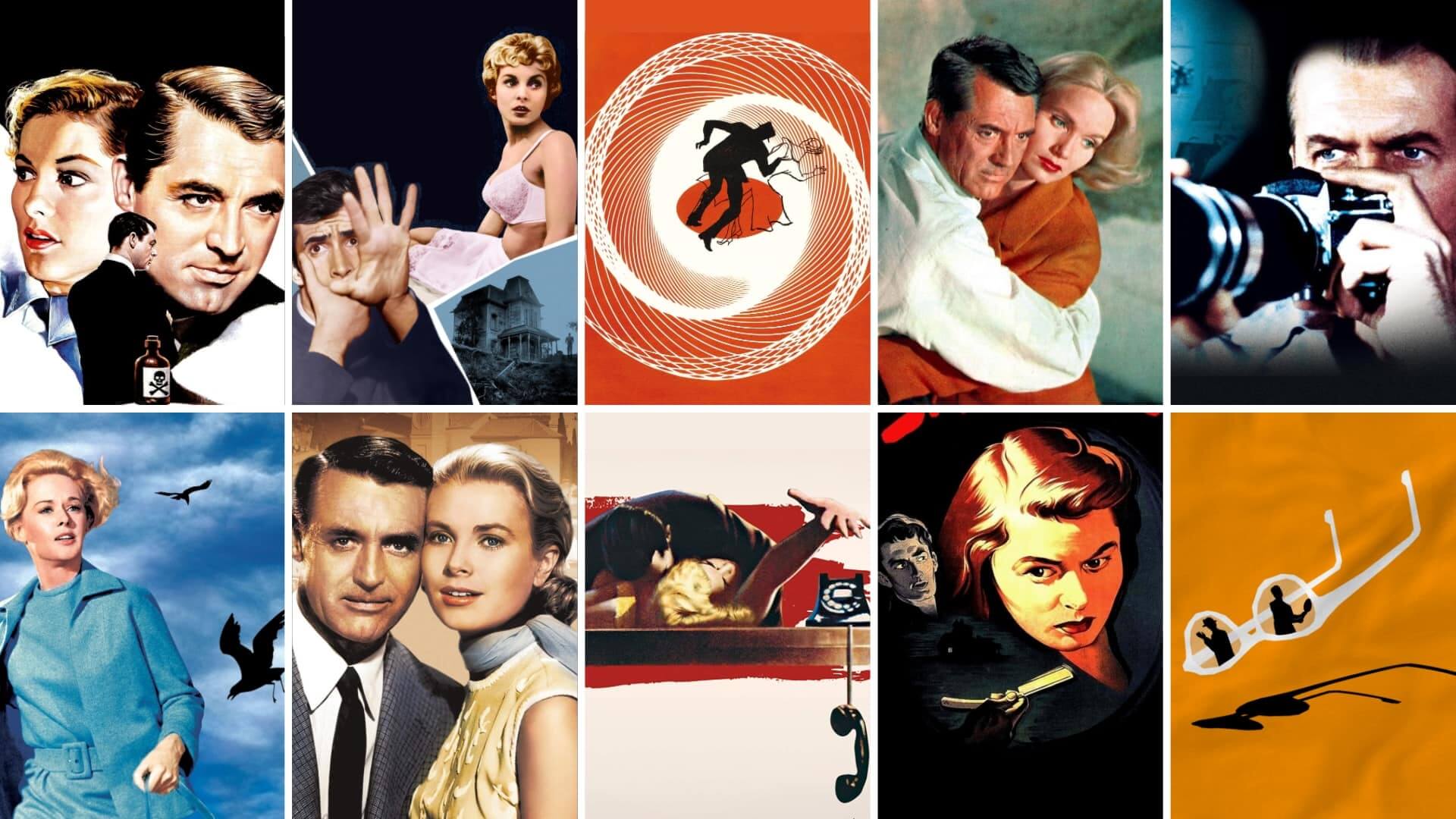
Alfred Hitchcock never directed a biographical film or documentary about the Wisconsin murderer and grave robber Ed Gein. The persistent belief that he did stems from his 1960 masterpiece Psycho, which was adapted from Robert Bloch’s 1959 novel. While Bloch took loose thematic inspiration from Gein's 1957 arrest, Hitchcock adapted a work of fiction, creating a psychological thriller fundamentally distinct from Gein’s actual crimes.
The Enduring Myth: Untangling Alfred Hitchcock from Ed Gein
Few misconceptions in cinematic history are as stubborn as the claim that Alfred Hitchcock brought the gruesome story of Edward Theodore Gein to the silver screen. In popular horror trivia and casual true-crime discourse, Hitchcock is frequently credited with dramatizing the horrifying discoveries uncovered at Gein's Plainfield, Wisconsin farm in November 1957.
This assumption is factually incorrect. Hitchcock never set out to chronicle Gein’s life, never acquired the rights to Gein’s case files, and never directed a true-crime dramatization. The project Hitchcock chose to helm in late 1959 was an adaptation of an existing piece of pulp suspense fiction: Robert Bloch’s novel Psycho.
The confusion endures because modern audiences often conflate three distinct cultural artifacts:
- The real-life criminal investigation of Ed Gein in late 1950s rural Wisconsin.
- Robert Bloch’s literary novel about an isolated motel owner dominated by an inner maternal presence.
- Alfred Hitchcock’s landmark cinematic adaptation, which reshaped the novel's protagonist to subvert audience expectations through pure cinematic suspense.
Understanding why Alfred Hitchcock did not make a film about Ed Gein requires tracing the artistic lineage of Psycho, examining how Robert Bloch engaged with the headlines of his era, and analyzing the vast differences between historical reality and Hitchcockian cinema.
The Chain of Inspiration: How Robert Bloch Created Norman Bates
To understand Hitchcock’s distance from Gein, one must first look at Robert Bloch. In 1957, Bloch was an established author of fantasy, horror, and mystery fiction living in Weyauwega, Wisconsin, a small community located approximately 35 miles east of Plainfield.
On November 16, 1957, Plainfield hardware store owner Bernice Worden vanished. The subsequent investigation led local authorities to the dilapidated farmstead of Ed Gein, a 51-year-old handyman. What police discovered shocked the nation: Gein had not only murdered Worden and a tavern operator named Mary Hogan, but he had spent years exhuming female corpses from local cemeteries. Driven by an obsession with his deceased, fanatically religious mother, Augusta, Gein had engaged in necrophilic mutilation and fashioned household items, upholstery, and apparel from human skin and bone.
Bloch observed the community's reaction with professional fascination. However, Bloch was not writing an investigative exposé. As he later clarified in interviews and his 1993 autobiography Once Around the Bloch, he had conceived the core psychological premise of Psycho—a reclusive, middle-aged man living under the psychic shadow of a domineering mother—before the full, grotesque details of the Gein case became public knowledge.
When the news of Gein’s arrest broke, Bloch was struck not by the specific forensic details, but by the social geography of the crime. Gein was a quiet, unassuming bachelor whom neighbors considered eccentric but harmless. Bloch realized that the ultimate horror was not an exotic monster, but the neighbor next door living an unsuspected dual life behind closed curtains.
Bloch deliberately avoided researching the clinical specifics of the Gein trial while writing his novel. He wanted to invent a compelling fictional pathology rather than recreate a real criminal's life. He completed the manuscript in 1958, and Simon & Schuster published Psycho in 1959. Thus, even the literary source material was an original psychological fiction loosely informed by local atmosphere, not a docudrama about the Plainfield crimes.
Hitchcock’s Adaptation Process: From Bloch’s Novel to the Screen
Alfred Hitchcock did not discover the story of Norman Bates through local news reports from Wisconsin. In the late spring of 1959, Hitchcock read a review of Bloch’s novel in the New York Times Book Review. Looking to break away from the glossy, high-budget technicolor thrillers he had been directing for Paramount—most recently North by Northwest (1959)—Hitchcock saw Psycho as an opportunity to experiment with low-budget filmmaking techniques pioneered by low-end B-movies and his own television production crew from Alfred Hitchcock Presents.
Hitchcock purchased the screen rights to Bloch’s novel through an intermediary for a modest sum (reportedly $9,500). Legend has long held that Hitchcock ordered his assistant, Peggy Robertson, to buy up as many copies of the novel as possible to protect the narrative twist, though its commercial availability remained widespread.
- 1957: Ed Gein Arrested in Plainfield, WI
- Atmospheric / Thematic Influence
- 1958–1959: Robert Bloch Writes & Publishes Novel "Psycho"
- Adaptation Rights Purchased
- 1959–1960: Alfred Hitchcock & Joseph Stefano Develop Film
- Final Cinematic Work
- 1960: Release of Hitchcock's "Psycho" (Fictional Horror)
When Hitchcock brought screenwriter Joseph Stefano on board to craft the screenplay, their artistic objectives diverged even further from anything resembling the Ed Gein case:
- Redefining Norman Bates: In Bloch’s novel, Norman Bates was closer to an older, unappealing archetype: a pudgy, middle-aged, bespectacled alcoholic who dabbled in the occult and taxidermy. Hitchcock and Stefano radically overhauled this concept. They cast 27-year-old Anthony Perkins, transforming Bates into a handsome, soft-spoken, emotionally vulnerable young man whom the audience would instinctively pity and root for.
- The Narrative Pivot: Hitchcock's primary creative interest was narrative misdirection. He spent the first third of the movie engrossing the audience in Marion Crane’s (Janet Leigh) embezzlement scheme, only to violently remove her from the narrative in the iconic shower scene. The film's construction was an exercise in cinematic montage, audience manipulation, and pure form—not an exploration of rural Midwestern forensic psychology.
- A Shift in Pathology: Hitchcock and Stefano discarded the novel’s occult musings and focused on Freudian family drama, emotional arrest, and a split personality caused by extreme guilt and psychological trauma.
Hitchcock shot the film on the Universal-International backlot using his television crew, wrapping production in early 1960. When Psycho premiered in New York on June 16, 1960, it revolutionized the modern horror genre, but it bore virtually no structural, biographical, or geographical resemblance to the life and crimes of Edward Gein.
Norman Bates vs. Ed Gein: A Direct Psychological and Criminal Analysis
To demonstrate definitively why Hitchcock’s film cannot be considered a depiction of Ed Gein, one must examine the stark contrasts between the fictional Norman Bates and the historical Ed Gein across their criminal methods, psychological profiles, and physical activities.
1. Modus Operandi and Victim Selection
- Ed Gein: Gein’s primary activity was not serial homicide. He was primarily a grave robber. Between 1947 and 1952, Gein made an estimated 40 nocturnal visits to local graveyards, exhuming freshly buried bodies of middle-aged women who reminded him of his late mother. He committed two confirmed murders: Mary Hogan in 1954 and Bernice Worden in 1957. Both victims were older local women whom he shot with small-caliber firearms.
- Norman Bates: Norman Bates is an active serial killer whose violence is triggered by sexual attraction. Whenever Norman feels desire toward a woman—such as Marion Crane—the dominant "Mother" alternate personality perceives this attraction as a threat and acts out violently using a chef's knife. Bates does not rob graves, exhume strangers, or target middle-aged shopkeepers.
2. Physical Evidence and Artifacts
- Ed Gein: The horrors of the Gein farm involved extensive, grotesque craftwork using human remains. Gein constructed wastebaskets made of human skin, chair seats upholstered with flesh, skulls mounted on bedposts, and a full "woman suit" fashioned from tanned human skin that he wore around his home to simulate becoming his mother.
- Norman Bates: Bates maintains a normal, if taxidermy-filled, Victorian house. The single physical horror in the Bates household is the mummified, preserved corpse of Norma Bates, seated in the cellar. Norman does not harvest skin, create macabre household utensils, or wear human flesh; he merely dresses in his deceased mother's vintage wardrobe and dons a grey wig when the "Mother" personality takes control.
3. Legal and Clinical Outcomes
- Ed Gein: Following his arrest in 1957, Gein was evaluated by multiple psychiatric teams and diagnosed with schizophrenia. Found unfit to stand trial, he was committed to the Central State Hospital for the Criminally Insane in Waupun, Wisconsin. In 1968, doctors determined he was competent to stand trial; he was found guilty of first-degree murder for the death of Bernice Worden, but legally insane at the time of the crime. He spent the rest of his life in institutional psychiatric facilities, dying of respiratory failure secondary to lung cancer at the Mendota Mental Health Institute in 1984.
- Norman Bates: At the conclusion of Hitchcock’s film, Bates is evaluated by a forensic psychiatrist, Dr. Richmond, who delivers a dramatic monologue explaining Norman’s dual personality disorder (Dissociative Identity Disorder, in modern clinical terms). The film ends with Bates sitting in a police holding cell, his identity entirely consumed by the persona of "Mother.""
Comparative Breakdown: The Real Case vs. Literature vs. Hitchcock’s Cinema
The following table highlights the differences among the real-world criminal, Robert Bloch’s literary character, and Alfred Hitchcock’s cinematic creation:
| Attribute | Edward Theodore Gein (Real Life) | Norman Bates (Bloch's 1959 Novel) | Norman Bates (Hitchcock's 1960 Film) |
|---|---|---|---|
| Primary Location | Plainfield, Wisconsin | Rural Fairvale (fictionalized) | Fairvale, California (highway route) |
| Physical Appearance | Middle-aged, wiry, unkempt, weathered rural laborer | In his 40s, overweight, bespectacled, balding, disheveled | Late 20s, tall, handsome, slender, boyish, charismatic |
| Primary Offenses | Necrophilia, grave exhumation, two firearm murders | Matricide, serial knife homicides, voyeurism | Matricide, serial knife homicides, voyeurism |
| Mutilation / Artifacts | Human skin suits, masks, skull bowls, furniture upholstery | Taxidermy practice only; preserved mother's corpse | Taxidermy practice only; preserved mother's corpse |
| Victims' Demographics | Middle-aged rural women (corpses and murder victims) | Young women visiting the motel; town investigator | Young women visiting the motel; private investigator |
| Weapon of Choice | .22-caliber rifle, .32-caliber revolver | Butcher knife | Large chef's knife |
| Psychiatric Finding | Schizophrenia, sexual deviance, legal insanity | Severe psychosis, multiple personalities, alcoholism | Dissociative dual personality, pathological grief |
| Ultimate Fate | Died of natural causes at Mendota Mental Health Institute (1984) | Institutionalized in an asylum for the criminally insane | Institutionalized in a secure holding facility |
The True Ed Gein Cinema: Films That Actually Adapted the Plainfield Crimes
While Alfred Hitchcock did not make a film about Ed Gein, the Plainfield atrocities profoundly altered the horror genre. Multiple filmmakers directly adapted, dramatized, or visibly mirrored Gein's life across subsequent decades.
1. Deranged (1974)
Directed by Alan Ormsby and Jeff Gillen, Deranged (subtitled The Confessions of a Necrophile) is one of the closest direct narrative adaptations of the Ed Gein story produced during the 20th century. The film stars Roberts Blossom as "Ezra Cobb," a middle-aged rural Midwesterner who lives under the tyrannical rule of his religious mother. When she dies, Cobb preserves her corpse, exhumes freshly buried bodies from the town cemetery, and gradually begins killing living women to harvest skin and anatomical souvenirs. While character names were changed, Deranged adheres closely to the documented details of Gein's life.
2. The Texas Chain Saw Massacre (1974)
Director Tobe Hooper and co-writer Kim Henkel drew direct inspiration from the forensic reports of the Gein farm when designing the Sawyer family farmhouse. Although Leatherface (played by Gunnar Hansen) operates within an entirely fictional narrative of traveling youths ambushed in rural Texas, his signature characteristics—wearing a mask fashioned from dried human face skin, using human bones for household decor, and living in squalor with an older generation of butchers—were directly lifted from the 1957 news photographs of Gein's property.
3. In the Light of the Moon / Ed Gein (2000)
Directed by Chuck Parello and starring character actor Steve Railsback, this production is an explicit, biographical dramatization of Gein's life. Unlike Psycho or The Texas Chain Saw Massacre, this film uses Gein's real name, recreates the Plainfield settings, and focuses heavily on his childhood relationship with his mother, Augusta (played by Carrie Snodgress). The film tracks his grave robbing, the murders of Mary Hogan and Bernice Worden, and his subsequent institutionalization.
4. The Silence of the Lambs (1991)
Jonathan Demme’s Oscar-winning adaptation of Thomas Harris's 1988 novel features the antagonist Jame Gumb ("Buffalo Bill," played by Ted Levine). Harris based Gumb's composite criminal profile on three real-world serial killers: Ted Bundy (using a broken arm cast to lure women into a van), Gary Heidnik (holding victims in an underground pit), and Ed Gein (harvesting skin from female corpses to fashion a tailored "woman suit" to resolve gender dysphoria and maternal identity issues).
Why the Hitchcock-Gein Confusion Persists
The myth linking Hitchcock directly to Gein endures largely due to the casual use of the phrase "based on a true story" in modern entertainment media. In marketing materials, film criticism, and digital video essays, complex chains of artistic influence are frequently collapsed into simplistic soundbites.
Complex Reality:
- Ed Gein Case (1957)
- News Headlines
- Robert Bloch's Novel (1959)
- Stefano's Screenplay
- Hitchcock's Film (1960)
Simplified Pop-Culture Myth:
- Ed Gein Case (1957)
- Directly Depicted
- Hitchcock's Film (1960)
When commentators describe Psycho as being "based on the Ed Gein case," they skip several intermediate steps:
- Bloch invented the characters, plotting, and resolution of Psycho.
- Bloch took only the atmosphere of an unsuspicious rural bachelor hiding a domestic horror from Gein's arrest.
- Hitchcock adapted Bloch's book, deliberately steering the production away from real-world gore toward formal cinematic suspense.
Over time, retrospective documentaries and true-crime retrospectives have reinforced this conflation by showing photographs of Ed Gein alongside clips of Anthony Perkins stepping into the Bates Motel parlor. Without proper historical context, viewers naturally assume Hitchcock deliberately set out to chronicle the Wisconsin butcher.
How to Verify "True Story" Claims in Cinema: A Research Framework
Disentangling cinema from historical reality is an essential skill when evaluating classic and modern horror films. To verify whether a production is an authentic historical depiction, an adaptation of creative fiction, or a composite inspired by multiple sources, use this four-step evaluation method:
- Trace the Primary Literary Provenance: Examine the film's official credits to see whether the screenplay was an original work, a non-fiction adaptation, or an adaptation of a novel. If the film adapts a novel (as Psycho adapted Robert Bloch, or The Silence of the Lambs adapted Thomas Harris), investigate what sources the novelist used before assuming the director adapted historical events.
- Examine Contemporary Production Notes: Look at primary historical documents from the production era, such as production memos, studio press releases, and contemporary interviews. In Hitchcock’s extensive interviews with François Truffaut in 1962, Hitchcock spoke at length about camera mechanics, pacing, audio design, and the shower montage; he never mentioned Ed Gein, because Gein was not relevant to his artistic vision.
- Compare Criminal Forensics Against Cinematic Narrative: Analyze the physical evidence of the historical crime against the onscreen action. When an onscreen killer's methods, victim profiles, weapons, and psychological motives differ entirely from the historical figure (as Norman Bates's knife-wielding matricide differs from Ed Gein's grave exhumations and rifle murders), the film is an artistic work of fiction, not a biographical account.
- Distinguish "Inspired By" from "Based On": Legally and narratively, studios use the term "inspired by" when a screenwriter borrows an abstract concept, single detail, or emotional tone from a headline. The term "based on" implies a narrative foundation built upon documented historical events or biographical texts. Psycho was neither; it was an adaptation of a fictional book that drew loose contextual inspiration from an arrest.
Frequently Asked Questions
Did Alfred Hitchcock ever meet or speak to Ed Gein?
No. Alfred Hitchcock never met, interviewed, or corresponded with Ed Gein. Gein was arrested in Wisconsin in November 1957 and immediately placed into state psychiatric custody. Hitchcock was an internationally famous British director based in Bel Air, California, who worked primarily within the Hollywood studio system. Hitchcock's exposure to the case was strictly indirect through Robert Bloch's novel.
Did Robert Bloch ever interview Ed Gein?
No. Robert Bloch explicitly stated throughout his life that he never interviewed Ed Gein, attended his preliminary hearings, or visited his Plainfield residence. Bloch lived roughly 35 miles away in Weyauwega and relied solely on initial news clippings to spark his imagination. Bloch intentionally avoided reading deep reportage on the case during the composition of Psycho because he did not want real-world legal and forensic facts to constrain his fictional narrative.
What was the first movie directly based on Ed Gein?
The first feature film to directly dramatize the specific criminal activities of Ed Gein was the 1974 independent horror film Deranged, written and co-directed by Alan Ormsby and starring Roberts Blossom as Ezra Cobb. While character names were altered, the film closely tracked Gein's grave robbing, mother fixation, anatomical desecration, and household skin craftwork.
Did Ed Gein ever watch Alfred Hitchcock's Psycho?
There is no reliable historical record indicating that Ed Gein ever saw Hitchcock's Psycho. Following his 1957 arrest, Gein was confined to high-security psychiatric institutions, including Central State Hospital and Mendota Mental Health Institute. While patient recreation occasionally included monitored television or film screenings, institutional records do not document Gein viewing Hitchcock's film, nor did Gein ever publicly comment on the character of Norman Bates.
Which real-life serial killers inspired Norman Bates besides Ed Gein?
Norman Bates was almost entirely an invention of Robert Bloch's literary imagination. While Ed Gein's sudden arrest served as the cultural catalyst proving that a quiet, mild-mannered rural bachelor could harbor monstrous domestic secrets, Bloch did not base Bates on a composite of other real-life serial killers. Later fictional killers—such as Buffalo Bill in The Silence of the Lambs—were composite creations (drawing on Gein, Ted Bundy, and Gary Heidnik), but Norman Bates originated from Bloch’s examination of Freudian psychology, small-town insularity, and mother-son codependency.
Practical Recommendation
When analyzing classic cinema and true-crime history, separate a film's direct source material from ambient historical context. If you want to experience the specific artistic vision Hitchcock brought to the screen, watch his 1960 masterpiece Psycho as a masterclass in film editing, suspense, and psychological thriller mechanics.
If you are researching the historical reality of the 1957 Plainfield investigation, consult verified non-fiction documentation, such as Harold Schechter’s forensic biography Deviant: The Shocking True Story of the Original Psycho, rather than looking for historical accuracy in Hollywood thrillers.