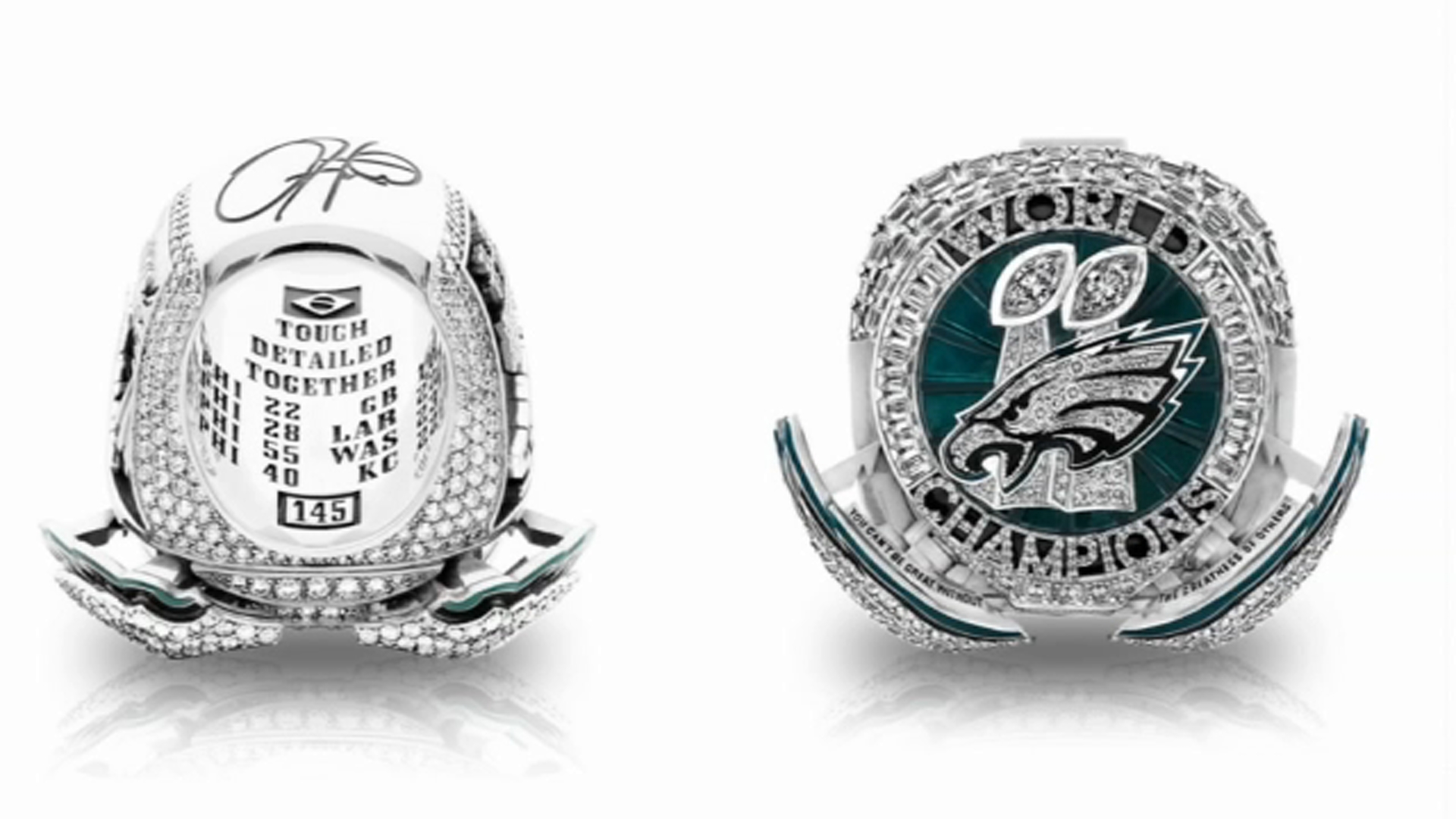
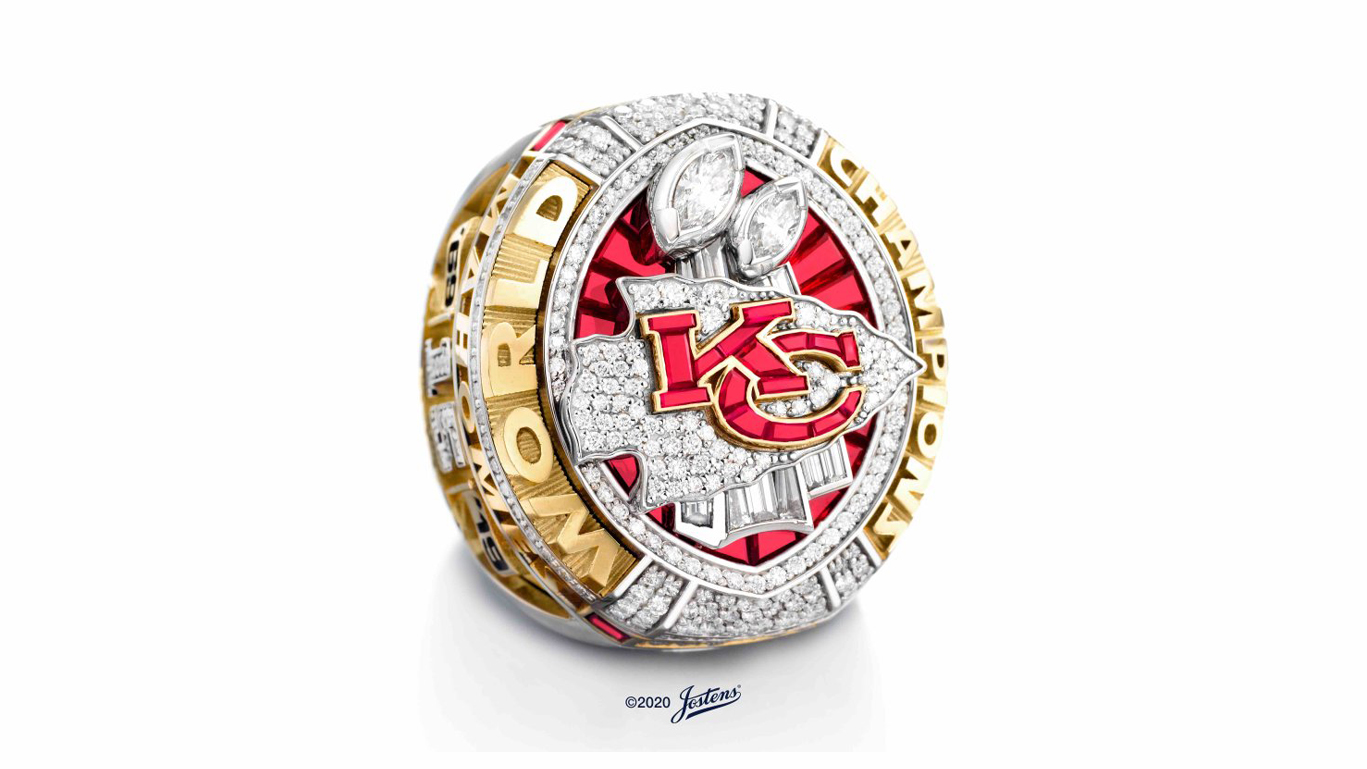
Despite a career defined by resilience, elite efficiency, and a transformation of two different NFL franchises, Alex Smith does not have a Super Bowl ring. While he led the San Francisco 49ers and the Kansas City Chiefs to multiple playoff appearances, he was ultimately replaced or traded just before those teams reached the pinnacle of the sport.
Alex Smith’s career is often cited by NFL analysts as one of the most statistically impressive yet "unlucky" trajectories in modern sports history. From being the first overall pick in the 2005 NFL Draft to his miraculous comeback from a life-threatening leg injury in 2020, Smith remained a winning quarterback. However, the elusive Super Bowl ring remained out of reach due to a combination of ill-timed injuries, the emergence of generational talents behind him, and the volatile nature of NFL roster management.
The San Francisco 49ers Era: A Story of Instability and Near Misses
Alex Smith’s journey began in 2005 when the San Francisco 49ers selected him with the No. 1 overall pick. For the first six years of his career, Smith was the face of a struggling franchise characterized by a "revolving door" of leadership. Between 2005 and 2010, Smith played under three different head coaches and seven different offensive coordinators. This lack of continuity is widely blamed for his slow development and the 49ers' inability to make a deep playoff run during that window.
The 2011 Breakthrough
The arrival of Jim Harbaugh in 2011 changed everything. Smith flourished in a system that emphasized his high football IQ and minimized turnovers. He led the 49ers to a 13–3 record and a legendary Divisional Round victory over the New Orleans Saints—a game often called "The Vernon Post" game.
In that matchup, Smith threw for 299 yards and three touchdowns, including a go-ahead rushing touchdown and the winning pass to Vernon Davis. However, the 49ers lost the following week in the NFC Championship to the New York Giants in overtime. This was the closest Smith came to a Super Bowl as a starter for San Francisco.
The 2012 Concussion and the Rise of Colin Kaepernick
The most heartbreaking "what-if" of Smith’s career occurred in 2012. Smith was having a career-best season, leading the league in completion percentage and boasting a 104.1 passer rating through nine games. During a Week 10 game against the St. Louis Rams, Smith suffered a concussion.
In his absence, backup Colin Kaepernick showcased a dynamic, dual-threat capability that captivated Harbaugh. Even after Smith was medically cleared to play, Harbaugh opted to stick with the "hot hand." Kaepernick led the 49ers to Super Bowl XLVII. Because the 49ers lost to the Baltimore Ravens 34–31, Smith did not receive a Super Bowl ring. Had the 49ers won, Smith would have received a ring as a member of the active roster, but he would not have been the winning quarterback of record.
The Kansas City Chiefs: Architect of a Dynasty He Didn't Finish
In 2013, Smith was traded to the Kansas City Chiefs, a team that had finished 2–14 the previous year. Alongside head coach Andy Reid, Smith immediately turned the franchise around. Over five seasons in Kansas City, Smith led the team to a 50–26 record as a starter and four playoff appearances.
The Stigma of the "Game Manager"
During his tenure in Kansas City, Smith was frequently labeled a "game manager"—a term used to describe a quarterback who doesn't lose games but doesn't necessarily "win" them with explosive plays. While his efficiency was elite (he led the league in passer rating in 2017), the Chiefs struggled to get past the Divisional Round.
Key playoff losses during this era included:
- 2013 vs. Indianapolis Colts: A 45–44 loss where the Chiefs blew a 28-point lead despite Smith throwing for 378 yards and 4 touchdowns.
- 2016 vs. Pittsburgh Steelers: An 18–16 loss where the Steelers won purely on field goals, highlighting the Chiefs' inability to find the end zone in critical moments.
Mentoring Patrick Mahomes
In 2017, the Chiefs drafted Patrick Mahomes. Despite knowing his successor was in the building, Smith had the best season of his career, throwing for 4,042 yards, 26 touchdowns, and only 5 interceptions. However, after a Wild Card loss to the Tennessee Titans, the Chiefs decided to move forward with Mahomes and traded Smith to the Washington Football Team.
The irony of Smith’s career is that he laid the foundational culture for the Chiefs' future success. Two years after Smith left, Mahomes led the Chiefs to a victory in Super Bowl LIV. While Smith is often credited by Mahomes and Reid for his mentorship and leadership, he was no longer on the roster and therefore did not receive a Super Bowl ring from the organization.
The Washington Era and the Miraculous Comeback
Smith’s final chapter in Washington was defined more by survival than by championship pursuit. In November 2018, Smith suffered a gruesome spiral fracture of his tibia and fibula. The injury was complicated by necrotizing fasciitis (flesh-eating bacteria) and sepsis, nearly resulting in the loss of his leg and his life.
After 17 surgeries and a grueling two-year rehabilitation process, Smith returned to the field in 2020. He led Washington to a 5–1 record as a starter and an NFC East title. While Washington made the playoffs, they were defeated by the eventual Super Bowl champion Tampa Bay Buccaneers in the Wild Card round. Smith was unable to play in that game due to a bone bruise in his leg, and he retired shortly after the season.
Comparing Alex Smith to Super Bowl Winning Peers
To understand why Alex Smith has no Super Bowl ring, it is helpful to compare his career trajectory and statistics with contemporaries who did reach the mountain top. The following table illustrates the "efficiency vs. hardware" gap.
| Player | Draft Year | Career Wins | Pro Bowls | Super Bowl Rings | Best Postseason Finish |
|---|---|---|---|---|---|
| Alex Smith | 2005 | 99 | 3 | 0 | NFC Championship (Starter) / Super Bowl Appearance (Backup) |
| Eli Manning | 2004 | 117 | 4 | 2 | Super Bowl Champion (XLII, XLVI) |
| Aaron Rodgers | 2005 | 148+ | 10 | 1 | Super Bowl Champion (XLV) |
| Joe Flacco | 2008 | 99+ | 0 | 1 | Super Bowl Champion (XLVII) |
| Philip Rivers | 2004 | 134 | 8 | 0 | AFC Championship |
Analytical Perspective: The Efficiency Paradox
Statistically, Alex Smith was often superior to quarterbacks with rings. For instance, Smith’s career interception rate (1.6%) is one of the lowest in NFL history, significantly better than Eli Manning’s (3.0%). However, Manning’s ability to produce "high-variance" explosive plays in the 2007 and 2011 playoffs allowed the Giants to overcome elite opponents. Smith’s "low-variance" style was perfect for regular-season consistency but often required a near-perfect defense to succeed in the playoffs.
The Role of "Winning Probability" and Luck
In the NFL, winning a Super Bowl often requires a confluence of luck, health, and timing. Smith experienced the opposite of this "championship luck":
- 2011 Special Teams: In the 2011 NFC Championship, two muffed punts by Kyle Williams gave the Giants the field position needed to win. Smith had no control over these errors.
- 2012 Timing: Had Smith’s concussion occurred three weeks later, or not at all, he likely starts Super Bowl XLVII.
- 2017 Defensive Collapse: In his final playoff game with the Chiefs, Smith left the field with a lead, only to watch the defense surrender 19 unanswered points to the Titans.
Frequently Asked Questions
Did Alex Smith get a ring for being on the 2012 49ers team?
No. Super Bowl rings are only awarded to the winning team. The San Francisco 49ers lost Super Bowl XLVII to the Baltimore Ravens. As a member of the losing team, Smith would have received an NFC Championship ring, but that is not considered a "Super Bowl ring."
Did the Chiefs give Alex Smith a ring for the 2019 season?
No. While many fans and players (including Patrick Mahomes) acknowledged Smith’s role in building the team’s winning culture, NFL rules and standard team practices generally do not allow for the gifting of official Super Bowl rings to players who were not on the roster, practice squad, or injured reserve during the championship season. Smith was under contract with Washington during the Chiefs' 2019 Super Bowl run.
Is Alex Smith in the Hall of Fame?
As of 2026, Alex Smith is a member of the College Football Hall of Fame (for his tenure at Utah), but he has not been inducted into the Pro Football Hall of Fame. While his comeback is legendary and his win-loss record is impressive, the lack of a Super Bowl ring and All-Pro selections makes his induction into Canton a subject of intense debate among voters.
What is Alex Smith doing now in 2026?
Following his retirement in 2021, Smith transitioned into a successful career as a sports analyst. He is widely recognized for his deep tactical knowledge and his ability to explain the nuances of the quarterback position. He also continues his philanthropic work through the Alex Smith Foundation, which focuses on supporting foster youth.
How many playoff games did Alex Smith win?
Alex Smith finished his career with a 2–5 record as a starter in the postseason. His wins came in the 2011 Divisional Round (vs. Saints) and the 2015 Wild Card Round (vs. Texans). His postseason stats are surprisingly strong: 14 touchdowns to only 2 interceptions, and a passer rating of 97.4.
Conclusion: A Legacy Beyond the Ring
Alex Smith does not have a Super Bowl ring, but his career remains a testament to professional integrity and perseverance. He took two of the league’s most dysfunctional franchises—the 49ers of the mid-2000s and the pre-Reid Chiefs—and turned them into perennial contenders.
For readers and fans evaluating Smith’s career, the lack of a ring should be viewed through the lens of team dynamics rather than individual failure. He was the bridge to two different "golden eras" in NFL history. While he never hoisted the Lombardi Trophy himself, he was the essential architect for the teams that eventually did. His 2020 return remains the greatest "win" of his career, far outweighing the hardware he missed out on due to the whims of professional football.