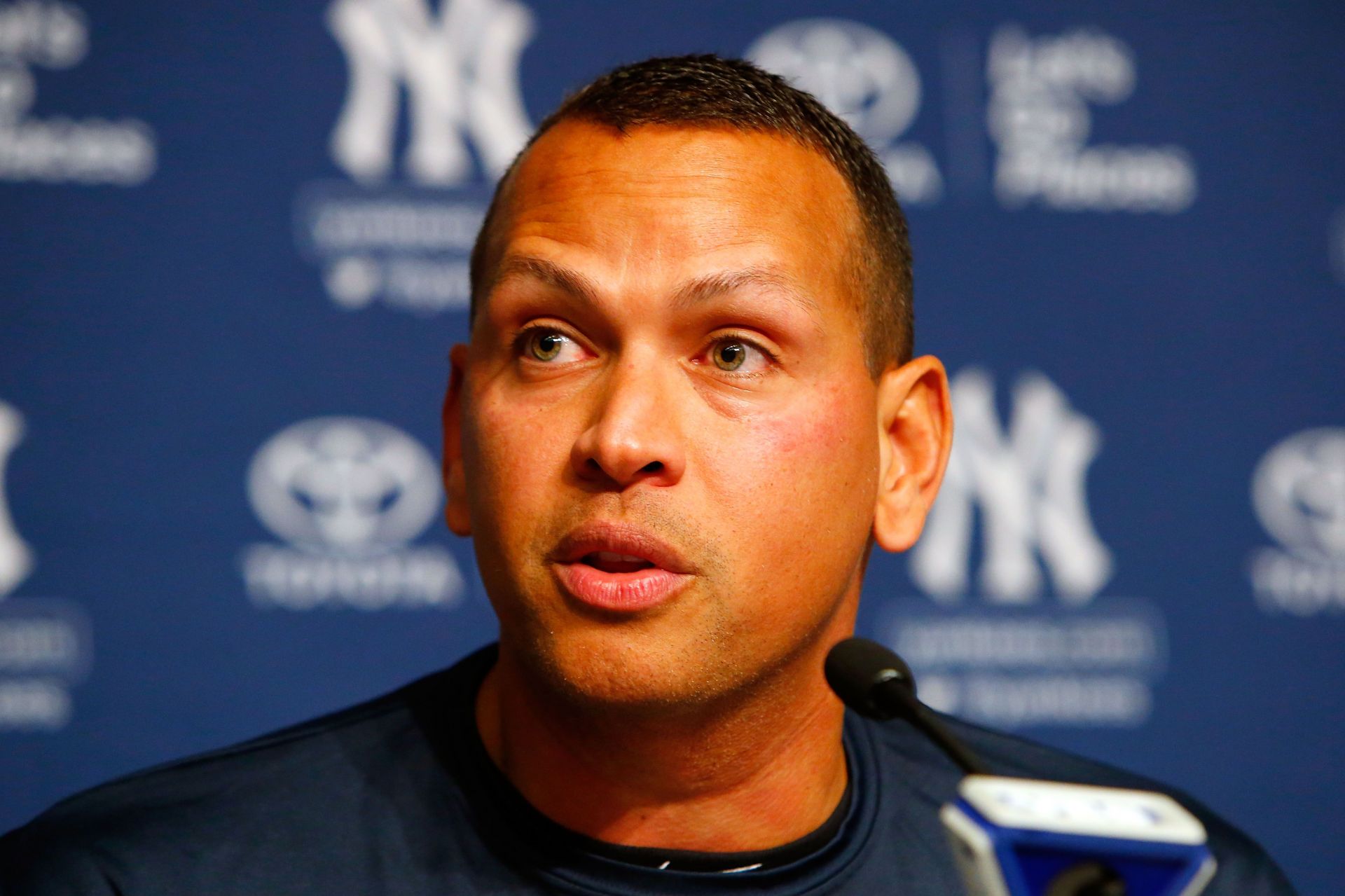
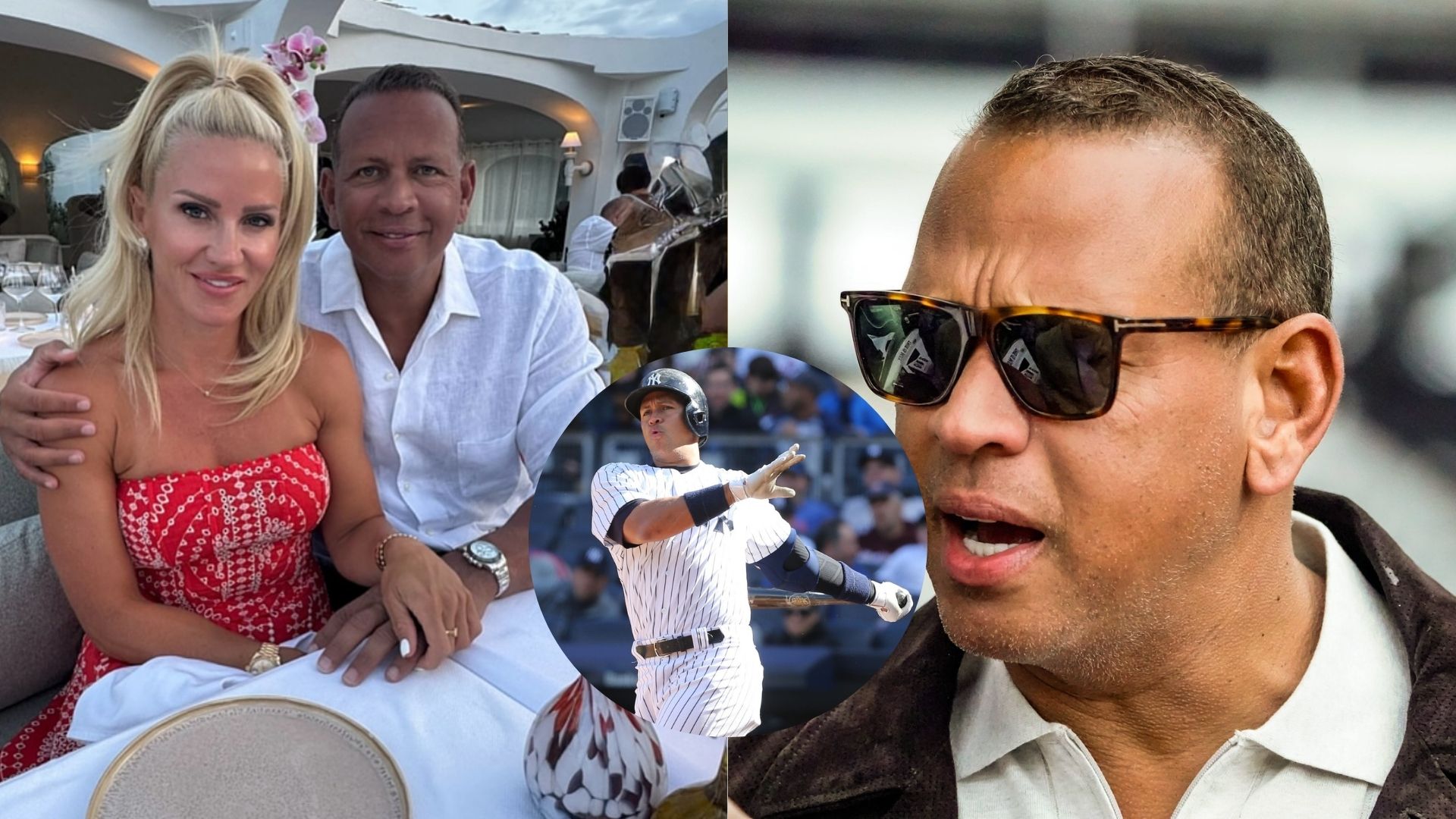
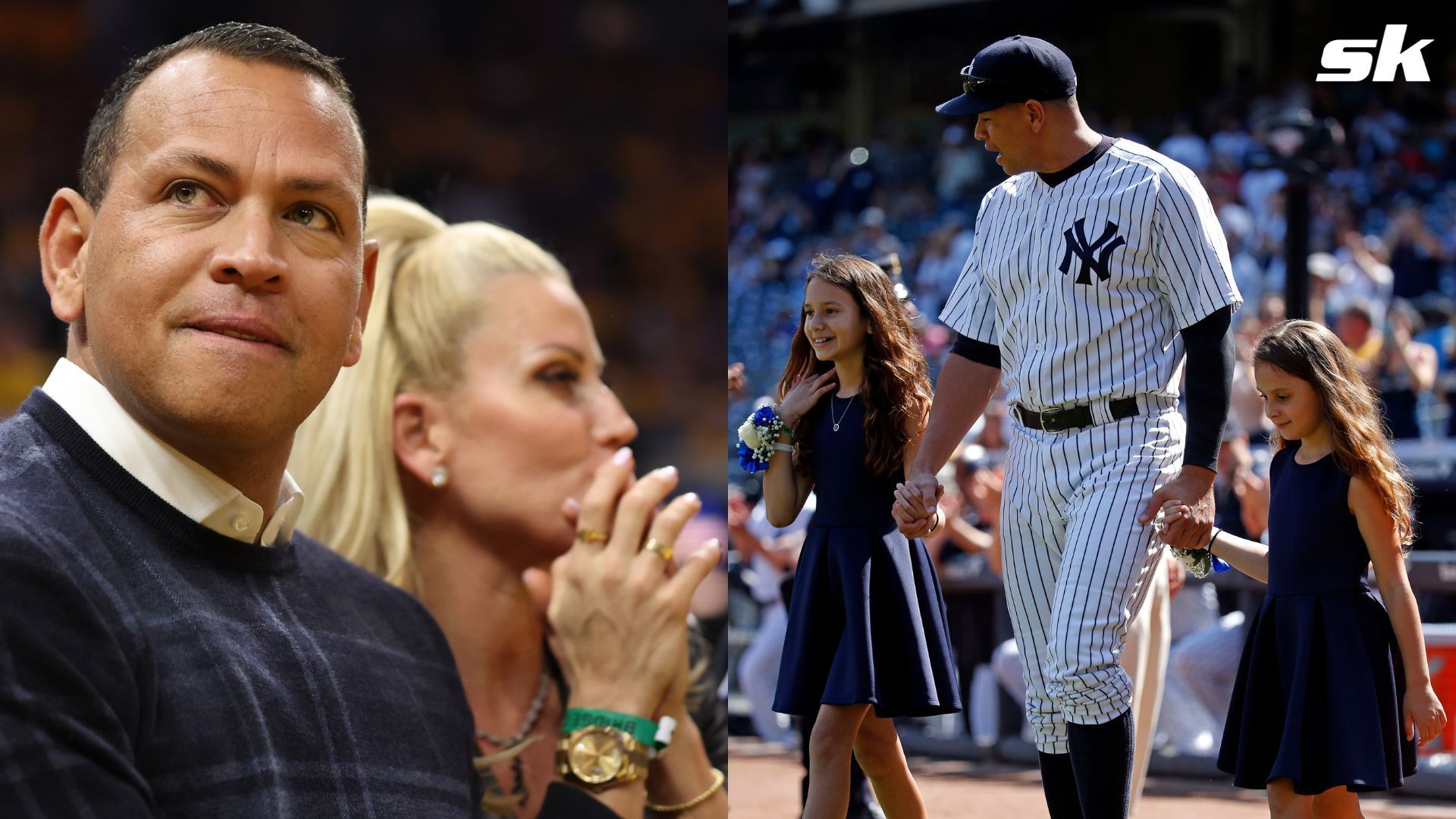
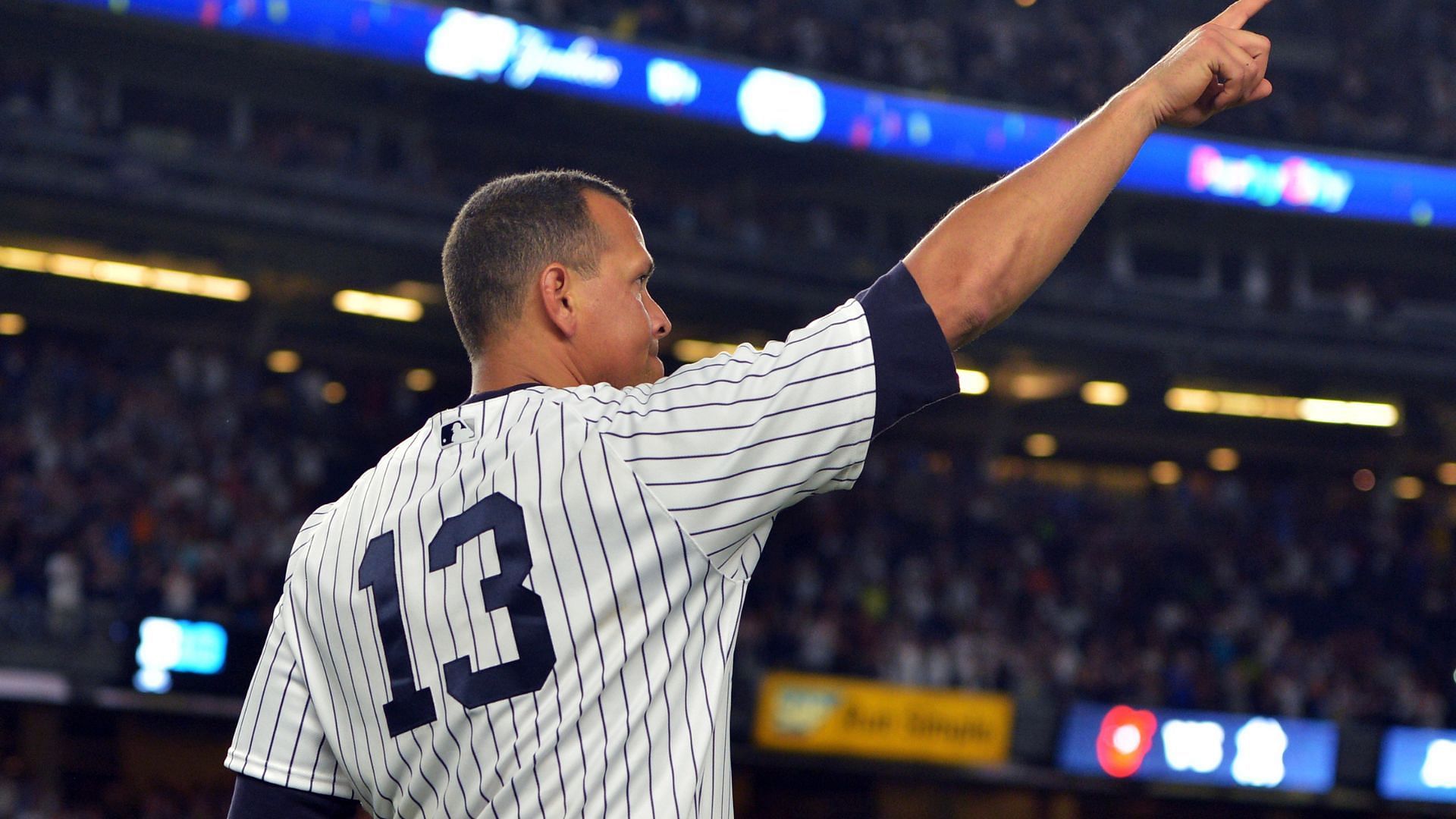
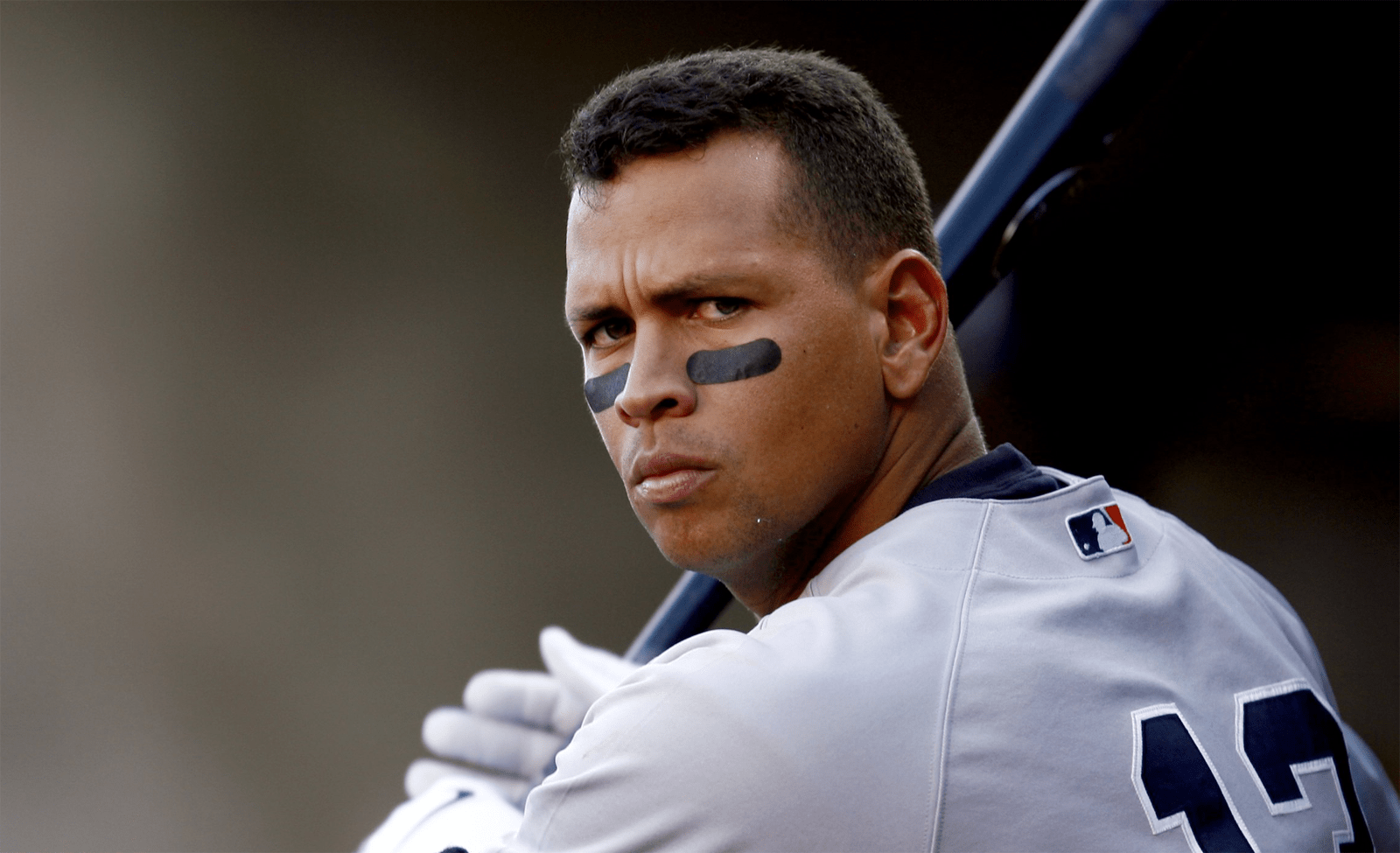
In the history of fantasy baseball, Alex Rodriguez remains the gold standard for five-category production from a premium defensive position. Between 1996 and 2010, Rodriguez was frequently the consensus 1.01 or a top-three overall draft pick, redefining fantasy value through unprecedented power-speed combinations at shortstop and later third base.
Alex Rodriguez, commonly known as A-Rod, was more than just a superstar; he was a foundational pillar for fantasy managers for nearly two decades. To understand "Alex Rodriguez fantasy" is to understand the evolution of the game itself—how a single player could provide the statistical output of two elite performers while occupying a single roster spot. As we look back from 2026, his career serves as the ultimate blueprint for the "five-tool" fantasy asset, a benchmark against which modern stars like Shohei Ohtani and Ronald Acuña Jr. are still measured.
The Early Seattle Years: Building the Five-Tool Prototype
The Seattle Mariners era (1994–2000) established Rodriguez as a fantasy phenom. Before A-Rod, shortstops were generally expected to provide defensive stability and perhaps a high batting average, but rarely significant power. Rodriguez shattered this archetype. In 1996, at just 20 years old, he hit .358 with 36 home runs and 123 RBIs. For fantasy managers, this was a revelation: a shortstop who could win you the batting title and the home run category simultaneously.
His 1998 campaign remains one of the most legendary seasons in fantasy history. By joining the 40/40 club (42 home runs and 46 stolen bases), Rodriguez provided a level of categorical coverage that was virtually impossible to replicate. In standard 5x5 rotisserie leagues, a player who contributes 40+ in both HR and SB essentially allows a manager to "punting" those categories elsewhere or to dominate them entirely. This versatility allowed for immense flexibility in early-round drafting strategies, a luxury that few players have provided in the decades since.
The Texas Peak: Statistical Dominance and High ROI
When Rodriguez signed his record-breaking contract with the Texas Rangers in 2001, many feared a regression. Instead, he entered his statistical prime. The dry air and hitter-friendly confines of the Ballpark in Arlington acted as a catalyst for his power numbers. From 2001 to 2003, A-Rod averaged 52 home runs per season while maintaining a batting average around .300.
For fantasy owners, the Texas years represented the peak of his Return on Investment (ROI). Despite the astronomical "cost" of a first-overall pick, Rodriguez consistently outperformed his draft position. During this era, he wasn't just the best shortstop; he was often the best player in the league, period. His 2002 season, featuring 57 home runs and 142 RBIs with a .300 average, is arguably the greatest fantasy season ever recorded by a middle infielder. The scarcity of power at the shortstop position during this period meant that having A-Rod was a massive competitive advantage, often creating a 20-30 home run surplus over the league average at that position.
Transitioning to the Bronx: The 3B Era and Fantasy Longevity
In 2004, the trade to the New York Yankees necessitated a move to third base to accommodate Derek Jeter. For fantasy managers, this was a significant shift. While 3B was a traditionally deeper offensive position than SS, Rodriguez’s production remained so elite that he simply became the top-ranked third baseman.
His 2007 season in New York is often cited by veteran fantasy players as a "league-winner." He posted a line of .314/.422/.645 with 54 home runs, 156 RBIs, and 24 stolen bases. While his stolen base totals began to decline as he entered his 30s, his elite plate discipline and the high-octane Yankee lineup ensured that his Runs and RBI totals remained at the top of the leaderboards. Even as his physical profile changed, his ability to adapt his approach made him a reliable first-round pick well into his mid-30s.
Historical Comparison: A-Rod vs. Peer Fantasy Greats
To appreciate the "Alex Rodriguez fantasy" impact, one must compare his peak years against other legends of his era. While players like Barry Bonds and Albert Pujols offered similar or superior power and average, they did not offer the stolen base upside from a premium defensive position that A-Rod provided during his first decade in the league.
| Year | Team | HR | SB | RBI | AVG | Fantasy Context |
|---|---|---|---|---|---|---|
| 1998 | SEA | 42 | 46 | 124 | .310 | 40/40 Club; Peak SS value |
| 2002 | TEX | 57 | 9 | 142 | .300 | Maximum power output |
| 2007 | NYY | 54 | 24 | 156 | .314 | Career-high RBI; Elite 3B value |
| 2010 | NYY | 30 | 4 | 125 | .270 | Start of the "veteran" phase |
This table illustrates the shift from a speed-first shortstop to a pure power-hitting third baseman. Even in his "down" years, his RBI production remained elite due to his slot in the batting order and his ability to drive the ball.
PEDs, Suspensions, and Managing Fantasy Risk
No retrospective on Alex Rodriguez is complete without addressing the Performance-Enhancing Drug (PED) scandals and the subsequent 2014 suspension. For fantasy managers, these events introduced a level of "volatility" and "risk management" that had rarely been seen before with a superstar of his caliber.
The 2013 and 2014 seasons were a nightmare for fantasy owners who tried to "buy the dip" on his draft stock. The uncertainty of legal appeals and MLB's disciplinary actions meant that A-Rod was often a wasted roster spot or a late-round gamble that failed to pay off. However, his 2015 comeback season (33 HR, 86 RBI) remains a classic example of a "post-hype sleeper" success. Managers who took a flyer on him in the final rounds of 2015 drafts were rewarded with top-50 production for a minimal investment. This taught the fantasy community a valuable lesson: elite talent often has one last "gasp" of productivity, regardless of age or controversy.
The A-Rod Blueprint in Modern Fantasy Drafting (2026)
As we navigate the fantasy landscape of 2026, the influence of Rodriguez's career is evident in how we evaluate prospects and set draft boards. The hunt for the "next A-Rod" has led to the aggressive drafting of power-speed shortstops like Bobby Witt Jr. and Elly De La Cruz.
Modern fantasy strategies emphasize "positional flexibility" and "categorical floor," both of which were hallmarks of A-Rod's prime. Managers in 2026 look for players who can replicate his 20/20 or 30/30 baseline because that production provides a safety net against injuries elsewhere on the roster. Rodriguez proved that you don't have to sacrifice batting average to get elite power, a concept that remains the holy grail of fantasy baseball scouting.
The Value of the "Triple Crown" Categories
Rodriguez was a perennial threat for the Triple Crown (Avg, HR, RBI). In modern "Savant" and analytics-heavy leagues, some managers overlook the traditional RBI and Runs categories in favor of exit velocity and barrel rates. However, Rodriguez’s career reminds us that playing for high-scoring offenses (like the 2000s Yankees or Mariners) provides a "counting stat floor" that is just as vital as raw power metrics.
Practical Guidance: Lessons from the A-Rod Era
For those looking to apply the "Alex Rodriguez fantasy" philosophy to their current leagues, consider these three core principles:
- Prioritize Multidimensionality Early: Never draft a "one-trick pony" in the first two rounds. If a player hits 40 homers but steals zero bases and hits .240, they are a liability compared to the A-Rod archetype.
- Positional Scarcity Matters: If you can find a shortstop who produces like a first baseman, you effectively gain an extra roster spot's worth of production. This was the "secret sauce" of A-Rod's 1.01 status for over a decade.
- Durability is a Statistic: One of Rodriguez's most underrated fantasy traits was his availability. Between 1996 and 2007, he regularly played 150+ games. In 2026's era of "load management" and frequent IL stints, finding a "workhorse" superstar is more valuable than ever.
Alex Rodriguez Beyond the Diamond in 2026
By 2026, Alex Rodriguez’s transition from player to mogul is complete. As a co-owner of the Minnesota Timberwolves and a lead analyst for major networks, his public persona has shifted, but his "fantasy" legacy is occasionally relevant in the sports betting and player-prop markets. Analysts often use his historical splits to compare current "generational" talents.
Furthermore, his business ventures, including A-Rod Corp, have made him a figure of interest in "celebrity fantasy" or "financial fantasy" circles, where enthusiasts track the net worth and business successes of former athletes. However, for the core baseball fan, he remains the ultimate statistical anomaly—a player whose numbers were so vast they almost felt like a "fantasy" themselves.
Frequently Asked Questions
Was Alex Rodriguez ever the #1 overall pick in fantasy baseball?
Yes, Alex Rodriguez was the consensus #1 overall pick in fantasy baseball for most years between 1998 and 2005. His ability to provide elite home run, stolen base, and batting average numbers from the shortstop position made him the most valuable asset in the game during that span.
How did A-Rod's move to 3B affect his fantasy value?
While his raw numbers remained elite, his relative value decreased slightly because the third base position historically offered more offensive depth than shortstop. However, he remained a first-round talent because his HR and RBI totals were often the best at the "hot corner."
What was Alex Rodriguez's best fantasy season?
Most experts point to his 1998 season (Seattle) or his 2007 season (New York). The 1998 season is favored for its 42 HR / 46 SB "40/40" achievement, while 2007 is noted for its incredible 156 RBIs and 54 home runs.
Is Alex Rodriguez in the Baseball Hall of Fame?
As of 2026, Alex Rodriguez's Hall of Fame status remains a subject of intense debate due to his admitted use of PEDs. While his statistical totals (696 HR, 2,086 RBI) are clearly Hall-worthy, his path to Cooperstown continues to be blocked by voters prioritizing the "character clause."
How many times did A-Rod win the Fantasy MVP?
While "Fantasy MVP" isn't an official MLB award, Rodriguez was the top-ranked player in fantasy value (according to services like Baseball-Reference and ESPN Fantasy) at least five times during his career, most notably in 1996, 1998, 2002, 2003, and 2007.
Final Recommendation for Fantasy Managers
If you are looking to build a winning fantasy team in 2026, use the A-Rod Blueprint: target high-ceiling players at "thin" positions (SS, 2B, C) who contribute in at least four of the five standard categories. Avoid players who are specialists. In the modern game, the "Alex Rodriguez fantasy" ideal is best represented by players who combine elite bat speed with aggressive base running. While we may never see another player dominate the shortstop position for 15 years quite like Rodriguez, his career serves as a masterclass in how to build a statistical juggernaut.