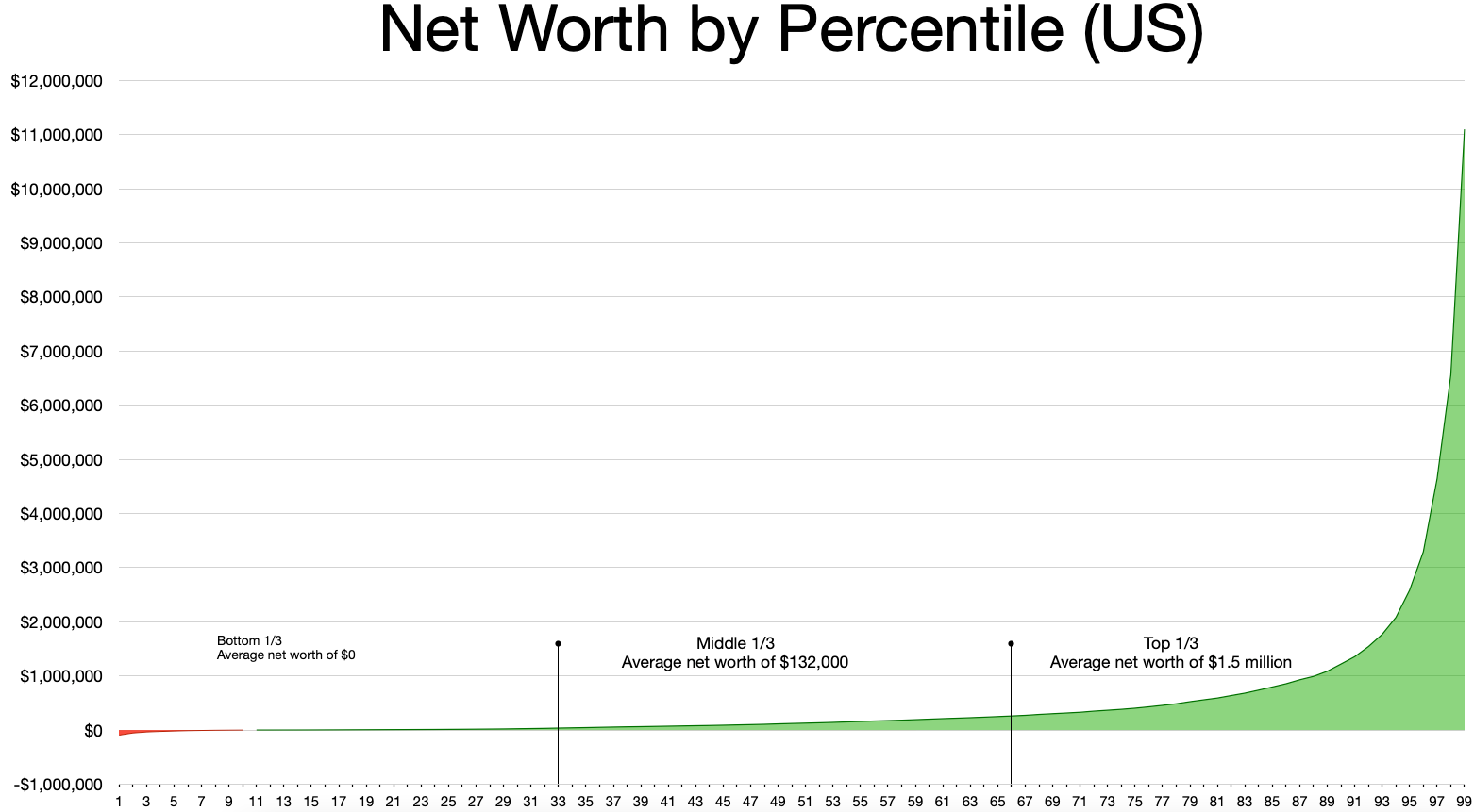
As of 2026, Alan Farley’s net worth is estimated to be between $3 million and $7 million. This valuation is derived from a multi-decade career as a professional trader, best-selling author, and financial educator. Rather than stemming from a single windfall, his wealth reflects the cumulative success of his signature publication, "The Master Swing Trader," long-term editorial roles at major financial outlets, and his personal capital gains within the equities markets.
The Professional Architecture of Alan Farley’s Wealth
To understand Alan Farley’s net worth in context, one must look beyond simple bank balances and examine the structural components of his professional life. Farley is not merely a retail trader; he is a foundational figure in the world of technical analysis and swing trading. His financial standing is a byproduct of three distinct revenue pillars: intellectual property, financial journalism, and active market participation.
The Intellectual Property Pillar: "The Master Swing Trader"
The primary engine of Farley’s public profile and a significant contributor to his long-term wealth is his 2000 publication, The Master Swing Trader: Tools and Techniques to Profit from Outstanding Short-Term Trading Opportunities. In the context of the early 2000s, this book was revolutionary. It moved beyond simple "buy and hold" strategies, offering a technical framework for navigating market cycles.
The book has remained a staple in trading libraries for over a quarter-century. Its longevity ensures a steady stream of royalties. In the publishing world, a "perennial seller" in a niche as lucrative as finance can generate six-figure sums over a decade in passive income. Furthermore, the book served as a "lead magnet" for his high-ticket educational services and speaking engagements at global trading expos, where appearance fees for veteran traders often range from $5,000 to $20,000 per event.
Financial Journalism and Media Syndication
Farley’s wealth is also anchored by his prolific output as a contributor to major financial platforms. For years, he was a marquee voice for TheStreet.com, founded by Jim Cramer, and a senior contributor to Investopedia.
In the 2026 media landscape, veteran financial editors with Farley’s pedigree command significant compensation. These roles often involve:
- Retainer-based columns: Consistent monthly income regardless of market performance.
- Syndication rights: Payments for content reused across various global financial portals.
- Brand ambassadorships: Leveraging his reputation to validate trading software and brokerage tools.
By diversifying his income through media, Farley protected his net worth from the inherent volatility of the markets. While a bad trading month might deplete a personal account, a steady editorial contract provides a financial floor that many "pure" traders lack.
Analyzing the "Context" of Trading Net Worth
When discussing the net worth of a professional trader like Alan Farley, "context" refers to the difference between liquid trading capital and total net equity. In the trading community, it is a common mistake to confuse a trader’s "bankroll" (the money they risk daily) with their "net worth" (their total assets minus liabilities).
Trading Capital vs. Personal Assets
Professional traders of Farley’s caliber typically operate with a clear separation of funds. His estimated net worth includes:
- The Trading Nut: The core capital used to execute swing trades. For a veteran of his status, this account likely sits in the mid-seven figures to allow for proper position sizing and risk management.
- Real Estate and Diversified Investments: Wealthy traders often move profits out of the market and into "hard" assets like residential property or index funds to hedge against a "black swan" event in their primary trading sector.
- Digital Assets and IP: The valuation of his brand, The Hard Right Edge, and the continuing digital rights to his educational videos and courses.
The Impact of Market Cycles on Valuation
It is important to note that a trader’s net worth is more fluid than that of a corporate executive. As of 2026, the equity markets have seen significant shifts in volatility regimes. Farley’s specialty—identifying pattern cycles and breakout points—thrives in volatile environments. Therefore, his net worth likely saw a substantial uptick during the market corrections of the early 2020s, where swing trading techniques outperformed stagnant long-term portfolios.
The Technical Foundation: How He Built the Value
Alan Farley didn't accumulate wealth through luck; he did so through the rigorous application of technical indicators. Understanding these tools provides context for the sustainability of his wealth. If a trader's net worth is built on a repeatable system, it is considered more "stable" than wealth built on speculative "meme stock" gains.
Key Strategies That Defined His Career
- The 200-Day Exponential Moving Average (EMA): Farley famously uses this as a "line in the sand" for long-term trend health.
- Pattern Cycles: He popularized the idea that markets move through specific stages (expansion, climax, contraction, and troughs). By timing his entries at the start of an expansion phase, he maximized his "Profit per Trade" ratio.
- The "Hard Right Edge": This concept refers to the current price bar on a chart—the point of maximum uncertainty. Farley’s ability to teach others how to navigate this edge created a massive demand for his educational products.
| Category | Estimated Contribution to Net Worth | Primary Source |
|---|---|---|
| Active Trading | 50% - 60% | Personal Equities & Options Accounts |
| Author Royalties | 15% - 20% | McGraw-Hill Education (The Master Swing Trader) |
| Media & Editorial | 15% - 20% | TheStreet, Investopedia, Private Consulting |
| Educational Courses | 5% - 10% | The Hard Right Edge Digital Products |
Comparative Standing in the Trading Industry
To put Alan Farley’s net worth in a broader 2026 context, we must compare him to other archetypes in the financial world. He does not possess the billion-dollar net worth of hedge fund titans like Ken Griffin or Paul Tudor Jones. However, those individuals manage institutional capital (OPM - Other People's Money).
Farley represents the "Elite Independent Trader." In this niche, a net worth in the $3M–$7M range is considered highly successful. It represents "financial freedom"—the ability to live a high-end lifestyle while having enough liquid capital to weather any market storm. Unlike many "finfluencers" who flaunt rented Ferraris, Farley’s wealth is grounded in decades of documented work and peer-reviewed technical strategy.
Potential Limitations and Risks to Valuation
While Farley’s career has been robust, any net worth analysis must consider potential headwinds.
- Algorithmic Competition: In 2026, high-frequency trading (HFT) and AI-driven bots have made swing trading more difficult for humans. The "alpha" (excess return) that was easily available in 2000 is now harder to capture.
- Market Saturation: There are now thousands of trading educators. Farley’s "first-mover advantage" has diluted over time, though his legacy status acts as a protective moat for his brand.
- Privacy: Because Farley operates largely as a private trader and independent contractor, the exact amount of his liquid cash remains speculative. He does not oversee a publicly traded firm that requires SEC Form 4 filings for his personal transactions.
Expert Guidance: Lessons from Farley’s Financial Path
For those looking to emulate Alan Farley’s wealth-building journey, several key takeaways emerge. His net worth is a testament to the power of diversified expertise.
- Don't Just Trade; Teach: By turning his trading knowledge into a book, Farley created a secondary income stream that was decoupled from his daily P&L (Profit and Loss).
- Build a Personal Brand: The Hard Right Edge became a recognizable name in the industry, allowing him to command higher fees for his time.
- Focus on Mastery, Not Gambling: His wealth was built on technical setups that have been back-tested over decades. This disciplined approach prevents the catastrophic losses that often wipe out retail traders.
FAQs About Alan Farley's Career and Wealth
Is Alan Farley still active in the markets in 2026?
Yes, Alan Farley continues to analyze market cycles and contribute to financial discourse. While he may have reduced his intraday trading frequency in favor of longer-term swing positions, his presence on technical analysis platforms remains significant. His strategies have been adapted for modern 2026 volatility, proving the durability of his original pattern-cycle theories.
How much does Alan Farley make from his books today?
While "The Master Swing Trader" was released years ago, it remains a "Top 10" recommendation in most professional trading circles. In 2026, royalty checks for such a foundational text typically contribute between $20,000 and $50,000 annually, depending on international sales and updated digital editions.
What is the most reliable source for Alan Farley's net worth?
There is no single official public record for the net worth of private traders. The most reliable estimates are synthesized from his book sales data, historical salary ranges for "Senior Contributors" at major financial publications, and industry standards for professional trading account sizes.
Did Alan Farley lose money during major market crashes?
Like all traders, Farley has experienced losses. However, the "context" of his net worth is built on risk management. His strategy emphasizes tight stop-losses and avoiding "climax" phases of a trend. This disciplined approach likely allowed him to preserve capital during the 2008, 2020, and mid-2020s market corrections while many of his peers were liquidated.
Does Alan Farley manage a hedge fund?
No, Alan Farley is primarily known as a proprietary trader (trading his own capital) and an educator. He has focused his career on empowering the individual retail trader rather than managing institutional portfolios, which is a key reason his net worth is measured in the millions rather than the billions.
Final Recommendation for Investors and Traders
When evaluating the net worth of a figure like Alan Farley, the most valuable "asset" to observe is his methodology. For the modern investor in 2026, the takeaway is clear: Sustainable wealth in the markets is rarely the result of a single "moonshot" trade. Instead, it is the result of building a brand, diversifying income through media and education, and applying a rigorous technical framework to every trade.
If you are looking to grow your own net worth, focus on the "Farley Model": develop a repeatable technical skill, document it (through writing or video), and use that expertise to build a platform that pays you even when the markets are closed.