The history of the Akita Inu is a millennia-long saga that traces the breed’s evolution from ancient Japanese hunting companions known as Matagi-inu to their modern status as a revered National Monument. Originally bred for big-game hunting in northern Japan, the breed survived near-extinction during World War II to become a global symbol of loyalty and resilience.
Ancient Origins: The Matagi-inu of Northern Japan
The story of the Akita Inu begins in the rugged, mountainous regions of the Akita Prefecture on the island of Honshu. For centuries, the ancestors of the modern Akita were known as Matagi-inu, or "esteemed hunter dogs." These early canines were the indispensable partners of the Matagi, a traditional class of winter hunters who pursued Ussuri brown bears, Yezo sika deer, and wild boar through deep snow and dense forest.
These ancestral dogs were medium-sized, spitz-type animals characterized by erect ears, curled tails, and thick double coats designed to withstand sub-zero temperatures. Unlike the massive Akita Inus seen in 2026, the original Matagi-inu were leaner and more agile, prioritizing stamina over sheer bulk. They worked in pairs—usually a male and a female—to track and bay large predators until the hunters could arrive.
The isolation of the Akita region played a crucial role in preserving the breed's genetic integrity for hundreds of years. Because the mountains were difficult to traverse, the Matagi-inu remained relatively unchanged by outside influences, cementing the foundational traits of bravery, independence, and unwavering loyalty that define the breed today.
The Meiji Restoration and the Era of Dog Fighting
The late 19th century brought radical change to Japan and its native dogs. During the Meiji Restoration (1868–1912), Japan opened its borders to the West, leading to the introduction of European and Asian breeds. Unfortunately, this period also saw a rise in the popularity of dog fighting in the town of Odate, Akita Prefecture.
To create more formidable fighters, breeders began crossing the native Matagi-inu with larger foreign breeds, including:
- Tosa Inus (Japanese fighting dogs)
- English Mastiffs
- Great Danes
- Saint Bernards
This crossbreeding significantly altered the physical appearance of the breed. The dogs became much larger and heavier, often losing the distinct spitz-like "fox" face and the tightly curled tail that characterized the original mountain dogs. By the early 20th century, the pure Japanese Akita was on the verge of disappearing, replaced by a hybrid often referred to as the "Shin-Akita" or New Akita.
The Preservation Movement and National Recognition
As the 20th century dawned, a wave of Japanese nationalism sparked a renewed interest in preserving the country’s indigenous heritage, including its native dog breeds. In 1927, the Akita Inu Hozonkai (AKIHO), or the Akita Inu Preservation Society, was founded in Odate. Its primary mission was to reverse the effects of crossbreeding and restore the Akita to its original Japanese form.
In 1931, the Japanese government officially designated the Akita Inu as a Natural Monument of Japan. This was a pivotal moment in Akita Inu history, as it provided the breed with legal protection and government-sponsored conservation efforts. Under the guidance of researchers like Dr. Shozaburo Watase, the movement sought out the most "pure" specimens—those that still exhibited the triangular eyes, curled tails, and thick coats of the Matagi ancestors—to serve as the foundation for the restored breed.
Hachiko: The Dog Who Saved a Breed
While institutional efforts were vital, it was a single dog named Hachiko who captured the heart of the nation and ensured the Akita's survival. Born in 1923, Hachiko was an Akita owned by Professor Hidesaburo Ueno of Tokyo Imperial University. Every day, Hachiko would walk with his owner to Shibuya Station and wait for his return in the evening.
When Professor Ueno died suddenly at work in 1925, Hachiko continued to wait at the station every afternoon for the next nine years, nine months, and fifteen days. His story was published in a major newspaper in 1932, turning the Akita Inu into a national symbol of chu-gi (devotion). The surge in public affection for Hachiko directly translated into a surge in demand for Akita Inus, providing the momentum needed for the preservation movement to succeed during the difficult years of the Great Depression.
The Catastrophe of World War II
World War II nearly wiped the Akita Inu off the face of the earth. As Japan faced severe food shortages, keeping large dogs became a luxury few could afford. More devastatingly, the military ordered the confiscation of all non-military dogs to use their fur for lining winter uniforms and their meat for food. The only breed exempt from this order was the German Shepherd, which was used for military and police work.
To save their dogs, desperate Akita owners used three primary strategies:
- Hiding them in remote mountain villages: Some owners sent their dogs back to the Matagi hunters in the Akita highlands.
- Crossbreeding with German Shepherds: By crossing Akitas with German Shepherds, owners hoped to pass their dogs off as military-utility animals to avoid confiscation.
- Giving them "Western" names: Attempting to disguise the dogs' Japanese identity.
By the end of the war in 1945, it is estimated that only about 30 purebred Akita Inus remained in Japan. The breed was in a state of genetic crisis, and the dogs that did survive were often "hybrids" containing German Shepherd or Mastiff blood.
The Great Divergence: Japanese vs. American Akitas
The post-war era saw the restoration of the breed, but it also led to a permanent split that remains a point of discussion in 2026. After the war, American occupation forces fell in love with the large, powerful dogs. Many soldiers brought Akitas back to the United States.
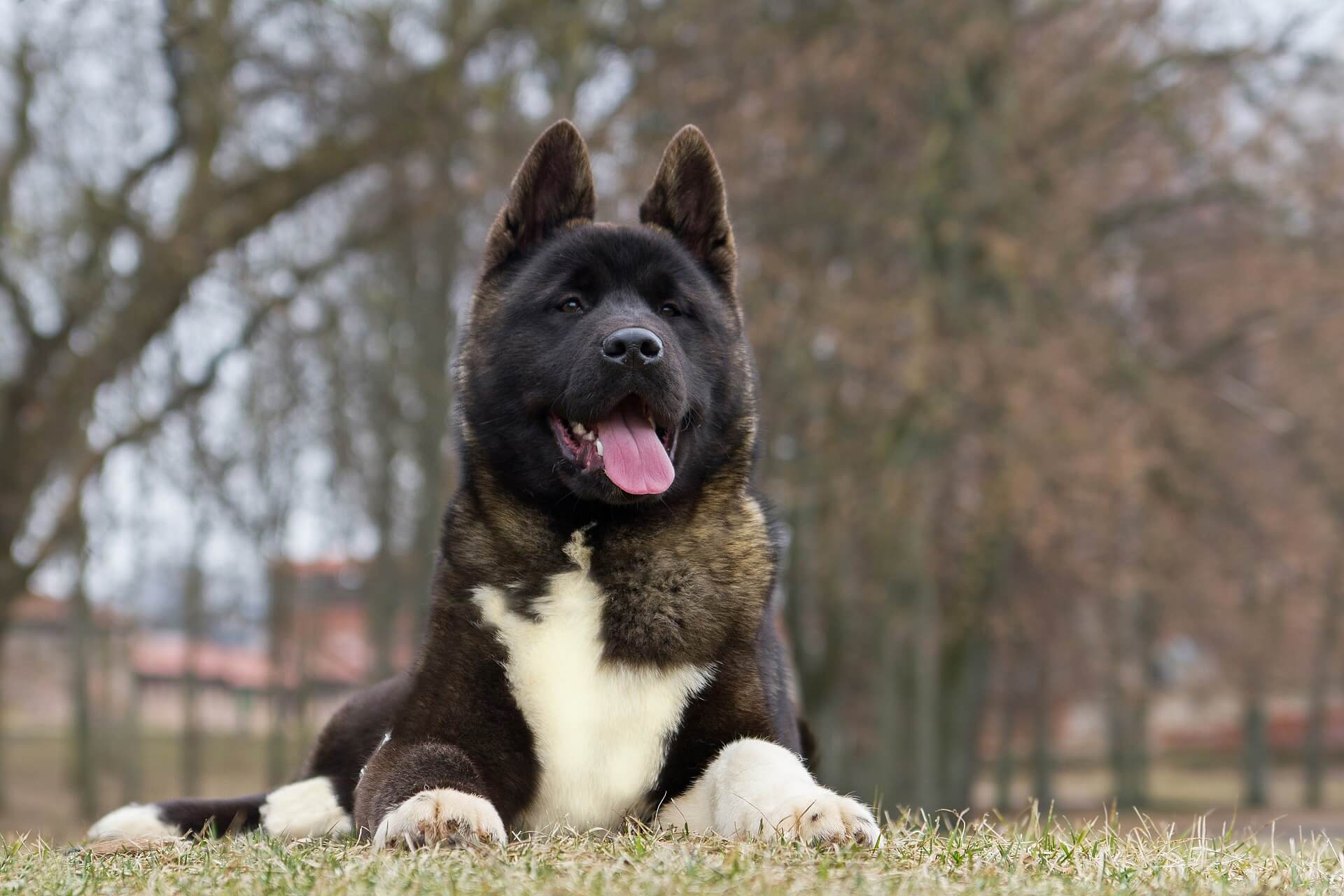
However, the dogs taken to America were often from the Dewa line—a bloodline that heavily featured the Mastiff and German Shepherd traits introduced during the fighting and war eras. These dogs were larger, heavier-boned, and often had black masks on their faces.
Meanwhile, Japanese breeders, led by figures like Morie Sawataishi, worked tirelessly to "purify" the breed by focusing on the Ichinoseki line. Their goal was to return the Akita to the elegant, foxy look of the original Matagi-inu. This led to two distinct varieties:
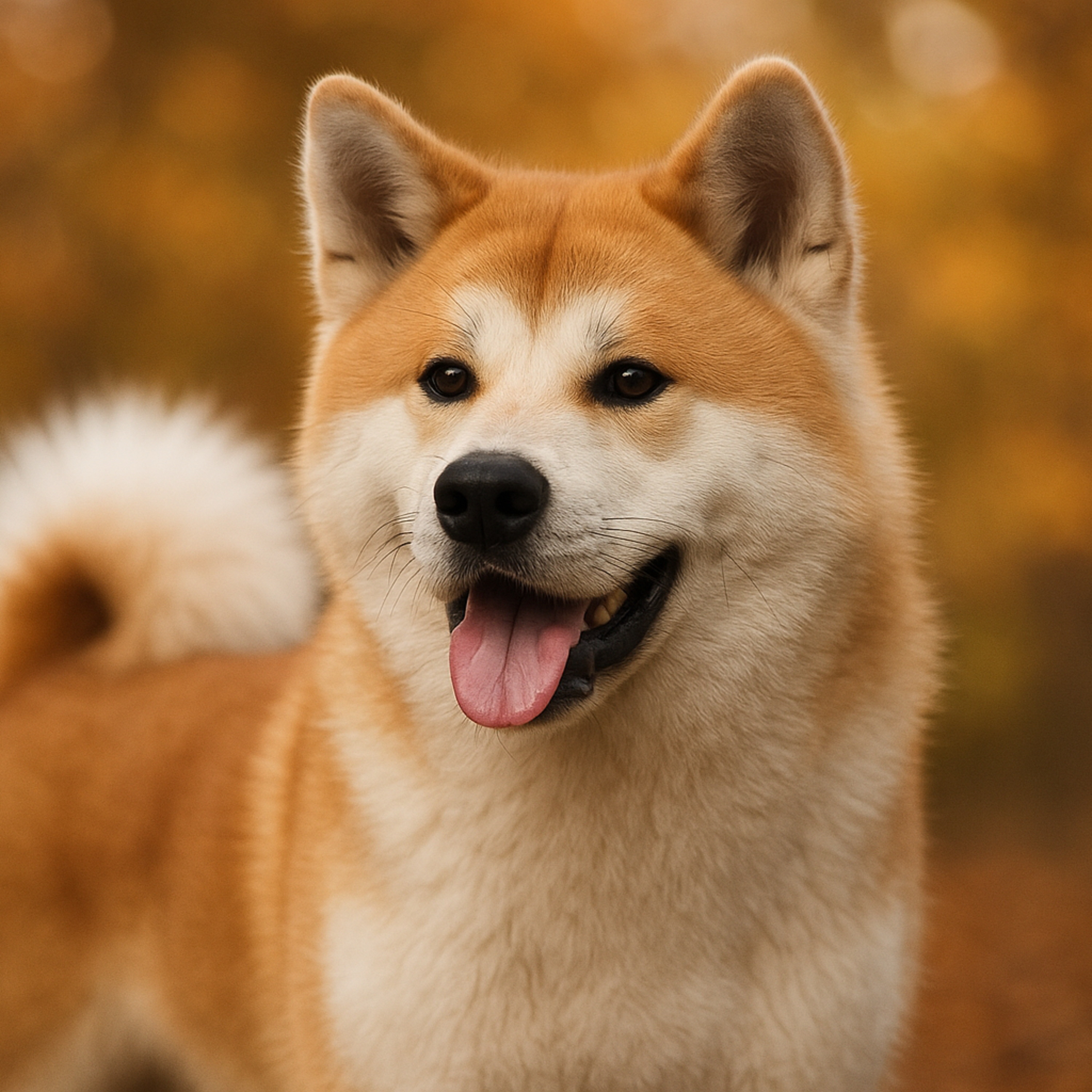
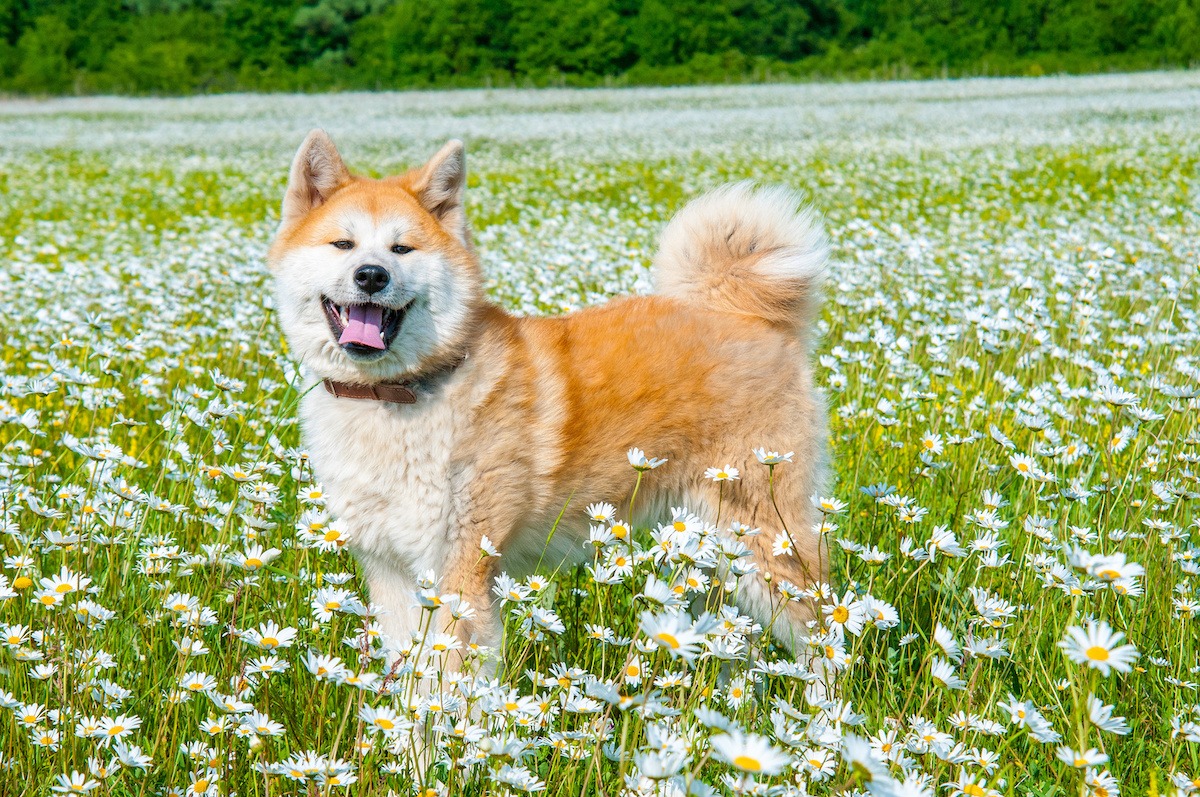
- Akita Inu (Japanese Akita): Preferred by the Japan Kennel Club (JKC) and AKIHO. They are medium-to-large, come in specific colors (Red Fawn, Sesame, Brindle, White), and must have "urajiro" (white markings on the muzzle, cheeks, chest, and tail).
- Akita (American Akita): Recognized by the American Kennel Club (AKC). These are much larger, heavier, and allow for any color, including the black mask that is disqualified in the Japanese standard.
Historical Timeline of the Akita Inu
The following table summarizes the key milestones in the development of the breed through the centuries.
| Era / Year | Historical Event | Impact on the Breed |
|---|---|---|
| 1600s – 1800s | Matagi-inu developed in Akita Prefecture. | Established the breed as a cold-weather big-game hunter. |
| 1868 – 1912 | Meiji Restoration and rise of dog fighting. | Introduction of Mastiff and Tosa blood; breed size increased. |
| 1927 | Foundation of AKIHO. | Formalized the preservation of the "pure" Japanese type. |
| 1931 | Named a National Monument of Japan. | Granted legal protection and cultural status. |
| 1932 | Hachiko's story goes national. | Massive spike in breed popularity and national pride. |
| 1937 | Helen Keller brings first Akita to the USA. | Introduced the breed to the Western Hemisphere. |
| 1941 – 1945 | World War II. | Near extinction; used for fur and food; crossbred with GSDs. |
| 1972 | AKC recognition of the Akita. | Formalized the breed's presence in the United States. |
| 1999 | FCI Breed Split. | The FCI officially distinguished the Japanese and American types. |
Helen Keller and the Akita’s International Debut
While Hachiko is the most famous Akita in Japan, Helen Keller is credited with introducing the breed to the United States. During a visit to Akita Prefecture in 1937, she expressed interest in the breed after hearing the story of Hachiko. She was gifted an Akita puppy named Kamikaze-go.
Tragically, Kamikaze-go died of distemper at a young age. When the Japanese government heard the news, they officially presented her with a second Akita, Kenzan-go, who was the brother of the first dog. Keller described the Akita as "an angel in fur" and praised their gentle, protective nature. This high-profile endorsement helped the Akita gain a foothold in American culture long before the breed was officially recognized by the American Kennel Club.
Cultural Significance in Modern Japan
In 2026, the Akita Inu remains more than just a pet in Japan; it is a symbol of health, happiness, and longevity. It is a common tradition in Japan to send a small statue of an Akita to families who have just had a baby or to individuals who are recovering from illness, signifying a wish for strength and a quick recovery.
The city of Odate remains the "home" of the Akita, featuring the Akita Dog Museum and several statues dedicated to Hachiko and the Matagi hunters. The breed is celebrated annually at the Odate Ameko-Ichi festival and other regional events, where the history of these dogs is kept alive for new generations.
Physical Evolution: Past vs. Present
The Akita has undergone significant physical changes over the last 200 years. By examining historical records and early photographs, we can see how the breed transitioned from a working dog to a show dog and cultural icon.
The Working Matagi Type
Early Akitas were built for function. They had slightly longer bodies, thinner coats, and more varied facial structures. Their primary requirement was the ability to navigate deep snow. Because they were used for hunting, they were often more "primitive" in temperament—highly independent and possessing a very high prey drive.
The Modern Japanese Standard (AKIHO/JKC)
The current Japanese standard emphasizes elegance and "Japanese-ness." The ears are small and thick, leaning forward over the eyes. The tail is thick and carried in a vigorous curl over the back. The most important aesthetic feature is the expression: a combination of dignity and spirit known as kan-i.
The Modern American Standard (AKC)
The American Akita has evolved into a massive guardian breed. They possess a heavy bone structure and a wide, "bear-like" head. Unlike their Japanese counterparts, they often exhibit a black mask, which many enthusiasts believe contributes to their imposing and protective appearance.
Frequently Asked Questions
Why is Hachiko so important to Akita Inu history?
Hachiko is credited with saving the Akita from extinction. In the 1920s, the breed was being diluted by crossbreeding for dog fighting. Hachiko’s legendary loyalty reminded the Japanese public of the noble character of their native dogs, leading to a massive push for breed preservation and the eventual "National Monument" status.
Is there a difference between an Akita and an Akita Inu?
In many contexts, "Inu" simply means "dog" in Japanese. However, in the international dog world, "Akita Inu" usually refers specifically to the Japanese Akita (the foxy, red/brindle/white type), while "Akita" often refers to the American Akita (the larger, bear-headed type). In the United States, the AKC recognizes them as a single breed with various types, but the Federation Cynologique Internationale (FCI) recognizes them as two separate breeds.
How did Akitas survive the food shortages of WWII?
Survival was extremely difficult. Many Akitas were kept alive only through the extraordinary efforts of their owners, who shared their own meager rations with the dogs. In some cases, dogs were hidden in the mountains with Matagi hunters who could provide them with wild game, away from the eyes of military police in the cities.
Are Akitas still used for hunting today?
While most Akitas in 2026 are companion animals or show dogs, their hunting instincts remain very strong. In some rural parts of Japan, they are still occasionally used for tracking, though they are no longer the primary tool for bear hunting as they were in the 1700s. Their high prey drive is a historical trait that modern owners must still manage carefully.
What are the "Five Ancient Japanese Breeds" related to the Akita?
The Akita is the largest of the six native Japanese breeds (Nihon Ken). The others are the Shiba Inu (the smallest), the Shikoku, the Kishu, the Kai Ken, and the Hokkaido. All share the same spitz-like ancestry, with erect ears and curled tails, but they were bred for different types of terrain and prey.
Recommendations for Future Owners and Historians
If you are interested in the history of the Akita Inu, the best way to honor the breed is to support preservation societies that focus on health and temperament. For prospective owners, it is vital to understand that the Akita’s history as a mountain hunter and fighting dog has left it with a powerful, independent, and sometimes territorial personality.
Those wishing to see history in person should visit the Shibuya Station Hachiko Statue or the Akita Dog Museum in Odate. Understanding the hardships this breed overcame—from the fighting pits of the 1800s to the near-total destruction of World War II—provides a deeper appreciation for the loyal, dignified companion we know today.