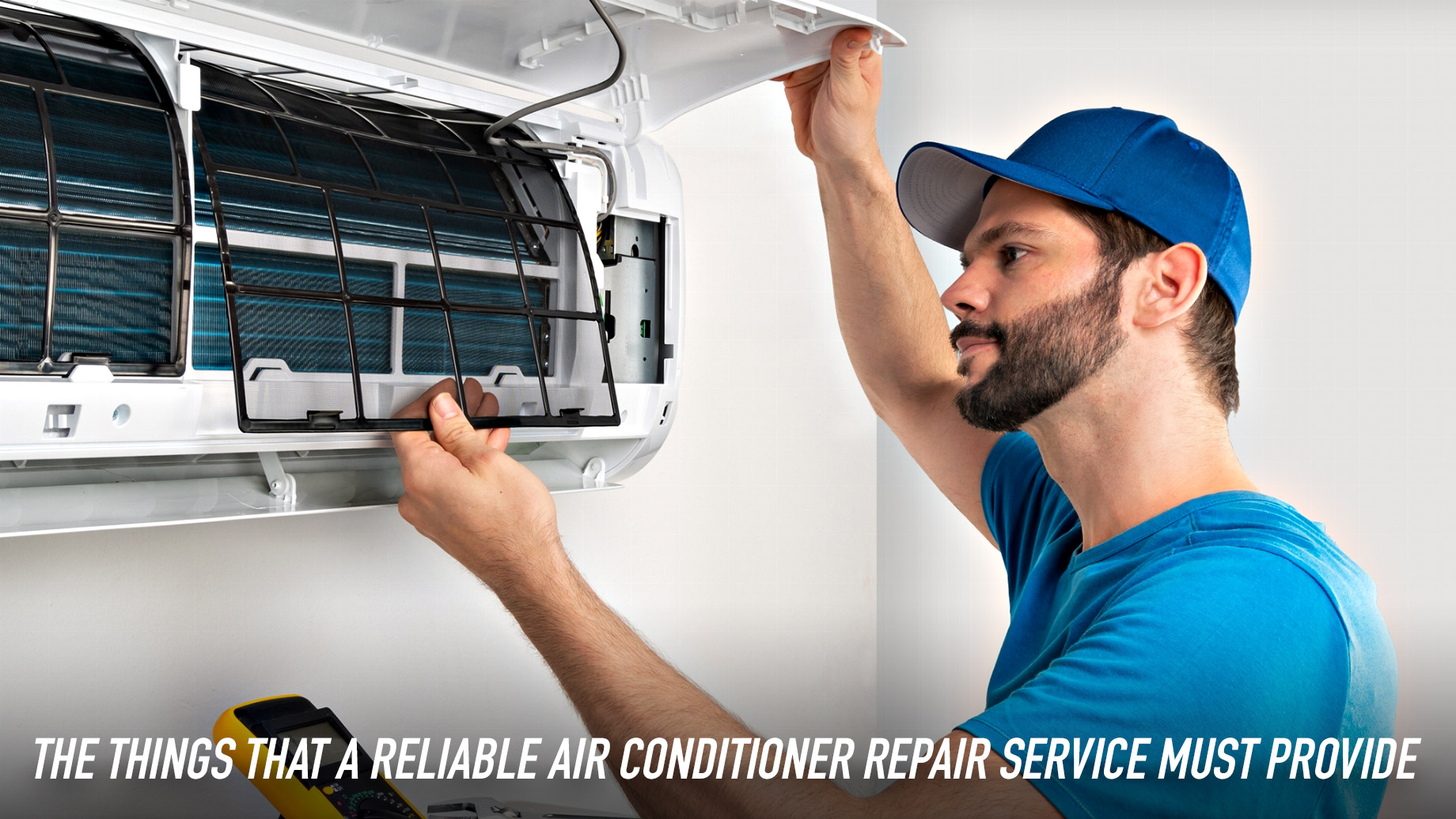
In Houston, air conditioning repair is an essential service required to maintain indoor safety and comfort against extreme humidity and temperatures that frequently exceed 95°F. Professional repairs typically address mechanical wear, electrical failures, or refrigerant leaks. In 2026, Houston homeowners can expect repair costs to range from $150 for minor electrical fixes to over $2,500 for major component replacements, depending on the system's age and refrigerant type.
The Critical Role of HVAC Systems in the Houston Climate
Houston’s climate is classified as humid subtropical, characterized by long, oppressive summers and significant moisture levels. For residents, a functioning air conditioning system is more than a matter of convenience; it is a critical component of home infrastructure that prevents heat-related illnesses and protects the structural integrity of the house from mold and mildew.
The "heat island" effect in the Houston metropolitan area—including Katy, The Woodlands, and Sugar Land—often keeps nighttime temperatures significantly higher than in rural areas. This means HVAC units in Houston rarely "rest," leading to higher mechanical wear and tear than in most other parts of the United States. As of 2026, systems are also adapting to stricter efficiency mandates, making the diagnostic process more complex for technicians who must now manage high-efficiency SEER2 (Seasonal Energy Efficiency Ratio 2) equipment and newer, low-GWP (Global Warming Potential) refrigerants.
Common Air Conditioning Failures in Houston Homes
The specific environmental stressors of the Gulf Coast lead to predictable failure patterns in residential HVAC systems. Understanding these can help homeowners identify issues before they lead to a total system breakdown.
Electrical Component Failure
The extreme heat in Houston causes electrical components to work at their thermal limits. The most common part to fail is the capacitor. This small, cylindrical component stores energy to provide the "jumpstart" needed for the compressor and fan motor to run. High ambient temperatures degrade the electrolyte inside capacitors, leading to bulging or leaking. If your unit is humming but the fan isn't spinning, a blown capacitor is the likely culprit.
Refrigerant Leaks and the 2026 Landscape
By 2026, the transition away from R-410A refrigerant is well underway due to federal environmental regulations. However, many Houston homes still operate systems using R-410A. Leaks often occur in the evaporator coil, frequently caused by "formicary corrosion." This happens when volatile organic compounds (VOCs) in the home react with the copper tubing in the presence of moisture. Identifying a leak requires specialized tools like electronic "sniffers" or ultraviolet dye tests. Because R-410A is being phased out, the cost of this refrigerant has risen significantly, making leak repairs more expensive than in previous years.
Condensate Drainage Issues
Houston’s high humidity means an AC unit extracts gallons of water from the air every day. This water collects in a drain pan and exits through a PVC pipe. Over time, algae and "sludge" can build up in these lines, causing a backup. In Houston, a clogged drain line is a leading cause of emergency service calls. If the line is blocked, the safety float switch will trip, cutting power to the unit to prevent water damage to the home's ceiling or flooring.
Technical Specifications: SEER2 and Houston Requirements
As of 2026, the industry has fully integrated the SEER2 standards implemented by the Department of Energy. For the Southern region, including Texas, the minimum efficiency for new central air conditioning systems is 14.3 SEER2 (equivalent to approximately 15 SEER under the old testing protocols).
When seeking repairs, it is vital to know if your system is a traditional split system or a modern Variable Speed unit. Variable speed compressors are increasingly popular in Houston because they are superior at dehumidification. Instead of turning on and off at full blast, they modulate their output to keep a steady, low-level flow of air, which pulls more moisture out of the environment. Repairing these systems requires specialized diagnostic tools and authentic OEM (Original Equipment Manufacturer) parts, as generic components are often incompatible with the sophisticated control boards.
Estimated Costs for AC Repair in Houston (2026)
Pricing for HVAC repair in the Houston area is influenced by labor demand, part availability, and the specific technology of the unit. The following table provides a breakdown of common repairs and their estimated costs in the current market.
| Repair Type | Estimated Cost (Parts & Labor) | Primary Symptom |
|---|---|---|
| Capacitor Replacement | $150 – $350 | Unit hums; fan or compressor won't start. |
| Contactors/Relays | $200 – $450 | Unit won't turn on or won't shut off. |
| Condensate Pump/Line Clear | $150 – $300 | Water leaking near unit; system won't start. |
| Evaporator Coil Repair | $800 – $2,200 | Poor cooling; ice buildup on copper lines. |
| Blower Motor Replacement | $500 – $1,200 | No air blowing from the vents. |
| Refrigerant Recharge (R-410A) | $400 – $1,000+ | System runs constantly; registers blow warm. |
| Thermostat Replacement | $250 – $700 | Blank screen; inconsistent temperatures. |
Note: These prices are estimates for the Houston metropolitan area in 2026 and may vary based on specific brand requirements and emergency after-hours fees.
Troubleshooting Before Calling a Professional
Before engaging a technician, Houston homeowners should perform basic checks that could resolve the issue or provide valuable information to the repair service.
- Check the Circuit Breaker: HVAC systems use a lot of power. A surge during a Houston thunderstorm can trip the breaker. Locate your electrical panel and ensure the switches for the "AC" or "Air Handler" and "Compressor" are in the 'On' position.
- Inspect the Air Filter: A heavily soiled filter restricts airflow. This can cause the evaporator coil to freeze, effectively "choking" the system and preventing it from cooling. If you see ice on the indoor unit, turn the system off, change the filter, and let it thaw for several hours before trying again.
- Examine the Thermostat: Ensure the batteries are fresh (if applicable) and that the settings haven't been accidentally changed to "Heat" or "Fan Only."
- Clear the Outdoor Unit: Houston’s lush vegetation can grow into the condenser unit. Ensure there is at least two feet of clearance around the outdoor cabinet to allow for proper heat exchange.
Choosing a Licensed Technician in Texas
The State of Texas has strict regulations regarding who can perform HVAC work. In Houston, all air conditioning contractors must be licensed by the Texas Department of Licensing and Regulation (TDLR).
When vetting a service provider, verify their license number on the TDLR official website. A licensed contractor is required to carry liability insurance, which protects you if a technician is injured on your property or if the repair causes damage to your home. Furthermore, ensure the company provides a written estimate before work begins. In 2026, reputable Houston companies often use digital diagnostic reports that include photos of the failed parts and readings from refrigerant gauges, providing transparency in the repair process.
The "Repair vs. Replace" Dilemma
Given the high cost of components in 2026, many Houstonians face the difficult choice between fixing an old unit or installing a new one. A common guideline is the "5,000 Rule": Multiply the age of the unit by the cost of the repair. If the result exceeds $5,000, replacement is generally the more economical long-term choice.
For example, if a 12-year-old system needs a $600 repair (12 x 600 = 7,200), replacement is recommended. In Houston’s climate, the average lifespan of an AC unit is 10 to 15 years. Beyond the 10-year mark, the efficiency gains of new SEER2 equipment often justify the capital expenditure through significantly lower monthly electricity bills. Detailed information on current efficiency standards can be found through the U.S. Department of Energy.
Preventive Maintenance for the Houston Environment
Preventive maintenance is the most effective way to avoid emergency repairs during a Houston heatwave. Most major manufacturers require annual professional maintenance to keep warranties valid.
A standard maintenance visit should include:
- Chemical Cleaning of Coils: Removing the "blanket" of dust and pollen from the outdoor coils.
- Electrical Tightening: Ensuring all connections are secure, as Houston's vibration and heat can loosen wiring.
- Drain Line Treatment: Using antimicrobial tablets or flushes to prevent algae clogs.
- Amp Draw Analysis: Measuring the "health" of the motors to predict failures before they occur.
Frequently Asked Questions
Why is my AC running but not cooling my Houston home?
In Houston, this is often due to a dirty evaporator coil or a refrigerant leak. Because the humidity is so high, if the system cannot reach the "dew point" on the coils, it cannot effectively remove heat or moisture. Check your air filter first; if it is clean, you likely have a mechanical issue that requires a technician to check refrigerant pressures.
How often should I change my AC filter in Houston?
Due to the high dust and pollen counts in the Gulf Coast region, filters should be checked monthly. If you use a standard 1-inch pleated filter, change it every 30 to 60 days. If you have pets or allergies, you may need to change it every 30 days during the peak of summer.
Is it normal for my AC to run all day during a Houston summer?
When temperatures exceed 95°F, it is normal for a correctly sized system to run almost continuously. AC systems are designed to maintain a 20-degree difference between the outdoor air and the indoor air. If your home is 75°F and it is 100°F outside, the system is working at its maximum capacity.
What is the new refrigerant used in 2026?
By 2026, most new residential systems in Houston utilize R-454B or R-32. These are "A2L" refrigerants, which are mildly flammable but have a much lower impact on global warming than the older R-410A. Technicians must use specialized, spark-proof tools when working on these newer systems.
Can I repair my own AC unit?
While homeowners can change filters and clear debris from the outdoor unit, most repairs involve high-voltage electricity and pressurized refrigerants. Per Texas law and EPA regulations, only certified technicians should handle refrigerants or perform internal electrical repairs.
Next Steps for Houston Homeowners
If your air conditioning system is underperforming, the first step is to perform the basic troubleshooting steps mentioned above. If the system still fails to cool, contact a TDLR-licensed HVAC professional immediately. Delaying a repair in Houston can lead to secondary issues, such as mold growth due to high indoor humidity or a complete compressor burnout. For those with systems older than 12 years, it is advisable to request a replacement quote alongside a repair estimate to make an informed financial decision for the years ahead.